
Reviewed · WATERFALL TOURS
From Akureyri: Godafoss and Lake Myvatn
Goðafoss is the early star here, but the real strength of this trip is its changing scenery. In six hours you move from a broad fjord view to a waterfall, pseudo craters, black lava towers, a cave and steaming sulphur pits. I like the local guiding, especially when guides such as Ingi, Lilja, Graham and Joanna add family stories, Icelandic folklore and clear explanations of the geology.
I also like the compact route and the chance to see so much without driving yourself on unfamiliar roads. The main drawback is pace: several stops are short, and the Forest Lagoon is optional rather than included. The minibus also received one complaint about cleanliness, full capacity and poor air conditioning, so transport may be less polished than the scenery.
Key points at a glance
- Goðafoss comes first: Allow 45 minutes to walk around one of northern Iceland’s most memorable waterfalls and hear why it matters to Icelandic history.
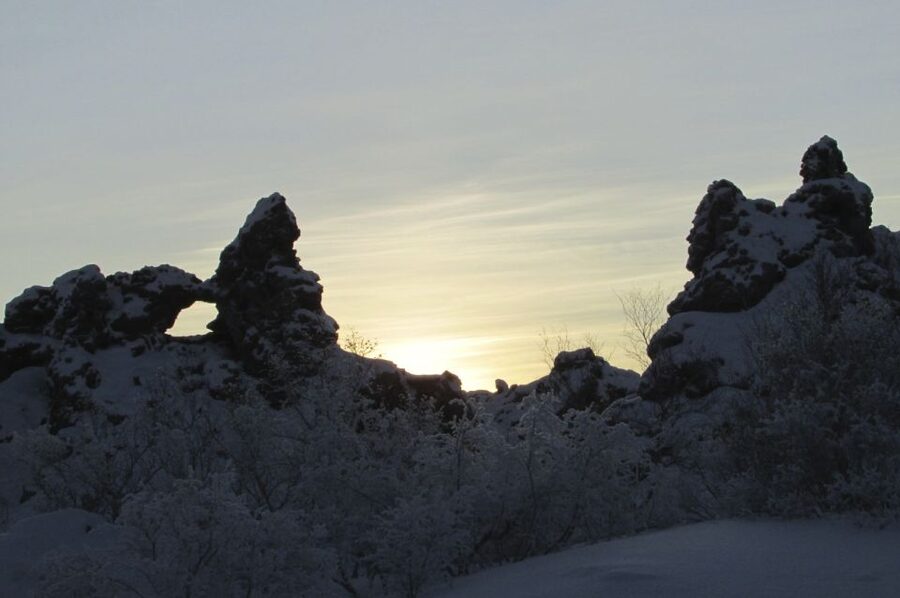
- Dimmuborgir rewards walking: You get about an hour among lava pillars, caves and formations created roughly 2,500 years ago.
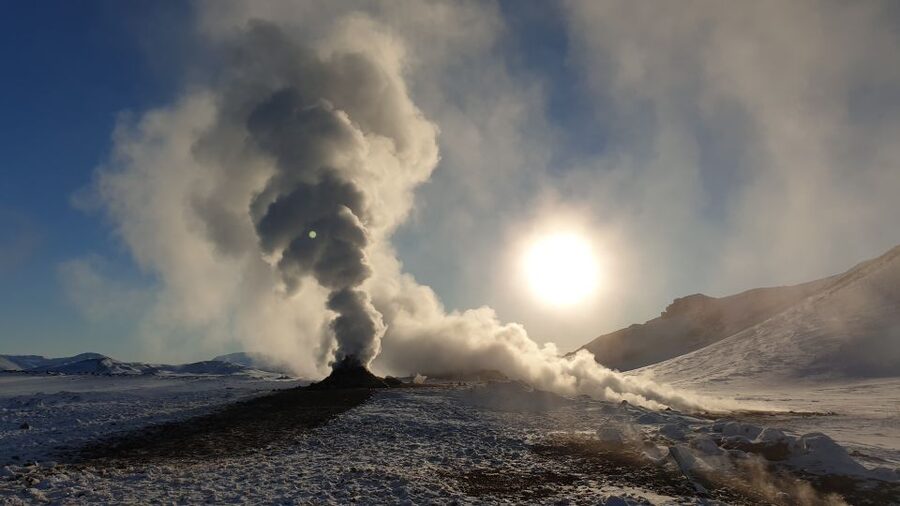
- Hverir feels genuinely otherworldly: Bubbling sulphur mud and steaming vents make this a strong stop for photographs and geology.
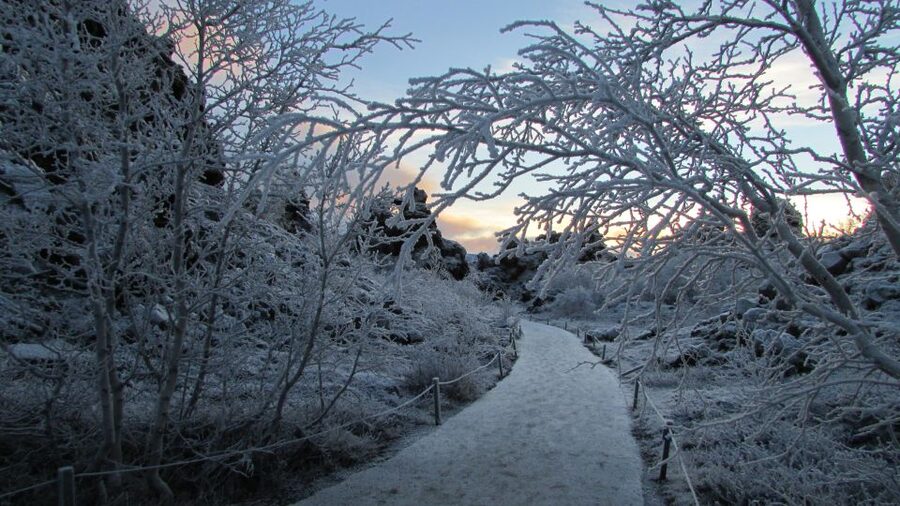
- Winter adds drama: Snow, frost and low sunlight can make the route beautiful, but roads and daylight may affect the timing.
- Lunch is not included: You get a break near Dimmuborgir, but you should plan for your own meal.
- Forest Lagoon costs extra: You may ask to finish at the lagoon near Akureyri, but admission is separate and the stop is not part of the core price.
Why this route works from Akureyri
Lake Mývatn is one of the best full-day targets from Akureyri because it packs several types of Icelandic scenery into one region. You are not simply driving to a lake, taking a photograph and turning around. The route shows how volcanic activity shaped the area, from lava fields and craters to caves, steam and mud.
The tour costs $141 per person and lasts about six hours. That is not a bargain in ordinary terms, but Icelandic transport and guided sightseeing are expensive, and this price includes pickup, drop-off, a minibus and an English-speaking guide. If you do not want to rent a car, navigate winter roads or fit all these stops together yourself, the price is reasonable.
I would choose this trip for a first visit to northern Iceland, especially if you have limited time in Akureyri. It is also useful on a cruise stop because pickup is available at the Akureyri Harbor Cruise Terminal. The route gives you a broad sample of the region without requiring a separate overnight stay around Mývatn.
Pickup begins 15 minutes before departure. You can arrange collection from many hotels, guesthouses, apartments and the harbor terminal, but you should wait in the lobby or outside your accommodation rather than wander off looking for the vehicle.
Other waterfalls within reach of Akureyri:
- From Akureyri: Myvatn Lake, Craters, & Waterfall Tour
★ 4.6 · 793 reviews - Lake Myvatn, Hot-Springs & Godafoss Waterfall Tour from Akureyri
★ 4.5 · 478 reviews - Lake Myvatn Day Tour and Godafoss Waterfall for Cruise Ships from Akureyri Port
★ 4.5 · 473 reviews
The first view: Eyjafjörður and the road to Goðafoss
The outward drive begins with a viewpoint over Akureyri and Eyjafjörður. It is a short stop, but it helps you understand the town’s setting before the tour leaves the built-up area. Have your camera ready, since the visit is designed for a quick orientation and photograph rather than a long walk.
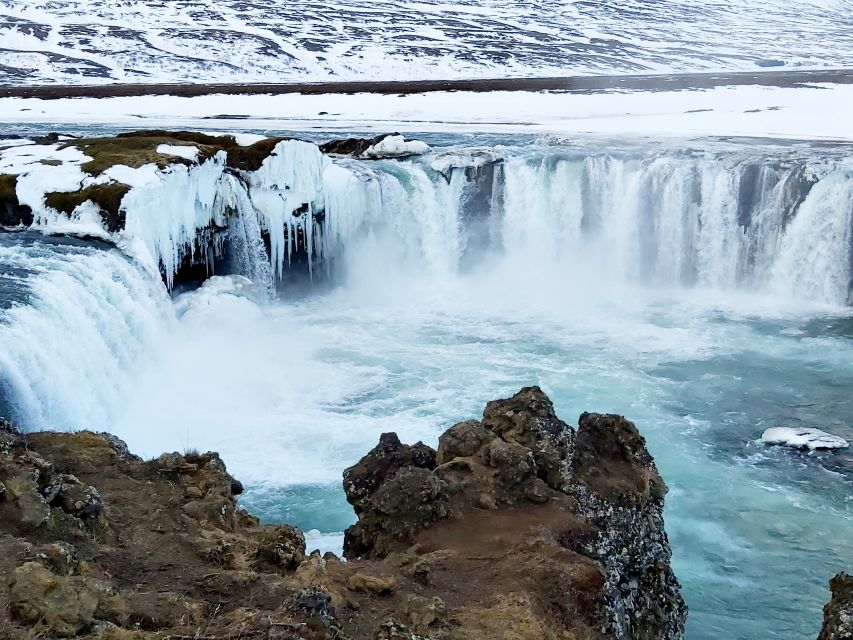
After about 35 minutes on the road, you reach Goðafoss. The name means Waterfall of the Gods, and the falls are shaped in a broad, curved line rather than a single narrow drop. Water pours over a low horseshoe-like rock formation, making the site feel wide and open.
You get about 45 minutes here. That is enough to walk to viewpoints, take photographs and listen to the guide explain the waterfall’s place in Icelandic history. The paths can feel very different from one season to another. In summer, you may see spray and clear water against dark rock. In winter, snow and ice can frame the falls, while low light gives the scene a colder, more dramatic look.
This is one of the tour’s strongest stops, and it deserves proper time. Stay aware of footing near wet or icy ground, particularly in winter. Comfortable shoes are a must.
Skútustaðagígar and the strange shapes around Lake Mývatn
The drive to Mývatn takes about another 35 minutes. The first stop in the lake area is Skútustaðagígar, a group of pseudo craters. These are not ordinary volcanic craters formed by a traditional eruption. They formed when lava met wet ground and trapped steam burst through the cooling surface.
You have about 15 minutes here, so think of this as a short photo and orientation stop. It is not the place for a long hike. The rounded forms make more sense once your guide explains how they developed, and the view helps set up the rest of the Mývatn region.
Mývatn is Iceland’s fourth-largest lake, surrounded by lava fields, craters and wide views. It is also known for bird life, though what you see depends on the season. The area’s appeal is not one single landmark. It is the way water, volcanic rock and open sky keep changing as you move around the lake.
Walking through Dimmuborgir’s lava towers
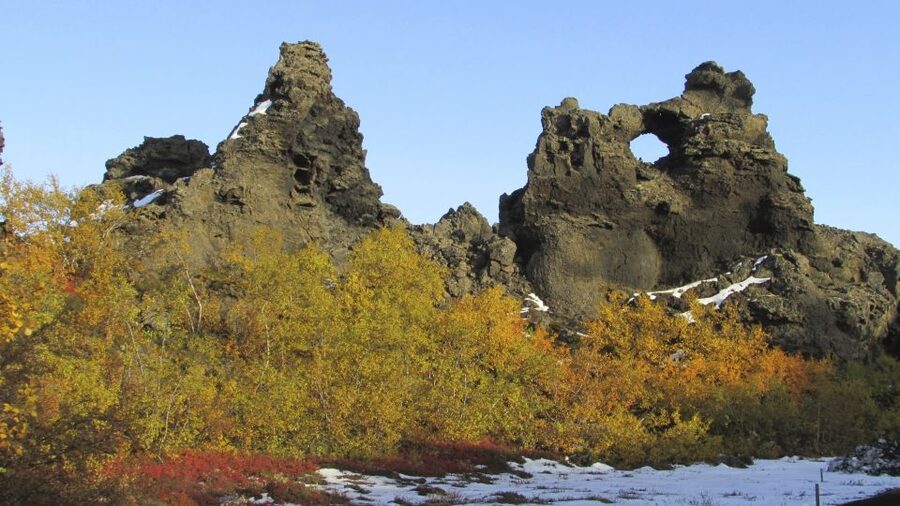
Dimmuborgir is where the tour slows down. You have about an hour to walk among dark lava formations, pillars, arches and caves. The name is often translated as Dark Fortress, and the setting earns it. The formations are irregular and surprisingly varied, with some shapes looking like walls or ruined towers.
The rock was formed by lava activity about 2,500 years ago. As the lava cooled, gas and steam helped create hollow spaces and unusual structures. Your guide can explain the geology while also sharing local stories about trolls. That combination works well here because Dimmuborgir feels made for folklore.
I would treat this as the most rewarding walking stop. You get enough time to move beyond the first photograph and see the formations from different angles. At the same time, the hour is not long enough for an extended hike through every path, so wear shoes that handle uneven ground and expect a moderate amount of walking.
Lunch follows near Dimmuborgir, with a view over the area. Lunch is not included, and the available restaurant is described as small. That means you should expect a simple break rather than a long restaurant meal, especially at busy times. Bring a snack or reusable water bottle so you are not relying entirely on the lunch stop.
Same base, a different kind of day out:
- Akureyri: 3-Hour Classic Whale Watching Tour by Ship
★ 4.6 · 3,000 reviews - Whale Watching from Downtown Akureyri
★ 4.5 · 971 reviews - Big Whales & Puffins RIB boat tour from Húsavík
★ 5.0 · 501 reviews - Akureyri: 2-Hour Whale Watching Express by RIB Speedboat
★ 4.8 · 489 reviews
Grjótagjá, a cave shaped by volcanic force
The next drive is only about 10 minutes. Grjótagjá is an underground cave associated with the tectonic plates between Europe and America. The cave gives you a different view of the region’s volcanic activity. Instead of broad lava fields or open craters, you see a confined space formed beneath the surface.
The stop lasts about 15 minutes. It is mainly for viewing and photographs, not a long underground visit. Conditions and access can vary, so follow the guide’s instructions and do not assume that every part of the cave is open for entry.
This is one of the shorter stops, but it adds variety. After the open forms of Dimmuborgir, Grjótagjá reminds you that much of Iceland’s volcanic world is hidden below ground.
Hverir’s mud pits and steaming vents
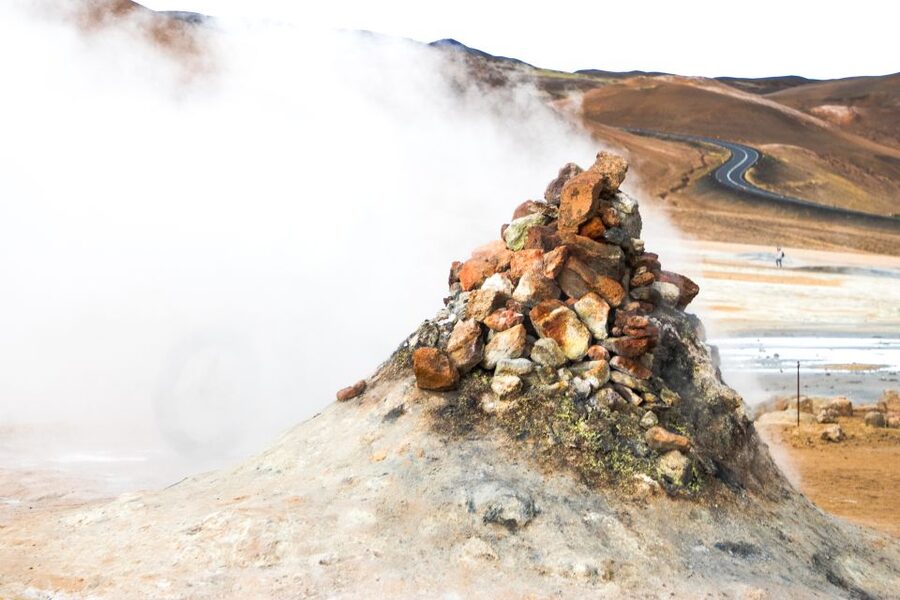
From Grjótagjá, it is about 15 minutes to Hverir. This is the tour’s most forceful geothermal stop. The ground is marked by bubbling sulphur mud, steaming vents and strong colors produced by heat and minerals.
You have about 20 minutes to walk around the area. Watch where you step. This is not a place to leave the marked paths or wander casually across the surface. The ground can be hot and unstable near the vents, and the sulphur smell can be strong.
Hverir is visually dramatic even in poor weather. Steam can rise through cold air in winter, while the mud pools keep moving and bubbling. The stop gives you a direct sense of the heat beneath Iceland’s surface, rather than a polished or carefully landscaped version of geothermal activity.
The last major eruption in the Mývatn area took place at Krafla in 1984, and lava from that event can be seen in the region. Your guide can connect the fresh-looking lava, the steaming ground and the surrounding craters into one volcanic story. That context is important. Without it, Hverir is an unusual patch of mud. With it, the whole route feels connected.
Forest Lagoon: a possible extra, not part of the price
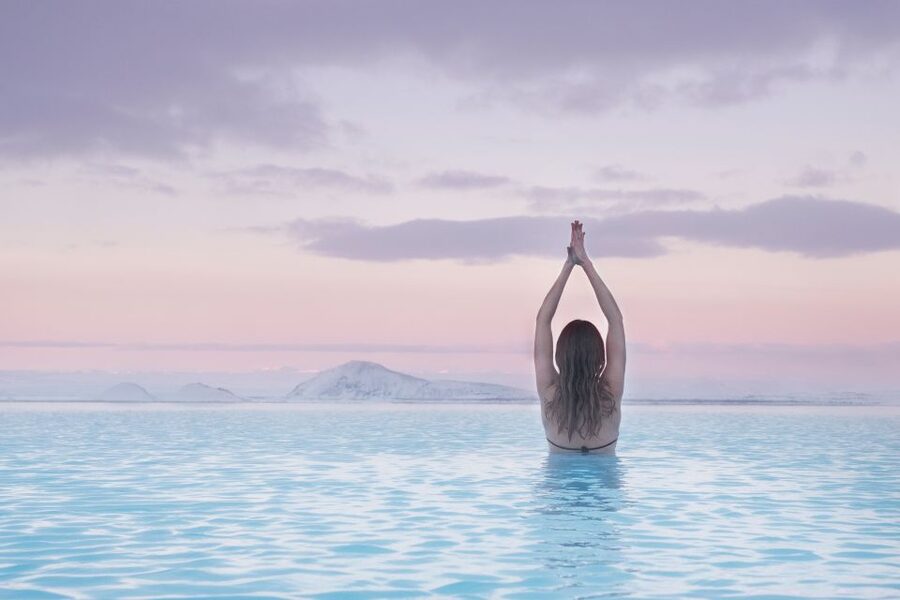
The tour description offers the option of ending at the Forest Lagoon on the outskirts of Akureyri. Admission is not included, and you need to ask about finishing the tour there. Do not assume that a lagoon visit is automatically built into your day.
This distinction matters because some visitors may plan their clothing, time and budget around a soak. The core route finishes after the Mývatn stops and the drive back toward Akureyri. If you want to add the lagoon, confirm the arrangement before departure and allow for the separate entrance fee.
The lagoon can be a pleasant way to finish, but it changes the feel of the day. You will have less flexibility for extra photo stops, and the bath visit may feel rushed if there is limited time. One past visit allowed roughly half an hour in the baths, so ask about the schedule rather than counting on a long soak.
Winter conditions and summer differences
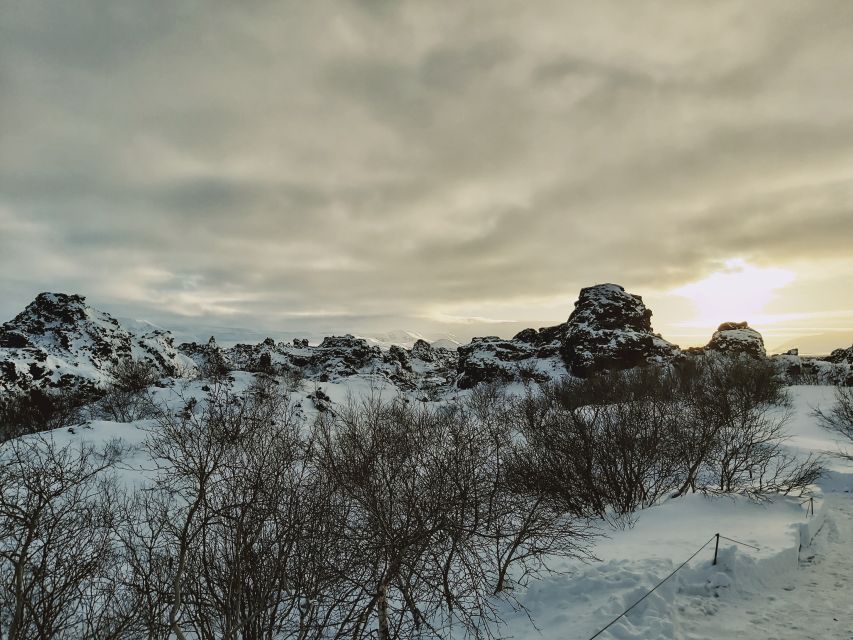
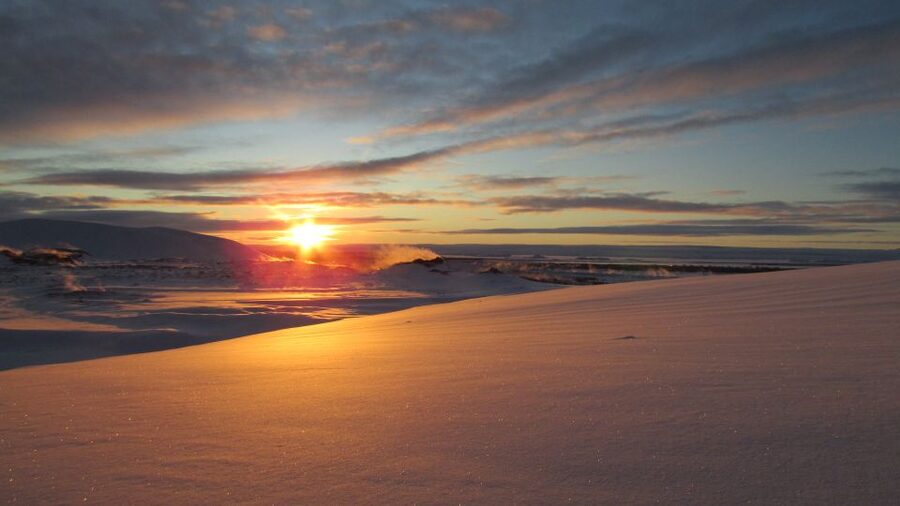
Winter is a strong season for this trip if you want snow, frost and low sunlight around the volcanic sites. Goðafoss can look especially striking with ice and snow, and Hverir’s steam is more visible against cold air. The trade-off is reduced daylight, changing road conditions and a greater chance of altered timing.
One guide adjusted the order of stops in winter to make better use of daylight and weather, even returning to Goðafoss later so the group could see it properly. That kind of flexibility is valuable, but it also means your exact timing may not match the printed schedule.
In summer, you should expect longer daylight and better chances for clear views. The open areas around Mývatn may feel easier to explore, and bird life is more likely to be part of the scene. The trade-off is that popular stops may feel busier.
Pack warm clothing in every season. Add sturdy walking shoes, water and protection from wind. You are moving in and out of the minibus several times, so layers are more useful than one heavy coat.
The guide can make or break the day
The strongest part of this experience is the guiding. The local guides named in past outings include Ingi, Lilja, Graham, Joanna, Asta and Lily. Their approach varies, but the best guides do more than point out rocks. They explain the geology, connect places to Icelandic history and add stories about local life.
Graham has been praised for taking the old road when weather allowed, stopping at useful viewpoints and explaining what the group was seeing. Lilja has been noted for her stories about growing up in the area and for helping a guest who was unsteady on foot. Ingi has been described as bringing local family stories and humor into the drive.
You should not assume a particular guide will lead your departure. Still, the company’s strength appears to be its local, personal style. Guides may add a short photo stop when conditions allow, and they can adjust the route when light or weather changes.
The minibus format usually gives the guide a more direct connection with the group than a large coach. Some departures have been very small, with only a handful of people, though group size is not guaranteed. One practical caution is worth noting: a full vehicle may feel cramped, and one complaint described a dirty van, weak air conditioning and worn tires. That appears to be an exception among otherwise positive experiences, but it is fair to keep in mind.
Who should book this trip?
I would recommend it to you if you want a broad introduction to northern Iceland without driving. It suits photographers, first-time visitors, cruise passengers and anyone who enjoys geology, folklore and short walks. You get a waterfall, lake, lava formations, cave and geothermal area in one well-organized day.
It is less suitable if you want long hikes, a slow lunch or a guaranteed spa visit. The schedule keeps moving, and the walking time at Skútustaðagígar, Grjótagjá and Hverir is brief. People with limited mobility should ask about the walking surfaces and stop conditions before booking, since the tour includes uneven outdoor areas.
The free cancellation policy allows you to cancel up to 24 hours before departure for a full refund, and you can reserve now and pay later. Those terms help if your northern Iceland plans depend on weather.
Should you book the Goðafoss and Lake Mývatn tour?
Book it if you want the most varied day trip from Akureyri and value a local guide who can make volcanic scenery understandable. The route is well chosen, the six-hour length is manageable, and $141 is fair when you include transport, pickup and guiding.
Skip it if your priority is a long soak, serious hiking or complete control over the schedule. For everyone else, this is a strong use of one day in northern Iceland. Go for the combination: Goðafoss and Dimmuborgir provide the most rewarding walks, while Hverir and Grjótagjá give the day its strange volcanic edge.
FAQ
How long does the tour last?
The tour lasts about six hours, although weather, daylight and extra photo stops can affect the return time.
Where does the tour depart from?
Pickup is available from many Akureyri hotels, guesthouses, apartments, the airport wetlands area and the Akureyri Harbor Cruise Terminal.
Is hotel pickup included?
Yes. Hotel and accommodation pickup and drop-off are included. Pickup begins 15 minutes before departure, so wait in your lobby or outside your accommodation.
What language is the tour conducted in?
The live tour guide speaks English.
Is lunch included?
No. The tour includes a lunch break near Dimmuborgir, but you pay for lunch yourself.
Is Forest Lagoon admission included?
No. You can ask about ending the tour at Forest Lagoon, but the entrance fee is separate.
What should I bring?
Bring comfortable shoes, warm clothing and a reusable water bottle.
Can I cancel the booking?
You can cancel up to 24 hours before departure for a full refund. The reserve-now-and-pay-later option is also available.
Just added in Akureyri
- Zipline Adventure Through Glerárgil River Canyon in Akureyri Town★ 5.0 · 136 reviews
- Whales and Puffins Tour from Husavik★ 4.5 · 85 reviews
- Whale Watching in Husavik★ 4.5 · 119 reviews
- Whale Watching and Sea Angling Tour★ 4.5 · 61 reviews
- Whale Watching on a Traditional Oak Sailing Ship from Husavik★ 4.5 · 68 reviews
- The Viking Horse Riding Experience in North Iceland★ 5.0 · 46 reviews
- Whale Watching Tour from Akureyri City Central★ 4.5 · 33 reviews
- 100% Whale Watching★ 5.0 · 273 reviews
Waterfall Tours, compared.
South Coast Waterfalls, Black Sand & Glacier Tour
Read our review →
South Coast Day Tour Black Sand Beach & Waterfalls from Reykjavik
Read our review →
Full-Day South Coast, Black Beach & Waterfalls Tour
Read our review →

From Isafjordur: Dynjandi Waterfall Guided Day Trip by Bus
Read our review →
Glacier Hike, Waterfalls and Black Sand Beach
Read our review →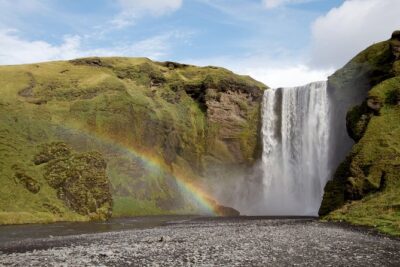
South Coast, Waterfalls and Vík village from Reykjavik
Read our review →Browse the lists this tour appears in