
Reviewed · TOURS IN DENMARK
Copenhagen Card – DISCOVER 80+ attractions and public transport
Copenhagen’s best city pass is less about ticking off every attraction than joining the dots between them. One digital card covers more than 80 attractions and public transport across the Copenhagen region, so you can move from Rosenborg’s Crown Jewels to a canal boat, then out to Louisiana or Kronborg without buying a new ticket each time.
I like two things right away: the transport coverage takes much of the guesswork out of trains, buses, Metro, and harbor boats, and the attraction list reaches well beyond the usual palace circuit. You can choose from 24, 48, 72, 96, or 120 hours, but the pass only pays off if you plan enough visits during its active period. A short trip with just one or two sights may not justify the price.
Key points to know before you buy
- More than 80 attractions: Major palaces, museums, Tivoli Gardens, castles, galleries, and family attractions are included.
- Public transport included: Use Copenhagen buses, trains, Metro, S-trains, and covered harbor routes throughout the card’s validity.
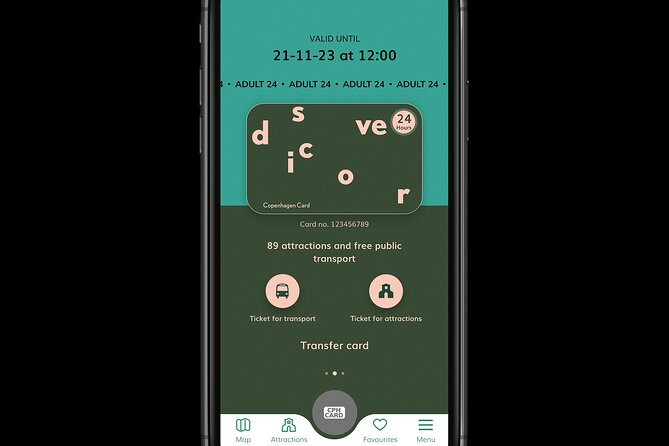
- Digital only: You redeem the barcode in the Copenhagen Card app, with no physical card supplied.
- Great for day trips: The pass reaches Louisiana, Kronborg, Frederiksborg, Roskilde, and the Viking Ship Museum.
- Plan around opening hours: Many attractions operate mainly from about 10 a.m. to 5 p.m., and many are closed on Mondays.
- Children can be a strong value: Each adult can add two free cards for children aged 3 to 11.
What the Copenhagen Card really gives you

The Copenhagen Card works as both an admission pass and a transport ticket. Once activated, it is valid for the exact number of hours you selected, beginning with your first use. A 48-hour card, for example, is not simply good for two calendar days. Starting it at 1 p.m. can let you use it through the afternoon, all the next day, and into the following afternoon.
That timing matters. A careful schedule can turn a short card into a useful sightseeing tool, while a late start followed by closed museums can waste much of its value. I would check opening days and book any timed visits before activating it.
The card costs $95.96 per person in the supplied pricing. That is a serious outlay, especially for a single day. Still, entrance fees in Copenhagen add up quickly, and transport to outlying sights can also cost enough to change the calculation. If you visit three or four substantial attractions and use public transport several times, the pass can make financial sense. If you mainly walk around central Copenhagen and choose one museum, buy separate tickets instead.
Other trips people book in Copenhagen:
- Copenhagen: Canal Cruise with Guide
★ 4.6 · 9,115 reviews - Copenhagen: Hop-On Hop-Off Bus Tour with Boat Tour Option
★ 3.9 · 4,122 reviews - Private Walking Grand Tour of Copenhagen
★ 5.0 · 3,953 reviews
Activating the card without a physical ticket

After booking, you receive a barcode number and enter it in the Copenhagen Card app. The card remains valid for one year until activation, which is useful if your plans change before the trip.
Once activated, the card becomes personal and non-refundable. A lost phone or broken phone does not qualify for a replacement, so keep your phone charged and protect access to the app. The card is accepted by scanning at attractions and for transport.
The digital format is convenient, though the transport system can take a little getting used to. Copenhagen uses Metro, S-trains, regular trains, buses, and harbor buses, and the QR code may not be recognized by every Metro tap screen. The pass still covers the services listed, but follow the app guidance and allow a moment to show the card when required.
The central Copenhagen highlights
Start with the sights that are close together and open during the same part of the day. Rosenborg Castle is a natural first stop. Christian IV built this handsome Renaissance palace in the 1600s, and the royal rooms lead down to the Crown Jewels. An hour gives you a good look without turning the visit into a long museum session.
Amalienborg Palace Museum offers a different royal experience. Here you see recreated palace interiors and learn about the home of Denmark’s royal family. The museum is especially useful alongside Rosenborg because the two sites show different sides of royal life.
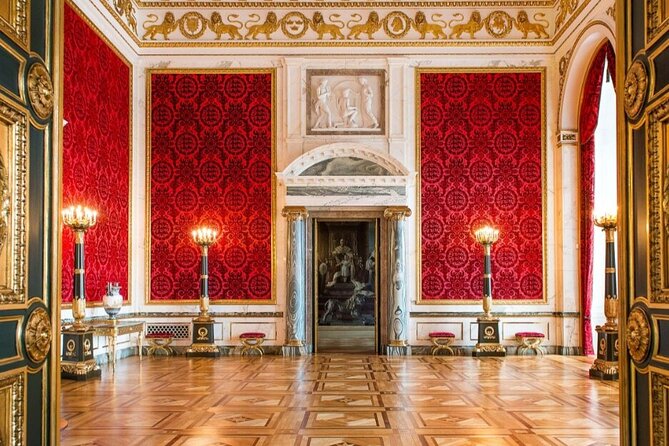
Christiansborg Palace, the official seat of the Queen, adds another major royal stop. The complex has enough to fill a substantial part of a day, so check which areas are open and if a time slot is needed. During busy periods, advance planning can save you from arriving at the right building at the wrong time.
The National Museum of Denmark gives you a broader view of Danish history. It is a good counterweight to the palaces, which naturally focus on royalty. The Museum of Copenhagen does the same for the capital itself, tracing Copenhagen from the Viking Age through fires, plague, building booms, wartime destruction, and modern Christiania.
Copenhagen by water, science, and design
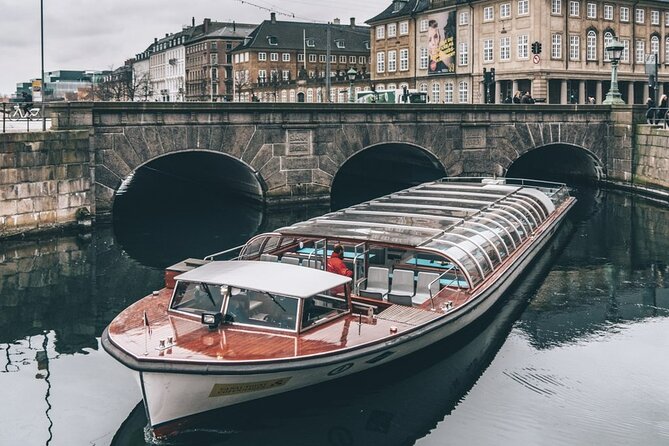
The Stromma canal tour is one of the easiest ways to get your bearings. The boat passes Copenhagen’s waterfront and gives you a break from museum interiors. It is also a good use of the card on a first afternoon, when you may not want to commit to a long visit.
The harbor bus is another practical bonus. It functions as public transport rather than a formal sightseeing cruise, but it gives you a pleasant view of the city from the water while carrying you between parts of Copenhagen.
For families, Copenhagen Zoo and Experimentarium are the strongest choices. The zoo has more than 4,000 animals in modern facilities. Experimentarium, in Hellerup about 6 kilometers north of central Copenhagen, turns science into hands-on play and suits mixed-age groups better than a quiet art museum.
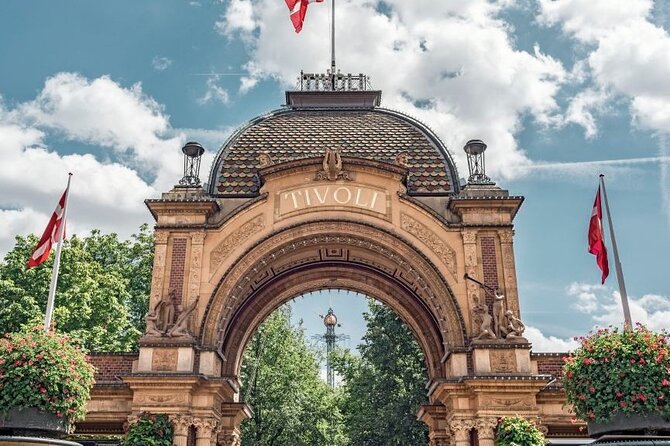
The Planetarium offers exhibitions and one film in its large dome. The dome has an 8K visual system and specialized sound, making this a good rainy-day stop. Tivoli Gardens is another major inclusion, but check its opening dates before you count it in your budget. A closed park can change the value of a 24-hour pass quickly.
Design lovers have several worthwhile choices. Designmuseum Danmark presents Danish furniture, ceramics, glass, fashion, textiles, and posters, including work by Finn Juhl, Arne Jacobsen, Poul Kjærholm, Verner Panton, and Hans Wegner. The Danish Architecture Center in BLOX focuses on buildings, urban design, exhibitions, tours, and activities for adults and children.
Same base, a different kind of day out:
- From Copenhagen: Lund and Malmö 2-Country Tour
★ 4.7 · 2,772 reviews - Copenhagen Highlights Walking Tour
★ 5.0 · 2,324 reviews - Copenhagen: Highlights 3 Hour Bike Tour with a Local Guide
★ 4.8 · 2,312 reviews - Hamlet and Sweden Tour – Two Countries in one day !
★ 5.0 · 2,223 reviews
Art museums that justify a longer pass
The National Gallery of Denmark, known as SMK, covers seven centuries of Danish and international art. Its collection moves from Renaissance masters to modern and contemporary artists, with works connected to Mantegna, Rubens, Matisse, Munch, Hammershøi, and others.
The Ny Carlsberg Glyptotek is a fine choice if you want art in a grand setting. Its collection includes Egyptian, Greek, Roman, Etruscan, Danish, and French works, so you can move from ancient sculpture to nineteenth-century painting in one visit.
The Hirschsprung Collection is smaller and more focused. It presents Danish art from the Golden Age through the Skagen painters and the Modern Breakthrough, with important works by Eckersberg, Købke, Krøyer, and Hammershøi. I would pair it with SMK rather than trying to rush through both.
Ordrupgaard, about 10 kilometers north of Copenhagen, adds French Impressionism and Danish art in peaceful surroundings. Monet, Degas, Gauguin, and Hammershøi are among the key names. Louisiana Museum of Modern Art, about 40 kilometers north in Humlebæk, is one of the pass’s strongest reasons to choose 72 hours or more. Its modern art, sculpture park, architecture, and views across the Sound make it more than a standard indoor museum visit.
Contemporary art has its own group of choices. Copenhagen Contemporary occupies a former welding hall and shows large installations, performance art, and video works. Nikolaj Kunsthal uses a former church for changing contemporary exhibitions, while Kunsthal Charlottenborg presents Danish and international art with talks, performances, concerts, and film programs. Cisternerne, an old underground water reservoir beneath Søndermarken, is a memorable setting for contemporary installations. Expect darkness, damp air, and uneven atmosphere rather than a traditional gallery.
Castles and day trips beyond the city center
The pass becomes more valuable when you use it for day trips. Kronborg Castle in Elsinore sits at the entrance to the Øresund and is famous worldwide as Shakespeare’s Hamlet castle. Its Renaissance design and waterfront location make it one of the most satisfying excursions from Copenhagen.
Frederiksborg Castle in Hillerød is another excellent outing. Christian IV built it in the early seventeenth century, and the Museum of National History inside covers Danish culture and history from the late Middle Ages to today. Portraits, furniture, decorative art, and ornate rooms give the visit a strong sense of place.
Roskilde offers two very different stops. Roskilde Cathedral is a UNESCO World Heritage site and the burial place of 40 Danish kings and queens. The Viking Ship Museum displays five original ships from about 1,000 years ago, along with reconstructed boats, craft workshops, and maritime activities. The fjord setting helps explain why ships mattered so much to Viking life.
Lejre Land of Legends is an open-air museum where reconstructed Stone Age, Iron Age, and Viking settlements bring the past into physical form. The largest reconstructed Viking royal hall is the main draw, and two hours is a more realistic visit than the brief stop times suggested by a fast sightseeing schedule.
These trips take time. You should not try to combine Louisiana, Kronborg, Frederiksborg, and Roskilde in a single pass period unless your main goal is simply to ride trains and collect entrances. Choose one major outing per day, then add nearby Copenhagen sights.
Smaller museums with strong local character
The card’s less famous attractions can be its most rewarding if you have time. The Museum of Danish Resistance takes you into the occupation period through sabotage, illegal newspapers, code breaking, and intercepted phone calls. The Danish War Museum covers military history from the 1500s to the present, with armor, samurai swords, ship models, and modern drones.
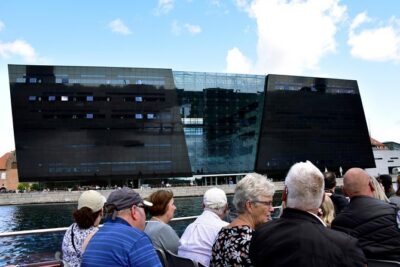
The Royal Library’s Black Diamond on the harbor presents exhibitions tied to literature, photography, cultural heritage, and Danish figures such as Søren Kierkegaard. Thorvaldsen’s Museum is devoted to sculptor Bertel Thorvaldsen and is known for colorful rooms and a distinctive building dating from the museum’s opening in 1848.
Medical Museion is a more unusual choice. Its exhibitions examine the human body, disease, and medical treatment in the historic Royal Academy for Surgeons. It is not for anyone who dislikes medical displays, but it offers a side of Copenhagen that palace visits cannot.
At Carlsberg’s original brewery, Home of Carlsberg tells the story of the company from 1847 onward. You must pre-book this visit, and your card needs to be active because the card number is required. The Sælen submarine and the ships at Holmen offer a close look at naval technology, while Classic Car House focuses on twentieth-century vehicle design and craftsmanship.
Other options include the Karen Blixen Museum at Rungstedlund, the former home of the author of Out of Africa and Babette’s Feast, and Ragnarock in Roskilde, which follows pop, rock, and youth culture from the 1950s to today. Casino Copenhagen is also included, though I would not buy the card for gambling alone.
How many days should you choose?

A 24-hour card suits a tightly planned central-Copenhagen day. Use it for a canal cruise, one or two royal sites, Tivoli if open, and several transport trips. It is less forgiving if a timed attraction has a long wait or a museum is closed.
The 48-hour option is often the practical middle ground. You can combine central palaces and museums on one day with a castle, Louisiana, or Roskilde on the next. Starting around lunchtime can work well if you make a final visit before the pass expires.
Choose 72 hours or longer if you want several day trips or prefer a slower pace. The 96-hour and 120-hour cards suit a broad museum plan, families with mixed interests, or anyone staying long enough to visit attractions outside the city without rushing.
Children aged 3 to 11 can be added free, up to two children per adult. Since children may already have free or reduced admission at many sights, compare the cost of their transport separately before assuming the adult card is the best deal for them.
Who should buy it?
I would buy the Copenhagen Card if you want palaces, museums, a canal trip, and frequent public transport in the same visit. It is especially useful for families, museum fans, and anyone planning Louisiana, Kronborg, Frederiksborg, or Roskilde.
I would skip it for a one-day stop built around walking, coffee, and one paid attraction. Also skip it if your schedule falls heavily on Mondays, when many attractions are closed, or if you dislike planning timed visits.
The card has a strong reputation, with 91 percent of customers recommending it and an average rating of 4.5 from 1,124 ratings. More important than the score is the practical lesson: calculate your own route first. Add up the entry fees, include the transport you genuinely need, and check opening hours before purchase. For a well-planned two to five-day visit, this is one of the easier ways to control Copenhagen’s costs while seeing much more than the city center.
FAQ
How long can I use the Copenhagen Card?
You can choose a 24, 48, 72, 96, or 120-hour card. It is valid for the selected number of hours from the first time you use it.
Is the Copenhagen Card physical or digital?
The card is fully digital. You enter the barcode number in the Copenhagen Card app on your smartphone, and no physical card is provided.
Does the card include public transport?
Yes. It includes public transport throughout the Copenhagen region, including buses, trains, Metro services, S-trains, and covered harbor transport.
Are children included for free?
Each adult can add two free cards for children aged 3 to 11. You must add the free children’s cards to the cart when buying the adult card.
Does the card include Tivoli Gardens and the canal tour?
Yes. Tivoli Gardens and the Stromma canal tour are among the included attractions. Check opening times and availability before counting them toward your savings.
Can I use the card for Louisiana Museum or Kronborg Castle?
Yes. Louisiana Museum of Modern Art and Kronborg Castle are included, along with Frederiksborg Castle, the Viking Ship Museum in Roskilde, and many other attractions outside central Copenhagen.
Just added in Copenhagen
- Copenhagen: City Highlights Guided Segway Tour★ 4.9 · 299 reviews
- Copenhagen: Best of Danish Pastry Tasting Tour★ 4.8 · 414 reviews
- Bike Tour Copenhagen. Private Guide, Concierge Service, Small Grp★ 5.0 · 416 reviews
- Copenhagen: City Card with 40+ Attractions & Hop-On/Off Bus★ 4.2 · 403 reviews
- 2 Hour Copenhagen Segway Tour★ 5.0 · 404 reviews
- Copenhagen: Hard Rock Cafe with Set Menu for Lunch or Dinner★ 4.2 · 437 reviews
- Copenhagen: 1.5-Hour City Highlights Bike Tour★ 4.6 · 477 reviews
- Copenhagen’s oldest and original food tour (Est. 2011).★ 4.8 · 442 reviews
Tours in Denmark, compared.


Highlights 3 Hour Bike Tour with a Local Guide
Read our review →
Hamlet and Sweden Tour – Two Countries in one day !
Read our review →
Copenhagen Sightseeing Classic Canal Tour With Live Guide
Read our review →
Kronborg, Frederiksborg Castle and Roskilde Tour
Read our review →Browse the lists this tour appears in