
Reviewed · HORSE RIDING TOURS
Icelandic Horseback Riding Tour with Pickup Option from Reykjavik
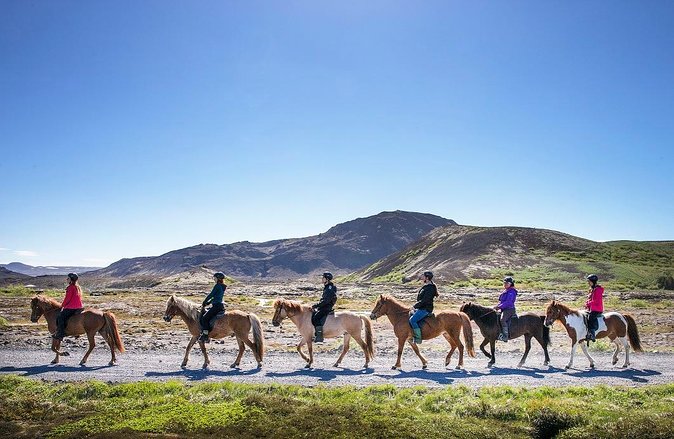
Icelandic horses are small, sturdy, friendly, and made for this terrain. On this ride from Ishestar’s stables, you follow an instructor through lava fields and moorland, with volcanic mountains and lakes around you. I especially like the chance to learn the tölt, a smooth four-beat gait, and the way the group is split by riding ability after the guides see how everyone handles the saddle.
I also like that beginners and experienced riders can share the outing without being forced into the same pace. The supplied warm overalls, rain gear, boots, and helmet are useful in Iceland’s fast-changing weather. The main drawback is that the ride can begin with a fairly large group, and you must be able to mount the horse from the ground without help from a mounting block.
Key Points Before You Book
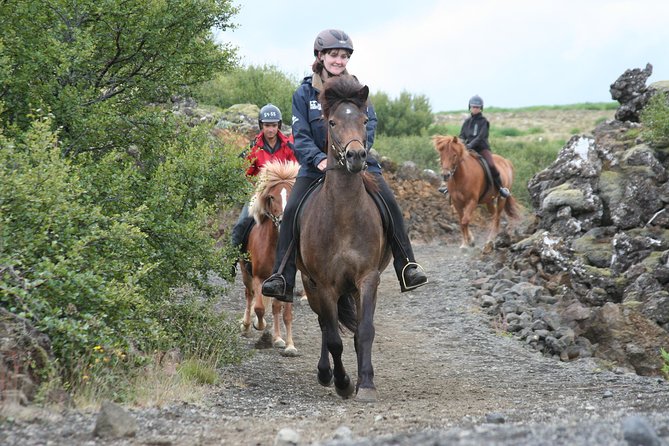
- Ride the Icelandic horse’s famous tölt: Stronger riders may get several chances to try this unusually smooth gait.
- Groups are sorted by ability: Beginners take an easier route, while intermediate and experienced riders can ride at a quicker pace.
- Lava-field scenery starts near Reykjavik: You get open moorland, volcanic ground, mountains, and lakes without giving up a full day.
- Warm gear is supplied: Helmets, rubber boots, rain gear, and warm overalls are available at the stables.
- Choose transport carefully: Pickup must be selected and pre-booked, and it may take place at a nearby Reykjavik bus stop.
- Plan around the riding limits: The minimum age is 7, the maximum weight is 110 kilograms or 240 pounds, and pregnant women cannot ride.
Why This Ride Feels Different from a Standard Trail Outing
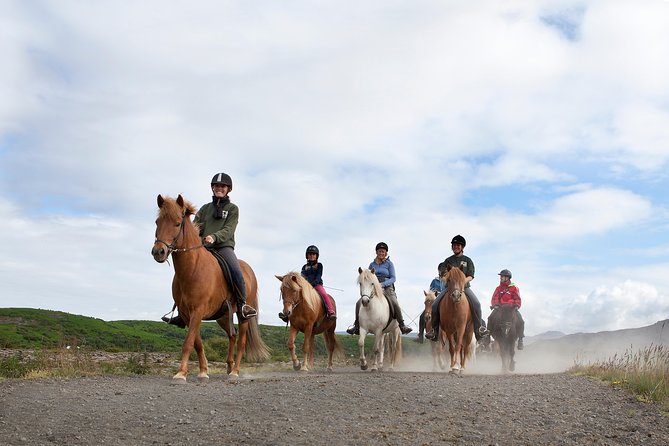
The Icelandic horse gives this outing its character. The breed descends from horses brought to Iceland by Viking settlers in the 10th century, and it has developed into a compact, tough animal suited to uneven ground and cool weather. You learn about the horses before riding, including their calm nature and different personalities.
The tölt is the feature many experienced riders look forward to. It is a four-beat gait that can feel smoother than a trot, especially on rough ground. You should not expect to master it instantly, but the instructor shows you how to encourage your horse into it once your group has settled into the ride.
I like that the focus is not only on speed. The horses are described as gentle and well trained, and the guides put safety first. That makes the outing approachable if you have not ridden in years or if this is your first time in a saddle.
The ride lasts about two hours, which is long enough to feel like a real outing rather than a quick photo stop. It is also short enough to fit around other Reykjavik plans, including a morning or afternoon schedule.
More riding around Reykjavík:
- Reykjavik: Red Lava Horse Riding Tour
★ 4.8 · 2,383 reviews - From Reykjavík: Icelandic Horse Riding Tour in Lava Fields
★ 4.7 · 1,356 reviews - Icelandic Horseback Riding Tour Including Pick Up from Reykjavik
★ 5.0 · 784 reviews
Starting at Ishestar’s Stables in Hafnarfjörður
The meeting point is Ishestar, at Sörlaskeið 26 in Hafnarfjörður, south of Reykjavik. If you arrange your own transport, you should arrive 30 minutes before the scheduled start. The activity ends back at the same stable.
A pickup option is available from selected points in Reykjavik. It is not automatically included with every booking, so check that you have chosen the pickup package. If your accommodation is not listed, contact the operator to find the nearest pickup point. You may be directed to a nearby bus stop rather than collected directly outside your hotel.
The drive from Reykjavik is short, with one pickup description putting it at roughly 15 to 20 minutes. That makes the excursion practical for visitors without a rental car. It also means you spend more of your morning or afternoon riding instead of sitting on a long transfer.
On arrival, you meet the instructor and explain your riding background. Be honest here. Someone who has ridden regularly will need different handling from someone who has never been on a horse, and the guides use that information along with their own observations.
Getting Ready for Icelandic Weather
Before mounting, you watch a short instructional video and receive the riding equipment. Helmets, rubber boots, rain gear, and warm overalls are provided. This matters in Iceland, where a clear start can turn wet and windy in a short time.
Wear practical clothes under the supplied gear. Avoid bringing expensive shoes, since stable areas and riding paths can be wet or muddy. You should also bring a hat or ear protection if you are sensitive to wind, though the provided helmet will cover most of your head.
Used riding gear from outside is not allowed on the tour or near the horses. This rule helps manage hygiene and keeps the stable routine consistent. Follow the staff’s instructions about where to change and where to leave personal items.
The weather policy is sensible but important. The activity requires suitable conditions, and a cancellation caused by poor weather results in a new date or a full refund. You can also cancel for a full refund if you do so at least 24 hours before the start time. Changes and cancellations inside that window are not accepted.
A Short Lesson Before the Trail
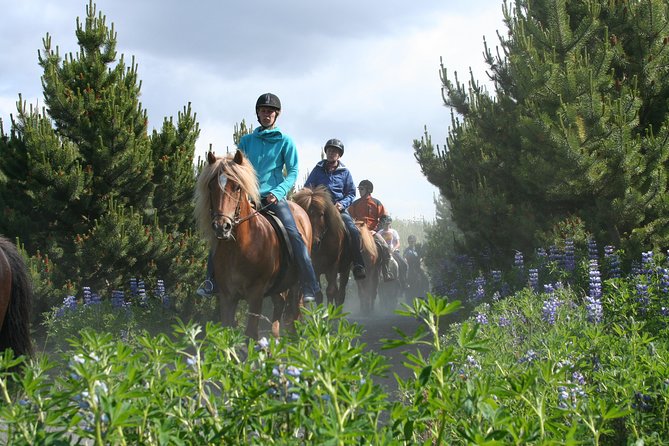
The first part of the outing is practical. You learn how to handle the reins, communicate with the horse, and ride safely in a group. The guides explain the animals and the area, then help you get settled in the saddle.
Every rider must be able to mount from the ground using their own strength. There is no mounting block, so this is not a minor detail. If mounting is difficult for you, ask about the requirement before booking rather than discovering it at the stable.
The horses are selected with ability in mind. A first-time rider may be paired with a calm horse that responds well to simple instructions, while a confident rider can receive a more forward-moving mount. One useful feature of this format is that families and friends with different levels can ride together at first.
The initial group may contain more than 20 riders, with the total tour capped at 30 people. Several guides may be present, and the group is reorganized soon after the ride begins. The early staging can feel busy, but it is part of how the stable works out the safest arrangement.
Same base, a different kind of day out:
- Reykjavik: Golden Circle Full-Day Tour with Kerid Crater
★ 4.8 · 24,485 reviews - Reykjavik Food Walk – Local Foodie Adventure in Iceland
★ 5.0 · 18,952 reviews - Iceland: Northern Lights Bus Tour from Reykjavik
★ 4.1 · 11,161 reviews - Reykjavík: South Coast Waterfalls, Black Sand & Glacier Tour
★ 4.8 · 11,030 reviews
Lava Fields, Moorland, Mountains, and Lakes
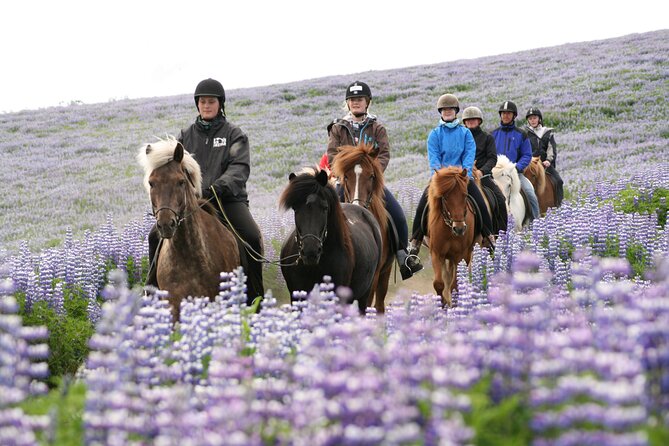
Once you leave the stable, the setting changes quickly. The route passes through lava fields and moorland, with volcanic mountains and lakes adding scale to the view. The ground and open sky make this feel like a distinctly Icelandic way to see the countryside.
The lava fields are not just a backdrop. They show the rough volcanic surface that has shaped much of the area around Reykjavik. From horseback, you move slowly enough to notice the textures, low plants, changing light, and dark rock.
Morning departures can offer especially attractive light. One early ride was scheduled at 10 a.m. and provided sunrise views, snowy flat mountains, pine trees, and lava fields. Exact light conditions depend on the season and weather, but an early time can make the outing feel quieter and more atmospheric.
The guide also shares information about the horses and the area as you go. This is one reason the ride works better than simply hiring a horse for an unsupervised outing. You get help with riding and some context for the ground beneath you.
Bring a phone or camera only if you can secure it safely. There are scenic places for photos, but you should keep both hands available when the horse or terrain requires attention. Wind and rain can also make handling a phone awkward.
How the Ability Groups Work
The group split is one of the strongest parts of the tour. After watching everyone ride, the guides divide people into beginner, intermediate, and experienced groups. Beginners follow a slower route over easier ground, while more confident riders can take a route with a faster pace or more demanding terrain.
Do not feel pressured to choose the fastest option. You can tell the instructor if you want to slow down or ride faster, and your comfort matters more than keeping up with another rider.
A beginner and an experienced rider can still attend together. The ride may separate them for part of the route, but the arrangement is more practical than making the whole party follow the least experienced person. Families have used the format successfully, including groups with parents, children, and adult riders at different levels.
The intermediate group may practice the tölt, while advanced riders can sometimes trot or canter. The exact pace depends on the people in your group, the horses, and the conditions that day. Do not book this expecting a guaranteed gallop. Book it expecting the possibility of a quicker ride if your ability and the situation allow it.
One caution: a single inexperienced rider can affect the pace of a faster group. That is normal on a shared ride. The guides are balancing enjoyment with safety, so the ride may not move as quickly as you hoped.
Warm Drinks and the Return to the Stable
After the ride, you return to Ishestar’s stable and can warm up with coffee, tea, or hot chocolate. This is a small but welcome finish, especially after rain or wind. It also gives you time to settle down before the return transfer or your next Reykjavik plan.
The provided gear is a practical benefit, but you should not treat it as a guarantee that you will stay perfectly dry. Icelandic weather can find its way into cuffs and collars, and sturdy personal layers still help. The warm drink is best viewed as a comfortable end to the outing rather than a full meal.
The stable setting also gives you another chance to see the horses up close. The experience begins with an introduction to the breed and ends with a better sense of the animals themselves, not just a ride through the countryside.
Is the $133 Price Good Value?
At about $133.02 per person, this is not the cheapest way to spend two hours near Reykjavik. The price makes more sense when you count the horse, instructor, riding equipment, optional transport, warm clothing, and post-ride drink.
Pickup is especially useful if you do not have a car. If you are already staying close to Hafnarfjörður or have your own vehicle, you may prefer the meeting-point option and compare the saving against the cost of getting there.
For an experienced rider, the value depends on how much faster riding you receive. The chance to practice the tölt and ride with a quicker group can make the price worthwhile, but the outing remains a guided group ride, not a private lesson or a full-day expedition.
For a beginner, the value is stronger. You receive instruction, a suitable horse, safety guidance, gear, and a route through scenery that would be difficult to experience on foot in the same way. The two-hour length also keeps the commitment reasonable.
The high overall rating and 96 percent recommendation rate fit the main strengths of the outing: friendly guides, calm horses, good organization, dramatic scenery, and useful protection from the weather. One negative account described some staff interactions as unfriendly, so service may not feel equally warm at every stage. The riding guides themselves are generally the people you spend the most meaningful time with.
Who Should Book This Ride?
I would recommend this for first-time riders, people returning to horses after a long break, and experienced riders who want to try the Icelandic tölt. It also suits families with children aged 7 and older, provided every child under 18 rides with an adult.
The tour works well for a mixed-ability group. You can share the transfer and the first part of the activity, then choose a pace that fits your confidence. It is also a strong choice if you want an outdoor activity close to Reykjavik without losing most of a day.
Think twice if you dislike wind, rain, mud, or animal-related activities. You also need moderate physical fitness, the ability to mount without assistance, and enough comfort in the saddle to manage changing ground.
The weight limit is 110 kilograms or 240 pounds. Pregnant women cannot ride because of the possible harm to unborn children. These are firm operating rules, so check them before paying.
Should You Book the Ishestar Ride?
Book it if you want a real encounter with Icelandic horses, volcanic scenery, and a guided ride that treats different abilities fairly. The best parts are the well-trained horses, the ability-based groups, the chance to try the tölt, and the supplied warm gear.
Choose the pickup option if you want the simplest plan from Reykjavik, and confirm the exact pickup point before departure. Arrive early, dress in layers, leave expensive footwear at the hotel, and be ready to mount from the ground.
I would not book it expecting a private, empty trail or a guaranteed fast ride. I would book it for the combination of Icelandic horses, lava fields, flexible pacing, and a manageable two-hour format. For many visitors, that is a fine way to add a genuine outdoor activity to a Reykjavik stay.
FAQ
Where does the horseback riding tour begin?
The tour begins at Ishestar Horse Riding Tours, Sörlaskeið 26, 220 Hafnarfjörður, Iceland. The activity ends back at the same meeting point.
Is pickup from Reykjavik included?
Pickup is available only with selected tour options and must be pre-booked. Pickup is offered from selected points in Reykjavik, and it may be from a nearby bus stop. If your hotel is not listed, contact the operator to find the nearest pickup point.
How long does the activity last?
The horseback riding experience lasts approximately two hours, not including any transfer time to or from Reykjavik.
Can beginners join?
Yes. You tell the instructor your ability level, and the guides divide the riders into beginner, intermediate, and experienced groups after watching everyone ride. Beginners follow a slower route over easier terrain.
What equipment is provided?
The stable provides helmets, rubber boots, rain gear, and warm overalls. Coffee, tea, or hot chocolate is also included after the ride.
What is the minimum age and maximum weight?
The minimum age is 7 years old, and children under 18 must be accompanied by an adult. The weight limit is 110 kilograms or 240 pounds.
Can I cancel for a refund?
You can cancel at least 24 hours before the experience start time for a full refund. Cancellations or changes made less than 24 hours before the start time are not accepted. If poor weather causes the operator to cancel, you will be offered another date or a full refund.
Just added in Reykjavík
- Reykjavík/Hella: Landmannalaugar Highlands Full-Day Trip★ 4.3 · 28 reviews
- Whale Watching in Reykjavik by Speedboat★ 4.8 · 77 reviews
- Midnight Sun ATV Adventure from Reykjavik★ 5.0 · 112 reviews
- Reykjavik: Midnight Sun Whale Watching Tour★ 4.6 · 286 reviews
- From Reykjavik: Landmannalaugar & Háifoss Waterfall Tour★ 4.8 · 314 reviews
- Airport Express Shared Departure Transfer from Reykjavik Hotels to Keflavik Airport★ 4.0 · 386 reviews
- Airport Transfer in Iceland from Reykjavik City to Keflavik Airport with Hotel Pick Up★ 4.0 · 332 reviews
- Small Group Husky Sledding Tour from Capital Region★ 5.0 · 171 reviews
Horse Riding Tours, compared.
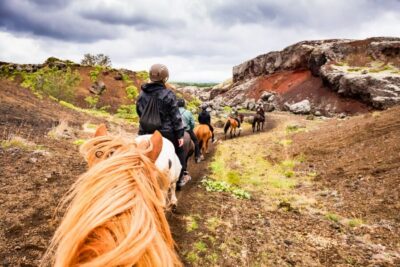
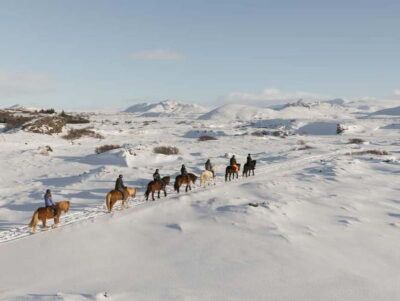
Icelandic Horseback Riding Tour Including Pick Up from Reykjavik
Read our review →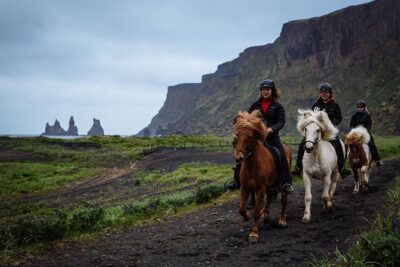
Browse the lists this tour appears in