
Reviewed · SNOWSHOEING & WINTER HIKES
Abisko: Wilderness Snowshoe Hike
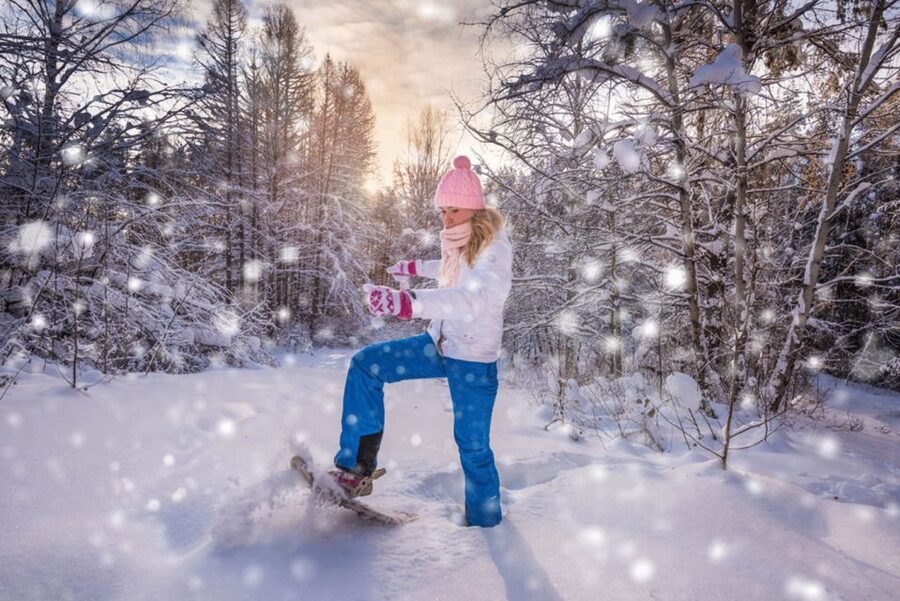
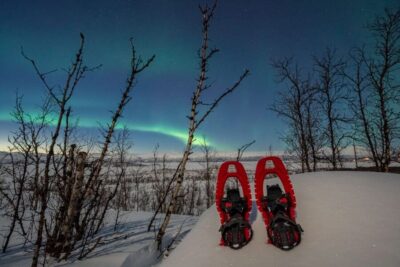
Abisko’s winter hush is the real star here. You strap on snowshoes, leave the packed paths behind, and walk through Arctic birch forest with mountain views opening around you. I like the small group of up to eight and the chance to look for tracks left by moose, fox, Arctic hare, and ermine. The hot drink at a scenic pause is a fine touch, too.
I also like that this is a manageable two-hour outing rather than an all-day test of endurance. Guides including Anne, Anna, Michelle, and Cecilia have been praised for clear instruction and patient help. The main consideration is wildlife: you may find plenty of tracks, but seeing a moose or fox is luck, not a promise.
Key points to know before you book
- A quiet route through Arctic birch forest: You get a close look at Abisko’s snowy backcountry rather than simply admiring it from a road or hotel window.
- Guides who shape the outing: Anne, Anna, Michelle, Cecilia, and Chad have all been singled out for friendly help, local nature information, and a calm approach.
- Two hours with a gentle level of effort: The route is described as easy by several participants, though walking in deep snow still takes work.
- Wildlife signs matter as much as sightings: Moose, fox, Arctic hare, ermine, and other animals may leave tracks even when they stay out of view.
- Useful extras included: Transfers, warm clothing, snowshoes, and hot beverages make this easier to arrange in cold weather.
- A practical Abisko starting point: Meet at the red-and-white building at Karvens väg 18, or use the stated pickup points near the main lodgings.
Why snowshoes are the right way to see Abisko in winter
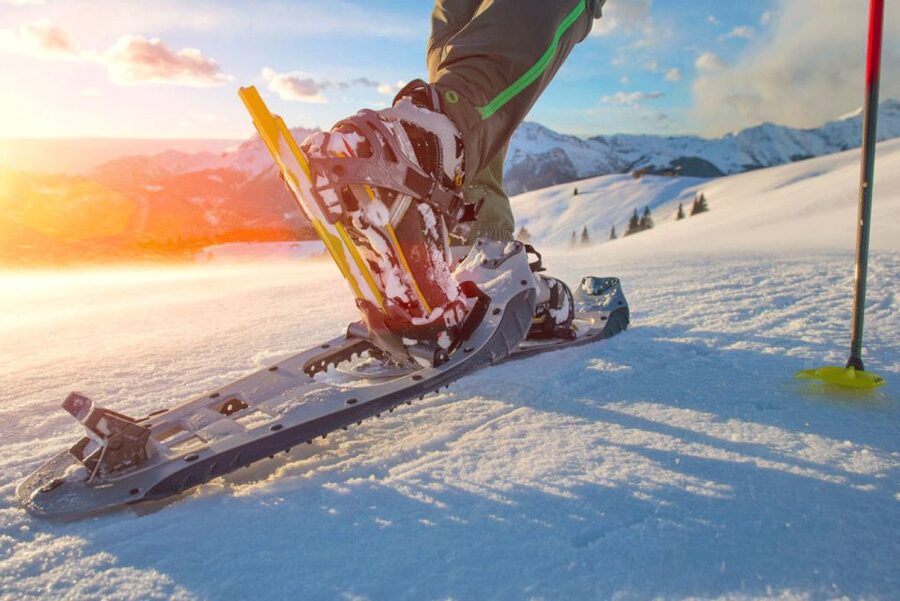
Snow turns ordinary walking into a nuisance. A deep drift can swallow a boot, while a firm trail may hide soft patches at the edge. Snowshoes spread your weight over a larger area, making it easier to cross powdery ground and reach viewpoints that are awkward on foot.
That does not make the walk effortless. You still lift your feet higher than usual, and the first few minutes can feel clumsy. Your guide should show you how to move, and the smaller group makes it easier to ask for help or adjust your pace.
The reward is a more direct connection with the winter setting. You are not only looking at white peaks and frozen ground from a distance. You are stepping through the forest, noticing animal tracks, broken branches, and changes in the snow. For many people, that simple act is the most memorable part of the afternoon.
More walks in the snow near Sweden:
- Abisko: Aurora Snowshoeing
★ 4.7 · 59 reviews - Rovaniemi: Hiking and Snowshoeing Adventure in Lapland
★ 4.4 · 753 reviews - From Tromsø: Snowshoeing Hike with Picnic Lunch and Photos
★ 4.8 · 637 reviews
The 14:00 start and the first steps into the forest
The outing begins at 14:00 and returns around 16:00. In the short winter daylight of northern Sweden, this timing matters. You get an afternoon activity without giving up the entire day, but you should arrive ready and on time.
The meeting point is the small red-and-white building at Karvens väg 18 in Abisko Östra. Look for the Activities in Abisko sign outside. It is about a 10-minute walk from Abisko.net and Abisko Mountain Lodge, and about five minutes from Abisko Guesthouse.
You need to arrive 15 minutes before departure. That gives the staff time to fit snowshoes, sort warm clothing, and make sure the group is ready before setting off. If you stay at STF Abisko Tourist Station, pickup is available at no extra charge 30 minutes before the start. From Abisko Mountain Lodge, Abisko.net Hostel and Huskies, pickup can be arranged at the Mountain Lodge parking lot 20 minutes before departure.
Once everyone is prepared, the guide leads the group into the snowy setting. The exact route can vary with conditions and the group, so you should not expect a fixed sightseeing circuit with a long list of formal stops. This is a nature walk, not a bus tour with a timetable at every bend.
What the forest walk feels like
The central experience is quiet movement through the Arctic birch forest. Birch trees give the setting a low, open character, and gaps in the trees can reveal views toward the mountains and lake. The scale changes as you walk. One moment you are focused on the snow beneath your feet; the next, you are looking across a broad white expanse.
Several outings have included regular trails as well as deeper snow. That combination is useful for first-time snowshoers. A firmer path lets you settle into the equipment, while softer snow gives you a better sense of why snowshoes are useful in the first place.
The effort is generally described as easy, with enough challenge to feel like an outdoor activity rather than a stroll between buildings. One outing included a climb toward Stor Nabben after the group asked for it. That suggests the route can sometimes respond to the group’s interests, but you should not book this expecting a guaranteed summit hike or a particular viewpoint.
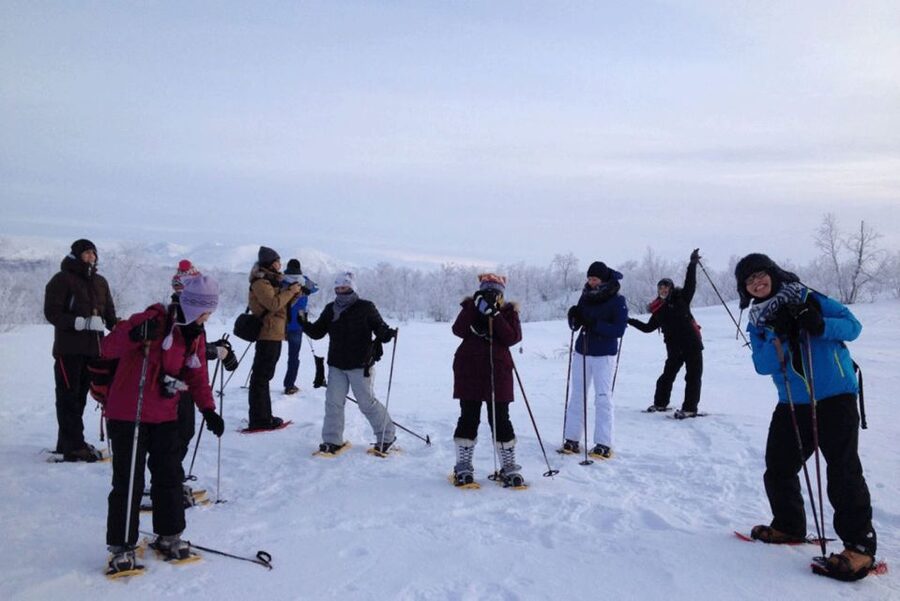
Your guide controls the pace and helps you move safely. Michelle has been praised for patient instruction and a careful manner. Cecilia was described as calm and reassuring, while Anna has been credited with taking photographs and helping participants notice details in the forest. These personal touches matter when you are learning new equipment in cold conditions.
Wildlife tracks, not a guaranteed animal show
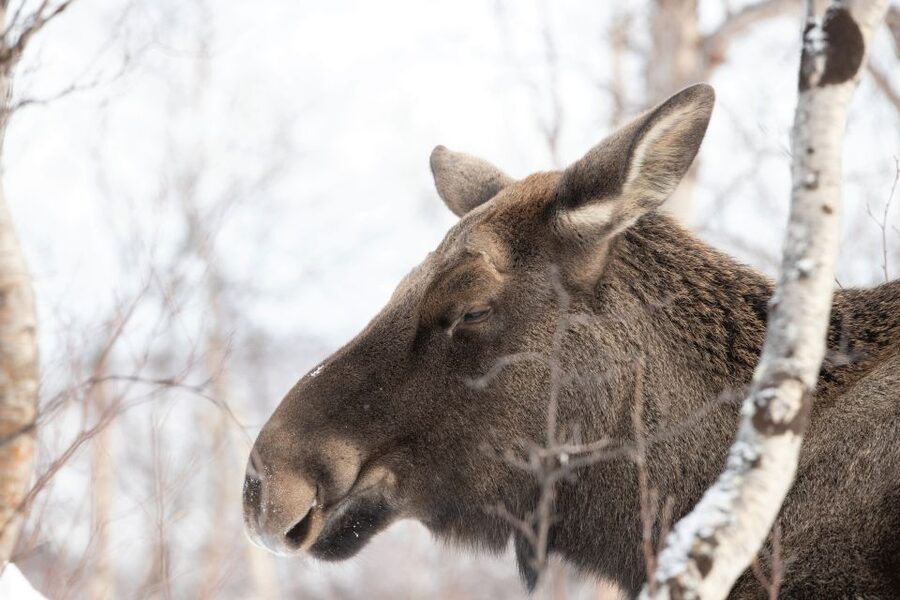
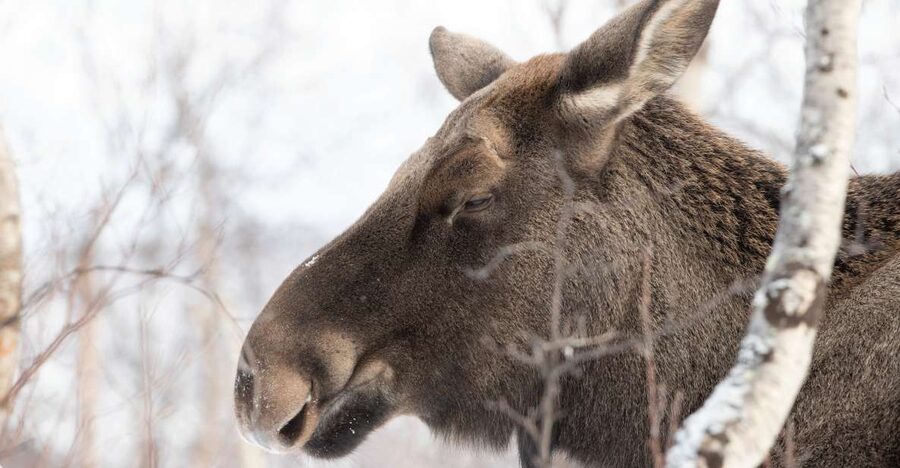
Abisko is a good place to pay attention to signs in the snow. The outing may reveal tracks from moose, foxes, Arctic hare, ermine, and other native animals. You might see an animal itself, but the more realistic aim is to learn how to read the ground.
Moose have been seen during some walks, which can be a thrilling surprise. Other outings found many tracks but no living animals. That is normal. The guide can point out prints, trails, disturbed snow, or other clues, but wild creatures do not follow a schedule.
This is one reason I prefer the track-reading angle. It keeps the activity rewarding even when the forest is empty of visible animals. You are learning how wildlife uses the area rather than waiting for a staged encounter.
If animals are your main reason for booking, keep expectations in check. The strongest case for the trip is the combination of snowshoeing, scenery, and natural signs. A moose sighting is a fortunate bonus.
A few more things to do in Sweden worth a look
- Abisko National Park: Scenic Morning Hike with Transfer
★ 4.7 · 172 reviews - Skaftafell: Ice Cave Tour and Glacier Hike
★ 4.5 · 1,746 reviews - Skaftafell National Park: Falljokull Glacier Easy Hike
★ 4.7 · 1,370 reviews - Reykjavik: Glacier Hike, Waterfalls and Black Sand Beach
★ 4.8 · 1,285 reviews
Mountain and lake views along the route
The views are a major strength of the outing. The scenery around Abisko can feel vast, especially after the close quarters of the birch forest. Snow softens the ground, while the mountain shapes and lake provide a clear sense of place.
One route offered broad views of the lake, and another climbed toward Stor Nabben for a wider panorama of Abisko. You should have time to stop for photographs rather than being pushed along. A guide may also take photos for you, which is helpful when gloves and cold fingers make phone handling awkward.
Weather will shape the experience. On a clear afternoon, the views can be the highlight. In cloud, wind, or falling snow, the walk becomes more about the forest, silence, and tracks. The activity can still work in less-than-perfect weather, but the mountain outlook may be limited.
The short duration helps here. Two hours gives you enough time to get beyond the immediate village area, while keeping the exposure to cold manageable. If you want a full-day winter trek, this is not it. If you want a focused afternoon outside, the length is sensible.
Warm clothing, footwear, and the comfort factor
Warm clothing is included, which takes some pressure off packing for a northern winter. The activity also includes transfers and hot beverages. A warm drink during the break is more than a nice extra when the temperature drops. It gives you a reason to stop, warm your hands, and enjoy the view without rushing.
You still need the right footwear. Waterproof shoes are specifically recommended, and this is the most important item to bring. Snow can work its way over the top of a boot or soak footwear during a deep-snow section. Wet feet can spoil an otherwise excellent outing quickly.
Wear suitable winter layers under the provided clothing, and keep your hands and head well covered. The supplied information specifically requires waterproof shoes, so treat that as a real condition rather than a casual suggestion.
The guides have added small comforts on some outings, including hot drinks, biscuits, and chocolate. These are not the reason to book, but they help turn a cold pause into a pleasant one. The overall setup is practical: equipment and warm clothing are handled for you, while you bring the shoes and personal layers that keep you dry.
Guide quality and the small-group advantage
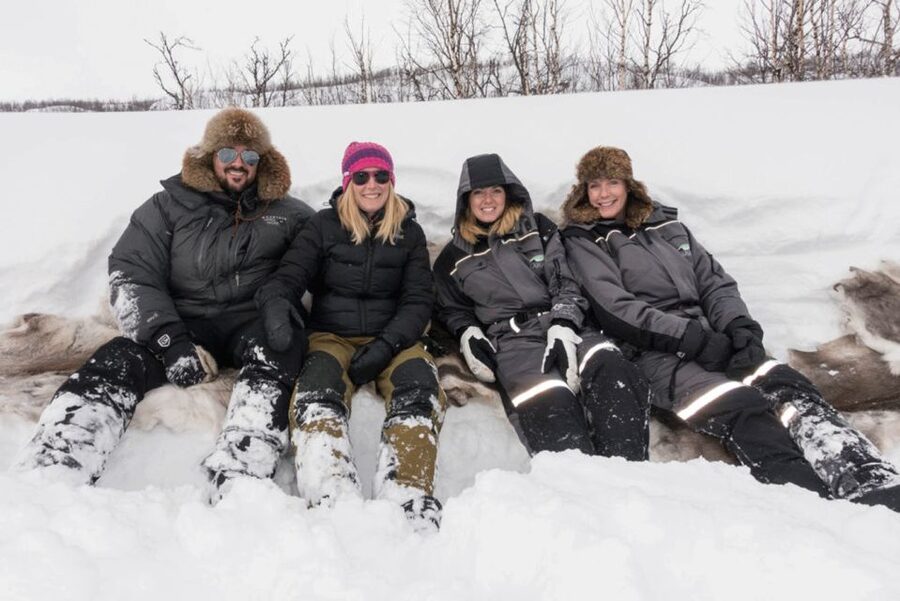
The experience is conducted in English, with a maximum of eight participants. That size is large enough to feel social but small enough for the guide to keep an eye on everyone.
The guides receive especially strong praise for their manner. Anne has been described as friendly, caring, and well informed about the area. Anna has helped participants spot wildlife signs, taken photographs, and adjusted the outing when the group wanted to climb toward Stor Nabben. Michelle has been noted for patient instruction, enthusiasm, and careful guidance. Cecilia has created a calm atmosphere and made the walk feel safe. Chad has gone out of his way to help recover a phone lost in the snow.
You should not assume every guide will provide the same level of natural-history detail. One participant wanted more information about the area and animals. That is a useful caution if your priority is a full ecology lesson. The guides clearly focus on practical support and a pleasant walk, but the amount of interpretation may vary.
The small group helps balance that uncertainty. You can ask questions directly, request a slower pace, and get help with your snowshoes without holding up a large crowd.
Is $88 a fair price?
At $88 per person, this is not the cheapest way to walk in Abisko. You can explore some local paths independently for little or no extra cost. The price makes more sense if you need equipment, warm clothing, transport, guidance, and a planned route.
You are paying for more than two hours of walking. The package includes transfers, snowshoes, warm clothing, hot beverages, and an English-speaking guide. For a visitor who has not packed specialist winter gear, those inclusions can save both money and luggage space.
The value is strongest for first-time snowshoers and people staying briefly in Abisko. You get a compact introduction to winter walking without buying equipment or guessing which route is safe and worthwhile. If you already own snowshoes, warm clothing, and good local route knowledge, the price may feel less attractive.
The rating is very strong, at 4.8 from 94 reviews, but the practical value still depends on what you want. Book it for guided access, comfort, views, and a chance to read wildlife tracks. Do not book it solely for a guaranteed moose sighting or a demanding mountain ascent.
Who will enjoy this two-hour outing most?
This suits adults and children aged eight and older who want an active way to see Abisko in winter. It is a good match for couples, families with older children, and small groups of friends who want something more engaging than a viewpoint reached by car.
It also works well as a first snowshoe experience. The route is generally considered easy, and the guide provides instruction. You will still need reasonable comfort walking in snow for two hours, but this is not presented as an extreme expedition.
Photographers should like the pauses and open views. The timing, mountain outlooks, lake views, and possibility of guide-taken photos give you plenty to look for. Nature fans will appreciate the tracks, even if animals remain hidden.
I would be more cautious about booking if you want a long, strenuous hike, a guaranteed animal encounter, or a detailed natural-history lecture. The activity is a friendly introduction to Abisko’s winter outdoors, not a specialist wildlife safari.
Booking details worth keeping handy
You can cancel up to 24 hours before the start for a full refund, and you can reserve now and pay later. That flexibility is useful in Arctic winter, when weather and transport plans can shift.
Children under eight cannot join. The language is English, and the group is limited to eight people. Bring waterproof shoes, arrive 15 minutes early, and check the pickup time carefully if you are staying at one of the listed accommodations.
Should you book the Abisko snowshoe hike?
I would book this if you want a short, well-supported introduction to Arctic winter walking. The combination of snowshoes, birch forest, mountain and lake views, animal tracks, warm clothing, and hot drinks gives you a lot in two hours.
The best reason to choose it is the balance. You get genuine time outdoors without committing to a full-day trek, and the guides appear especially good at making beginners feel comfortable. Just keep wildlife expectations realistic and bring truly waterproof shoes.
FAQ
How long does the snowshoe hike last?
The activity lasts two hours. It starts at 14:00 and returns at around 16:00.
Where does the hike begin?
Meet at the small red-and-white building at Karvens väg 18 in Abisko Östra. An Activities in Abisko sign is outside the building.
How early should I arrive?
You should arrive 15 minutes before the scheduled start time.
Is pickup available from local accommodations?
Yes. Pickup is available at no extra charge from STF Abisko Tourist Station 30 minutes before the start. Guests at Abisko Mountain Lodge, Abisko.net Hostel and Huskies can choose pickup from the Abisko Mountain Lodge parking lot 20 minutes before the start.
What is included in the price?
The price includes transfer, warm clothing, and hot beverages. Snowshoe equipment is used for the activity.
What should I bring?
Bring waterproof shoes. This is specifically recommended to keep your feet dry in the snow.
Is the activity suitable for young children?
Children under eight are not permitted to join.
What language is the tour conducted in?
The live guide conducts the activity in English.
How large is the group?
The group is limited to eight participants.
Can I cancel the booking?
Yes. You can cancel up to 24 hours in advance for a full refund. You can also reserve your place and pay later.
More National Parks in Sweden
- Rovaniemi: Small-Group Northern Lights Wilderness Tour
★ 4.3 · 1,515 reviews - Skaftafell National Park: Falljokull Glacier Advanced Hike
★ 4.8 · 1,083 reviews - Rovaniemi: Guided Wilderness Snowmobile Ride
★ 4.7 · 741 reviews - From Helsinki: Nuuksio National Park Half-Day Trip
★ 4.8 · 688 reviews
Just added in Sweden
- Abisko/Björkliden: Panorama Snowmobile Tour with Snacks★ 4.9 · 60 reviews
- Abisko: Great Outback Snowmobile Tour with Lake Abiskojaure★ 5.0 · 24 reviews
- Abisko: Fjord Sightseeing and Photography Tour★ 4.8 · 48 reviews
- Abisko: Snowmobile Sightseeing Tour★ 4.9 · 43 reviews
- Abisko: Aurora Snowshoeing★ 4.7 · 59 reviews
- Gothenburg: 24 Hour Hop On–Hop Off Bus and Boat Tour★ 4.3 · 37 reviews
- Gothenburg: Go City All-Inclusive Pass with 20+ Attractions★ 3.8 · 222 reviews
- Abisko: Aurora Chasing with Snowmobiles★ 4.6 · 113 reviews
Snowshoeing & Winter Hikes, compared.
Guided Husky Snowshoe Hike and Husky Camp Visit
Read our review →
Tromso Snowshoeing – Valley, Fjord Views, Wildlife, Meal & Pickup
Read our review →
Browse the lists this tour appears in