
Reviewed · BLUE LAGOON & GEOTHERMAL SPA VISITS
Hellisheiði Geothermal Exhibition: Entry and Audio Tour
Hellisheiði turns a working power plant into an easy-to-follow lesson in how Iceland uses heat beneath the earth. Set below Mount Hengill, the exhibition explains the route from underground steam and hot water to electricity, heating, and climate research.
I like the self-paced format, which lets you linger over the production process instead of being pushed from display to display. I also like the Carbfix room, where the tour connects geothermal power with carbon storage and the wider climate problem. The main drawback is simple: there is no employee-led tour, so you must use the audio guide and interactive displays to make sense of the plant.
Key points to know before you go
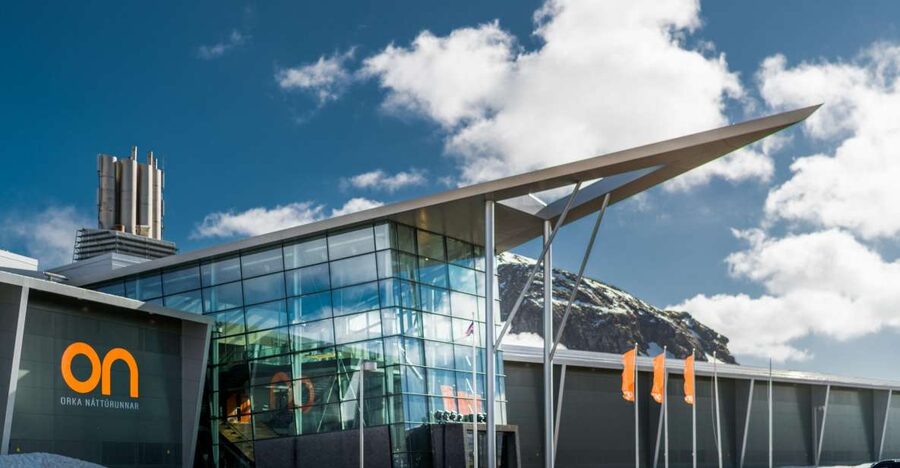
- See a working geothermal plant: Hellisheiði is described as the world’s largest single-site geothermal power plant.
- Start with Stop 9: The Production Process section gives you the clearest overview of how the plant works.
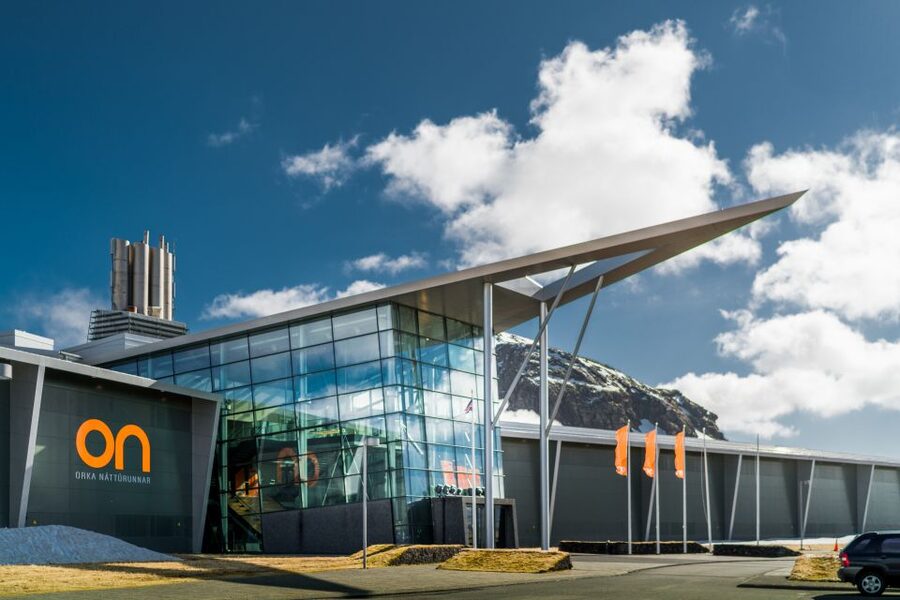
- Use your own phone: The audio tour runs on Android and iOS, and you should bring headphones and a charged smartphone.
- Plan about an hour or more: You can stay as long as you like after entering, though the official ticket is valid for one day.
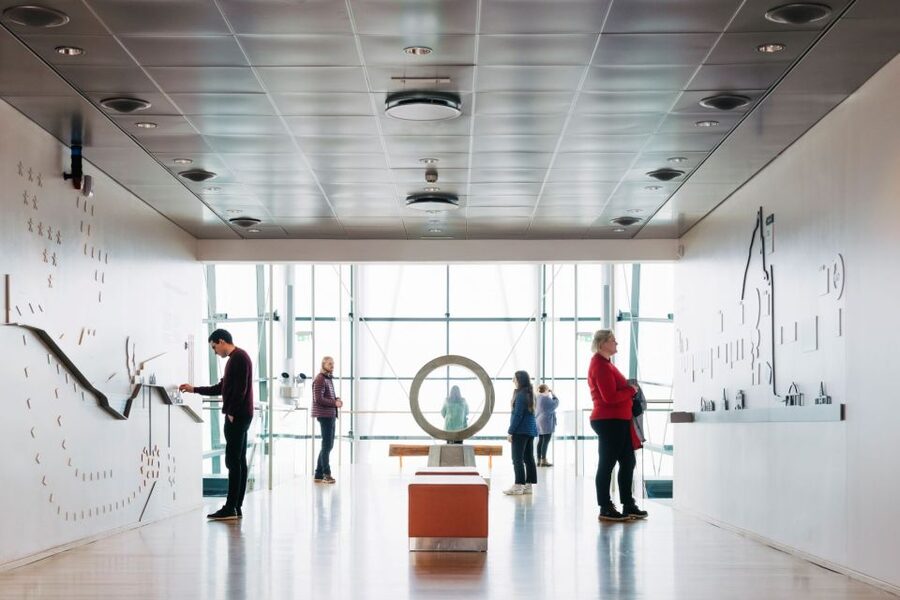
- Look for Mount Hengill views: Indoor viewing platforms frame the surrounding lava fields, moss, and mountains.
- Expect an educational visit, not a guided plant tour: There is no hardhat, safety vest, or escorted walk through the machinery.
Why Hellisheiði is worth a stop near Reykjavík
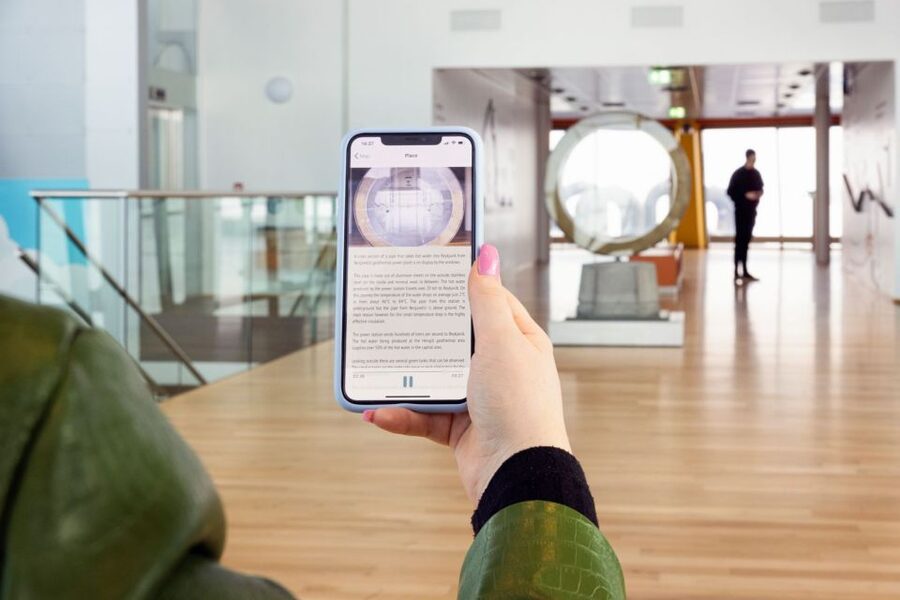
Iceland’s geothermal power is easy to take for granted. Hot water flows from taps, homes are heated, and electricity is produced with little visible fuss. Hellisheiði shows you the industrial work behind that clean-looking result.
The plant sits beneath Mount Hengill, in a setting of lava fields, moss, and mountain scenery. That location matters. You are not studying geothermal energy in a city museum. You are beside the place where Iceland draws heat from below the earth and puts it to practical use.
The exhibition is close enough to Reykjavík to fit into a half-day drive or a wider South Iceland route. It is also a useful stop when weather makes outdoor sightseeing less appealing. You can learn indoors, then use the viewing platforms to look back toward the volcanic country that powers the exhibition’s story.
At $21 per person, the visit is not a throwaway attraction, but it offers more than a quick room with a few signs. Interactive displays, films, audio commentary, and the Carbfix section give you enough material to justify the fee, especially if science, engineering, energy, or environmental policy interests you. If you only want dramatic scenery, the exhibition may feel less essential.
More warm water near Iceland:
- Reykjavik: Sky Lagoon Entrance Pass With 7-Step Spa Ritual
★ 4.8 · 6,166 reviews - From Reykjavik: Golden Circle, Kerid, & Secret Lagoon Tour
★ 4.8 · 6,009 reviews - Small-Group Golden Circle, Blue Lagoon with Ticket & Kerid Crater
★ 5.0 · 5,631 reviews
Begin with the Production Process at Stop 9
The best way to approach this exhibition is to find Stop 9, marked Production Process, early in your visit. That section explains the industrial chain that makes the rest of the displays easier to understand.
You learn how the plant uses heat from the earth to produce energy and hot water. The value here is not just seeing equipment or pressing buttons. It is understanding the sequence of work, research, engineering, and investment required to turn underground heat into a dependable public resource.
Once you understand that basic process, the other displays have more meaning. You can connect the plant’s machinery with Iceland’s use of geothermal energy and see why the system is important beyond this one location.
The production section is also where the self-guided format asks more from you. An employee can respond to confusion as it happens, but an audio guide cannot always tell when you have missed a step. Spend extra time here, replay sections if needed, and do not rush simply because the exhibition is quiet.
Interactive displays make the science easier to follow
The exhibition uses interactive displays and audio commentary to explain a subject that can become technical fast. You do not need an engineering background to begin, but some displays may reward patience.
The interactive approach is especially useful for families and school-age children. A younger child may enjoy the buttons, screens, and visual material without grasping the full process. Adults and teenagers can follow the more complex parts, while children may need help from an adult to connect each activity to the larger story.
The films and audio content add another layer. The audio guide is available in English and Icelandic, and it runs through an Android or iOS device. Bring your own headphones and make sure your phone is charged before arriving. Those two small preparations matter because the audio is central to the visit.
The audio commentary is generally clear and easy to follow, but it may feel somewhat disjointed if you move through the exhibition in an unusual order. This is another reason to begin with the production process and then work through the displays at a steady pace.
The Carbfix room connects power with climate action

The Carbfix section gives the visit a broader purpose. Instead of treating geothermal power as a finished solution, it shows how the plant is connected to work on carbon dioxide and global warming.
Carbfix is presented as a leading climate solution developed in partnership with the plant. The exhibition explains that connection inside a dedicated room, making it one of the most useful stops for anyone interested in environmental policy or new energy technology.
I like this part because it keeps the visit from becoming a simple celebration of Icelandic efficiency. Geothermal energy is a major resource, but climate work still involves difficult questions about emissions and long-term impact. The Carbfix display adds that second layer.
The material may be most rewarding for adults, university students, and anyone working in science or sustainability. One science teacher found the displays useful enough to share with students, which makes sense: the exhibition gives you concrete examples instead of leaving climate issues at the level of slogans.
A few more things to do in Iceland worth a look
- Reykjavik: Perlan Museum Wonders of Iceland Entrance Ticket
★ 4.7 · 2,575 reviews - Reykjavík: Hop-On Hop-Off Bus and Perlan Museum Entry Ticket
★ 4.3 · 719 reviews - Reykjavik: Whales of Iceland Museum Entrance Ticket
★ 4.4 · 493 reviews - Reykjavík: National Museum of Iceland Entry Ticket
★ 4.4 · 432 reviews
Use the viewing platforms for Mount Hengill scenery
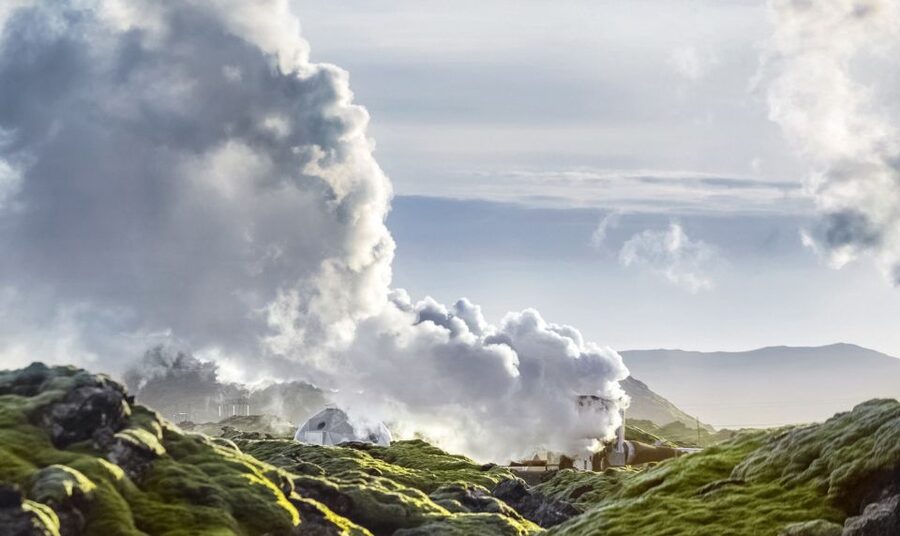
The indoor viewing platforms let you look out across the surrounding scenery. You may see lava fields, moss, and the mountains around Mount Hengill, depending on conditions.
This is a small but important part of the visit. The views remind you that geothermal energy is not an abstract power source hidden behind a wall of machinery. The plant is tied directly to Iceland’s volcanic geology.
The platforms also break up the technical displays. You can pause, look outside, and return to the audio tour with a clearer sense of place. If you are traveling with family members who are less interested in energy systems, the scenery gives them another reason to enjoy the stop.
Do not expect an outdoor plant tour or close-up access to the machinery. The exhibition offers viewing platforms inside, not an escorted walk through the operating facility. One possible disappointment is that you will not receive a hardhat, safety vest, or special access to the massive equipment.
Self-guided touring gives you control, with limits
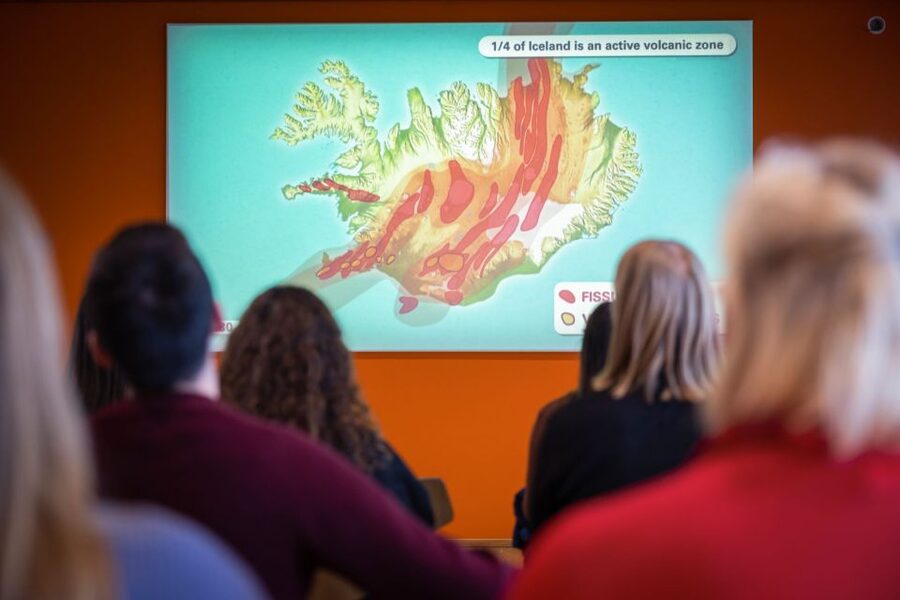
There is no tour guide leading a fixed group. You enter with your ticket, collect the audio experience on your device, and move through the displays at your own pace.
I like this arrangement for a technical exhibition. You can spend several minutes on a difficult display, skip material that feels familiar, or pause for photos and views without holding up a group. The flexible start times also make it easier to fit Hellisheiði around driving and weather.
On-site staff are available for questions, and the reception team can help you get started. Staff members, including Antonia, have been helpful when visitors needed an explanation or had questions about the plant.
Still, staff support is not the same as a guided tour. If you want a person to lead you through every stage, this experience may leave you wanting more. The plant continues to operate, but the ticket does not promise access inside the working areas. Think of Hellisheiði as an exhibition beside an operating facility, not as a hardhat tour of the plant floor.
How long to allow for the visit
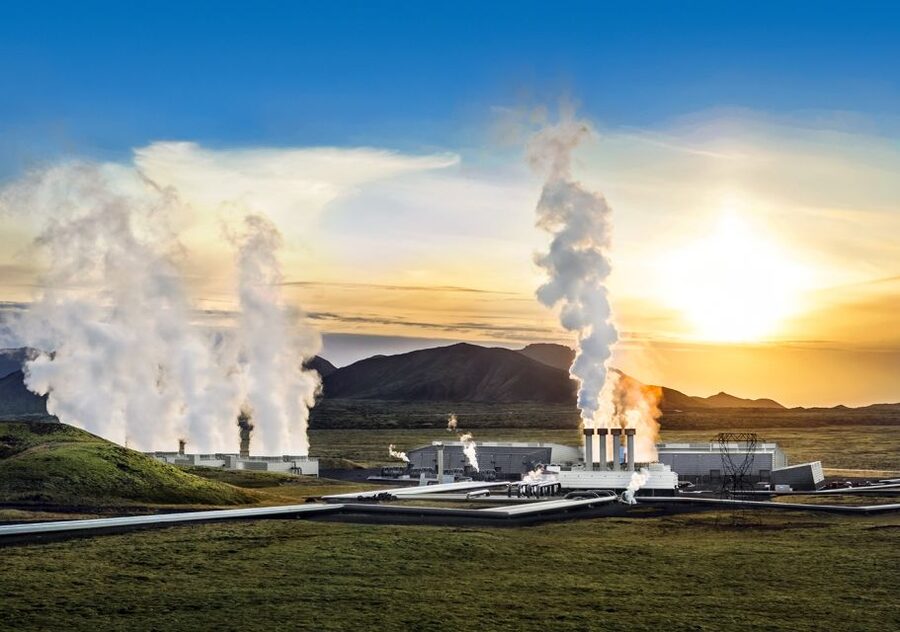
The ticket is valid for one day, and the start time is flexible within the opening hours. You are welcome to stay as long as you like after entering.
A visit of about an hour is a reasonable starting point. That gives you time to follow the main audio material, watch some of the films, and see the interactive displays without rushing. Add time if you want to read everything, repeat audio sections, or spend longer at Stop 9 and the Carbfix room.
Opening hours change with the season:
- November 1 through March 31: 9 AM to 4 PM
- April 1 through October 31: 9 AM to 5 PM
Check the day’s availability before setting out, particularly in winter. The flexible start does not mean the exhibition is open at every hour of the day.
Because you can stay after entering, Hellisheiði works well as a planned stop on a driving day. It also gives you a useful indoor option when rain, wind, or low cloud makes outdoor sightseeing less pleasant.
Getting there and preparing your visit
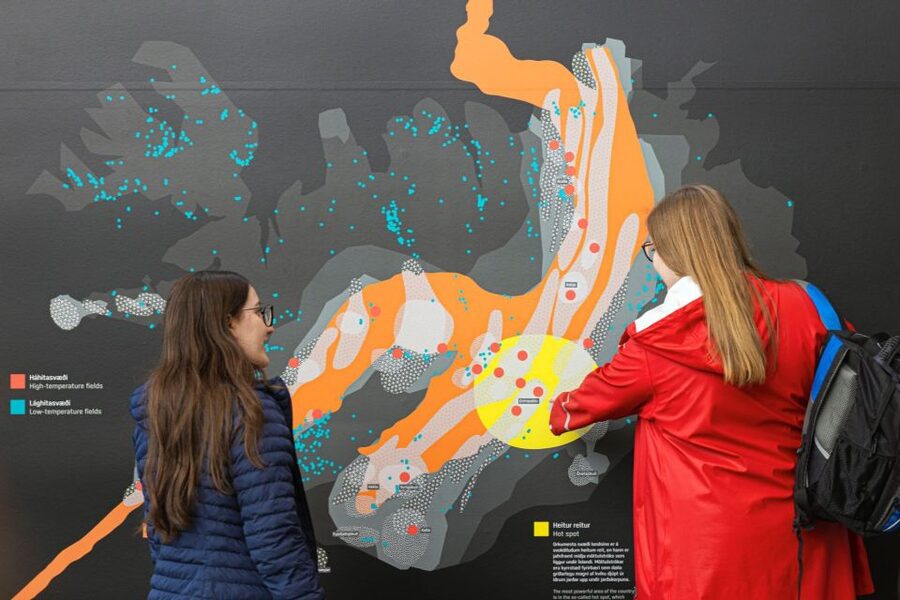
The meeting point is the entrance to the Geothermal Exhibition at Hellisheiðarvirkjun, 801 Selfoss, Iceland. The plant is roughly 20 minutes from Reykjavík, and free parking is included.
You go directly to the entrance with your ticket. There is no separate guide meeting point or group departure to find, which keeps arrival simple.
Bring:
- A charged smartphone
- Headphones
- Your admission ticket
Food and drinks are not included, though they are available to purchase on-site. Wheelchair access is available, which makes the exhibition practical for visitors who need an accessible attraction during a driving route.
The location is in Iceland’s Southern Region, but the short distance from Reykjavík makes it particularly easy to add before or after other stops. The surrounding scenery is part of the appeal, so allow a few minutes outside the exhibition if conditions are comfortable.
Is $21 good value?
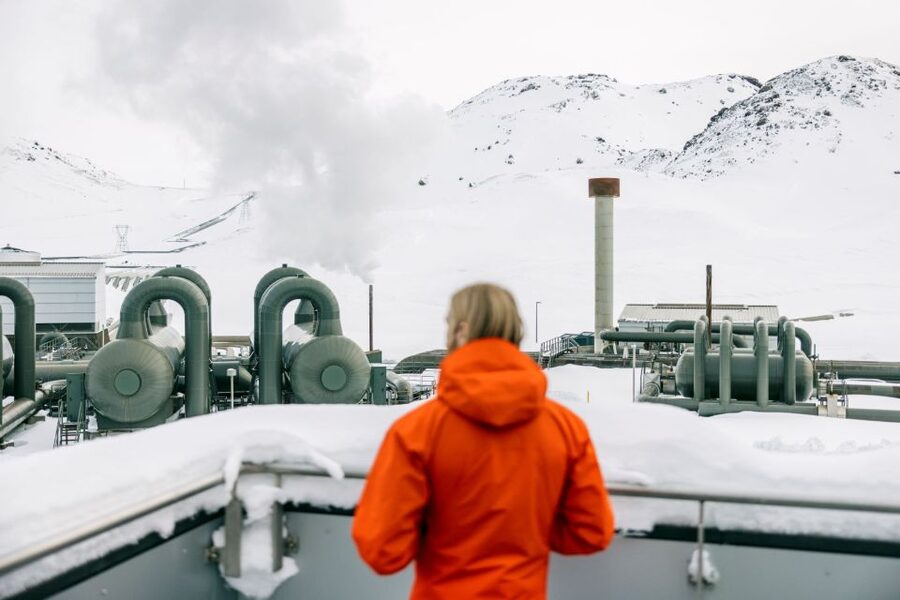
At $21, Hellisheiði is fairly priced for a specialized exhibition with interactive material, audio content, films, parking, and access to a major working energy site. The value is strongest when you spend enough time to understand the process rather than treating it as a quick photo stop.
I would call it good value for anyone interested in science, technology, energy, engineering, or environmental issues. It is also a useful educational stop for families, though children may need an adult to explain the more complex ideas.
The value is less certain if your Iceland plans focus only on waterfalls, glaciers, beaches, and viewpoints. The exhibition is informative rather than thrilling, and the machinery is not presented as a behind-the-scenes plant tour. You are paying for explanation and context, not a dramatic ride or a close encounter with industrial equipment.
Free parking and the ability to stay as long as you like help. So does the flexible arrival time. You are not locked into a one-hour departure or a group schedule.
Who will enjoy Hellisheiði most?
I would recommend this stop to:
- Adults who want to understand Iceland’s energy system
- Families with older children and teenagers
- Science and technology teachers
- Visitors interested in sustainability and carbon storage
- Anyone driving near Reykjavík or through the Southern Region
- People who prefer quiet, self-paced attractions
It is less suited to someone who wants a live guide, a short outdoor walk, or direct access to the plant’s largest machinery. The audio guide is helpful, but it cannot answer every follow-up question in the way a dedicated guide can.
The exhibition works particularly well for mixed groups. One person can focus on the audio and displays while another enjoys the views from the platforms. You do not have to follow every section at the same pace.
Book it or skip it?
Book Hellisheiði if you want to understand how Iceland turns geothermal heat into electricity and hot water, and if the Carbfix connection interests you. Start at Stop 9, bring headphones, and give yourself about an hour or more.
Skip it if your main goal is an escorted tour inside the plant or close-up photographs of industrial equipment. You will see a thoughtful, interactive exhibition beside a working facility, but not a hardhat walk through the machinery.
For the right visitor, this is one of the more useful educational stops near Reykjavík. It connects Iceland’s volcanic setting with everyday energy use, then asks you to think about the next climate problem. That makes the $21 fee worthwhile, provided you take time with the displays instead of simply passing through.
FAQ
Where is the Hellisheiði Geothermal Exhibition?
It is at Hellisheiðarvirkjun, 801 Selfoss, Iceland, in Iceland’s Southern Region. The plant is roughly 20 minutes from Reykjavík.
How much does admission cost?
The listed price is $21 per person.
How long does the visit take?
The ticket is valid for one day, and you can stay as long as you like after entering. Plan about an hour as a practical starting point, with extra time if you want to study the displays closely.
Is the tour guided by an employee?
No. This is a self-guided audio tour. On-site staff are available if you have questions, but there is no included employee-led tour.
What languages are available?
The host or greeter is available in English and Icelandic. The audio guide is also available in English and Icelandic.
Do I need to bring headphones?
Yes. Headphones are listed as an essential item because the audio tour is used on your own device.
Can I use my own phone for the audio guide?
Yes. The audio guide is available for Android and iOS. Bring a charged smartphone.
Is parking included?
Yes. Free parking is included with the experience.
Is the exhibition wheelchair accessible?
Yes, the experience is wheelchair accessible.
What are the opening hours?
From November 1 through March 31, the hours are 9 AM to 4 PM. From April 1 through October 31, the hours are 9 AM to 5 PM.
Can I buy food and drinks there?
Food and drinks are not included in the ticket, but they are available to purchase on-site.
Can I cancel my booking?
Yes. You can cancel up to 24 hours in advance for a full refund. You can also reserve now and pay later, subject to the booking terms.
Just added in Iceland
- Beer Spa Experience★ 4.0 · 29 reviews
- The Wool Monster Workshop – make your own souvenir!★ 5.0 · 32 reviews
- Self-Guided Tour of Ísafjörður: Art, History, and Architecture★ 5.0 · 23 reviews
- Jökulsárlón: Blue Ice Cave and a Long Glacier Hike★ 5.0 · 50 reviews
- The Original Ice Cave Tour in Jökulsárlón Glacier Lagoon★ 5.0 · 185 reviews
- Eimverk Distillery Visit★ 5.0 · 315 reviews
- Ice Cave and Glacier Walk into Blue Glacier Canyon★ 5.0 · 224 reviews
- Frozen Wonders : Small Group Ice Cave Tour★ 5.0 · 358 reviews
Blue Lagoon & Geothermal Spa Visits, compared.
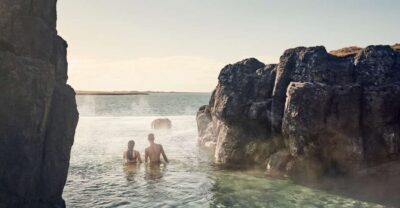
Sky Lagoon Entrance Pass With 7-Step Spa Ritual
Read our review →
Small-Group Golden Circle, Blue Lagoon with Ticket & Kerid Crater
Read our review →
Blue Lagoon: Admission Package with Drink, Towel, and Mask
Read our review →
Golden Circle, Kerid Crater, & Blue Lagoon Tour
Read our review →
Sky Lagoon Entrance Ticket Including 7-Step Ritual
Read our review →Browse the lists this tour appears in