
Reviewed · WALKING TOURS
Helsinki: Architecture Walking Tour with Expert
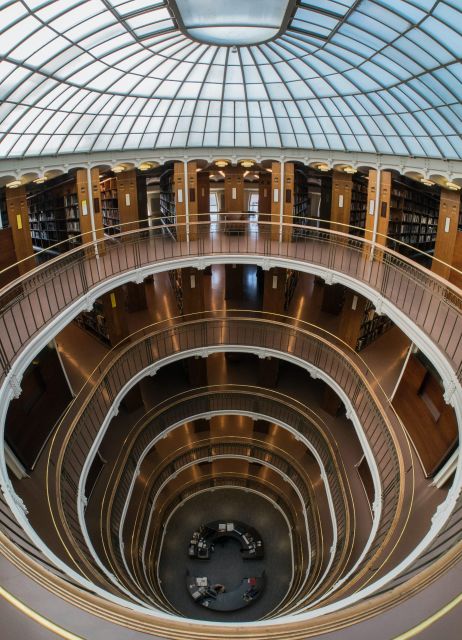
Helsinki packs an unusually wide range of building styles into a compact city center. In three hours, this small-group walk connects Neoclassical Senate Square with Art Nouveau, Nordic classicism, functionalism, and today’s modern public architecture. Guide Emek explains not just who designed each building, but why it looks the way it does.
I like the tour’s small limit of six people, which gives Emek room to adjust the discussion to your interests. I also like the way architecture is tied to Finnish society, politics, climate, and everyday life rather than treated as a list of dates and architects.
The main consideration is the walking. You cover about 3 to 4 miles, or 5 to 6 kilometers, and tours operate in all weather. Helsinki can be very cold, wet, or windy, so good shoes and sensible clothing matter.
Key points to know before you book
- See several centuries of design in one city center walk, from Engel’s Neoclassical buildings to Aalto’s modern work and the public library Oodi.
- Guide Emek brings architecture into daily life, explaining how Finnish culture, politics, climate, and social changes shaped the buildings around you.
- Small groups are limited to six people, making it easier to ask questions and easier for the guide to tailor the route.
- Indoor stops help in difficult weather, with visits that can include the National Library, Central Railway Station, and other notable interiors.
- Plan for 3 hours and 5 to 6 kilometers of walking, with no promise of sunshine because the tour runs year-round.
- The $70 price buys interpretation, not transport or food, so the value depends on how much you want to understand what you are seeing.
Why Helsinki works so well for an architecture walk
Helsinki is not a city where one architectural style simply replaced another. Instead, the center shows Finland’s changing ambitions in built form.
The city’s early monumental core is Neoclassical, with clean lines, pale facades, and a formal civic plan. Later buildings bring in Gothic Revival touches, Art Nouveau decoration, Nordic classicism, and the more restrained forms of functionalism. Contemporary buildings then add new ideas about light, public space, learning, and access.
That variety gives this tour a clear purpose. You are not simply walking from one attractive building to another. You are learning how to spot changes in taste and how those changes connect with Finland’s development as a country.
I find this especially useful if you are new to architecture. The guide can point out details you might otherwise pass without notice, then explain how one style differs from the next. The result is a better way to read Helsinki for the rest of your stay.
A few more things to do in Helsinki worth a look
- A Finntastic Walking Tour in Helsinki
★ 5.0 · 700 reviews - Epic Helsinki: English Speaking Walking Tour
★ 4.9 · 192 reviews - Helsinki walking tour with a city planner
★ 5.0 · 175 reviews
Starting at Aleksanterinkatu and Kluuvikatu
The meeting point is outside the Nanso Clothing Store, at the corner of Aleksanterinkatu and Kluuvikatu, in front of Aleksanterinkatu number 9B. Your guide waits there, so arrive with the address ready on your phone and allow enough time to find the corner.
This central location is practical because the tour begins among Helsinki’s main sights rather than requiring a separate ride to an outlying district. The exact finishing point is not provided, so avoid scheduling a tight appointment immediately afterward.
The group size matters from the first few minutes. With no more than six participants, the guide can speak without shouting and answer individual questions. That is a real advantage on a city walk, especially when the subject involves small facade details or the purpose of a particular interior.
Senate Square and Engel’s formal Helsinki
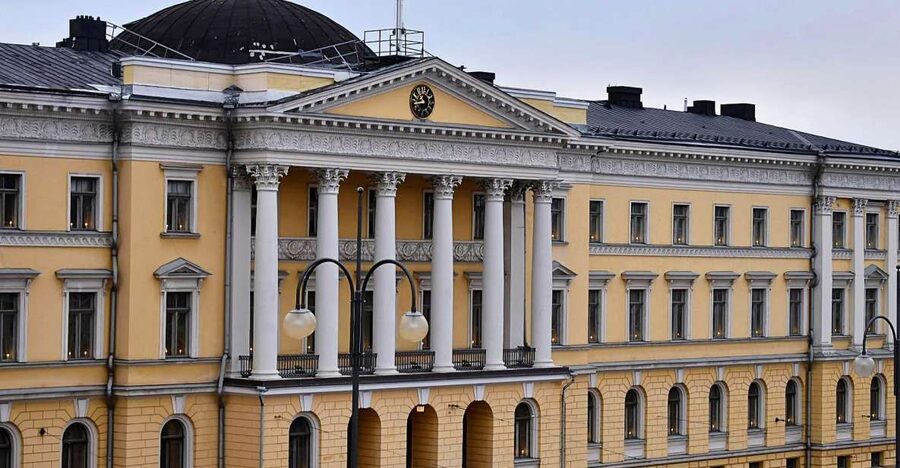
Senate Square is one of the essential stops. It gives you the clearest introduction to Helsinki’s Neoclassical center and to architect Carl Ludvig Engel, whose work helped shape the city’s monumental identity.
Here, the arrangement of buildings matters as much as any single facade. The square presents a deliberate civic setting, with architecture used to express order, authority, and public life. A guide can help you see how the buildings relate to one another instead of viewing them as separate photo stops.
This is also where the tour begins to connect architecture with history. Helsinki’s buildings reflect different periods of Finnish political and cultural life, and Emek is known for placing design within that broader setting. You should expect discussion of the people and institutions behind the buildings, not just architectural labels.
The square is open and exposed, so wind and rain can make this early stop feel colder than expected. In winter, wear gloves and a hat that you can keep on while listening.
The National Library and the value of looking inside
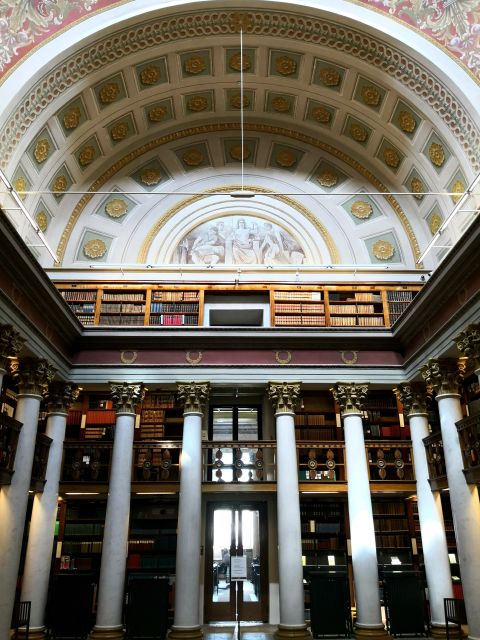
The National Library of Finland adds an important interior stop to the walk. Exterior architecture can tell you about style and public image, but an interior shows how a building was meant to be used and experienced.
The library is also a good place to consider the role of learning and national identity in Finnish architecture. The guide explains the building’s design and the thinking behind it, giving you more than a quick photograph from the pavement.
Indoor visits are particularly helpful during Helsinki’s darker, colder months. One January tour took place in temperatures as low as minus 20 degrees Celsius, with explanations moved indoors as much as possible. That does not remove the need for warm clothing, but it shows why the route can still work outside summer.
Please keep in mind that this is an architecture walk, not a library tour. The focus remains on the building, its style, and its place in Helsinki’s story.
Same base, a different kind of day out:
- Helsinki: Sightseeing Canal Cruise with Audio Commentary
★ 4.5 · 1,299 reviews - From Helsinki: Nuuksio National Park Half-Day Trip
★ 4.8 · 688 reviews - Helsinki: Tallinn Guided Day Tour with Ferry Crossing
★ 4.6 · 670 reviews - Helsinki: Hop-On Hop-Off City Bus Tour
★ 4.2 · 585 reviews
Central Railway Station and Saarinen’s public monument
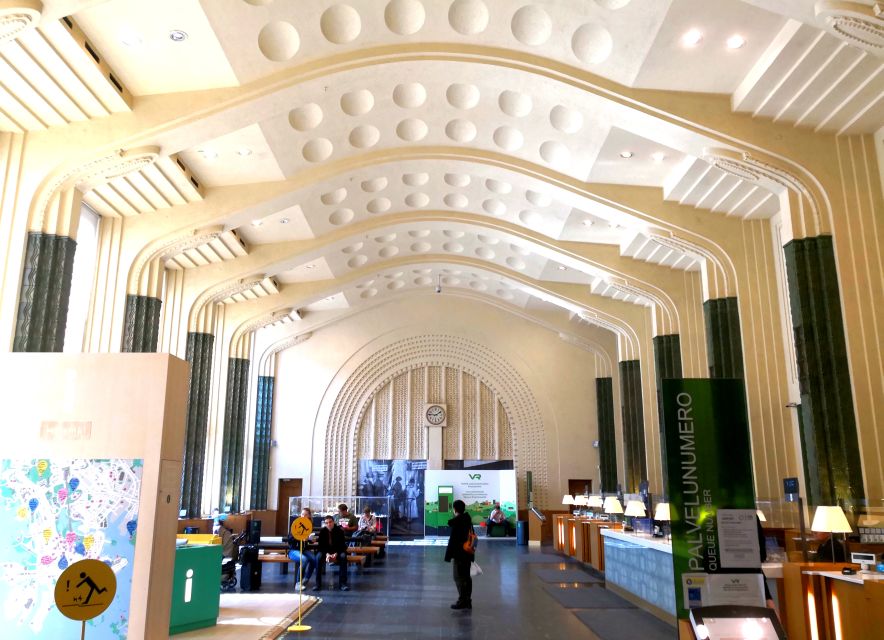
Helsinki’s Central Railway Station is another major stop and one of the most recognizable buildings on the route. Architect Eliel Saarinen’s work gives you a chance to see how a transport building can become a civic symbol.
A railway station has to handle crowds, movement, and practical needs. It also represents a city to people arriving for the first time. The guide uses the station to explain how function and visual identity can work together.
This is one of the stops where an expert explanation adds real value. You can admire the exterior on your own, but it is harder to understand its place in Finnish architecture without context. Look closely at the materials, forms, and way the building meets the surrounding streets.
The station is also useful for comparing older monumental design with later functionalist thinking. The walk does not treat each building as an isolated masterpiece. Instead, it shows how Helsinki’s architects responded to changing needs.
JugendHall and the decorative Art Nouveau turn

JugendHall introduces a more decorative chapter. Helsinki is well known for its Art Nouveau and Jugendstil buildings, and this stop helps show how strongly that movement shaped the city.
Compared with Engel’s restrained Neoclassicism, Jugendstil can feel more expressive. Organic forms, ornament, and dramatic details give buildings a different mood. The point is not simply to decide which style you prefer. It is to understand what changed in the way architects thought about structure, decoration, and national character.
The name JugendHall also helps clarify the local vocabulary. In Finland, Art Nouveau is often discussed through the term Jugendstil. That small distinction can make the city’s architectural story easier to follow as you continue walking.
This is a stop where you should slow down and look upward. Helsinki’s architectural details are often above eye level, and the guide’s commentary helps direct your attention to parts of the facade you might otherwise miss.
Pohjola Insurance Building and Finnish identity in stone
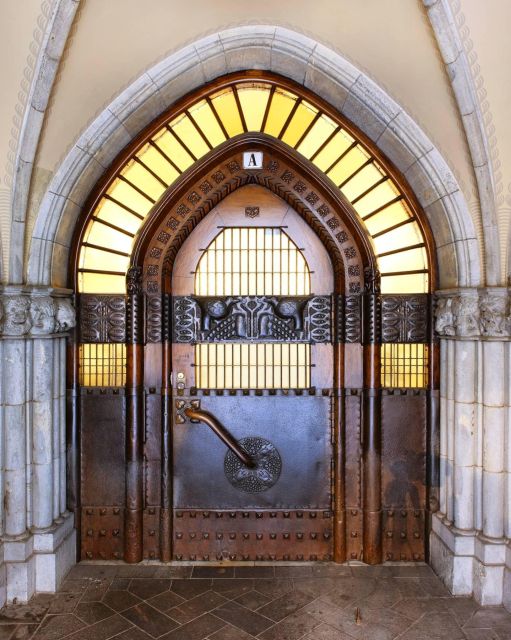
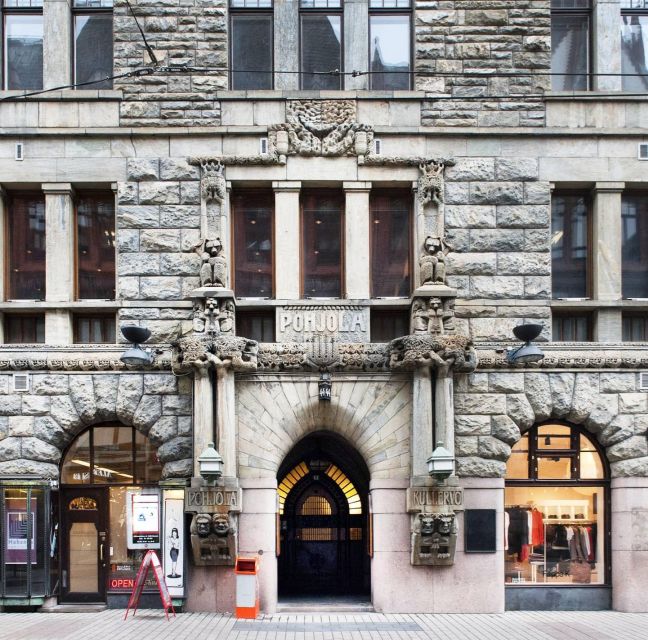
The Pohjola Insurance Building adds another strong example of Helsinki’s historic architectural character. It is a chance to see how commercial architecture could carry cultural meaning and visual drama.
The building helps broaden the tour beyond government institutions, churches, libraries, and stations. Insurance offices and other private buildings also reveal what a society valued and how businesses wanted to present themselves.
This is where the social and political side of the tour becomes useful. Emek links architectural choices with Finnish history and local life, rather than describing styles as if they appeared without reason. You get a clearer picture of why certain forms and symbols made sense in their time.
The route may include interior visits to notable buildings. That makes the experience more rewarding than a purely exterior walk, though you should not expect every building to be open in the same way on every departure.
Academic Bookstore and the Aalto connection
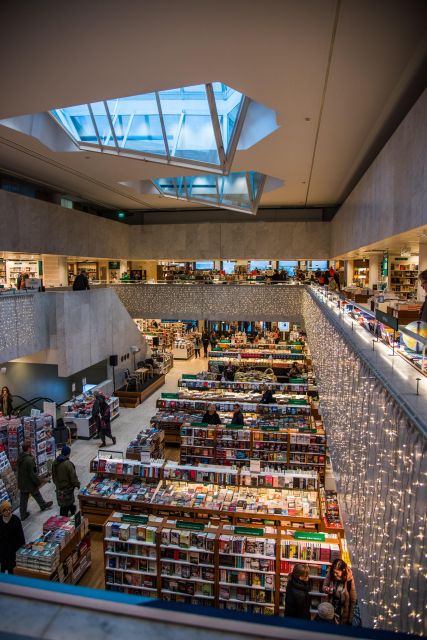
The Academic Bookstore brings Alvar Aalto into the route. Aalto is one of Finland’s best-known architects, and his work is central to understanding Finnish modernism.
Aalto’s buildings often reward careful attention to light, materials, proportion, and the way people move through a space. The Academic Bookstore is a useful example because it is a working public place, not just a monument viewed from behind a barrier.
That practical quality fits the larger theme of the tour. Finnish architecture is often praised for combining good design with everyday use. Here, you can consider how a building serves shoppers and readers while also creating a distinctive interior.
The guide also discusses the ideas behind the design, helping you understand why the building was made as it was. This is more useful than memorizing Aalto’s name alone. You leave with a better sense of how to recognize his approach elsewhere in Finland.
Oodi and Helsinki’s modern public face
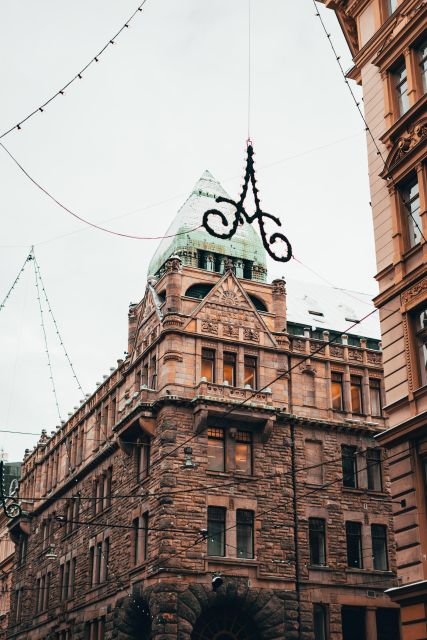
The new public library Oodi brings the tour into contemporary Helsinki. Its presence shows that the city’s architectural conversation did not stop with the historic center.
Oodi is especially valuable as a contrast to Senate Square, the railway station, and older commercial buildings. It represents a modern approach to public space, with architecture shaped around openness, shared use, and present-day civic life.
The tour’s treatment of Oodi also helps connect past and present. You can compare the formal civic architecture of earlier periods with a newer building designed for broad public access. That comparison makes the route feel like a story rather than a collection of unrelated stops.
If you are mainly interested in historic buildings, Oodi may feel less familiar than the older sites. That is precisely why it belongs here. It shows how Helsinki continues to use architecture to express its values.
How Emek teaches the city, not just the buildings
Emek is the guide named most often in the supplied material, and his role is a major reason to consider this tour. He is described as warm, articulate, and able to discuss architecture, history, art, politics, and Finnish life in clear English.
The strongest feature is the balance. The explanations are detailed without becoming a lecture, and the pace is adjusted to the group. If you already know architectural terms, you can ask more technical questions. If you are starting from scratch, the guide can explain the basics without making you feel lost.
The walk is also tailored to the interests and knowledge of the people taking part. That is easier with six participants than with a large coach group. You get the chance to ask why a building looks a certain way, what influenced its architect, or how the structure is used today.
The guide’s local perspective adds another layer. You learn about Finns and daily life in Finland alongside the buildings. That makes the tour a useful introduction to the country, not just an architecture lesson.
Is $70 a fair price?
At $70 per person, this is not the cheapest way to spend three hours in Helsinki. You can walk past many of these buildings for free, and the city center is easy to explore on foot.
The value comes from interpretation, route planning, a small group, and access to buildings you might not think to enter. You are paying for someone to connect Engel, Saarinen, Aalto, architectural movements, Finnish politics, and daily life into one understandable route.
I think the price is reasonable for visitors who care about design or want a strong introduction to Helsinki. It is less compelling if you prefer to wander without a schedule, take photographs at your own pace, or have little interest in how buildings were designed.
The reserve-now, pay-later option gives you some flexibility, and cancellation is free up to 24 hours before the tour for a full refund. Those terms are useful when your Helsinki plans are still shifting.
Walking, weather, and who should book
Bring comfortable shoes. The route covers about 5 to 6 kilometers, and three hours on city streets can feel longer in poor weather.
Tours operate throughout the year, rain or shine. In summer, pack for changing weather. In winter, dress in layers and protect your hands, feet, and head. The guide can use indoor spaces when possible, but you still spend time outside moving between buildings.
This tour suits:
- First-time visitors who want to understand central Helsinki quickly
- Architecture students and design fans
- Anyone interested in Finnish history, politics, and public life
- Couples or small groups who prefer conversation over a large guided crowd
- Visitors starting a longer stay who want a useful introduction to the city
It may not suit you if you need a very short walk, dislike standing outdoors, or want a tour focused only on interiors. The experience is built around walking between sites.
Should you book the Helsinki Architecture Walking Tour?
Book it if you want to see Helsinki through the ideas behind its buildings. The route covers major sights, but the real benefit is learning how Neoclassicism, Jugendstil, modernism, functionalism, and contemporary design fit together.
I would especially choose it near the start of a Helsinki stay. The tour can give you a better eye for the city during the days that follow, and Emek’s broader discussion of Finnish culture helps you understand more than the facades alone.
Skip it if you want a casual photo walk or a brief overview with little walking. For everyone else, the small group, strong guide, indoor stops, and wide range of architecture make $70 a sensible investment in seeing Helsinki with more understanding.
FAQ
How long is the Helsinki Architecture Walking Tour?
The tour lasts 3 hours.
How much walking is involved?
You should be prepared to walk about 3 to 4 miles, or 5 to 6 kilometers.
Where does the tour meet?
The meeting point is outside Nanso Clothing Store at the corner of Aleksanterinkatu and Kluuvikatu, in front of Aleksanterinkatu number 9B.
What language is the tour conducted in?
The live tour guide speaks English.
How many people can join the tour?
The group is limited to 6 participants.
Who leads the tour?
The named guide is Emek, who leads the discussion in English and covers architecture, Finnish history, culture, politics, and local life.
Which buildings and places are included?
The route includes Senate Square, the National Library of Finland, Central Railway Station, Oodi public library, JugendHall, the Pohjola Insurance Building, the Academic Bookstore, and other architectural sites.
Does the tour cover different architectural styles?
Yes. The tour discusses Neoclassical, Gothic Revival, Art Nouveau, Jugendstil, Nordic classicism, modernism, functionalism, and contemporary architecture.
Does the tour operate during winter?
Yes. Tours operate all year, including in rain and other difficult weather conditions.
What should I bring?
Wear comfortable shoes and clothing suited to the weather. The tour involves several hours of walking outside.
Just added in Helsinki
- Helsinki and Porvoo Private Tour by Luxury Car with Guide★ 5.0 · 16 reviews
- Helsinki tram tour with a city planner★ 5.0 · 39 reviews
- Helsinki Self-Guided Audio Tour★ 3.5 · 14 reviews
- Exclusive Grand Tour Helsinki and Porvoo City*****★ 5.0 · 109 reviews
- TASTE HELSINKI FOOD TOUR CLASSIC – Private Food Tour★ 5.0 · 17 reviews
- Helsinki walking tour with a city planner★ 5.0 · 175 reviews
- Helsinki private tour with a city planner★ 5.0 · 50 reviews
- Helsinki architecture tour with a city planner★ 5.0 · 47 reviews
Walking Tours, compared.

Reykjavik Food Walk – Local Foodie Adventure in Iceland
Read our review →
Reykjavík Small group Walking Tour – by CityWalk
Read our review →



Past & Present Small Group Guided Walking Tour
Read our review →
Walking Tour in Bergen of the Past and Present
Read our review →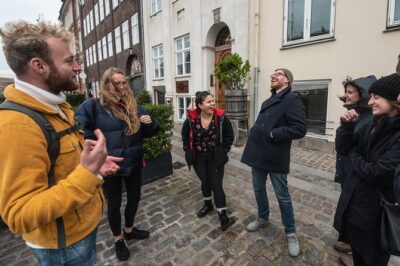
Browse the lists this tour appears in