
Reviewed · WALKING TOURS
Reykjavik: Guided Folklore Walking Tour
Reykjavik’s streets become much more entertaining when a guide brings out the elves, trolls, ghosts, and monsters hiding behind the modern city. This 1.5-hour walk mixes old sagas with local history, Icelandic magic, songs, and a few genuinely creepy tales, including the Deacon of the Dark River.
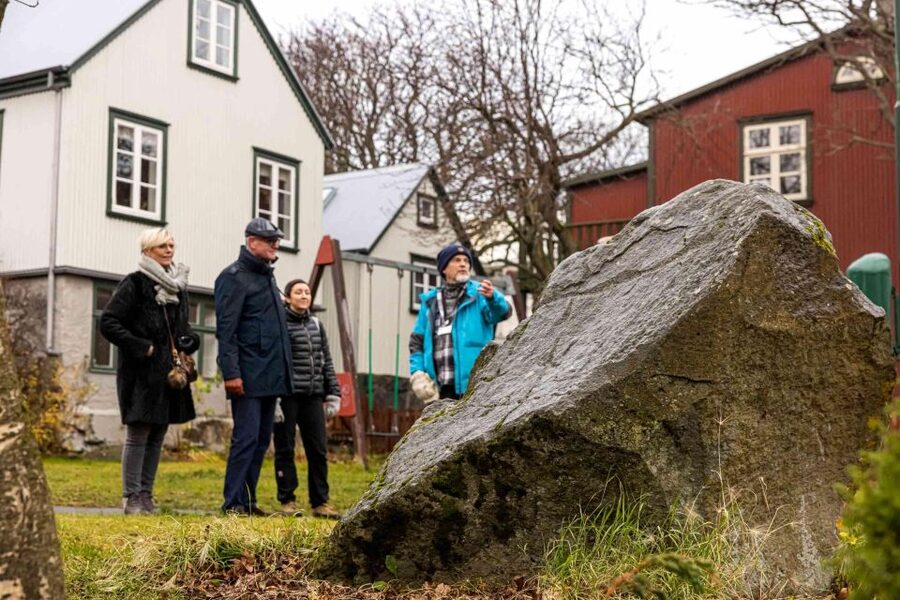
I like the two old graveyards, where the ghost stories have a stronger sense of place, and the stop at the elfstone, a small but memorable link between modern Reykjavik and older beliefs. The main drawback is the weather: you stay outside throughout, and even enthusiastic guides have to work around rain, snow, and cold.
Key points to know before you book
- Folklore with a city walk: You see central Reykjavik while hearing stories about elves, trolls, ghosts, Norse gods, and Icelandic customs.
- A real ghost-story setting: The graveyard stop adds a darker edge, with tales that can give you goosebumps.
- Several guides bring different strengths: Einar is known for songs, humor, and family connections to local places, while guides such as Stefan, Magnus, Oli, Beau, Bo, and Stephen I. have also led this experience.
- Not just elves and trolls: Expect Icelandic runes, magic, the 13 Yule Lads, Grýla, aquatic monsters, and links to The Lord of the Rings.
- Good early-trip choice: The walk gives you useful context for Icelandic traditions and the stories you may hear elsewhere in the country.
- Bring serious weather gear: Wear warm, waterproof clothing and comfortable shoes, since the tour continues outdoors in poor weather.
Why this folklore walk works in modern Reykjavik
Reykjavik is compact, clean, and modern. At first glance, it may seem an unlikely place for tales of child-eating trolls and people who claim to have seen elves. That contrast is part of the fun.
This walk does not take you into the lava fields or remote countryside. It uses the old center of the capital as a stage. A square, a church, a pond, and a graveyard become settings for stories passed down through generations.
I like that the experience treats folklore as part of Icelandic culture rather than as a simple ghost show. You hear about hidden people, but also about the old winter tradition of storytelling, Icelandic magic, runes, songs, Christmas customs, and the influence of the sagas. The stories help explain why books and storytelling matter so much in Iceland.
The guide’s personality makes a big difference. Einar has been praised for bringing the tales to life with humor, singing, personal stories, and strong knowledge of local folklore. Other guides have their own style. Stefan and Stefen are known for comic timing and easy conversation, while Magnus has been described as funny and engaging. Beau has included simple spells, unusual local sights, and photos for the group.
You should think of this as part history walk, part storytelling performance, and part ghost tour. It is not a formal lecture, and it is not a full tour of Reykjavik’s major sights. The value comes from the way the guide connects ordinary places to the older stories attached to them.
A few more things to do in Reykjavík worth a look
- Reykjavik Food Walk – Local Foodie Adventure in Iceland
★ 5.0 · 18,952 reviews - Reykjavík Small group Walking Tour – by CityWalk
★ 5.0 · 5,076 reviews - Reykjavik: Guided Foodie Walking Tour with 6 Tastings
★ 4.9 · 1,645 reviews
Starting at Ingólfur Square
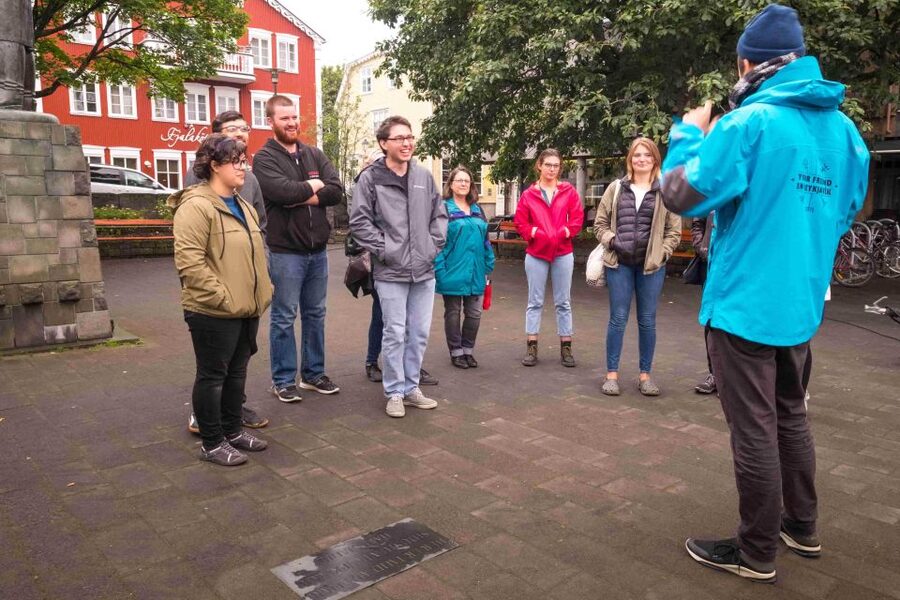
Meet in Ingólfur Square, near the start of Austurstræti. The guide waits by the two stone high-seat pillars, a useful landmark in the city center.
The square is surrounded by Aðalstræti, Hafnarstræti, Veltusund, and Vallarstræti. If you walk down Laugavegur, Reykjavik’s main shopping street, continue toward the lower end and you will reach the square.
The tour begins with an introduction to the old stories of Iceland. This is where the guide can set up the main themes: hidden people, trolls, ghosts, magic, and the long winter nights when storytelling was a central form of entertainment.
That opening matters because it gives the rest of the walk a framework. You are not just collecting random tales. You are learning how stories helped people explain danger, weather, strange places, family history, and the unknown.
The walk ends at Austurvöllur, so you finish close to the center rather than far from town. That makes it easy to continue with dinner, drinks, or another sight.
Ingólfur Square and the old city center
The first sightseeing stop is Ingólfur Square, where you spend about 10 minutes with the guide. This is a good place to connect Reykjavik’s present-day streets with its older foundations.
The stories here may range from Norse mythology to the early history of Iceland. You will also hear about the links between Icelandic sagas and the fantasy worlds of J.R.R. Tolkien. The tour explains similarities between Icelandic and Norse traditions and the legends that influenced The Hobbit and The Lord of the Rings.
This section is likely to suit you if you enjoy seeing how old stories travel into modern books, films, and popular culture. It is less useful if you want a detailed architectural tour or a long account of Reykjavik’s political history.
The guide’s delivery is important at this early stop. The best moments come when the storyteller acts out a character, changes voice, sings a line, or adds a personal connection. Several guides have been praised for this theatrical side of the tour.
Suðurgata Cemetery and the darker tales
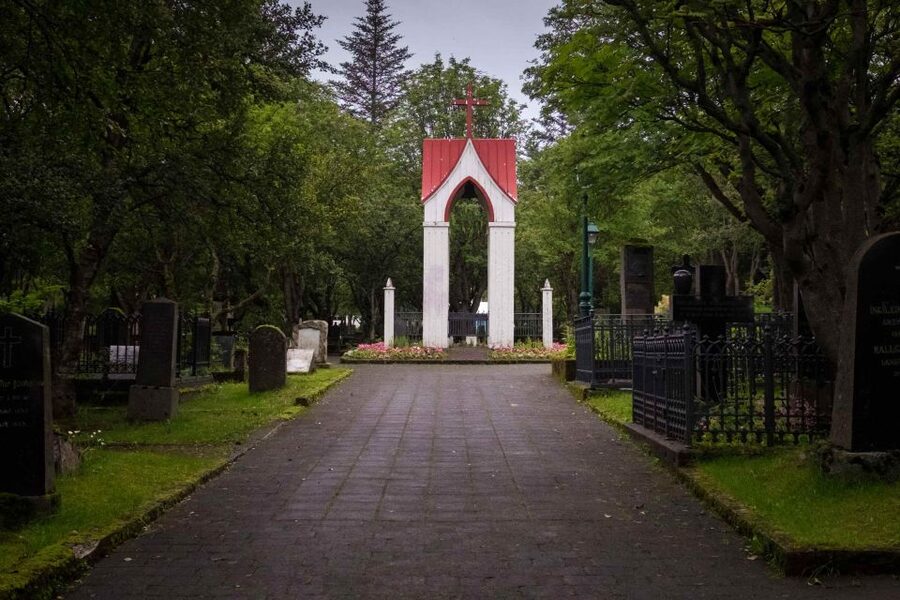
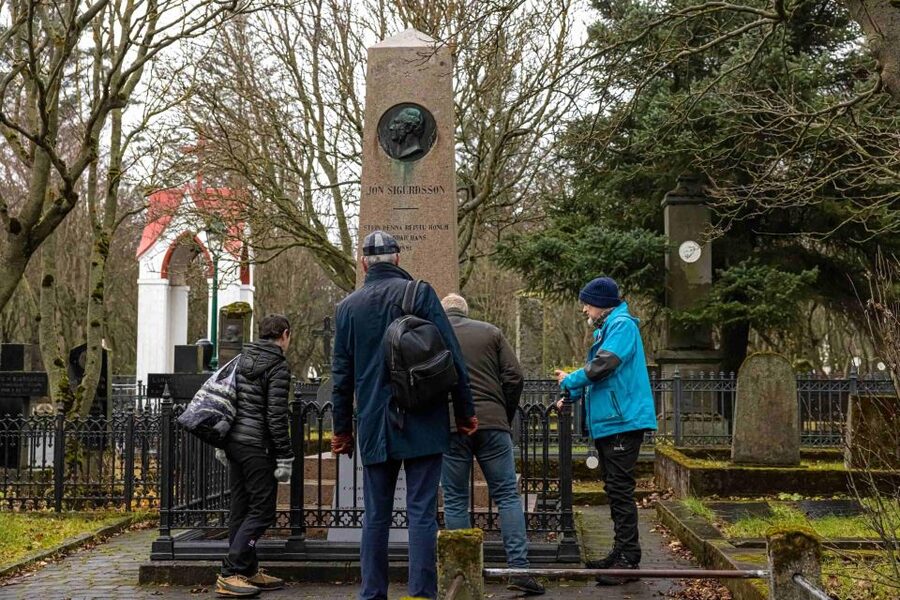
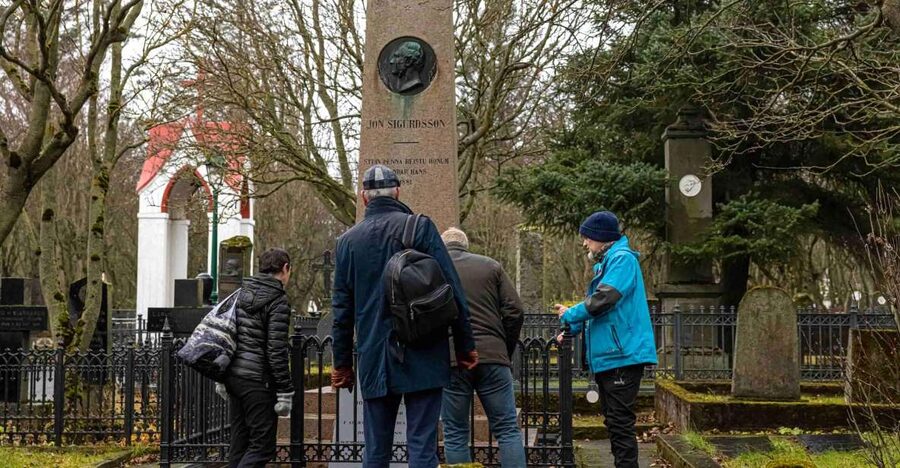
The walk then reaches Kirkjugarðurinn Suðurgötu, where the group spends about 20 minutes. This is one of the oldest graveyards in Reykjavik and one of the strongest stops for atmosphere.
Here, the folklore turns darker. You can expect ghost stories, including the tale of the Deacon of the Dark River. The cemetery setting gives these stories more weight than they would have in a bright city square. Even if you do not believe in ghosts, the location helps you picture the old fears behind the tale.
This is also the part most likely to frighten younger children. The tour description warns that some stories may be scary, and that warning is worth taking seriously. Adults and older children who enjoy spooky material should have fun, but very young children may find the graveyard stories too intense.
The guide may also talk about Icelandic magic and runes at this point. You are not simply hearing about monsters. You get a glimpse of the symbols, spells, and beliefs connected to older Icelandic traditions.
One useful tip: do not treat this as a fast sightseeing stop. The value comes from listening closely. The graveyard itself is not a major visual attraction, but the stories make it meaningful.
Same base, a different kind of day out:
- Reykjavik: Golden Circle Full-Day Tour with Kerid Crater
★ 4.8 · 24,485 reviews - Iceland: Northern Lights Bus Tour from Reykjavik
★ 4.1 · 11,161 reviews - Reykjavík: South Coast Waterfalls, Black Sand & Glacier Tour
★ 4.8 · 11,030 reviews - Reykjavík: Whale Watching and Marine Life Cruise
★ 4.6 · 9,838 reviews
Christ the King Cathedral and Iceland’s religious mix
The next stop is the Cathedral of Christ the King, the Catholic Cathedral in Reykjavik. The group spends about 20 minutes here.
This stop broadens the tour beyond pagan creatures and ghost stories. Iceland’s folklore developed alongside Christianity, older Norse beliefs, local customs, and later religious traditions. The cathedral provides a chance to see another side of the country’s spiritual life.
The tour does not appear to be a dedicated cathedral visit, so you should not expect a full interior tour or a long discussion of art and architecture. Instead, the building works as one piece of the larger story about Icelandic belief.
I appreciate this change of pace. Without it, a folklore walk could become a string of unrelated monster tales. The cathedral adds context and shows how different beliefs exist within the same small city.
Lake Tjörnin and Iceland’s strange creatures
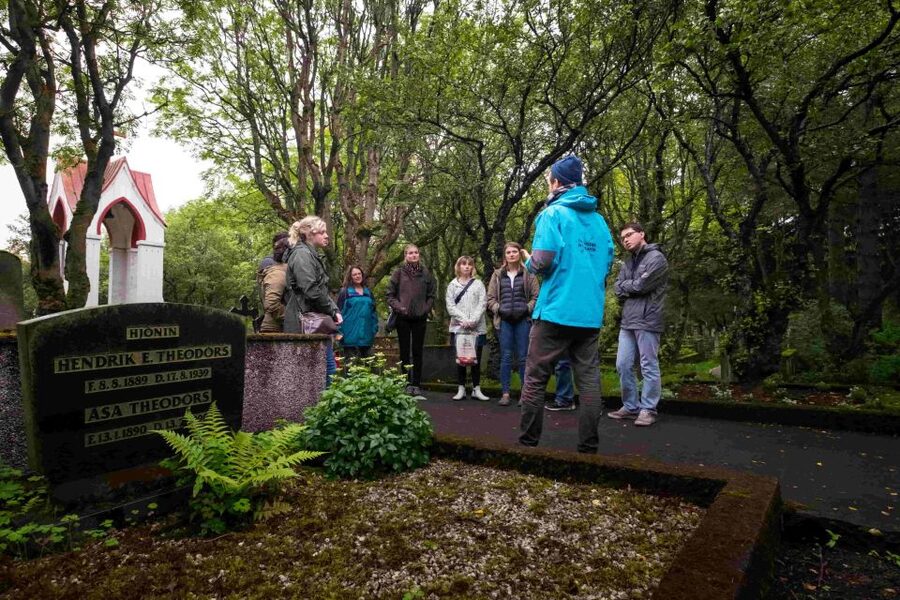
From the cathedral, the walk continues to Lake Tjörnin, with about 20 minutes devoted to guided sightseeing.
The lake is a natural place to discuss Iceland’s mostly aquatic monsters. These creatures are different from the land-based trolls and hidden people that dominate much of the tour. The setting helps you imagine why water, remote shores, and dark winter conditions became sources of local legends.
This is also where the guide may explain some of the odd creatures connected to Icelandic folklore and the modern idea of Iceland’s answer to the Loch Ness monster. Beau has been praised for showing a convincing video connected with one of these creatures.
The lake stop should appeal to you if you like folklore that sits somewhere between belief, local humor, and mystery. The stories are not presented as a science lesson. They are part of the way people give character to unusual places.
Because you are outside, the weather can affect this part of the walk. Wind and rain may make it harder to hear, and cold can reduce your patience. Wear a waterproof outer layer and gloves in colder months.
Austurvöllur, Christmas creatures, and Icelandic magic
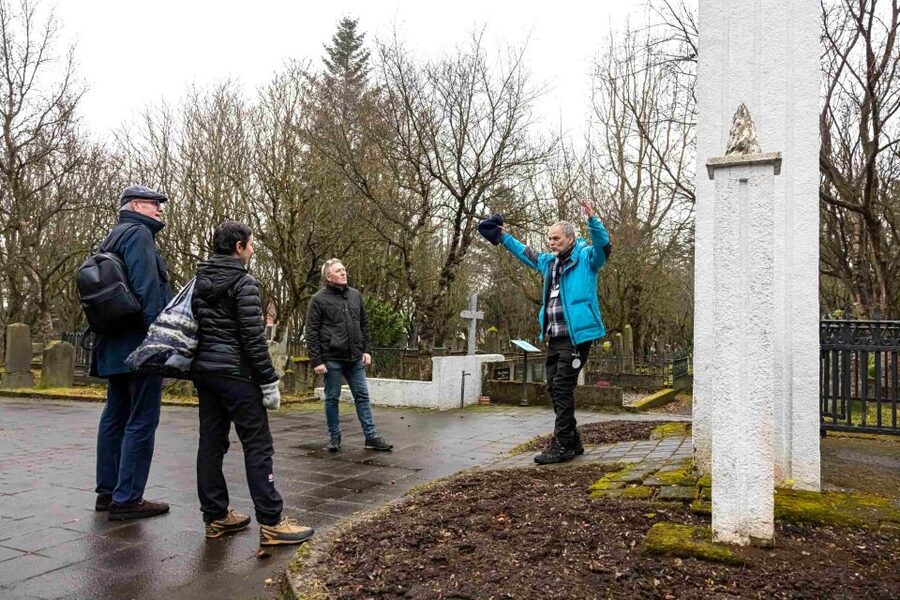
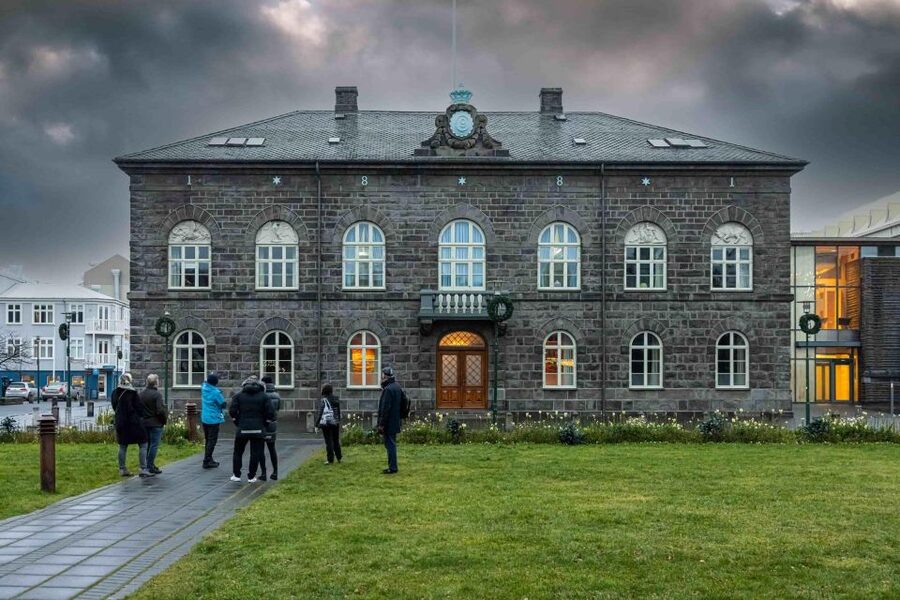
The final stop is Austurvöllur, where the tour finishes after about 20 minutes. This is where the guide can bring together several of the walk’s most memorable characters.
You will hear about Iceland’s 13 Santas, known as the Yule Lads, rather than one single Santa Claus. Their mother is Grýla, a child-eating troll with a much less cheerful job description. These tales show how Icelandic Christmas traditions can be funny, strange, and far darker than the holiday stories familiar to many visitors.
The guide may also return to Icelandic magic, old runes, and the role of song. Einar has included Icelandic lullabies and folk songs, and singing can give the stories a stronger emotional edge. One lullaby was described as beautiful and a little frightening, which is a fair description of the tour’s mood in general.
Austurvöllur is a practical finish. You are still in central Reykjavik, and the walk has not left you at an inconvenient edge of town. Since the activity ends back at the meeting area, you can plan it easily around a meal or another central attraction.
What the guides add to the experience
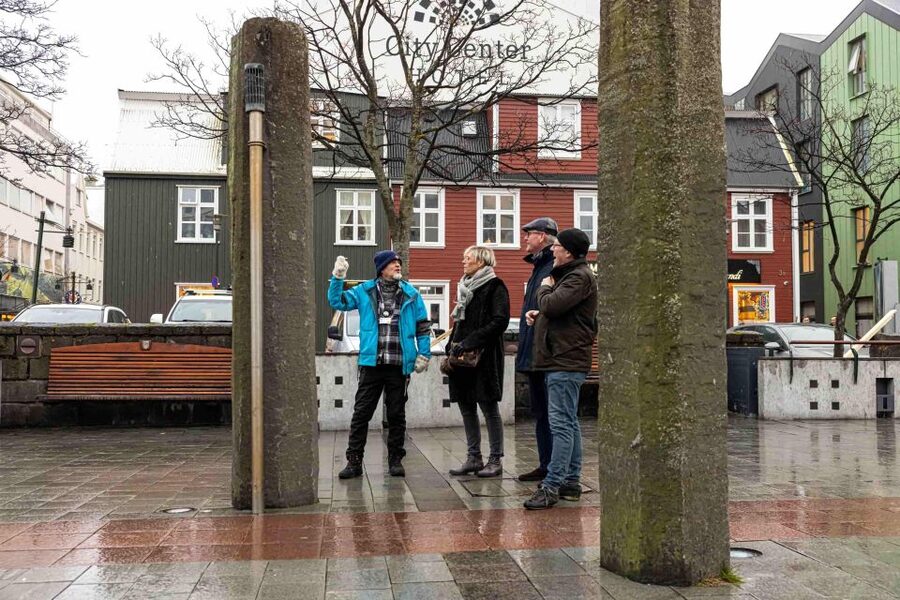
This tour depends heavily on the individual guide. A flat delivery would make even the best Icelandic legend feel like a school assignment. The strongest guides turn the walk into a small performance.
Einar has been singled out for his natural storytelling, humor, singing, and personal family connections to the places visited. He also handles random questions, including questions about the mountains, without losing the thread of the tour.
Stephen I. has used physical comedy and well-told fables, while a retired Icelandic fisherman has brought a lifetime of local stories to the walk. That range is useful because it means the experience can feel different depending on who leads your group.
The guides also seem willing to make the tour interactive. You may hear a spell, learn about runes, or be asked to consider whether a story is fact or fiction. The tone is playful, but the material is not empty entertainment.
The main thing you should know is that guide style is part of the product. If you want a fixed, identical script delivered in a formal way, this may not be your ideal tour. If you enjoy a storyteller who responds to the group, sings, jokes, and adds personal details, it should suit you well.
Price, timing, and who gets good value
At $51 per person, this is not the cheapest way to walk around Reykjavik. You can explore the city center on your own for free. The price makes sense if you are paying for the guide’s stories, performance, local context, and access to places you might otherwise pass without noticing.
The 1.5-hour length is well judged. You get enough time for several stops and a full set of tales without committing half a day. The walk is also short enough to fit into a busy Reykjavik schedule.
I would book it early in your Iceland visit. It can give you a better feel for Icelandic folklore, Christmas traditions, Norse mythology, and local storytelling before you head into the rest of the country. You may also notice references to elves, trolls, or sagas later in your trip.
The activity is wheelchair accessible, and private groups are available. Live tours are offered in English, Spanish, and French. You can cancel up to 24 hours before the start for a full refund, and the reserve-now, pay-later option helps if your plans are still changing.
Weather, children, and practical comfort
You need weather-appropriate clothing. This is not a suggestion to bring a light jacket and hope for the best. Reykjavik can be wet, cold, windy, or snowy, and the tour continues outdoors.
Wear comfortable shoes with good grip. The walk is not long, but wet pavement and winter conditions can make central streets less comfortable.
Families should make the decision based on the child, not just the advertised subject. Elves and trolls may sound playful, but the ghost stories and Grýla can be unsettling. Private tours are available if you want the guide to reduce the scariness.
The tour is also a good match for solo visitors. The central route, conversational format, and interactive storytelling make it easier to feel part of a group without needing a full-day excursion.
Should you book the Reykjavik folklore walking tour?
Book this tour if you want a different angle on Reykjavik, enjoy ghost stories, or like learning through a strong narrator rather than a list of dates. The graveyard, elfstone, cathedral, lake, and old city squares create a varied route, while the tales give those places personality.
Skip it if you want a standard city tour focused on museums, architecture, or major historical events. Also think twice if you dislike cold-weather walking or are traveling with very young children who may be frightened.
For most visitors, I would place it near the start of an Iceland trip. The tour is short, unusual, and useful. Its best moments come from the guide, so choose the date and language that suit you, dress for the weather, and arrive ready to listen to a few stories that may follow you beyond Reykjavik.
FAQ
How long does the Reykjavik folklore walking tour last?
The tour lasts 1.5 hours. Starting times vary, so check availability when booking.
Where does the tour begin?
Meet at Ingólfur Square in central Reykjavik, by the two stone high-seat pillars. The square is near the start of Austurstræti.
Where does the tour finish?
The walk finishes at Austurvöllur, in central Reykjavik.
What languages are available?
Live guides are available in English, Spanish, and French.
Is the tour suitable for young children?
Some stories can be scary for younger children, particularly the ghost tales and stories about Grýla. A private walk may be arranged with the scariness reduced.
What should I bring?
Bring weather-appropriate clothing and comfortable shoes. The activity takes place outdoors, including during rain or snow.
Just added in Reykjavík
- From Reykjavik: Full-Day Horse Riding & Golden Circle Tour★ 3.7 · 81 reviews
- Reykjavik: Evening Icelandic Food and Drink Tour★ 4.9 · 66 reviews
- Hveragerdi: The Siggi Horse Riding Tour★ 4.8 · 13 reviews
- The Reykjavik Christmas Food Tour★ 4.8 · 19 reviews
- Reykjavik: Small-Group Snæfellsnes Day Trip★ 4.8 · 214 reviews
- The Golden Circle & Hop On – Hop Off Combo Deal★ 4.5 · 15 reviews
- Reykjavik: The Icelandic Sweet Tooth Tour★ 4.6 · 30 reviews
- Reykjavik: The Golden Circle Full-Day Tour★ 4.7 · 170 reviews
Walking Tours, compared.
Reykjavik Food Walk – Local Foodie Adventure in Iceland
Read our review →
Reykjavík Small group Walking Tour – by CityWalk
Read our review →

Past & Present Small Group Guided Walking Tour
Read our review →
Walking Tour in Bergen of the Past and Present
Read our review →
Browse the lists this tour appears in