
Reviewed · NORDIC FOOD & TASTING TOURS
Stockholm Food Tour
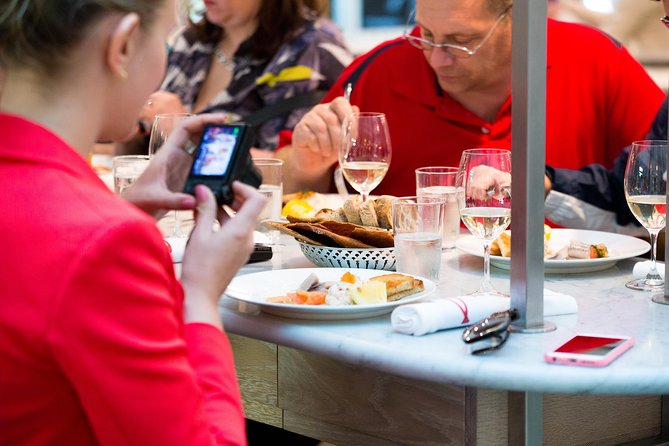
Stockholm’s food story comes alive through seven tasting stops, from Östermalms Food Hall to a final fika in Old Town. You may try Swedish meatballs, fish soup, cured salmon, game meats, cheese, royal-wedding chocolate, salty licorice, pastries, and coffee, with food often adding up to a full meal.
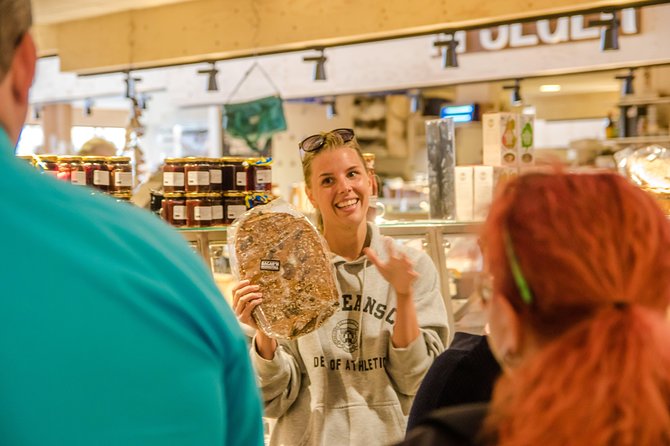
I like the mix of food and city history, especially the chance to begin outside the Old Town and see two food halls along the way. I also like that guides such as Cotton, Teresa, and Fritz explain how dishes are made and why they matter in Swedish culture.
The main caution is the pace. The route covers about 2 miles, or 3.5 kilometers, and some people found it longer, with plenty of standing and little seating. This is not the best choice if you need frequent rests or prefer a slow, sit-down food tour.
Key points to know before booking
- Seven stops make up a full meal: Expect substantial tastings, not just tiny samples.
- The route starts in Östermalm: You see an important food hall district before walking toward Gamla Stan.
- Swedish specialties take center stage: Meatballs, fish, cured meats, cheese, game, licorice, chocolate, pastries, and coffee may all appear.
- The walk is part of the experience: Plan on about 2 miles, with some fast walking between stops.
- Guides shape the day: Cotton, Teresa, and Fritz have been praised for warmth, humor, cultural background, and food knowledge, though guide quality can vary.
- The group can reach 20 people: That keeps the price manageable, but it can make crossings, tastings, and questions less personal.
A food tour that starts with the real Stockholm
The most useful feature of this experience is its route. You do not simply sit in one restaurant and sample a fixed menu. You begin at Östermalms Food Hall, walk through central Stockholm, visit shops and food halls, and finish in the Old Town at Kindstugatan 1.
That route gives you a quick introduction to how Stockholm eats. Östermalm feels more polished and food-focused, while the walk toward Gamla Stan shifts the setting toward older streets and historic neighborhoods. Food becomes your guide to the city, not just something placed in front of you.
The tour lasts about four hours, though some accounts describe a shorter three-hour experience. The advertised walking distance is 3.5 kilometers, but you should be ready for a little more. One person reported walking at least three miles, and several comments point to a brisk pace.
I would wear comfortable shoes and avoid booking this directly after a long day of sightseeing. The food is plentiful, but the walking and standing also require energy.
More eating your way around Stockholm:
- The Copenhagen Culinary Experience Food Tour
★ 5.0 · 959 reviews - Copenhagen Culinary Food Tour with 6+ Tastings of Danish Classics
★ 5.0 · 541 reviews - Copenhagen’s oldest and original food tour (Est. 2011).
★ 4.8 · 442 reviews
Östermalms Food Hall: the strongest opening stop
Your meeting point is Östermalms Food Hall on Östermalmsgatan. This is a good place to start because the hall puts Swedish ingredients in view before the tour gets moving.
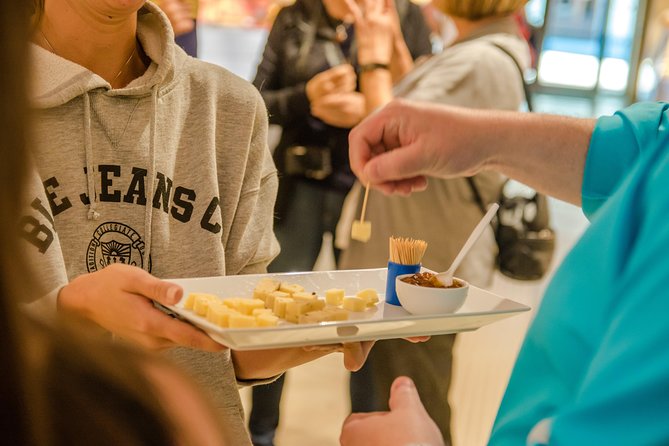
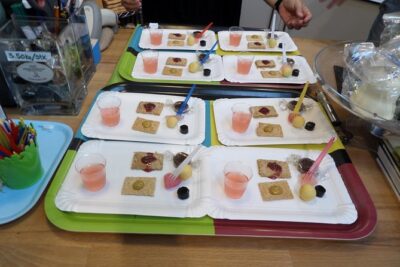
The first tastings may include several kinds of cheese, cured meats, crackers, jam, beer, and Swedish meatballs. Some groups have also tried unusual game meats such as bear, moose, and reindeer. These are memorable foods, and they offer a useful look at northern eating traditions without requiring you to order an entire plate on your own.
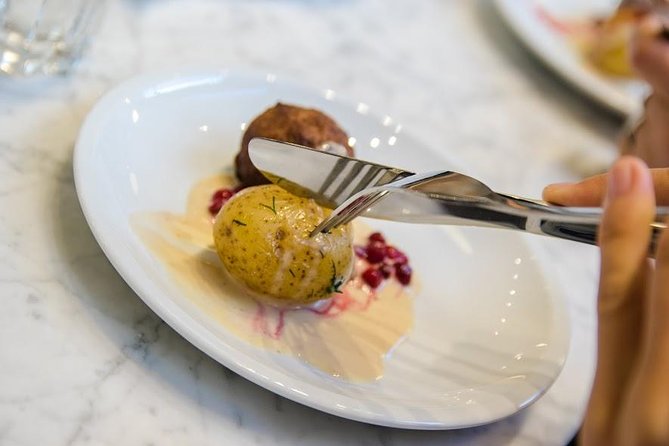
The meatballs are an important part of the meal. You get more context than the familiar idea of a meatball served with potatoes and sauce. Your guide may explain preparation, local habits, and how Swedish versions differ from the ones you might know elsewhere.
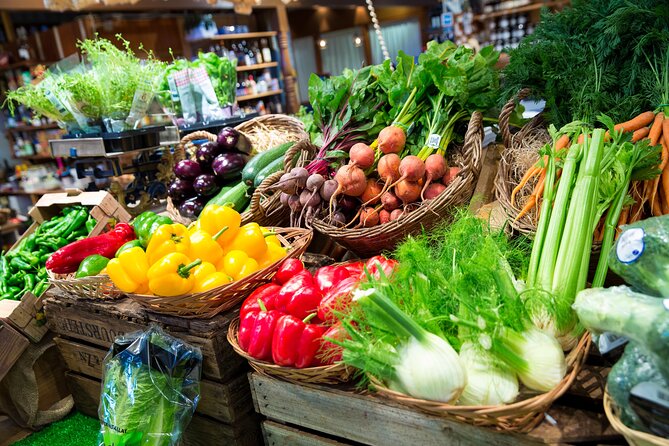
The hall itself is also part of the appeal. You can see how seafood, meat, cheese, and prepared foods are sold in Stockholm, which is more informative than eating in a restaurant designed mainly for visitors.
This stop often receives the warmest praise because it combines generous food with a clear sense of place. It may also be the most crowded section of the tour. With a group of up to 20, you could be standing while samples are passed around, and it may take effort to hear every explanation.
Fish, seafood, and the second food hall
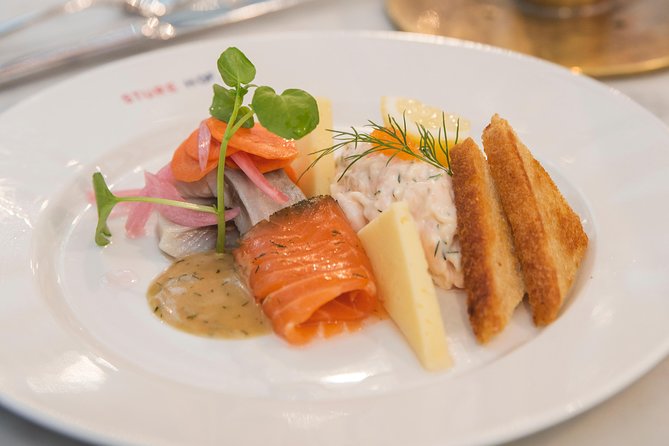
The next stage brings you to another food hall or seafood setting. Here the tastings may include fish soup, cured salmon, other fish dishes, and small side portions. One account described this as a multiple-course seafood tasting, which gives you a better sense of the meal size than the word sample suggests.
The fish soup is one of the more practical tastings because it shows how Swedish cooking uses seafood in a warm, filling dish. Cured salmon gives you a different texture and preparation method. Together, the dishes make this stop more varied than simply eating one fish plate.
Some people expected an outdoor fish market and found the underground market less atmospheric. That is worth knowing if you picture open-air stalls. The food hall setting is still useful, but the experience is more about the vendors and products than about a scenic market spectacle.
Seating varies. At some stops, food is arranged in advance and reserved seating is available. At others, you may eat standing up. If you need a chair between tastings, tell the guide early and keep your expectations realistic.
Licorice, chocolate, and the Swedish taste test
Sweden takes licorice seriously, and this tour gives it a proper place in the meal. You may taste several styles, including salty black licorice and intensely salted versions that can surprise anyone used to sweet candy.
This is one of the tour’s most entertaining sections, but it is also the most divisive. Some people enjoy the stronger Scandinavian flavors. Others find the heavily salted or smoked licorice nearly impossible to eat. I like that the tour includes something unfamiliar, but you should not assume every tasting will be pleasant.
The point is not to force yourself to like it. Taste a small amount, listen to the explanation, and treat it as a lesson in local preference. A bold food can reveal more about a culture than another safe pastry.
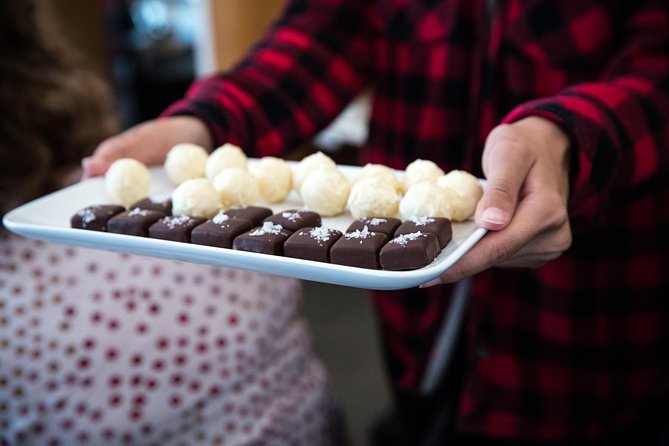
Chocolate may also appear, including gourmet chocolate associated with royal weddings. This adds a sweeter counterpoint to the licorice and lets you see the polished side of Swedish confectionery. The contrast between elegant chocolate and powerful salt licorice makes this part easy to remember.
One serious practical issue concerns food allergies. The guide asks about allergies, but the information may not always reach the person preparing the first tasting. If you have an allergy, state it clearly at the start and repeat it at each food stop. Do not assume that a booking note will be enough.
A few more things to do in Stockholm worth a look
- The Nordic Food Walk Stockholm
★ 4.5 · 642 reviews - Reykjavik Food Walk – Local Foodie Adventure in Iceland
★ 5.0 · 18,952 reviews - Reykjavik Food Lovers Tour – Icelandic Traditional Food
★ 5.0 · 1,012 reviews - Politically Incorrect Beer Walk
★ 5.0 · 516 reviews
Meat counters and game flavors
The cured meat stop can be one of the tour’s most distinctive moments. Depending on the day, you might taste reindeer, bear, or moose along with more familiar cured meats.
These foods are not presented as a stunt. They connect to the ingredients and traditions of Sweden’s northern regions. Still, the appeal depends on your comfort level. If you avoid game or meat, this part may be less satisfying, and the supplied information does not promise a separate vegetarian menu.
The serving style can also be basic. Food may be placed on a shared platter, and one account raised concerns about reaching pieces without using fingers. A careful guide should manage this well, but it is fair to expect market-style sampling rather than formal restaurant service.
You will get more from this stop if you ask questions. Ask how the meat was prepared, where the tradition comes from, and how common it is in ordinary Swedish cooking. The guides who received the strongest praise, including Cotton, Teresa, and Fritz, were appreciated for adding this kind of background instead of simply naming each food.
Fika brings the route toward Old Town
Near the end, the tour turns toward a Swedish fika, usually involving pastry and coffee. Cinnamon rolls are one possibility, though a substitute has been served when the planned pastry sold out.
Fika is more than a sweet snack. It is a useful way to understand Sweden’s social food culture, where coffee and baked goods provide a reason to pause and talk. After several savory tastings and a fair amount of walking, this final course can feel like a natural finish.
The last stretch through Old Town is part of the route, not just a transfer to the final café. You end at Kindstugatan 1, giving you a convenient place to continue exploring Gamla Stan afterward.
The walk through Old Town may feel long late in the tour. One account found the final section less inviting, while others enjoyed seeing more of Stockholm on foot. Your reaction will depend on the weather, your energy, and how much sightseeing you have already done that day.
How much food do you actually get?
This is not a tour where you need to schedule a full dinner immediately afterward. Tastings have included cheese, cured meat, meatballs, beer, fish soup, salmon, licorice, chocolate, pastries, and coffee. Some people found the portions large enough to fill them completely by the end.
That is good value if you want lunch and an introduction to Swedish food in one booking. At $126.21 per person, the price is not low, but it includes enough food to function as a meal and a guide for about four hours.
The value is strongest if you would otherwise spend money sampling several food halls and ordering unfamiliar dishes on your own. You get help choosing what to try, plus explanations about the food and the neighborhoods.
The value is weaker if you mainly want a seated restaurant meal. You are paying for tastings, walking, local context, and the work of arranging seven stops. If you dislike standing at counters or prefer generous portions of one or two dishes, this may not feel like the best use of your budget.
Group discounts are available, and the experience is offered in English. A mobile ticket and proximity to public transportation make the meeting point fairly simple to reach.
The guide can make or break the afternoon
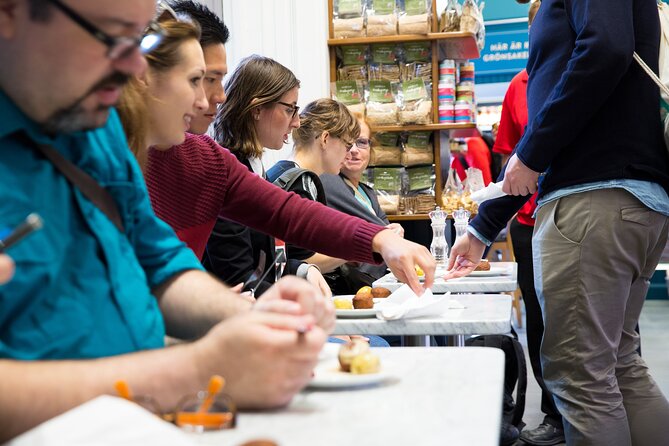
The best accounts describe guides who are warm, funny, patient, and happy to answer questions. Cotton is repeatedly singled out for his background in Swedish food and culture. Teresa is praised for explaining how food is made and for keeping the walking pace manageable. Fritz is described as humorous and responsive to group questions.
Those details matter. A food tour is not only about what is on the plate. The guide has to keep a group together through crowded streets, make sure nobody gets left behind, handle allergies, and give everyone a chance to ask questions.
There have also been less successful guide experiences. One person felt the guide walked ahead while looking at a phone and did not stay engaged with the group. Another felt the guide was rude. A separate complaint involved two people being left behind during a restroom break.
These are not reasons to dismiss the whole tour, but they are reasons to stay alert. Keep the group in sight, speak up if you need a slower pace, and tell the guide immediately if you have not received a tasting. A large group makes clear communication more important.
Walking, weather, and group size
The tour is listed for a maximum of 20 people. That is a moderate-sized group for a paid food walk, but it is not intimate. At busy food halls, you may need to stand to one side or wait while everyone receives a portion.
The route covers about 2 miles, and some stretches involve fast walking. You will not spend the full four hours seated. Most people can participate, but limited mobility can make this difficult. The tour requires good weather, so rain or other poor conditions can lead to a new date or a full refund.
I would book it early if the timing matters to you. It is typically reserved about 43 days in advance, which suggests that popular dates can fill well before a Stockholm visit.
Free cancellation is available up to 24 hours before the start time. Changes or cancellations inside that window are not accepted for a refund. The experience also requires a minimum number of people, so a cancellation by the provider can result in another date, another experience, or a full refund.
Who will enjoy this Stockholm food walk?
I would recommend it to you if you want a broad first taste of Swedish cooking and prefer learning through several short stops. It suits people who like market halls, unfamiliar ingredients, city walking, and stories about how food fits into daily life.
It is also a good choice early in your stay. You leave with ideas for restaurants, food halls, pastries, and local specialties to seek out later. The end point in Old Town makes it easy to continue sightseeing after the tour.
I would think twice if you have limited mobility, need regular seating, or want a quiet meal. I would also check the allergy arrangements carefully and tell the guide exactly what you cannot eat.
Vegetarians, people with serious allergies, and anyone who avoids meat should confirm what substitutions are possible before booking. The supplied details promise food tastings but do not promise a vegetarian, vegan, or allergy-specific menu.
Should you book the Stockholm Food Tour?
Book it if you see the tour as a walking meal with cultural context, not as four hours in a comfortable restaurant. The wide range of food is the main strength: meatballs, seafood, game, cheese, chocolate, licorice, pastry, and coffee give you a quick map of Swedish tastes.
The price is fair when the portions are generous and the guide is engaged. The tour is less convincing when the group moves too quickly, seating is scarce, or a food stop is poorly handled.
For most able walkers who want a first look at Stockholm through its food halls and local specialties, I would book it. Wear good shoes, arrive ready to eat unfamiliar things, and allow enough time afterward for your own Old Town exploring.
FAQ
Where does the Stockholm Food Tour begin?
It begins at Östermalms Food Hall on Östermalmsgatan in Stockholm.
Where does the tour finish?
The tour finishes at Kindstugatan 1 in Stockholm’s Old Town.
How long does the experience last?
The listed duration is approximately four hours. Some accounts describe the experience as closer to three hours.
How far do you walk?
The stated walking distance is about 2 miles, or 3.5 kilometers. Some people felt they walked at least 3 miles, so comfortable shoes are important.
What foods are included?
Tastings may include Swedish meatballs, fish soup, cured salmon, cheese, cured meats, game meats, chocolate, salty licorice, pastries, coffee, beer, wine, and other small dishes.
Is the tour offered in English?
Yes. It is offered in English, though the guide may be multilingual.
How many people can join the tour?
The maximum group size is 20 people.
Can I cancel for a full refund?
Yes. You can cancel at least 24 hours before the experience start time for a full refund. Cancellations or changes made less than 24 hours before the start time are not accepted for a refund.
Just added in Stockholm
- Stockholm: Winter Kayaking, Swedish Fika and hot Sauna Experience★ 5.0 · 156 reviews
- Stockholm: Guided Kayak City Tour & Optional Midsummer Meal★ 4.6 · 170 reviews
- Stockholm City Kayak Tour★ 5.0 · 194 reviews
- 1-Day Small-Group Stockholm Archipelago Kayak Tour★ 5.0 · 266 reviews
- Stockholm: 2-Hour RIB Speed Boat Tour of the Archipelago★ 4.9 · 396 reviews
- Stockholm Private Golf Cart Tours★ 4.8 · 444 reviews
- Walking Tour of Stockholm’s Old Town, Gamla Stan★ 5.0 · 451 reviews
- Stockholm: Guided City Sightseeing Open Electric Boat Tour★ 4.8 · 516 reviews
Nordic Food & Tasting Tours, compared.
Copenhagen Culinary Food Tour with 6+ Tastings of Danish Classics
Read our review →
Copenhagen’s oldest and original food tour (Est. 2011).
Read our review →

Browse the lists this tour appears in