
Reviewed · TOURS IN DENMARK
The Art of Baking Danish Pastry
The best part of this Copenhagen experience is the sheer amount of pastry you make yourself. At Terrible French Pastry School, Chef Frederik Terrible leads you through the dough from the first fold to the final bake, so you are not simply watching a demonstration and eating one sample.
I like two things right away: the small maximum group of 12, which gives you a fair chance to get help, and the useful recipes sent after class. The 9:00 a.m. start also leaves most of your day open for museums, shopping, or more eating.
The main drawback is practical: you may go home with far more pastry than you can eat. The class is busy and the chef can speak quickly while giving instructions, so listen closely, ask questions, and bring a plan for sharing your haul.
Key details at a glance
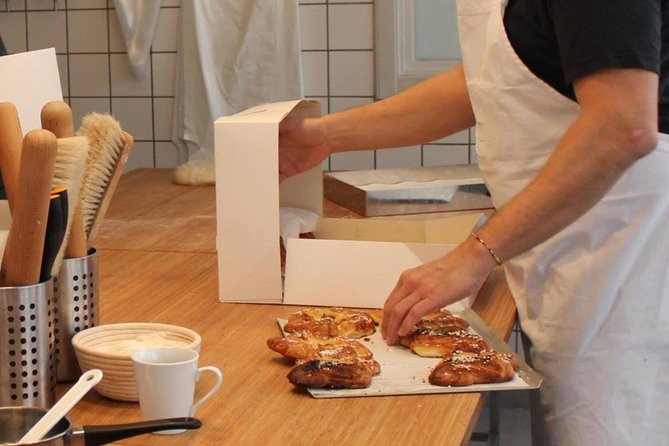
- You make several pastries by hand: Expect cinnamon rolls, Spandauer Danish pastry, and poppy seed and sesame seed twists, with the class producing a generous quantity.
- Chef Frederik Terrible teaches the class: His style is organized, direct, patient, and lightly humorous, with hands-on help as you work.
- The class lasts about three and a half hours: It begins at 9:00 a.m. and finishes back at the school.
- Frederiksberg gives you a local setting: The school is west of central Copenhagen and is reachable by public transportation, followed by some walking.
- Coffee and tea are part of the finish: Once the pastries bake, you sit down to taste what you made.
- You receive the recipes afterward: That turns a pleasant morning into a skill you can repeat at home.
Why this pastry class is worth making room for
Copenhagen has plenty of polished food experiences, but this one asks you to work for your breakfast. That is its charm. You learn how Danish pastry gets its flaky structure, how dough is rolled and folded, and how small changes in shaping and filling affect the finished result.
The class is aimed at food lovers, not only experienced bakers. You do not need to arrive with professional skills. Chef Frederik prepares the class in a clear, orderly way, then takes you through the process step by step. Beginners can follow along, while people who already bake will still pick up useful tips about dough handling and shaping.
I also like that the class produces real food in a generous amount. You are not making one tiny pastry as a souvenir. Past participants have left with two full boxes, and some have made about a dozen pastries each or even more, depending on the day’s setup. That makes the price of $117.23 per person easier to judge. It is not a cheap breakfast, but it includes three and a half hours of instruction, ingredients, drinks, the pastries you make, and recipes for future batches.
Other trips people book in Copenhagen:
- Copenhagen: Canal Cruise with Guide
★ 4.6 · 9,115 reviews - Copenhagen: Hop-On Hop-Off Bus Tour with Boat Tour Option
★ 3.9 · 4,122 reviews - Private Walking Grand Tour of Copenhagen
★ 5.0 · 3,953 reviews
Arriving in Frederiksberg at 9:00 a.m.
The meeting point is Grundtvigsvej 10A, 1864 Frederiksberg, west of Copenhagen’s city center. The area is served by public transportation, but allow time for the last part of the journey on foot.
Finding the entrance can take a little care. The entrance is reportedly around the other side of the street from where Apple Maps or Google Maps may direct you, so do not wait until the last minute to locate the door. One participant used bus 31 and found the location manageable with public transportation and walking.
This is a morning activity, not a drop-in bakery visit. The start time is 9:00 a.m., and arriving late can make the first dough lesson harder to follow. One late arrival was able to catch up, but you should not count on having an easy start if you miss the opening instructions.
The class has a maximum of 12 people. That is large enough to create a friendly social atmosphere, but small enough for the chef to move around and check individual work. If you like meeting people from different countries, this setting gives you that chance without the scale of a large tour group.
The first lesson: dough, hands, and technique
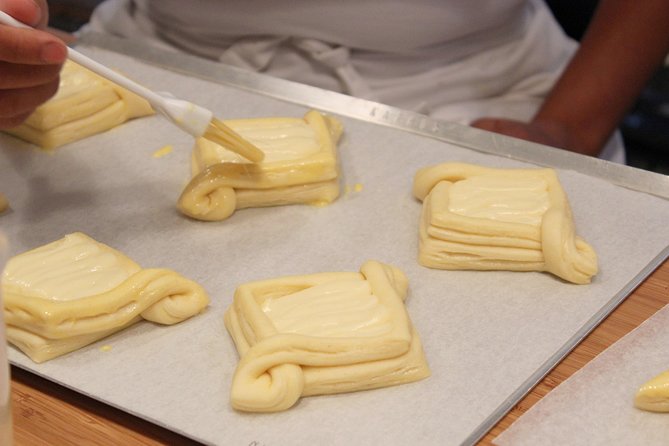
The class begins with a demonstration of basic baking skills. You learn how to knead, roll, and fold the dough before shaping the pastries. These actions sound simple, but they are the core of the experience.
The folding matters most. Danish pastry depends on layers, and the way you handle the dough affects texture. Chef Frederik explains the process while you work, then helps correct problems as they arise. The class is hands-on, so you should expect to keep moving rather than sit back for a long talk.
Several people have found the pace quick but manageable. That is useful to know before you arrive. Listen carefully when the chef gives directions, especially during the shaping stages, and ask questions as soon as you are unsure. The class is organized, but it is not a slow, leisurely demonstration with long pauses between steps.
The teacher’s approach seems to balance firmness with humor. That works well in a baking class, where dough can become frustrating if instructions are vague. You get clear direction, but the mood stays relaxed enough for beginners to enjoy themselves.
Cinnamon rolls and classic Danish shapes
The sample menu includes kanelsnegle, the Danish cinnamon roll. This is familiar territory for many people, but making one from laminated pastry gives you a better sense of what separates a Danish bakery roll from an ordinary sweet bun.
You work with the dough, add the filling, and shape the pastry before it goes into the oven. The value is in seeing the full process. Later, when you buy a pastry from a Copenhagen bakery, you will have a better idea of the labor behind those crisp layers and sweet centers.
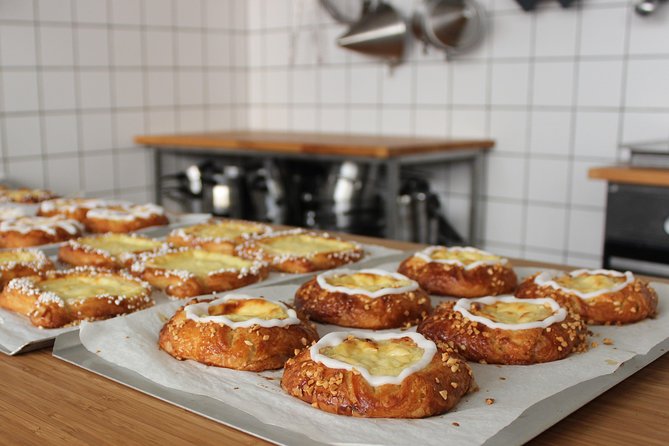
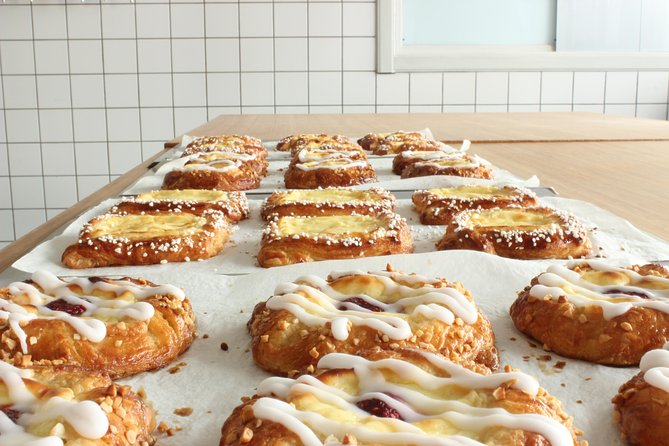
The class also includes Spandauer, a classic Danish pastry shape. This is the kind of item that looks simple in a bakery case but requires care when you prepare it. The corners, filling, and final appearance all depend on how you handle the dough.
Because you are making several kinds in one session, the morning feels active. You are not repeating one recipe for three hours. You switch between different shapes and fillings, which keeps the class interesting and gives you more to try at home.
Same base, a different kind of day out:
- From Copenhagen: Lund and Malmö 2-Country Tour
★ 4.7 · 2,772 reviews - Copenhagen Highlights Walking Tour
★ 5.0 · 2,324 reviews - Copenhagen: Highlights 3 Hour Bike Tour with a Local Guide
★ 4.8 · 2,312 reviews - Hamlet and Sweden Tour – Two Countries in one day !
★ 5.0 · 2,223 reviews
Poppy seed and sesame twists
One of the more distinctive pastries is the frøsnapper, a poppy seed and sesame seed twist. It is less familiar to many visitors than a cinnamon roll, which makes it a particularly good part of the class.
The twists have also proved popular with families and groups sharing their finished boxes. A version with marzipan has been especially sought after, though the exact menu can change. The important point is that you get to make a Danish pastry with a different flavor profile and shape, rather than filling the entire box with cinnamon rolls.
This is one reason I would not treat the class as a standard baking demonstration. You are learning a small range of Danish pastry styles, not just one recipe with a local name attached. The recipes give you a way to repeat the experience at home, though you should be ready for the work involved in handling pastry dough.
From oven to coffee table
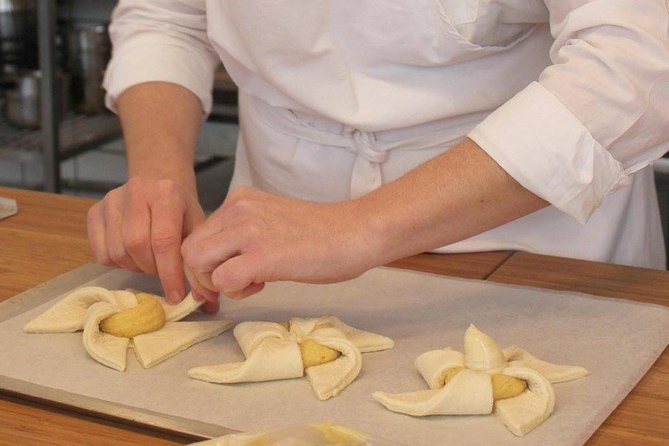
Once your pastries are shaped and baked, the class slows down for tea and coffee. This is the moment when you get to taste the results while they are fresh.
The drinks are a modest but welcome part of the experience. You have been working for several hours, and sitting down with the finished pastries gives the morning a proper ending. It also lets you compare the different shapes and fillings while the process is still fresh in your mind.
Do not assume you will eat everything during the class. The quantity can be substantial. People have reported leaving with two boxes, and some have made enough to share with a large family or group of friends. If you are finishing your trip, consider how you will handle the pastries before booking.
A final day can work well if you want a memorable send-off and have room in your luggage or plans for sharing. It can be less convenient if you are flying immediately afterward and cannot eat or carry a large supply. Starting earlier in your stay gives you more time to enjoy the pastries around Copenhagen.
What you take home

The baked goods are the obvious souvenir, but the recipes may be the more lasting one. After class, the recipes used in the session are emailed to you. That means you do not need to rely on hurried notes or memory once you return home.
For a first-time baker, the recipes provide a clear reason to repeat the class in your own kitchen. For an experienced cook, they offer a base for experimenting with fillings and shapes. The class also provides alternative recipes and instructions, according to the experience of one professional baker who attended.
The quantity is a real benefit, but it needs planning. Bring bags or boxes if the provider does not supply enough for your group, though the experience indicates that boxes are available. Most important, think about who will eat the pastries. A family, office, or group of friends can make good use of them. A solo visitor staying in a small hotel room may have a harder time.
How the price compares with a normal Copenhagen morning
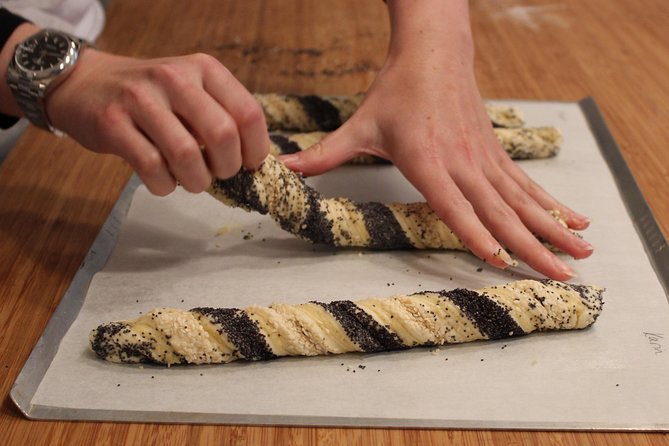
At $117.23 per person, this is more expensive than breakfast at a bakery. That comparison is fair, but incomplete.
You are paying for instruction, ingredients, a small group, a professional pastry chef, coffee and tea, the pastries you produce, and recipes for later use. The experience also fills a full morning, around three and a half hours, rather than the 20 minutes it takes to buy and eat a pastry at a café.
I see the value most clearly if you enjoy cooking or want a food activity that teaches a practical skill. If you only want to taste Danish pastry, spend less at a bakery and use the savings for another meal. If you want to understand the work behind the food and take a large supply with you, the class makes a stronger case.
The 5 out of 5 rating from 276 reviews and a 99 percent recommendation rate suggest unusually consistent satisfaction. Those numbers do not remove the practical issues, such as the fast instructions, the difficult-to-spot entrance, or the mountain of baked goods. They do show that the core experience, teaching, pastry quality, and atmosphere have worked very well for a large number of people.
Who will enjoy this morning most
I would recommend the class to:
- Food-focused visitors who want to learn about Danish baking rather than only eat it.
- Couples and families looking for a shared activity with a tangible result.
- Beginners who appreciate clear instructions and hands-on help.
- Experienced bakers who want Danish recipes and fresh ideas for shaping pastry.
- Visitors with a free morning who can reach Frederiksberg by 9:00 a.m.
- People who like social classes with a small international group.
I would think twice if you dislike structured instruction, have trouble standing and working for much of a three-and-a-half-hour session, or cannot carry a large amount of food afterward. The supplied information does not describe accessibility arrangements, so contact the provider directly if you have mobility or dietary needs that could affect participation.
The class is offered in English. Confirmation is sent within 48 hours of booking, subject to availability. The activity requires a minimum number of participants, and if that minimum is not reached, you are offered another date or experience, or a full refund.
The booking is non-refundable and cannot be changed for any reason, so choose your date carefully. The class is often reserved about 70 days ahead, which is a useful warning if your Copenhagen dates are fixed.
Should you book The Art of Baking Danish Pastry?
Book it if you want to spend a morning making Danish food with your own hands, especially if you like the idea of leaving with boxes of pastries and recipes for later. Chef Frederik Terrible’s organized, funny, and direct teaching style suits beginners, while the range of pastries gives experienced bakers something useful to take home.
I would schedule it early in your stay if possible. That gives you time to enjoy the pastries over the next few days and makes it easier to share them. Book it near the end if you want a memorable final morning and have a clear plan for the baked goods.
Skip it only if you are looking for a quick tasting or have no interest in cooking. For everyone else, this is a practical, social, and very edible way to understand one of Denmark’s best-known food traditions.
FAQ
Where does The Art of Baking Danish Pastry take place?
The class takes place at Terrible French Pastry School, Grundtvigsvej 10A, 1864 Frederiksberg, Denmark.
What time does the class begin?
The class starts at 9:00 a.m.
How long does the baking class last?
The activity lasts approximately 3 hours and 30 minutes.
What pastries will I make?
The sample menu includes cinnamon rolls called kanelsnegle, Spandauer Danish pastry, and poppy seed and sesame seed twists called frøsnapper.
Is the class taught in English?
Yes. The experience is offered in English.
How many people can join the class?
The class has a maximum of 12 participants.
Do I receive the recipes after the class?
Yes. The recipes used during the class are emailed to you afterward.
Just added in Copenhagen
- a day at North Zealand Castle Tour★ 4.5 · 19 reviews
- Copenhagen Walking Tour: Highlights and Hygge w/Lunch★ 5.0 · 272 reviews
- Exhibition – Home of Carlsberg★ 4.5 · 281 reviews
- The Six Forgotten Giants Trolls Hunt with Minibus★ 4.5 · 27 reviews
- The Hunt For The Six Forgotten Giants★ 5.0 · 45 reviews
- Politically Incorrect Private Hidden Gems Walking Tour★ 5.0 · 270 reviews
- Social Nightlife Crawl Copenhagen★ 5.0 · 164 reviews
- THE TUBE – Copenhagen: an immersive Experience★ 4.0 · 124 reviews
Tours in Denmark, compared.
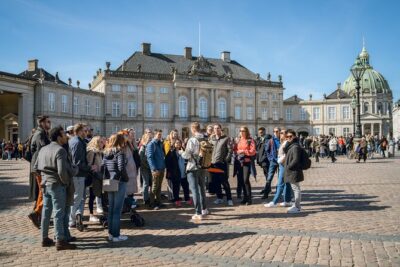
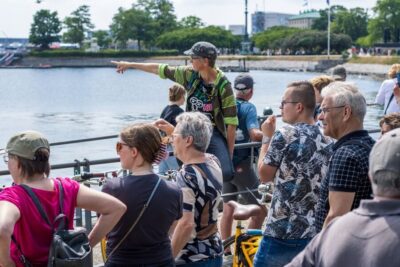
Highlights 3 Hour Bike Tour with a Local Guide
Read our review →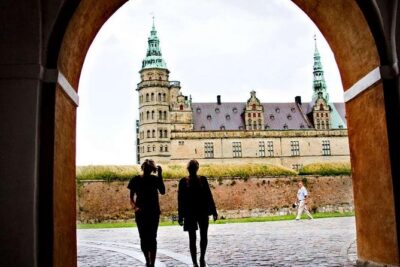
Hamlet and Sweden Tour – Two Countries in one day !
Read our review →
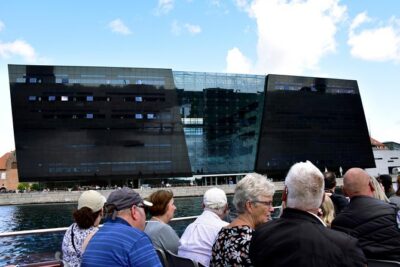
Copenhagen Sightseeing Classic Canal Tour With Live Guide
Read our review →
Kronborg, Frederiksborg Castle and Roskilde Tour
Read our review →Browse the lists this tour appears in