
Reviewed · HIKING & TREKKING
Abisko National Park: Scenic Morning Hike with Transfer
The best part of this Abisko outing is not simply the walking. It is learning how to read the Arctic around you. A guide such as Felix, Sara, Cecilia, or Miquel can point out animal tracks in the snow, explain Sami traditions, and show you why the Abisko river canyon and frozen river delta matter.
I like the small group limit of 10, which keeps the walk personal and makes it easier to ask questions. I also like the easy 3 to 4 km route, with regular stops for photographs and scenery rather than a hard push through the park. The main consideration is that much of the route is accessible on your own, so the $88 price rests on the guide’s insight, the transfer, and the comfort of having someone lead you in winter conditions.
Key points to know before you book
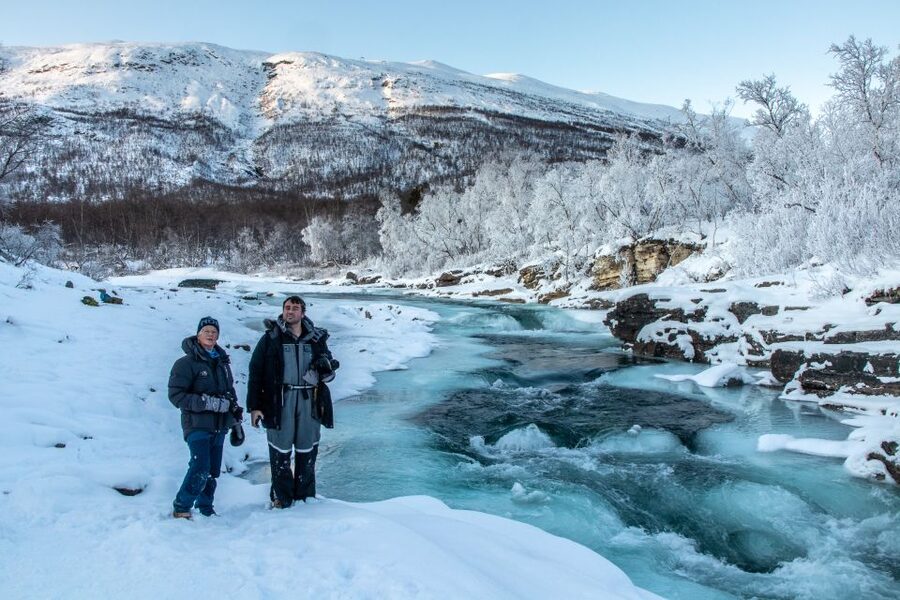
- A gentle 3 to 4 km route suits visitors who want an introduction to Abisko rather than a demanding mountain hike.
- The Abisko river canyon and delta provide some of the most memorable views, especially with snow, low winter light, or a frozen lake.
- Wildlife sightings are possible but never promised, with moose, reindeer, foxes, mountain hare, birds, and animal tracks among the highlights.
- Guides add the real value, explaining Arctic plants, Sami culture, local history, railways, and life above the Arctic Circle.
- Hotel pickup is included, with morning collection from five Abisko locations, but not from Kiruna.
- Warm clothing and solid footwear matter, since snow, ice, wind, and very cold temperatures can make even an easy route feel demanding.
Why a short morning walk works so well in Abisko
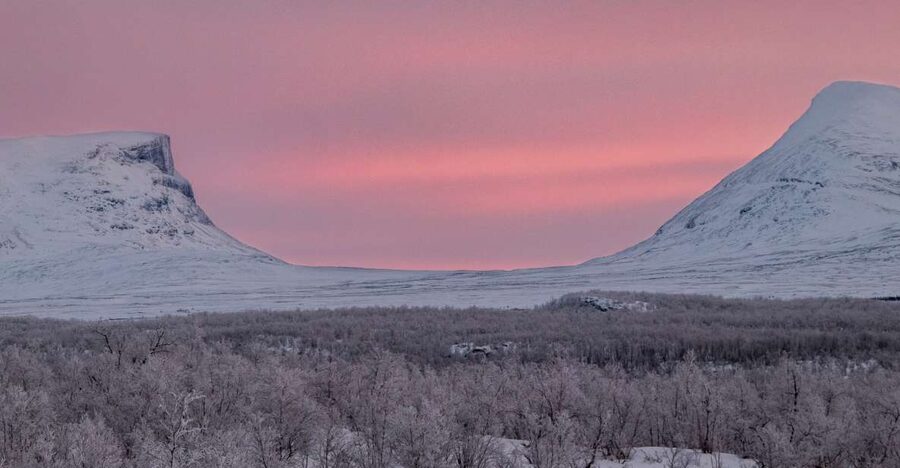
Abisko National Park is a place where the details can be easy to miss. You may see a line of peaks, a broad lake, and a snowy forest, yet not know where to look for animal tracks or understand how people have lived here for generations.
That is where this two-hour walk earns its place. You cover only about 3 to 4 km, so you have time to stop. Your guide can show you marks in the snow, identify birds, and explain the mountain birch forest instead of simply leading you from one viewpoint to the next.
I would treat this as an introduction to Abisko, not a major wilderness trek. The walk is short and generally gentle. One visitor found the route too basic for an experienced hiker, noting that much of it could be reached without a guide. That is fair. If you already know the trails and local ecology, you may want a longer outing.
For a first visit, though, the short format works well. You get your bearings, see several distinct parts of the park, and still have most of the day left for other plans.
A few more things to do in Sweden worth a look
- Abisko: Wilderness Snowshoe Hike
★ 4.8 · 94 reviews - Skaftafell: Ice Cave Tour and Glacier Hike
★ 4.5 · 1,746 reviews - Skaftafell National Park: Falljokull Glacier Easy Hike
★ 4.7 · 1,370 reviews
The morning pickup from Abisko hotels
The transfer is simple but useful, especially in winter. Pickup is offered at Abisko Fjällturer, Hotell Fjället, Abisko Mountain Lodge, Abisko Guesthouse, and STF Abisko Turiststation.
The published pickup schedule begins at 9:00 AM at Hotell Fjället. Abisko Guesthouse, Abisko Fjällturer, and Abisko Mountain Lodge are generally collected around 9:15 to 9:30 AM, while STF Abisko Turiststation is listed at 9:30 AM. You should check your exact meeting point and time when booking, since several locations share a time window.
There is no pickup from Kiruna. That detail matters. If you are based in Kiruna, you need to arrange your own way to Abisko before joining the walk. The included transfer is a local hotel service, not a connection from the city.
Because this is a morning experience, you also get a useful daylight outing at the start of your day. In winter, that can mean soft light, fresh snow, and long shadows. It can also mean serious cold, so do not mistake a nine o’clock start for a mild one.
Walking beside the canyon, forest, and river delta
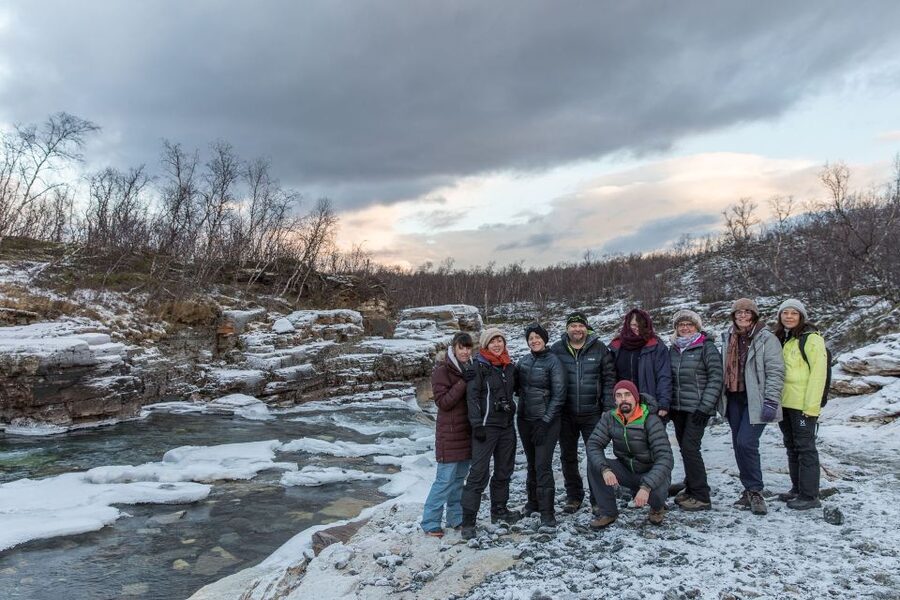
The exact trail can vary, but a representative route follows the scenic Abisko river canyon. You walk through ancient mountain birch forest, then reach open views toward the Abisko river delta and surrounding peaks.
The canyon gives the walk shape. Instead of a flat stroll through trees, you get changing views and the sound of water in places. The river becomes a useful thread through the outing, and guides often use it to explain the area’s natural features.
The birch forest is just as important. In this part of Sweden, the trees are shaped by a harsh climate, and the forest gives you a close look at how plants survive at Arctic latitude. Your guide can make those small details meaningful, from the growth of the trees to signs left by animals.
The river delta opens the view. Here, the scenery becomes broad and quiet, with mountain peaks rising beyond the low ground. In winter, the snow and frozen water can make the area feel almost still. One particularly memorable outing included a pause beside the frozen delta, with the sun rising on one side and the moon still visible on the other.
You should bring a camera, but do not spend the whole walk looking through it. The guides make regular stops, and the best part of the experience is often a short explanation or a moment of silence rather than another photograph.
Lake Torneträsk and the changing Arctic light
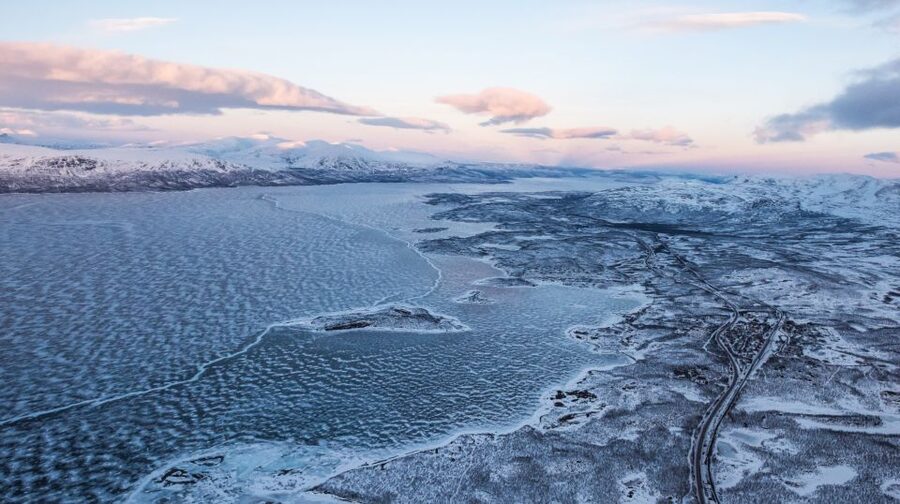
Lake Torneträsk is one of the major scenic rewards of the outing. Depending on the season and route, you may see the lake from open viewpoints or walk near frozen sections of it.
Winter conditions have produced striking scenes for past participants, including time spent on the frozen lake with the mountains and Lapporten area around them. You should not treat that as a guaranteed feature of every departure, since the route and conditions can change, but it shows the kind of setting this walk can reach.
The light may be as important as the view. In the darker months, low sun can bring pink, gold, or blue tones to the snow and peaks. Clear weather can make the cold feel sharper, while cloud or wind may reduce visibility. The park remains worthwhile in either case, but your expectations should allow for Arctic weather rather than postcard conditions every time.
One practical point: frozen ground and deep snow can be awkward even on an easy trail. A participant from Florida found snowy paths intimidating at first, but felt safe because the guide gave support and paused to explain the surroundings. Another person noted that deep snow made balance tricky. Comfortable shoes are required, but warm shoes with dependable footing are far more useful than ordinary sneakers.
Same base, a different kind of day out:
- Stockholm: City Archipelago Sightseeing Cruise with Guide
★ 4.3 · 10,798 reviews - Stockholm: Skansen Open-Air Museum Admission Ticket
★ 4.5 · 3,427 reviews - Stockholm: Archipelago Boat Tour
★ 4.4 · 3,110 reviews - Stockholm: Highlights Boat Tour
★ 4.3 · 2,542 reviews
Wildlife is a possibility, not the whole promise
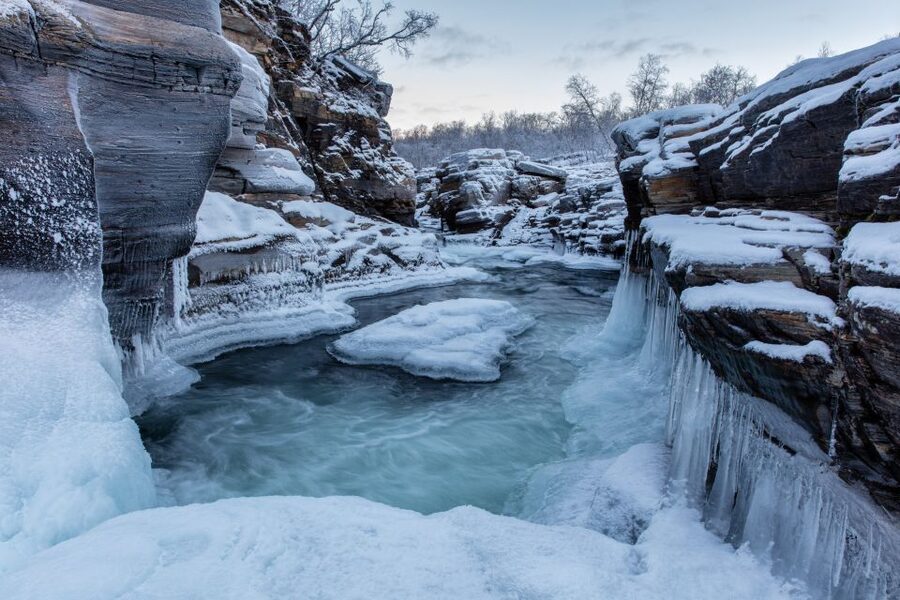
The park offers a chance to see reindeer, mountain hare, foxes, birds, and Scandinavian moose. You may also find tracks that tell you more than a quick animal sighting would.
Moose have appeared on some outings, including two seen resting at a distance and another described as guarding a calf. Reindeer and ptarmigan have also been spotted. Those moments are special, but they depend on luck, weather, season, and keeping your eyes open.
I would book this for the scenery and interpretation first, with wildlife as a bonus. If you expect guaranteed moose, you are setting yourself up for disappointment. If you are happy learning to recognize tracks and signs, the walk can still be rewarding when the larger animals remain out of sight.
This is where a guide makes a clear difference. A line in the snow may look meaningless to you. A good guide can explain which animal passed by and what the track suggests about its movement. Guides also point out birds and plants that you might walk past without noticing.
Guides who make a simple walk feel richer
The strongest part of this experience is the guiding. Several guides have received particularly warm praise for their patience, clear explanations, and care with different walking speeds.
Felix is repeatedly described as friendly, careful, and good at explaining scenery, animal life, and tracks. Sara has led walks focused on plants, trees, the river, the lake, wildlife, and daily life in the Arctic. Cecilia has been praised for her facts about Abisko, while Miquel has explained the area and Sami traditions with close attention to the group.
Other named guides include Marco, Matteo, Romy, Fabian, James, Gavin, Anne, Claudio, Nigel, and Zach. The names change, but the pattern is consistent: the guide is central to the experience.
The best guides do more than recite facts. They adjust the pace, help on tricky sections, wait for photographs, and make sure everyone stays comfortable. Matteo, for example, was noted for checking footwear and helping people through difficult parts. Romy kept a relaxed pace and allowed time for photographs. A quiet pause for complete silence was also part of one memorable walk.
That personal attention matters in a group of up to 10. You are not being pushed along in a large crowd, and it is easier to ask about the Sami people, the railway, the park, or the animals around you.
What the experience teaches you about Abisko
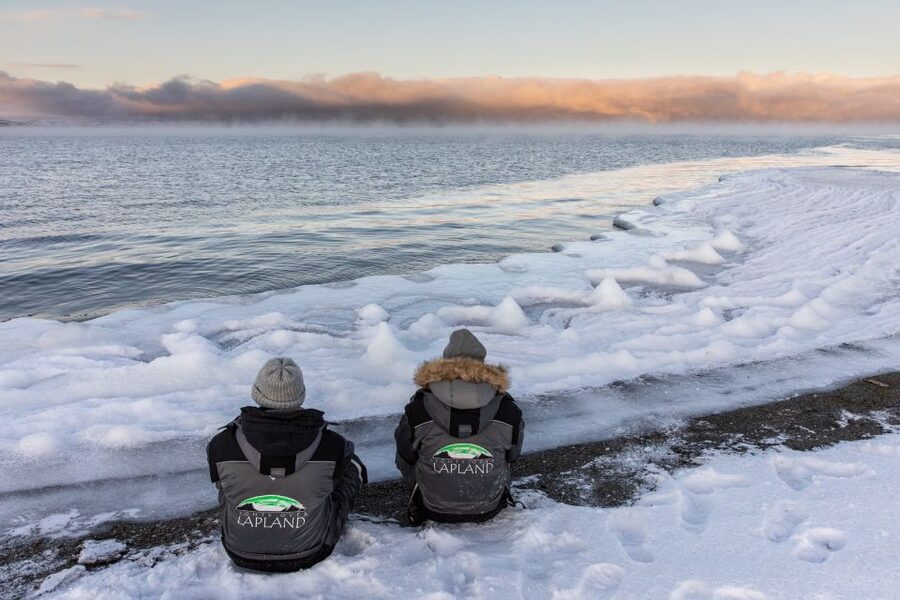
This walk gives you more than nature facts. It can connect the scenery to local life.
Guides discuss the Indigenous Sami people of the region, the history of Abisko, the railway, local cabins, and what it means to live in the Arctic. These subjects help explain why the area looks and feels the way it does.
The railway is an especially useful detail because it links this remote setting with the outside world. A guide may also explain the role of trails and cabins in the region. You are not just looking at a mountain valley. You are learning how people travel through it, work in it, and adapt to it.
I like this human side of the walk. It keeps the outing from becoming a string of scenic stops. You get a better sense of Abisko as a lived-in place, not only a protected park.
The English-language guiding is another practical point. The tour is offered in English, and the guide’s ability to explain small details is a major part of the value. If you want a silent walk with little interpretation, you may find the commentary unnecessary. If you want context, it is exactly what you are paying for.
Is $88 a fair price for two hours?
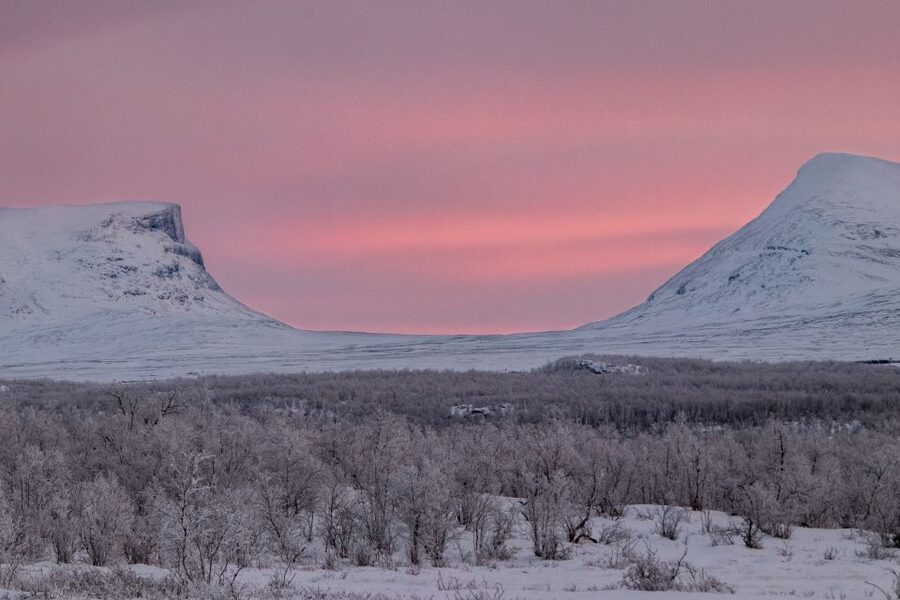
At $88 per person, this is not a cheap way to take a walk. You are paying for a short outing, hotel pickup and drop-off, a guide, and a small group capped at 10. Food and drinks are not included.
The value depends on your confidence in the Arctic outdoors. If you are comfortable finding the trails, reading conditions, and walking through snow alone, you may decide the price is high. The route is not presented as a strenuous expedition, and much of the park can be reached without a guide.
I think the price makes more sense for a first-time visitor, a solo visitor who wants company, or anyone visiting during winter. Snow and ice can make familiar-looking trails harder to judge. Having a guide who checks the pace, points out safe footing, and explains the area adds real value.
It also works well if you have only one day in Abisko. The walk gives you a useful introduction without taking over your schedule. Free cancellation up to 24 hours before departure and the option to reserve now and pay later also make it easier to fit into a changing trip plan.
Who should book this Abisko hike?
I would recommend it to first-time visitors, casual walkers, couples, solo visitors, and anyone who wants an easy morning introduction to the park. It is also a good choice if you are curious about Sami culture, Arctic wildlife, and the area’s past, not just mountain photographs.
You should be reasonably comfortable walking outdoors for two hours. The activity is not suitable for children under 7 or people with mobility impairments. Bring warm clothing, warm shoes, comfortable clothes, and footwear suited to snow or uneven ground.
Families with older children may find the gentle pace manageable. One 10-year-old completed the walk in windy, snowy weather with a guide who paid close attention to the group. Still, cold tolerance and footwear matter more than the distance.
Experienced hikers may want more. The route is short, the pace is relaxed, and the main reward is explanation rather than physical challenge. For you, this may work as a first-day orientation rather than the main hike of your trip.
My verdict on Lights Over Lapland’s morning walk
Book this tour if you want to understand Abisko quickly and safely, especially in winter. The canyon, river delta, birch forest, mountain peaks, and Lake Torneträsk offer plenty to see, but the guide is what ties it all together.
Skip it if you are seeking a strenuous trek, guaranteed wildlife, or a remote route far from accessible park paths. You can walk some of the area independently, and the two-hour format will feel basic to strong hikers.
For most first-time visitors, I see the $88 as a reasonable introduction. Choose it early in your stay if possible. You will learn the lay of the park, discover what animal tracks to watch for, and gain a better sense of which longer walks might suit you later.
FAQ
How long is the Abisko morning hike?
The activity lasts two hours and covers roughly 3 to 4 km on a guided route through Abisko National Park.
What sights might I see during the walk?
You may see the Abisko river canyon, mountain birch forest, the Abisko river delta, mountain peaks, and views around Lake Torneträsk. The exact route can vary.
Is hotel pickup included?
Yes. Pickup and drop-off are included from Abisko Fjällturer, Hotell Fjället, Abisko Mountain Lodge, Abisko Guesthouse, and STF Abisko Turiststation.
Is pickup available from Kiruna?
No. The activity specifically states that there is no pickup from Kiruna.
What time does pickup begin?
Pickup is listed at 9:00 AM from Hotell Fjället, around 9:15 to 9:30 AM from Abisko Guesthouse, Abisko Fjällturer, and Abisko Mountain Lodge, and at 9:30 AM from STF Abisko Turiststation.
Can I see wildlife?
You might see reindeer, mountain hare, foxes, birds, moose, or other Arctic wildlife. Sightings are not guaranteed, but guides also look for animal tracks.
What language is the tour offered in?
The live tour guide speaks English.
What should I bring?
Bring comfortable shoes, warm shoes, warm clothing, and comfortable clothes. Snow, wind, and cold temperatures can make proper footwear especially important.
Can I cancel the booking?
You can cancel up to 24 hours in advance for a full refund. The activity also offers a reserve now and pay later option.
More Private Drivers in Sweden
- Arlanda Airport Bus Transfer Departure
★ 3.5 · 497 reviews - Arlanda Airport Bus Transfer Arrival
★ 3.5 · 490 reviews - Reykjavik: Sky Lagoon Admission with Transfer
★ 4.8 · 2,388 reviews - Reykjavík: Golden Circle Minibus Tour & Blue Lagoon Transfer
★ 4.9 · 546 reviews
Just added in Sweden
- Abisko/Björkliden: Panorama Snowmobile Tour with Snacks★ 4.9 · 60 reviews
- Abisko: Great Outback Snowmobile Tour with Lake Abiskojaure★ 5.0 · 24 reviews
- Abisko: Fjord Sightseeing and Photography Tour★ 4.8 · 48 reviews
- Abisko: Snowmobile Sightseeing Tour★ 4.9 · 43 reviews
- Abisko: Aurora Snowshoeing★ 4.7 · 59 reviews
- Gothenburg: 24 Hour Hop On–Hop Off Bus and Boat Tour★ 4.3 · 37 reviews
- Malmö: 3-Hour Guided Walking Tour★ 4.4 · 34 reviews
- Abisko: Wilderness Snowshoe Hike★ 4.8 · 94 reviews
Hiking & Trekking, compared.
Skaftafell National Park: Falljokull Glacier Easy Hike
Read our review →
Glacier Hike, Waterfalls and Black Sand Beach
Read our review →
Volcano Eruption Site and Reykjanes Hiking Tour
Read our review →
Guided Afternoon Hiking Tour to New Volcano Site
Read our review →
Jökulsárlón: Vatnajökull Glacier Guided Hiking Tour
Read our review →Browse the lists this tour appears in