
Reviewed · OLD TOWN & HISTORIC QUARTER TOURS
Stockholm: Old Town Guided Walking Tour (English / Deutsch)
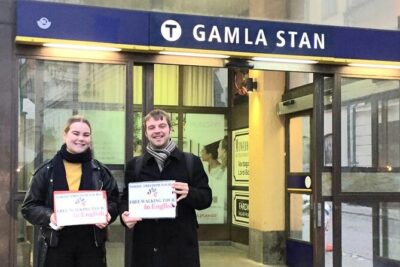
Stockholm’s Gamla Stan is easy to admire and surprisingly easy to misunderstand. This two-hour walk helps you read the medieval street plan, understand the Stockholm Bloodbath, spot the old German influence, and connect royal power with everyday life. Guides such as Sophie and Andre use historic pictures at each stop, which makes the past easier to picture.
I like the relaxed pace and the short fika at the end. I also like the practical local recommendations sent afterward by WhatsApp, especially for food, viewpoints, archipelago islands, and lower-cost ideas. The main limitation is that you only see the sights from outside, so you will need separate tickets and time if you want to enter the palace, cathedral, or museums.
Key points at a glance
- Historic images at every stop help you compare medieval Stockholm with the streets you see today.
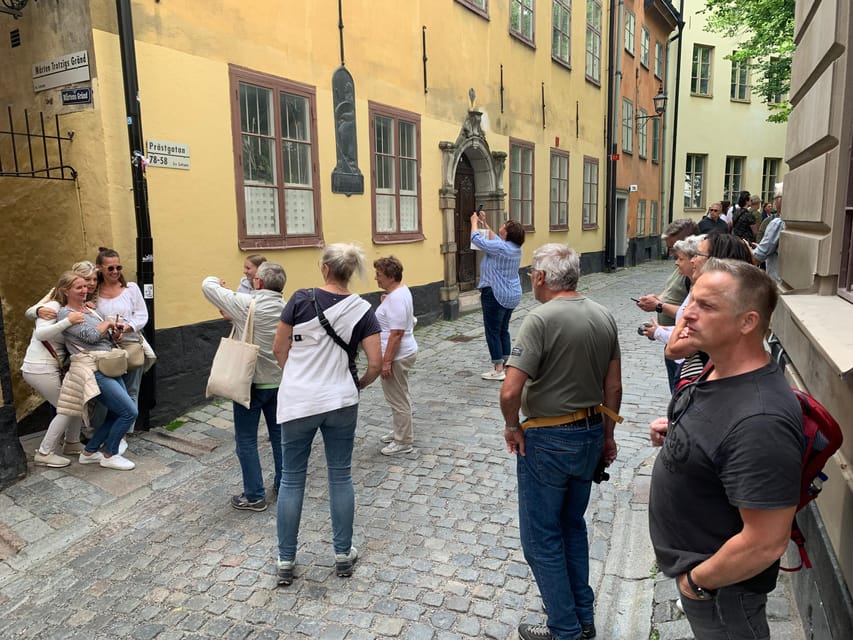
- Mårten Trotzigs Gränd gives you one of Gamla Stan’s most memorable photo stops, in a very narrow passage.
- Stortorget and the Nobel Prize Museum connect Stockholm’s old market square with a modern Swedish institution.
- The route covers royal, religious, commercial, and residential streets, not just the postcard sights.
- A mini fika adds a small but fitting Swedish finish to the walk.
- The $29 price is fair if you want orientation, local stories, and recommendations before exploring on your own.
Why this Gamla Stan walk is useful early in your trip
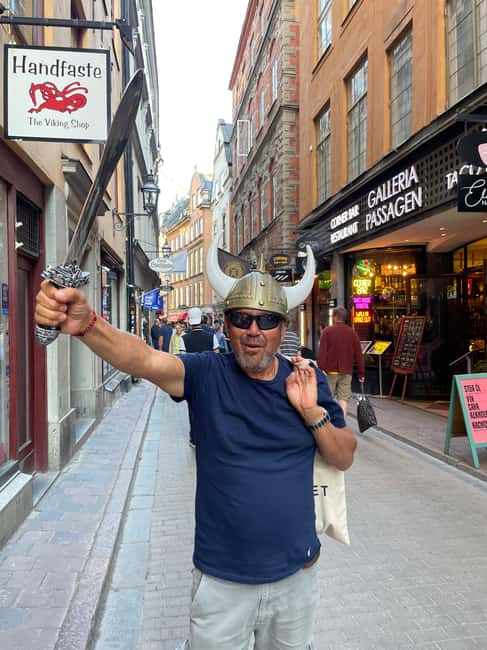
Gamla Stan looks compact on a map, but its lanes can feel confusing once you are among the old buildings. The walk begins at Birger Jarls Torg on Riddarholmen, close to the Birger Jarl statue and the Gamla Stan subway station. That makes it a practical first or second activity in Stockholm, when you want to get your bearings without spending half a day indoors.
You cover the major historic center in two hours. That is enough time for a strong introduction, but not so long that children or less enthusiastic walkers are likely to tire of dates and royal names. The pace is described as relaxed, and one review specifically praised guide Andre for helping with family pictures. That tells you this is not a race from one landmark to the next.
The tour is led in English or German, with a small-group option available. Sophie and Andre are among the guides named in the feedback, but you should not assume one of them will lead your departure. The important point is the approach: local explanation, historic images, and time to stop for photographs.
Other walks through old Stockholm:
- Walking Tour of Stockholm Old Town
★ 5.0 · 1,175 reviews - The Original Stockholm Ghost Walk and Historical Tour – Gamla Stan
★ 4.5 · 1,165 reviews - Stockholm: Old Town Walking Tour with Local Guide
★ 4.7 · 719 reviews
Riddarholmen begins with Stockholm’s royal and religious past
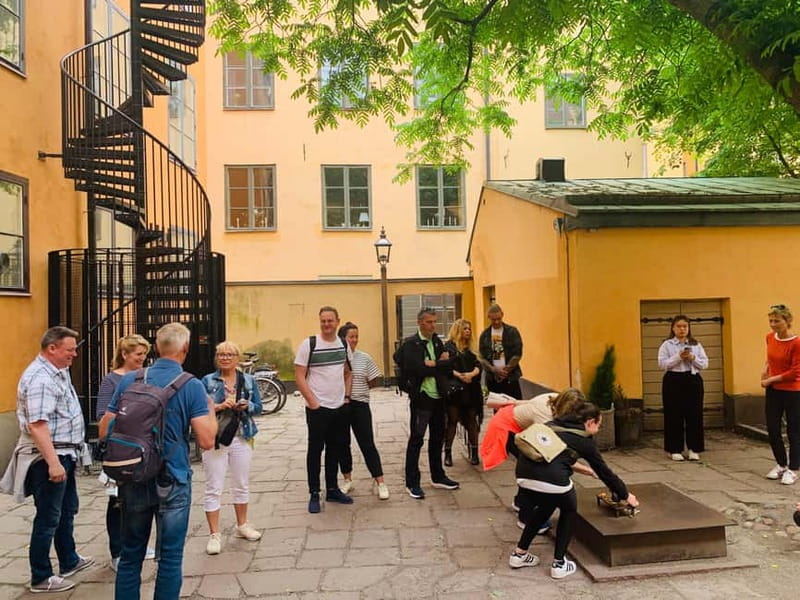
The first proper stop is Riddarholmen, a small island beside Gamla Stan. Riddarholmen Church gives the opening section a clear focus. You are looking at one of Stockholm’s best-known historic churches, but the guide’s role is to place it within the larger story of the city rather than simply point out its exterior.
From there, the route passes through Stora Gråmunkegränd and Ignatiigränd. These lanes are useful because they show how much of Gamla Stan’s character comes from small spaces rather than grand buildings. You get a feel for the old street pattern, with narrow passages and changes in direction that make the district more than a collection of monuments.
This part of the walk includes photo stops and short stretches on foot. Wear shoes with good support. The tour is not presented as suitable for wheelchair users, and the narrow historic lanes are an important part of the route, not an optional detour.
Västerlånggatan shows the busy side of the old town
Västerlånggatan is one of Gamla Stan’s best-known streets. It helps explain how the old center works today, with a mix of historic buildings, shops, food stops, and heavy foot traffic. The guide can use the street to contrast modern Stockholm with earlier life in the district.
This is also where the walk moves from broad questions about the city into more specific stories. You learn who lived in Gamla Stan, how people used the streets, and whether residents still live in the old town today. Those questions matter because they keep the area from feeling like a stage set made only for sightseeing.
The tour also addresses the old claim that Gamla Stan was a German colony during the Hanseatic League period. You will hear about Stockholm’s close links with its neighbors, including the long rivalry with Denmark. The Nordic context gives the narrow streets a wider meaning without turning the walk into a lecture on Scandinavian history.
Svartmangatan and the German Church reveal old connections
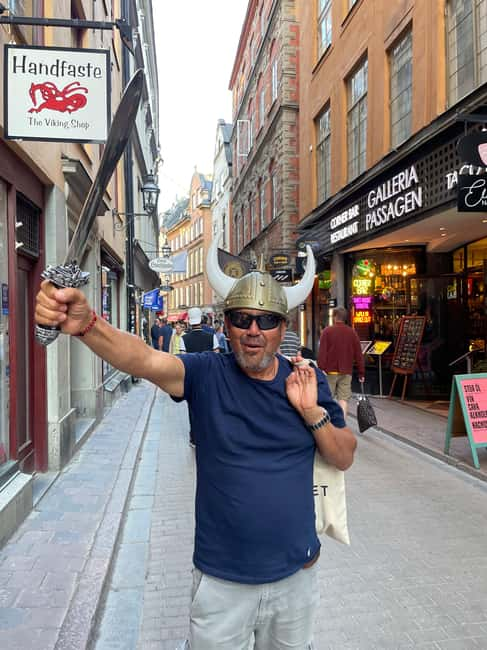
Svartmangatan leads you toward the German Church, one of the route’s clearest reminders of Stockholm’s historic trade links. The German presence in the old town is not treated as a random detail. It fits with the discussion of merchants, the Hanseatic world, and the northern European connections that shaped Stockholm.
The German Church is an exterior stop, so you will not tour the inside as part of the $29 experience. That is worth remembering if church interiors are a priority for you. Still, the outside setting gives the guide a useful backdrop for explaining how language, trade, and community life affected the medieval city.
Prästgatan and Österlånggatan continue the walk through streets with different moods and functions. The contrast helps you see that Gamla Stan was not one uniform medieval neighborhood. It had commercial routes, residential corners, religious buildings, royal spaces, and areas with less respectable reputations.
A few more things to do in Stockholm worth a look
- Stockholm: Ghost Walk and Historical Tour
★ 4.7 · 2,206 reviews - Best of Stockholm Walking Tour-3 Hours, Small Group max 10 people
★ 5.0 · 645 reviews - The Nordic Food Walk Stockholm
★ 4.5 · 642 reviews - Walking Tour of Stockholm’s Old Town, Gamla Stan
★ 5.0 · 451 reviews
Mårten Trotzigs Gränd is small but memorable
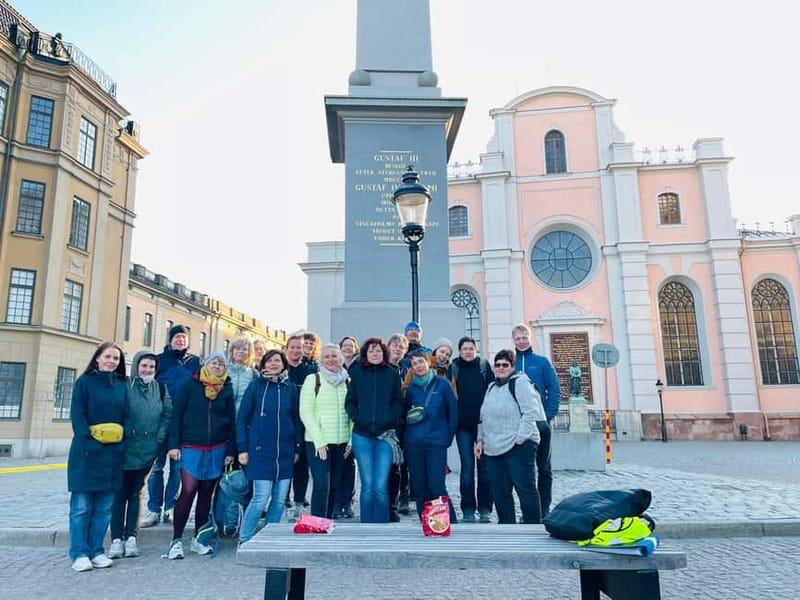
Mårten Trotzigs Gränd is the narrowest alley on the route, and likely one of the easiest stops to remember afterward. It is a short passage where the walls close in around you, making the scale of old Stockholm immediately clear.
This is a photo stop, not a long visit. That is a good arrangement. The alley is narrow enough that a large group would quickly block it, so your guide will need to keep the stop moving. Take your picture, listen to the explanation, and allow space for people coming through.
The route also raises colorful questions about the old town’s more difficult corners, including the former executioner’s home, Hell Street, and the old ghetto. These topics add edge to the story. Gamla Stan was not only a royal showcase or a pretty collection of lanes. It was also a working neighborhood with poverty, punishment, crowding, and social divisions.
Stortorget connects tragedy, ceremony, and the Nobel Prize
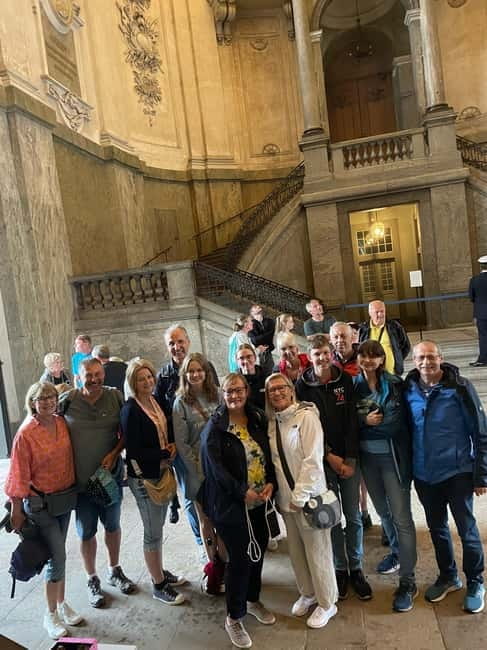
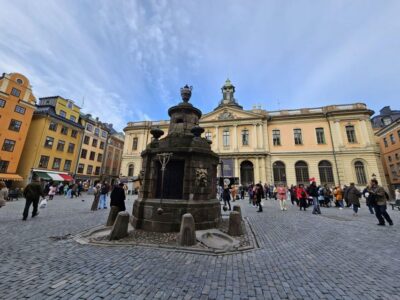
Stortorget is one of the essential stops. The square is visually striking, but its importance goes beyond the familiar colorful facades. Here the guide explains the Stockholm Bloodbath, one of the darkest events in the city’s history.
The story gives the square a sharper meaning. You are not simply photographing a pleasant market space. You are standing in a place tied to political conflict, executions, and the struggle for power in Scandinavia. This is one of the points where the historic images can be especially useful, since they help you compare the present-day square with earlier scenes.
The Nobel Prize Museum is nearby. Because the tour passes by from outside, you will not receive a museum visit or entry ticket. The value here is orientation. You learn where it is, why it matters to Stockholm, and how this modern institution sits within a much older district.
If you want to visit the museum, plan a separate stop after the walk. The tour gives you enough context to make that visit more meaningful, but it does not replace it.
The Iron Boy adds a small, human pause
The Iron Boy, also called the Boy Who Watches the Moon, is a tiny statue and one of the tour’s gentler moments. After churches, royal buildings, political violence, and medieval social history, this small figure offers a change of scale.
It is exactly the sort of detail you can miss when exploring on your own. The statue does not require a long stop, yet it gives the walk a personal touch. You get a reminder that Gamla Stan is also a neighborhood of small artworks and local curiosities, not just a set of grand landmarks.
This is a good place for a quick photograph, though do not expect a major monument or a long presentation. Its appeal is its size and character.
The Royal Palace and cathedral close the main sightseeing loop
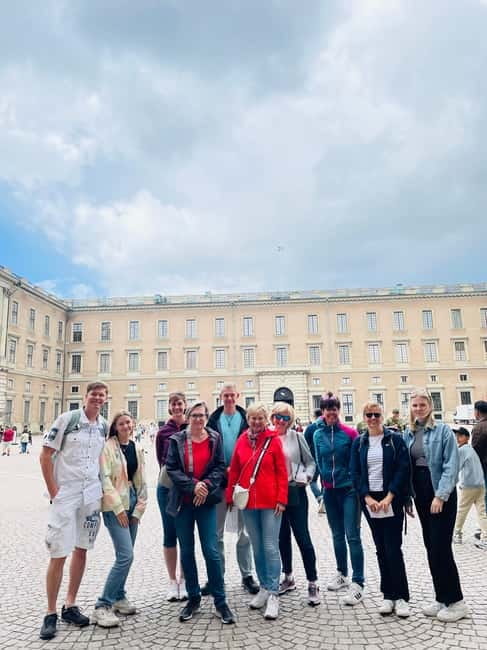
The Royal Palace is one of the final major stops. You see it from outside and hear about its role in Stockholm’s royal story. The guide also answers one of the more unusual historical questions on the walk: why a French officer became Swedish king in the early 1800s.
That detail gives the palace stop a useful human angle. Instead of treating the monarchy as a list of names and dates, the story points to how international politics could shape Sweden’s leadership.
Stockholm Cathedral follows nearby. Again, the visit is exterior only, but the location helps pull together the religious and royal sides of the old town. The route has moved from Riddarholmen Church and the German Church to the cathedral, giving you a broad view of the religious buildings that shaped the city center.
The tour finishes at Gustav III’s Obelisk, with the activity information also describing the end as back at the meeting point. Check the exact end point shown for your departure when booking, especially if you have a restaurant reservation or another timed activity afterward.
Historic pictures make the stories easier to follow
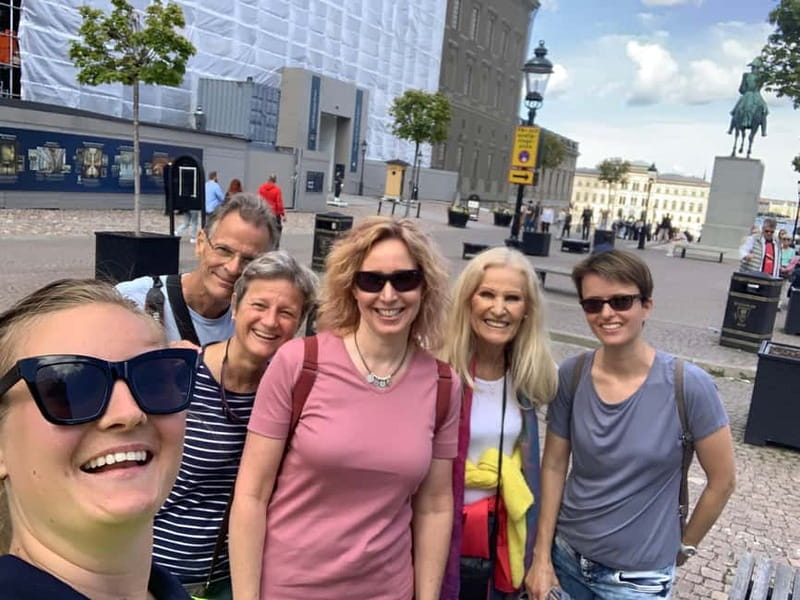
The most useful feature of this walk is not simply the number of stops. It is the use of old images at each stop. Gamla Stan is full of preserved facades, but it can be hard to imagine how the streets looked, who used them, or how daily life differed from today.
A visual comparison gives you something concrete to study. You can look at a current street while seeing an older version in front of you. That works especially well for questions about housing, trade, punishment, and public spaces.
The guides also cover a wide range of subjects: Viking connections to Stockholm, the Hanseatic League, Danish rivalry, the Stockholm Bloodbath, and the city’s changing social groups. You should expect a broad introduction rather than a specialist lecture on one narrow topic.
What the $29 price includes
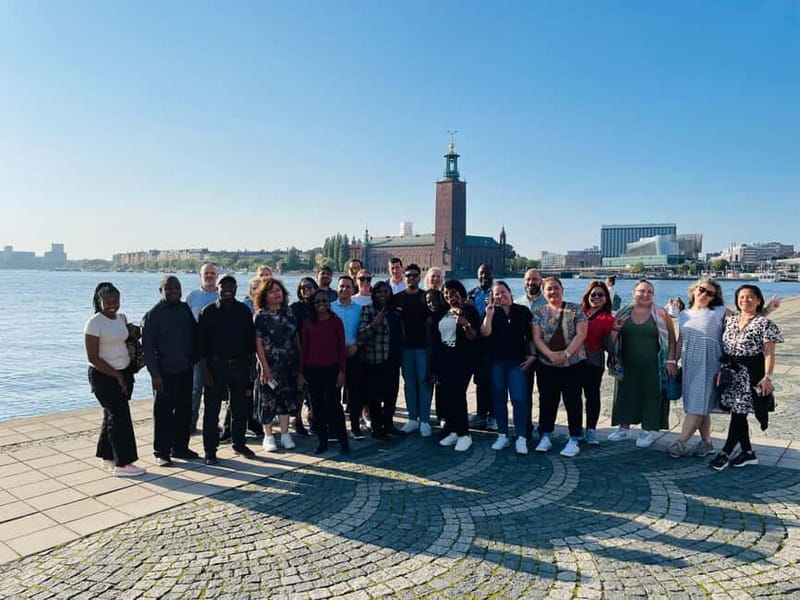
At $29 per person, this is a reasonable buy for a two-hour introduction to central Stockholm. You are paying for a local guide, the visual material, the walking route, a small fika, and a list of local recommendations sent to the phone number used in the booking.
That final message adds more value than it might first appear. After the tour, you receive suggestions for restaurants, fika spots, viewpoints, archipelago islands, and budget-friendly choices around town. If you are visiting Stockholm for a short stay, this can save time when deciding what to do next.
The price does not include entry to the Royal Palace, Stockholm Cathedral, Nobel Prize Museum, or any other attraction. Since the tour passes the sights from outside, compare the cost with your plans. Book this walk for orientation and local context, then pay separately for the interiors that matter most to you.
The free cancellation window is up to 24 hours before the activity, and you can reserve now and pay later. Those options are useful if your Stockholm schedule depends on weather or changing transport plans.
Who should book this walk
I would choose this for a first visit to Stockholm, especially if you want history in manageable portions. It also suits families, couples, and solo visitors who prefer a guide to explain the street plan rather than simply handing them a list of places to photograph.
The relaxed pace should work well for people who want time for pictures. Andre’s help with family photos is a small but practical example of the friendly service you can expect from a good guide. The walk is also a sensible choice if you want a short activity between meals, museums, or ferry plans.
You may want something else if you need full interior visits, a long specialist history talk, or an accessible route without narrow lanes. The tour is not suitable for wheelchair users. Unaccompanied minors are not allowed, and intoxicated participants are not accepted.
Bring comfortable shoes, weather-ready clothing, and a charged smartphone. Stockholm’s weather can change quickly, and the activity takes place outdoors for the full two hours.
Should you book the Gamla Stan walking tour?
Book it if you want a friendly, compact introduction to Stockholm’s old center, with enough history to make the buildings and lanes more meaningful. The strongest reasons are the visual aids, the range of stops, the relaxed pace, and the useful local tips sent after the walk.
Skip it if you mainly want to enter attractions or explore without a guide. At $29, the tour is best viewed as a well-priced orientation, not an all-access sightseeing pass. For most first-time visitors, it gives you a clear map of Gamla Stan and several good ideas for what to do next.
FAQ
How long does the Gamla Stan walking tour last?
The tour lasts two hours. Starting times vary, so check availability for the date you want.
Where does the tour start?
The meeting point is Birger Jarls Torg on Riddarholmen, beside the Birger Jarl statue. The nearest subway station is Gamla Stan on the green and red lines.
Where does the tour finish?
The route finishes at Gustav III’s Obelisk. The activity information also describes the tour as ending back at the meeting point, so check the exact end point shown for your booked departure.
What languages are available?
Live guiding is available in English and German. The tour information also lists Spanish and Swedish as possible booking languages, so confirm availability for those languages before booking.
Are entrance tickets included?
No. The tour visits the sights from outside, and entrance fees are not included.
Is the tour suitable for wheelchair users?
No. The activity is marked as not suitable for wheelchair users.
What should I bring?
Bring comfortable shoes, clothing suited to the weather, and a charged smartphone.
Can I cancel the booking?
You can cancel up to 24 hours in advance for a full refund. You can also reserve now and pay later.
Just added in Stockholm
- Stockholm: Winter City Kayaking Tour★ 5.0 · 16 reviews
- Welcome to Stockholm: Private Tour with a Local★ 4.5 · 291 reviews
- Stockholm: The Skansen Aquarium Entry Ticket★ 4.6 · 83 reviews
- Stockholm: Top Highlights Bike Tour★ 4.3 · 243 reviews
- Stockholm: Self Guided GPS Bike Tour★ 4.2 · 38 reviews
- Stockholm: Sunset Hike in Tyresta National Park with Meal★ 4.8 · 126 reviews
- Stockholm: Sunset Kayak Tour in the City + Swedish Fika★ 4.8 · 31 reviews
- Stockholm: Private Custom Walking Tour With A Tour Guide★ 4.9 · 56 reviews
Old Town & Historic Quarter Tours, compared.
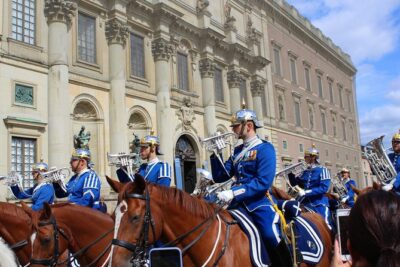
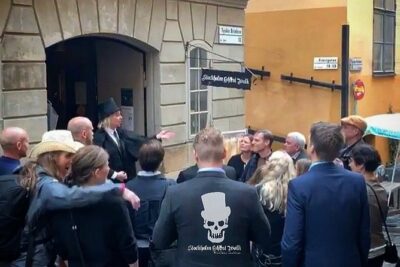
The Original Stockholm Ghost Walk and Historical Tour – Gamla Stan
Read our review →
Walking Tour of Stockholm’s Old Town, Gamla Stan
Read our review →
Secrets of Gamla Stan Guided Tour w/ Fika Option
Read our review →
Browse the lists this tour appears in