

Reviewed · FOOD & DRINK
Oslo: Grünerløkka Food & Culture Walking Tour
The best thing about this Oslo food tour is that the meal comes with a neighborhood lesson. You taste reindeer, moose, venison, brown cheese and Norwegian waffles while walking through Grünerløkka, a former working district now filled with food, art and independent culture. I like the Akerselva river walk and the mix of old Norwegian staples with modern street-food stops.
I also like that the food is substantial enough to replace lunch, and guides such as Christian, Shaf, Katarina and Astrid bring different personal styles to the history and local advice. The main drawback is price: at $126 per person, you need to value both the tastings and the guided walk. One stop may also change, and the street art portion can be less thorough than expected.
Key points to know before booking
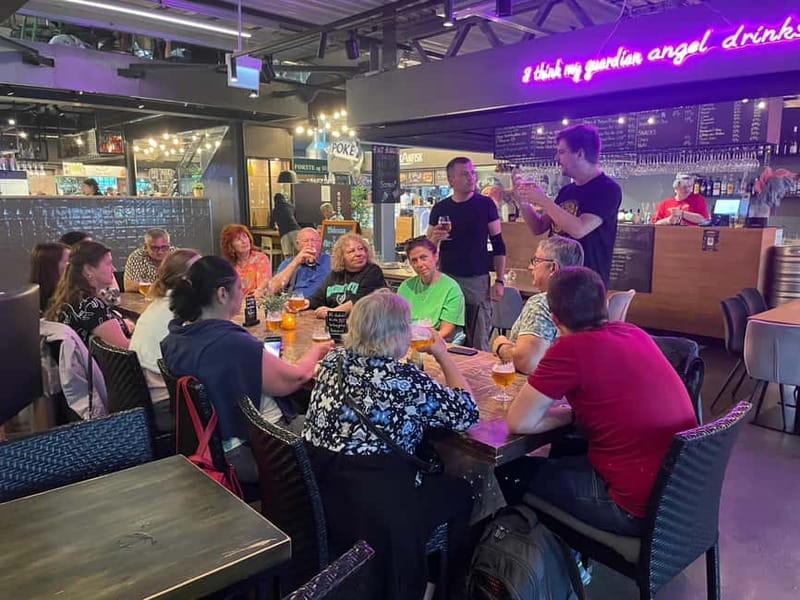
- A full Norwegian tasting meal: Reindeer, moose, venison, minke whale, brunost, flatbread, berries, waffles and more are included.
- A 2-kilometre neighborhood walk: You follow the Akerselva river and explore Grünerløkka on foot for about 2.5 hours.
- A useful first-day introduction: The guide connects food with Norway’s resources, working-class past and modern city life.
- Mathallen is both meeting point and first stop: Arrive at the correct courtyard entrance, not the river-side door.
- Dietary requests need advance notice: Vegetarian, alcohol-free and gluten-free options are available with planning.
- Best for curious eaters: This suits you if you want local context and a filling meal, not just a string of tiny samples.
Why the food tells the story of Oslo
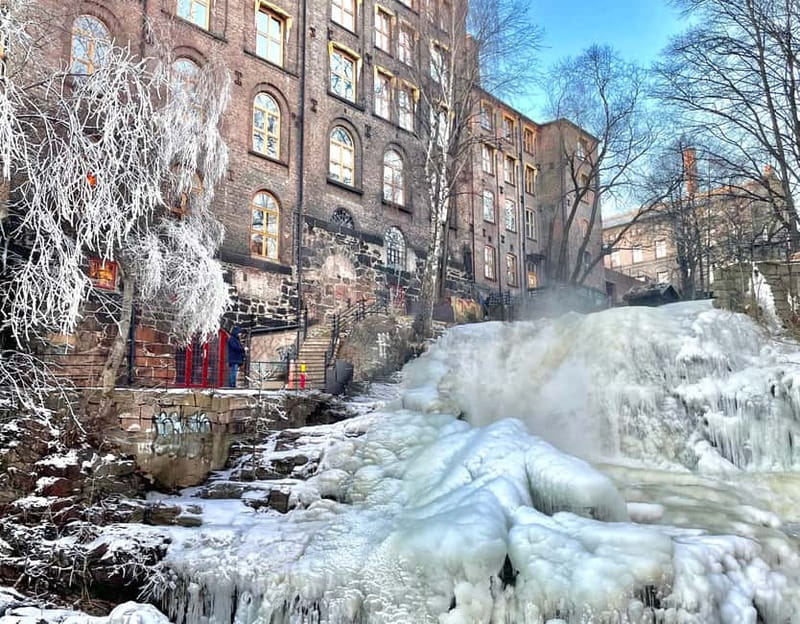
This is not simply a walk between restaurants. The food explains how Norway has lived for centuries: hunting in the forests, preserving what was available, relying on dairy, baking with simple ingredients and making good use of the sea.
The tasting platter gives you a quick introduction to that idea. You may try minke whale, reindeer, moose, brunost, flatbread and lingonberries together. Some flavors are familiar, such as sweet berries and crisp bread. Others, especially the game meats and whale, may be new to you.
I appreciate the range. You are not handed one famous Norwegian dish and sent on your way. Instead, the platter shows several sides of the country, from hunting traditions to dairy farming and preserved foods. The guide can explain how each item fits into Norwegian food culture, which makes the tasting more useful than a silent sampler.
The tour also offers a wild game stew made with reindeer, moose and venison in a creamy sauce, served with mashed potatoes and berries. This is the most filling course and one of the better reasons to think of the experience as lunch rather than a light snack.
Norwegian food can seem plain if you only judge it by appearance. Here, the context matters. A stew, flatbread or brown cheese waffle may look simple, but the guide helps connect those foods to climate, farming, hunting and everyday life.
A few more things to do in Oslo worth a look
- Oslo: Norwegian Food Tour & Hidden Gems City Walk
★ 4.5 · 73 reviews - Norwegian Food Tour & Hidden Gems of Oslo
★ 4.9 · 60 reviews - Oslo: Food Tasting and Walking Tour with a Local
★ 4.5 · 50 reviews
Starting at Mathallen and Vulkan
Meet your guide at the main courtyard entrance of Mathallen Oslo at Vulkan 5. Look for the red brick building with the large black 1908 numbers above the doors and MATHALLEN OSLO written in black.
This detail matters. Mathallen has another entrance beside the river bridge, with Mathallen written in red. That is not the meeting point. You should arrive five to ten minutes early and wait outside the courtyard entrance facing the open square, near Dansens Hus and the tall brick chimney.
Mathallen is a sensible place to begin. It is a food hall in a former industrial area, so the setting already introduces the connection between Oslo’s working past and its current food culture. The first part of the experience takes place around Vulkan, with a market visit, tastings and a drink stop.
The food hall itself is worth noticing before the walk moves on. You get a look at a modern Norwegian food market rather than a polished tourist monument. The guide can help you understand what belongs to traditional Norwegian cooking and what reflects Oslo’s newer international food scene.
The first tasting section lasts roughly 45 minutes. It may include the Nordic platter and a craft beer or local soft drink at one of the area’s well-regarded bars. Alcohol is optional, and anyone under 18 receives a non-alcoholic alternative. The legal minimum age for alcohol on the tour is 18.
Walking beside the Akerselva
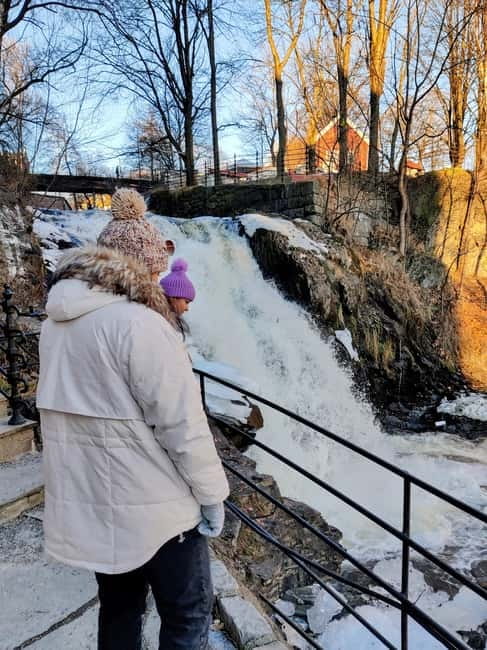
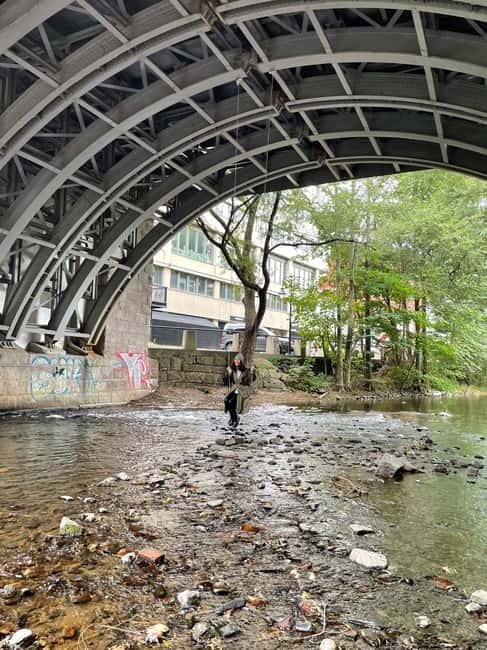
After Vulkan, the group follows the Akerselva river for about 30 minutes. This is the portion that turns the food tour into a proper introduction to Oslo.
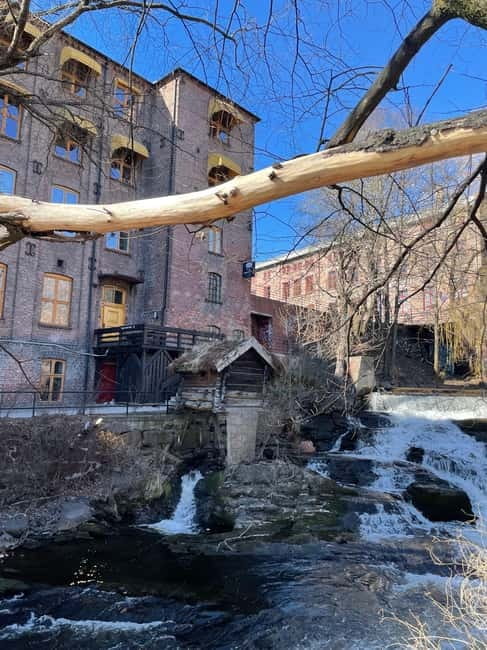
The river once powered industry, and its route helps explain why Grünerløkka developed as a working-class district. You pass from the food hall toward a neighborhood that once depended on factories and labor, then see how old industrial spaces now support cafés, bars, art and small businesses.
The walking is easy, with about 2 km covered across the entire tour. You do not need hiking gear, but comfortable shoes are sensible. Oslo weather can change quickly, and the tour runs in all weather, so bring a waterproof layer and dress for time outdoors.
The river path is also a useful pause between tastings. After a substantial platter or stew, you have time to walk, look around and listen without trying to eat while keeping up with the group.
You may see colorful street art and local landmarks along the way. The exact amount of street art depends on the route and the day. If murals are your main reason for booking, keep expectations measured. One person found the street-art element less complete than the description suggested, while the neighborhood history and food remained the stronger parts of the walk.
Grünerløkka through food and local stories
Grünerløkka is the heart of the experience. The district’s appeal comes from the contrast between its earlier industrial and working-class identity and its current creative character.
The tour does not treat the neighborhood as a backdrop. You hear about how the area changed, why it became associated with culture and how food businesses fit into that change. The guide also has room to answer questions, which can make the experience feel more like a conversation than a lecture.
Guide quality matters here. Christian is described as engaging and good at connecting Oslo’s history with the food. Shaf brings strong local knowledge, energy and useful comments about the local economy. Katarina has led groups through the food traditions with warmth and humor, while Astrid has been especially good at pointing out nearby cafés and explaining the area.
The guide assigned to your departure may be someone else, but the format leaves room for discussion. Small groups are particularly helpful. You can ask why brown cheese is so popular, how Norwegians use berries, or what to try later in the city without feeling like you are interrupting a large presentation.
The food stops in Grünerløkka vary in character. You may have another tasting of Norwegian specialties, a casual street-food dish or a local snack. One departure included a hot-dog-style stop, while another did not. The organizer can replace a venue if it closes unexpectedly, so the precise order and menu are not guaranteed.
That flexibility is practical, but it means you should book this for the overall food and neighborhood experience rather than one exact item.
Same base, a different kind of day out:
- Oslo: Scenic Fjord Cruise with Audio Guide Commentary
★ 4.5 · 5,375 reviews - Oslo Nature Walks: Island Hopping Tour
★ 4.8 · 2,713 reviews - Oslo: 100% Electric Oslofjord Sightseeing Cruise
★ 4.4 · 2,041 reviews - Oslo: Fjord Evening Cruise with Shrimp Buffet
★ 4.5 · 1,956 reviews
Brown cheese, waffles and the sweet finish
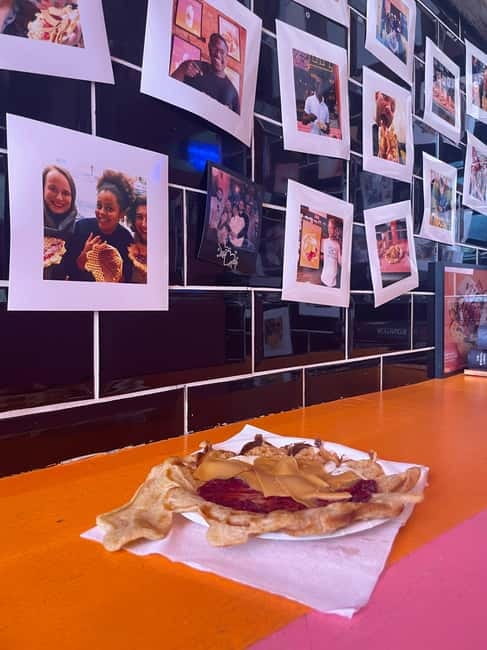
Norwegian brunost, or brown cheese, is one of the foods you are most likely to remember. It is sweet, dense and caramel-like, with a flavor that works well on bread and waffles.
Near the Freia Chocolate Factory, the tour includes a kanelbolle, the Norwegian cinnamon bun, plus hot chocolate or iced cocoa. Freia is a familiar Norwegian chocolate name, and this stop adds a sweet local note after the savory tastings.
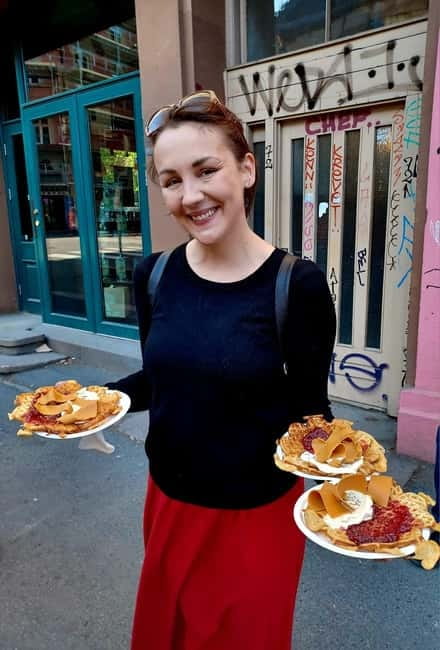
You then get a heart-shaped Norwegian waffle topped with brunost, sour cream and raspberry jam. It is a slightly messy combination, but that is part of its charm. The sour cream cuts through the sweetness, the jam adds fruit, and the brown cheese gives the waffle its distinctly Norwegian character.
The waffle is one of the safest highlights for cautious eaters. Even if reindeer or whale is not for you, the waffle, cinnamon bun and cocoa give the tour a familiar finish. Gluten-free waffles can be arranged if requested ahead of time.
Vegetarian options are available with advance notice, although the exact substitutes can differ. The tour is not designed as a fully vegetarian tasting by default, so tell the organizer about your needs before the day rather than relying on an adjustment at the last stop.
The BLÅ stop and the route back
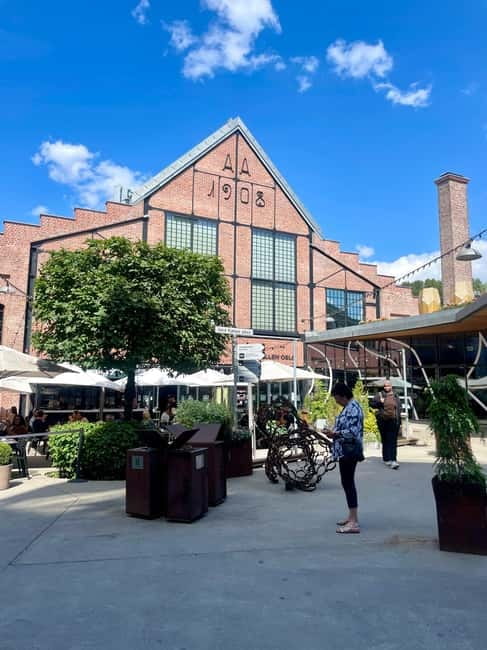
The walk includes a stop at BLÅ, a cultural venue beside the Akerselva known for its artistic setting and events. The stop is mainly for sightseeing rather than a long visit, and it helps show how Grünerløkka’s former industrial spaces now support music and culture.
This part also gives you a visual break from the food. You see another side of the district, where the river, old buildings and creative activity come together. The visit is brief, about 15 minutes, so do not expect a full venue tour.
The group then walks back toward Mathallen. The activity ends at the original meeting point, which is convenient if you want to continue eating at the food hall, return to your hotel or use public transport from central Oslo.
Because the tour takes place in one area, you spend your time walking rather than transferring between distant restaurants. That makes the 2.5-hour schedule feel efficient and keeps the focus on Grünerløkka.
Is $126 good value in Oslo?
The price is high by ordinary food-tour standards, but Norway is an expensive country for eating out. Here, the fee covers a live English-speaking guide, all scheduled food and drink tastings, one craft beer or local soft drink and the walking tour.
The quantity is important. You receive a Nordic tasting platter, a game stew with mashed potatoes and berries, a cinnamon bun with cocoa and a filled waffle, plus other tastings. You should arrive hungry, and most people will not need a separate lunch afterward.
I would not book this only to save money on food. You might spend less by buying individual dishes at Mathallen or eating a simple meal in Grünerløkka. The value comes from having the guide explain what you are eating, show you the river route and introduce parts of the neighborhood you might otherwise pass by.
The tour is strongest for a first or second day in Oslo. You get practical ideas for cafés and food stops, a sense of how the city developed and a better feel for Grünerløkka before exploring it alone.
If you already know Norwegian food well, the historical walk may matter more than the tastings. If you dislike game meat, whale or dairy-heavy dishes, the menu may feel less rewarding, even though alternatives can be arranged.
Who should book this Grünerløkka walk?
I would recommend it to you if you enjoy learning through food and want more than a standard city-center sightseeing route. It works well for couples, small groups and solo visitors who like asking questions while walking.
It is also a good choice for food-focused visitors who want to try Norwegian specialties without committing to a formal restaurant meal. The game stew and platter give you a broad sample, while the waffle and cinnamon bun keep the experience approachable.
Families can consider it, but check the menu and alcohol arrangements for your group. The tour is wheelchair accessible, though the activity includes outdoor walking and runs in all weather, so practical clothing still matters.
This is less ideal if you want a tightly fixed schedule or a long list of tiny food samples. One person wanted an additional food stop, and the route may change when a venue is unavailable. The tour favors a few generous tastings and local explanation over twelve quick bites.
You can cancel free of charge up to 24 hours before the start, and reserve now with payment later. The tour requires at least two participants to operate. If that minimum is not reached, you are offered a refund or another date.
Should you book it?
Book this Oslo Grünerløkka food and culture tour if you want a filling introduction to Norwegian food, a relaxed walk beside the Akerselva and clear context about how an old working district changed.
The best parts are the game stew, the broad Nordic platter, the brown cheese waffle and the guides’ local stories. The main caution is the price and the fact that individual stops can change. For a first visit to Oslo, especially if you want to understand the city through what people eat, I think the combination is worth considering. If you mainly want street art or the cheapest possible meal, choose a different outing.
FAQ
Where does the tour start?
It starts at the main courtyard entrance of Mathallen Food Hall at Vulkan 5, 0178 Oslo. Look for the red brick building with the black 1908 numbers and MATHALLEN OSLO written above the doors.
Does the tour end at the starting point?
Yes. The walk returns to Mathallen Oslo and ends at the original meeting point.
How long is the tour?
The activity lasts about 2.5 hours and includes approximately 2 km of easy walking.
What food is included?
The tastings can include minke whale, reindeer, moose, venison, brunost, flatbread, lingonberries, wild game stew, a Norwegian cinnamon bun, cocoa and a heart-shaped waffle with brown cheese, sour cream and raspberry jam.
Is a drink included?
Yes. One Norwegian craft beer or local soft drink is included. Non-alcoholic alternatives are available, and the minimum age for alcohol is 18.
Can vegetarian or gluten-free options be arranged?
Vegetarian and alcohol-free alternatives are available with advance notice. Gluten-free waffles can also be arranged if requested ahead of time.
Does the tour run in bad weather?
Yes. The tour runs in all weather, so you should dress appropriately for outdoor walking in Oslo.
More Walking Tours in Oslo
- Oslo: Best of Oslo Walking Tour
★ 4.5 · 458 reviews - Oslo: Guided Walking Tour of Central Oslo
★ 4.7 · 438 reviews - Oslo: Historic Myths & Legends Evening Walking Tour
★ 4.8 · 408 reviews - Taste of Oslo Walking Tour
★ 4.5 · 282 reviews
Just added in Oslo
- Unknown war. Oslo and Norway during 1940-45★ 5.0 · 74 reviews
- The Viking Planet Museum – Mini Group (4 adults)★ 4.0 · 16 reviews
- The Viking Planet Museum Ticket★ 4.0 · 197 reviews
- Oslo Winter Highlights Bike Tour★ 5.0 · 36 reviews
- The Ultimate Study of the Human Form at Vigeland’s Sculpture Park with a Local★ 4.0 · 14 reviews
- The Essential Oslo Private Walking Tour★ 5.0 · 79 reviews
- The Ultimate Norwegian Skiing Experience★ 5.0 · 16 reviews
- Central Oslo Guided Walking Tour with Local Guide★ 4.5 · 278 reviews
Food & Drink, compared.
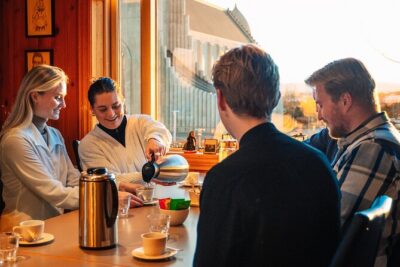
Reykjavik Food Walk – Local Foodie Adventure in Iceland
Read our review →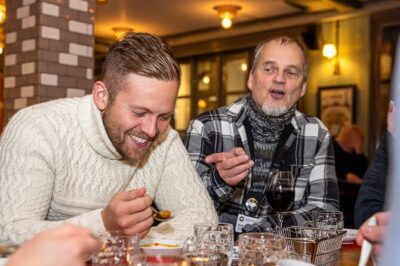
Reykjavik Food Lovers Tour – Icelandic Traditional Food
Read our review →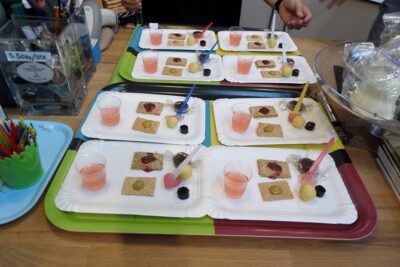
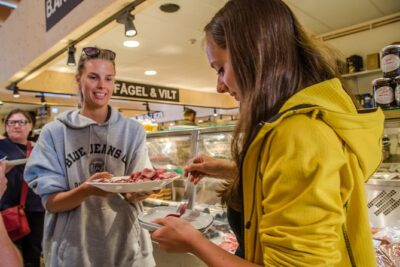
Copenhagen Culinary Food Tour with 6+ Tastings of Danish Classics
Read our review →
Copenhagen’s oldest and original food tour (Est. 2011).
Read our review →
Browse the lists this tour appears in