
Reviewed · WHALE WATCHING
Skjervøy: Orca and Whale-Watching comfort heated Boat Trip
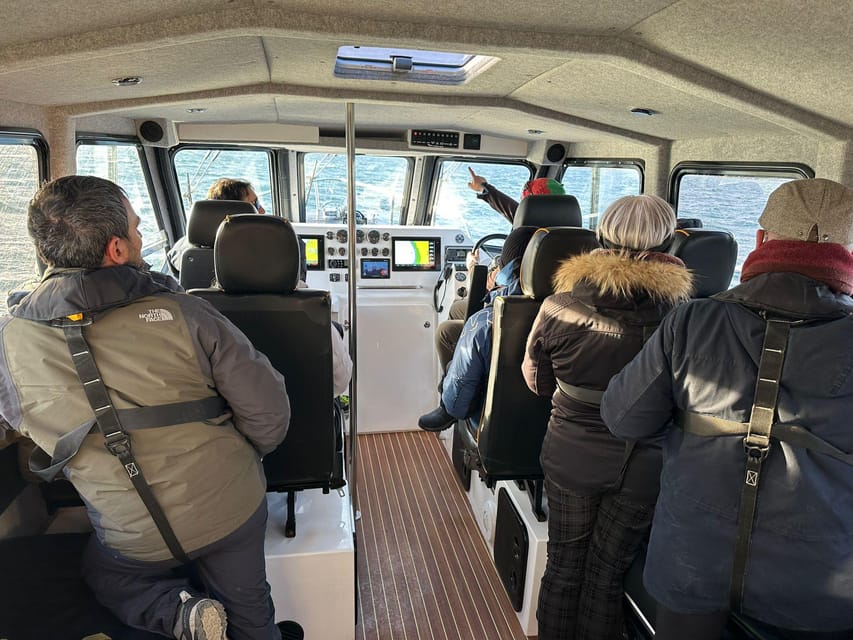
Skjervøy’s big draw is the chance to watch orcas and humpback whales in Arctic waters, without spending the whole trip squeezed into a cold, bouncing RIB. Captain Jacob and nature guide Filippo take you out on a covered, heated boat built for comfort, with a broad outdoor terrace for photos and fresh-air viewing.
I like the boat’s warm cabin and steadier ride, especially when the weather turns sharp. I also like the wildlife-first approach: when whales come close, the crew can shut off the engine and let the animals decide the distance. The trade-off is simple: wildlife sightings are never guaranteed, and open-water conditions can still cause seasickness.
Key points at a glance
- A heated viewing boat: Warm up inside between sightings, then step onto the outdoor terrace when whales appear.
- Two experienced leaders: Captain Jacob and nature guide Filippo handle navigation, wildlife spotting, and practical photo advice.
- A strong orca focus: The usual search includes orcas, humpbacks, minke whales, and fin whales.
- Useful onboard gear: A night-vision camera and hydrophone add views and sounds you would not get from the deck alone.
- A calm wildlife policy: The engine is turned off near animals when conditions allow, helping reduce disturbance.
- A short Arctic outing: Plan on about 3.5 hours, with the meeting point and return at the Skua Nature banner or flag.
Why this Skjervøy whale trip is different
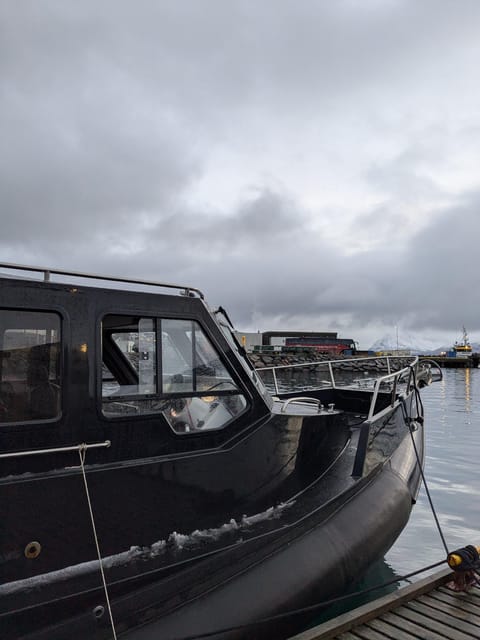
Many whale safaris ask you to choose between comfort and access. You may get close to the water in a small RIB, but you also spend the whole trip exposed to wind and spray. This Skjervøy trip takes a different route. The boat is covered and heated, yet it still gives you an outdoor terrace where you can watch and photograph the sea.
That matters in northern Norway. Even when the sky looks calm, the air on open water can feel raw. The warm cabin gives you a place to recover your fingers, dry off, and enjoy a hot drink before the next sighting. You do not need to wear a special flotation suit for this covered boat, though you should still dress for Arctic weather.
The boat is also designed for more stable cruising than a traditional RIB. That does not make the sea perfectly smooth, but it should make the ride easier for anyone who values comfort or is carrying camera equipment. An onboard toilet is another small but worthwhile benefit on a trip that keeps you away from shore for several hours.
More whale trips leaving Norway:
- Tromsø: Whale Watching Tour by Hybrid-Electric Boat
★ 4.5 · 4,217 reviews - Tromsø Whale Safari with MS Gabriele
★ 4.3 · 1,937 reviews - From Tromsø: All-Inclusive Whale & Orca Safari
★ 4.5 · 1,221 reviews
Meeting the boat at the Skua Nature flag
The trip begins at the Skua Nature banner or flag. Your first task is straightforward: arrive at the marked meeting point, listen to the safety instructions, and settle into the boat before heading out toward the waters around Skjervøy.
The safety briefing is not a formality to ignore. Listen for instructions about moving between the cabin and terrace, where to stand during sightings, and how to follow the crew’s directions around wildlife. A boat with more room is still a working vessel, and conditions can change quickly.
The experience is offered in English and Italian. That is useful if you want more than a quick ride and photo stop. The guide’s job includes explaining animal behavior, helping you scan the water, and showing you how to make the most of your camera position.
Out on the Barents Sea for roughly 3.5 hours
The advertised activity lasts about 3.5 hours. One schedule description refers to a four-hour whale-watching period, so I would check the exact departure details when booking and allow a little flexibility around the stated duration.
The route is not a sightseeing circuit with fixed stops. The crew searches for living animals, so the time on the water depends on conditions and recent wildlife activity. You may spend part of the trip cruising and scanning, then pause for a pod of orcas or a humpback whale.
That uncertainty is part of the bargain. A whale safari cannot promise a parade on demand. The crew can use experience, current information, and careful observation, but no operator can guarantee what wild animals will do on a particular morning or afternoon.
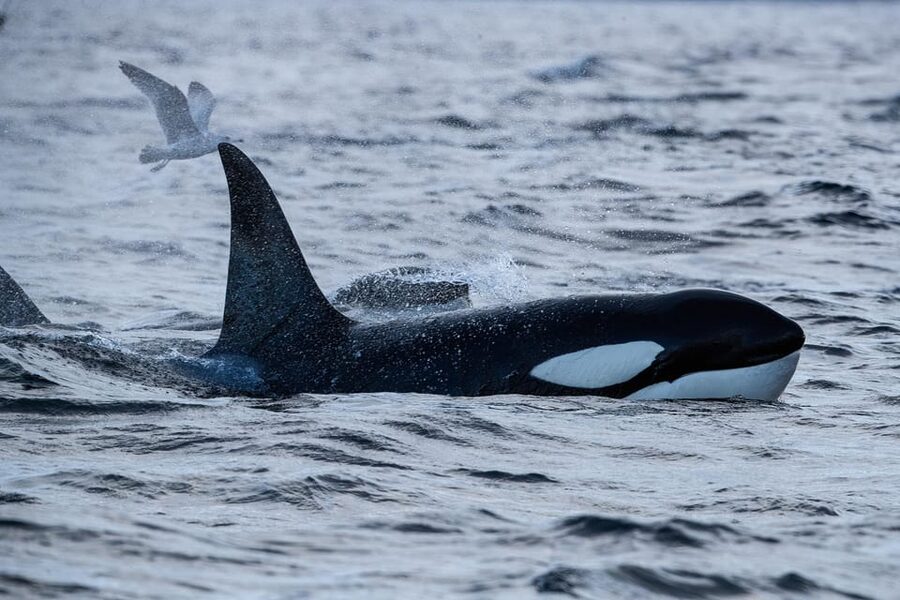
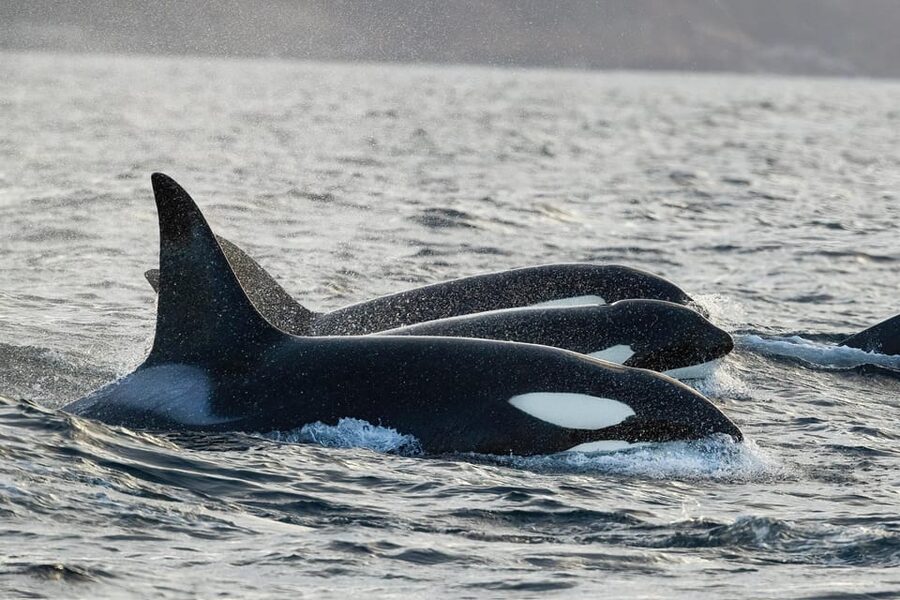
When the boat reaches a promising area, your guide will help you look for blows, dorsal fins, splashes, and changes in the surface. Orcas can surface in groups, while humpbacks may announce themselves with a tall spout or a broad back. You will get more from the outing if you stay patient and keep watching the water rather than waiting for a perfect movie-style breach.
Watching orcas without rushing the animals
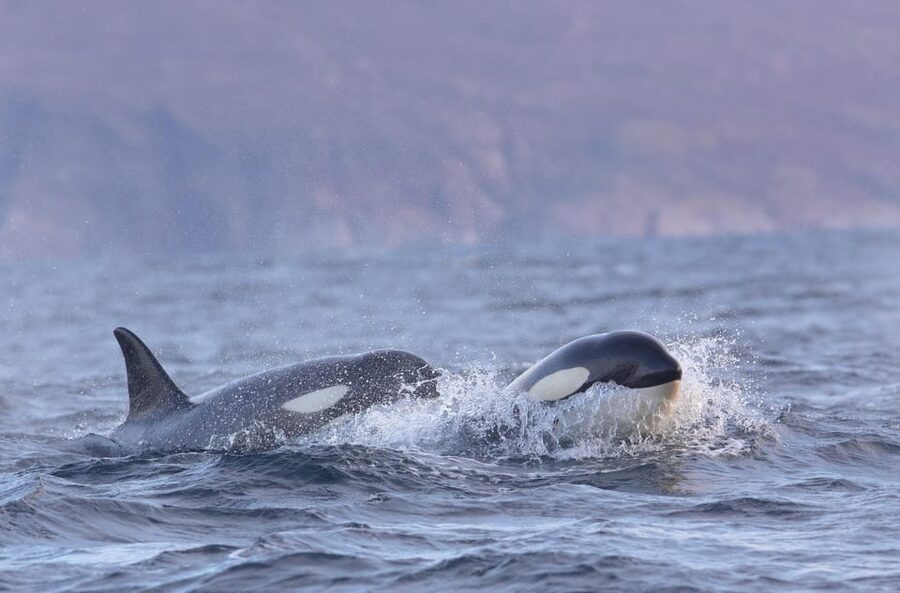
The strongest part of this experience is its attention to how the boat behaves around whales. The crew does not need to keep the engine running and push right up against a pod. When the boat is close enough, the engine can be shut off, allowing the animals to approach on their own terms.
That approach is good for the wildlife and good for you. A quiet boat gives you a better chance to hear blows, water movement, and the low sounds carried across the surface. It also lets you watch natural behavior instead of only watching the boat maneuver.
On one particularly successful outing, the boat encountered about four groups of orcas, with roughly 10 to 15 animals in each group, along with several humpbacks. That kind of encounter is possible, but it should not be treated as a promise. Conditions, season, and animal movement all matter.
The crew also avoids staying too long with one pod. That keeps the boat from crowding the animals and gives you a broader search for other sightings. If the orcas approach after the engine is turned off, you may get the kind of close view that does not require aggressive boat handling.
Same base, a different kind of day out:
- From Bergen: The Original Fjord Cruise to Mostraumen
★ 4.7 · 8,440 reviews - Tromsø: Reindeer Sledding & Feeding with a Sami Guide
★ 4.8 · 6,417 reviews - Stavanger: Scenic Fjord Cruise to Lysefjord and Preikestolen
★ 4.6 · 5,791 reviews - Oslo: Scenic Fjord Cruise with Audio Guide Commentary
★ 4.5 · 5,375 reviews
Humpbacks, minke whales, and fin whales
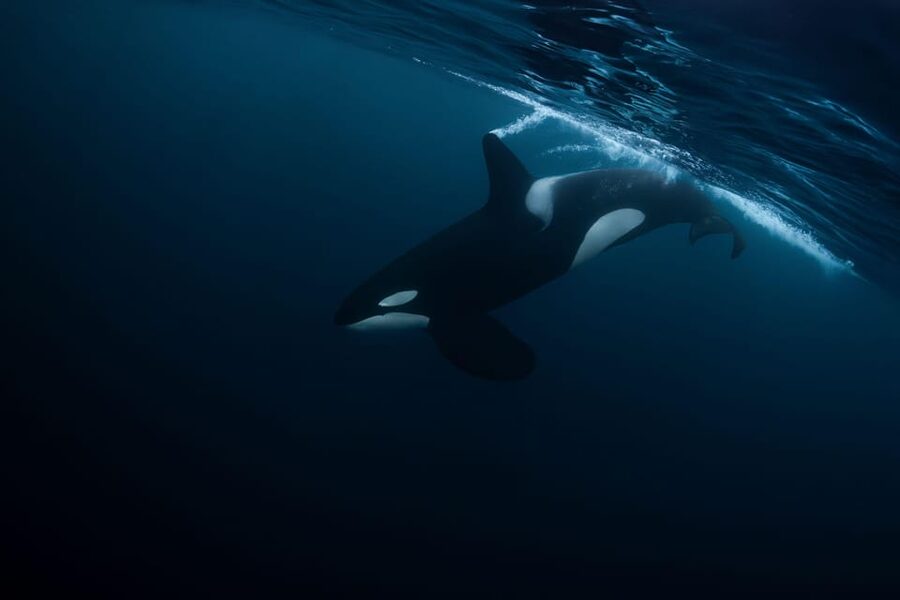
Orcas receive the most attention, but they are not the only animals on the list. You may also look for humpback, minke, and fin whales. Each offers a different kind of sighting.
Humpbacks are often the easiest large whales to recognize. Their blows, broad backs, and occasional tail displays can make them rewarding subjects for a camera. They may also appear after an orca encounter, as happened on one trip when a humpback was spotted near the end of the outing.
Minke whales are smaller and can be quicker to miss. Fin whales are large and fast-moving, so your guide’s ability to scan the water is valuable. You should keep your eyes open even when the main search is focused on orcas.
The guide will also explain habitat and behavior as you go. This turns the trip into more than a simple hunt for fins. You learn why certain species may be in the area and what signs to watch for before an animal surfaces.
A practical setup for wildlife photography
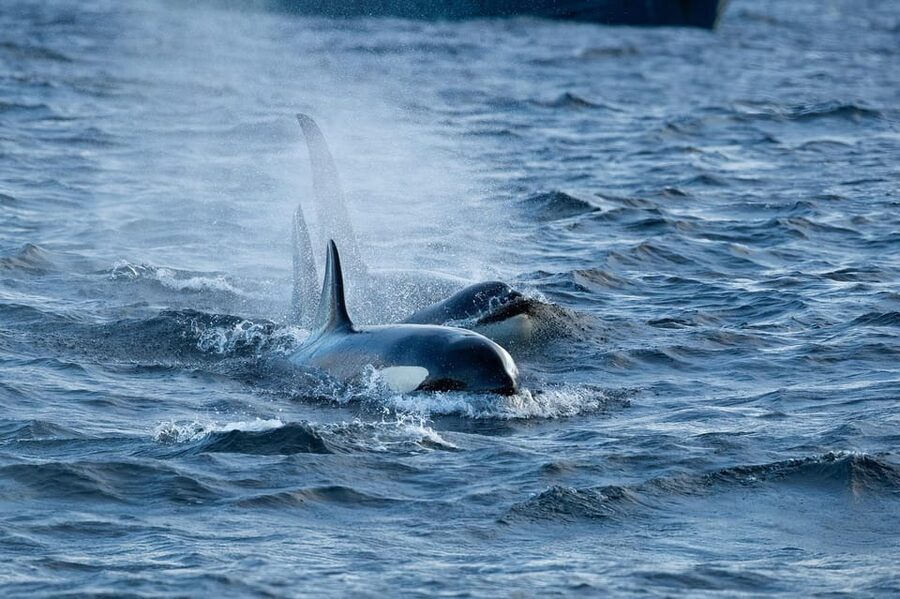
This outing is especially suited to photographers, but you do not need professional equipment to enjoy it. Bring a camera if you have one, and pack a telephoto lens if available. The outdoor terrace gives you open views without the side walls and spray that can make shooting from a small inflatable boat awkward.
A telephoto lens helps you frame animals at a respectful distance. It also gives you room to react when an orca surfaces in a different place than expected. Keep your camera ready, but do not spend every second staring through the viewfinder. Some of the best moments happen between shots.
Filippo can offer tips on positioning, timing, and capturing the animals as they surface. The guide’s advice is useful because whale photography is mostly about anticipation. You are not photographing a statue. You are watching a moving target in changing light, often for only a few seconds.
The terrace is the best place for clear views, but the heated cabin has an important role. Use it to warm your hands and rest your camera between sightings. Hot drinks are included, along with the chance to step away from the wind without ending the experience.
The hydrophone and night-vision camera
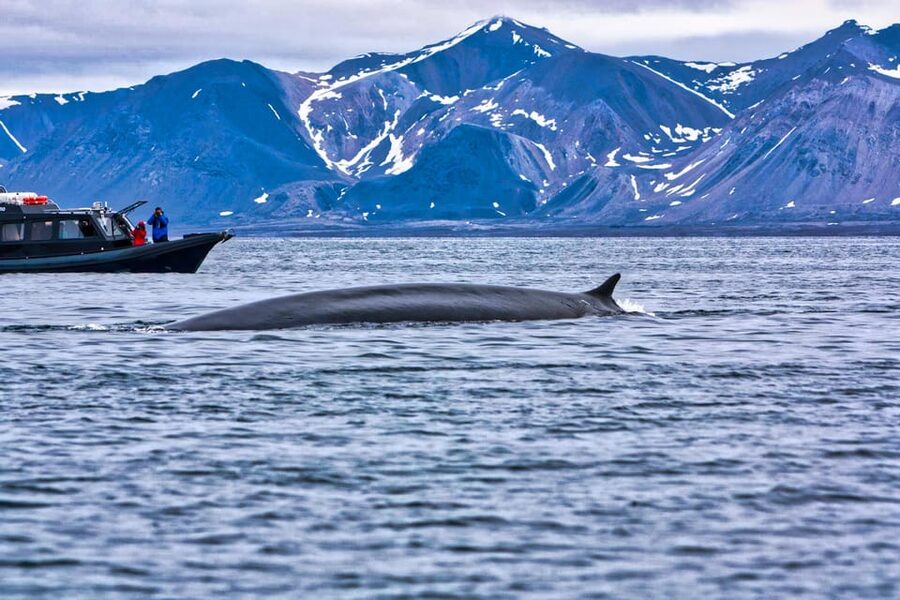
Two pieces of equipment add interest beyond ordinary surface viewing. The boat carries a hydrophone, which can let you listen to underwater sounds, including the calls of orcas and other marine life.
Sound changes the experience. Instead of treating whales as distant shapes on the water, you gain another way to think about their world. The hydrophone will not guarantee a dramatic recording every time, since sound depends on conditions and animal activity, but it gives the guide another tool for explaining what may be happening below the surface.
The night-vision camera is another unusual feature. It can help the crew and passengers observe marine life in low-light conditions. Its usefulness will depend on the departure time and visibility, but it is a thoughtful addition for an experience built around wildlife observation rather than a simple cruise.
Comfort, weather, and seasickness
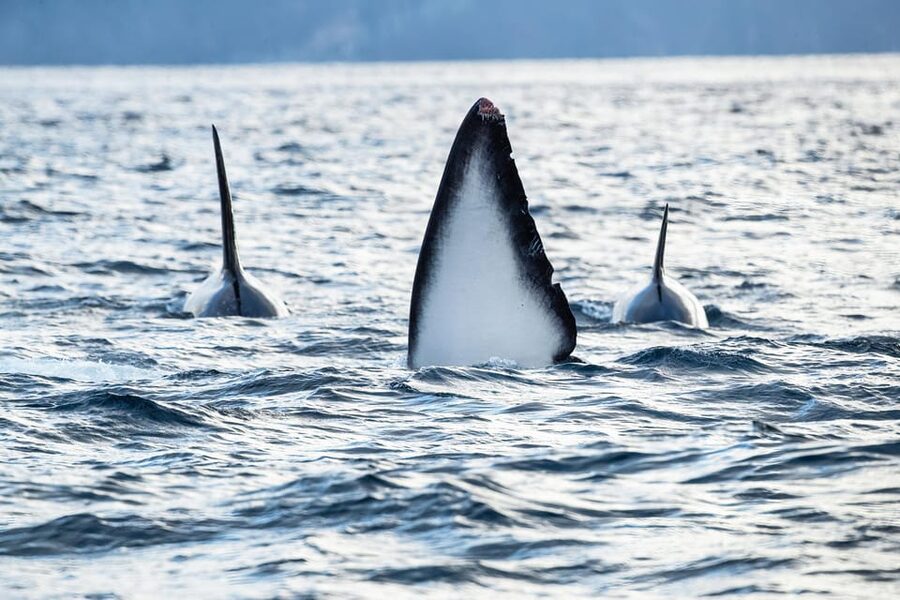
The heated cabin is the biggest comfort advantage. You can watch from the terrace when the sea is calm and the animals are near, then return inside when the wind becomes too much. Since the boat is covered and heated, you do not need a bulky special suit.
Still, do not dress as if this were an indoor attraction. Bring warm layers, sensible footwear, and clothing that can handle Arctic conditions. The deck may feel much colder than the cabin, and you will want to spend time outside if the wildlife appears.
If you are prone to seasickness, take appropriate medication in advance, usually around two hours before departure. A more stable boat helps, but it cannot remove the motion of the sea. Pregnant women and children under six are not suited to this activity.
The boat includes a toilet, which makes the 3.5-hour duration easier to manage. That practical feature may not sound exciting when you book, but it is welcome once you are far from shore.
Is the $301 price fair?
At $301 per person, this is not a budget boat ride. You are paying for a specialized wildlife outing with a heated vessel, a captain, an environmental guide, photography help, hot drinks, a toilet, and equipment such as a hydrophone and night-vision camera.
The value depends on what you want. If your priority is the lowest possible fare, you may find the price difficult to justify. If you want a more comfortable boat and care about watching animals without pressing too close, the cost makes more sense.
You are also paying for the chance to spend time in a productive marine area with a crew focused on finding whales. A successful outing can include several orca pods and humpbacks, but you must accept the risk of a quieter day. No refund of expectations comes with a wildlife guarantee.
Free cancellation up to 24 hours before departure and the option to reserve now and pay later make the booking less rigid. Those terms are useful if your northern Norway plans are still moving, but check the available departure time before committing.
Who should book this experience?
I would point this trip toward adults and older children who care about wildlife, photography, and a more comfortable ride. It is a particularly good match for anyone who dislikes spending several hours exposed to spray in a fast inflatable boat.
Photographers will appreciate the terrace, open views, and direct tips from Filippo. First-time whale watchers should also do well because the guide helps you know what to look for rather than leaving you to scan an empty sea.
This may not suit you if you need guaranteed sightings, dislike boat motion, or want a very quick shore-based activity. The trip is also not suitable for children under six or pregnant women.
Should you book the Skjervøy whale safari?
Book it if your main goal is a serious search for orcas and whales, with warmth, room to move, and a crew that treats the animals with care. The ability to shift between a heated cabin and outdoor terrace is a real advantage, and the hydrophone adds something beyond the usual surface view.
I would be especially tempted by this boat if wildlife photography matters to you. Just bring the longest lens you have, take seasickness precautions if needed, and keep your expectations realistic. You may see several pods and humpbacks, or you may spend much of the time searching. That uncertainty is unavoidable, but the boat and crew make the waiting far more comfortable.
FAQ
Where does the Skjervøy whale-watching trip start?
Meet at the Skua Nature banner or flag. The activity ends back at the same meeting point.
How long does the experience last?
The activity lasts about 3.5 hours. One schedule description lists the whale-watching portion as four hours, so check the exact timing when you reserve.
Which whales might I see?
The search focuses on orcas, humpback whales, minke whales, and fin whales.
Are whale sightings guaranteed?
No. Wildlife sightings are not guaranteed because the animals are wild and move through a large marine area.
Is the boat heated?
Yes. The boat is covered and heated, with an outdoor terrace for fresh-air viewing and photography.
Do I need to wear a special suit?
No. The operator states that special suits are not needed on the covered boat. You should still bring warm clothing for time on the terrace.
Are photography tips included?
Yes. The guide provides photography tips and insights to help you capture wildlife from the boat.
What languages are available?
The live tour guide service is available in English and Italian.
Is the activity suitable for children and pregnant women?
The activity is not suitable for children under six or for pregnant women.
Just added in Norway
- Unknown war. Oslo and Norway during 1940-45★ 5.0 · 74 reviews
- The Viking Planet Museum – Mini Group (4 adults)★ 4.0 · 16 reviews
- The Viking Planet Museum Ticket★ 4.0 · 197 reviews
- Oslo Winter Highlights Bike Tour★ 5.0 · 36 reviews
- The Ultimate Study of the Human Form at Vigeland’s Sculpture Park with a Local★ 4.0 · 14 reviews
- The Essential Oslo Private Walking Tour★ 5.0 · 79 reviews
- The Ultimate Norwegian Skiing Experience★ 5.0 · 16 reviews
- Central Oslo Guided Walking Tour with Local Guide★ 4.5 · 278 reviews
Whale Watching, compared.
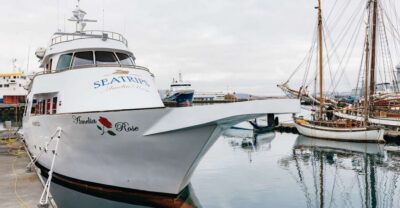
Whale Watching Cruise on the Amelia Rose Yacht
Read our review →
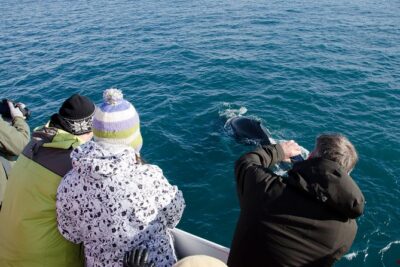
The Original Classic Whale Watching from Reykjavik
Read our review →
Traditional Whale Watching by Local Family Company
Read our review →Browse the lists this tour appears in