
Reviewed · FJORD CRUISES
Geiranger: Sky to Fjord Downhill Biking Adventure
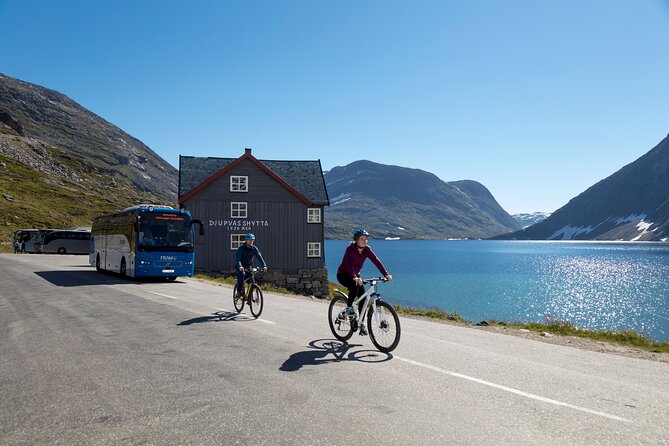
The best part of this Geiranger excursion is the simple idea: ride from a high mountain lake down toward the fjord, with Norway opening up around you. You cover about 16 kilometers on your own bike, stopping whenever you want for photos at waterfalls, valleys, and famous viewpoints.
I like the excellent scenery and the freedom of an unguided ride. You can coast at your own speed instead of following a tight group, and the small maximum of six people keeps the outing personal. The air-conditioned ride up saves your legs for the downhill run.
The main caution is the road itself. You share sections with large buses, and there is no bike path or shoulder in places. Equipment quality also appears uneven, so check the brakes, seat height, helmet, and visibility vest before setting off.
Key points to know before you book
- 16 kilometers from Djupvatn Lake: Start at 1,030 meters above sea level and ride down toward Geiranger.
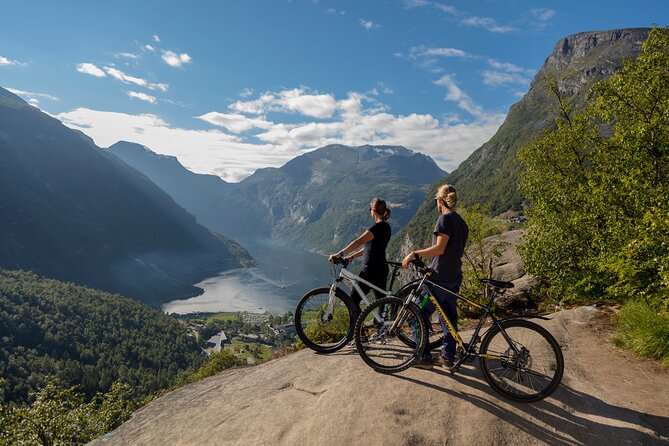
- Flydalsjuvet is the headline viewpoint: Save time for this dramatic stop near the end of the route.
- Unguided by design: Staff provide instructions and equipment, but you ride without a guide beside you.
- A little pedaling may be required: Most of the route is downhill, though one short uphill section can be walked.
- Traffic deserves attention: Buses and other vehicles use the road, with no dedicated bike lane on parts of the descent.
- Small group, basic inclusions: The price includes a bike, helmet, gloves, visibility vest, and transport up the mountain.
From Djupvatn Lake, the ride begins at 1,030 meters
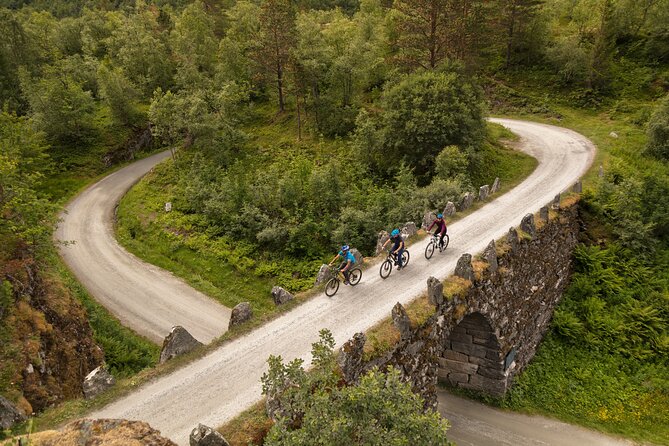
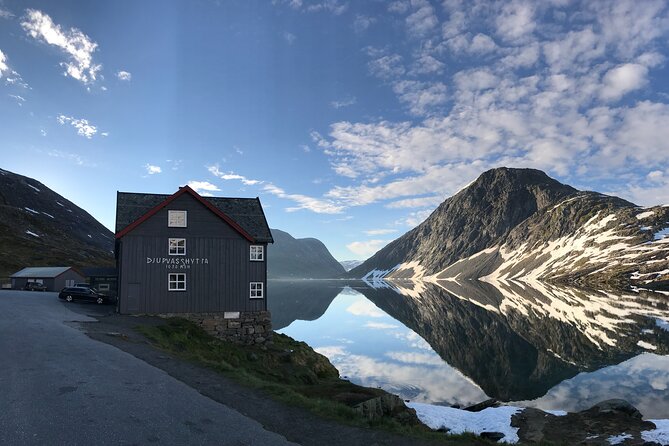
You meet at Geirangervegen 10 in Geiranger. From there, the operator drives you uphill to Djupvatn Lake, 1,030 meters above sea level. The transport takes you to the high point without asking you to spend your energy on a long climb.
This first part matters more than it may seem. You are not simply renting a bicycle in town. You are being placed at the start of a long descent, with mountain roads, open views, and a clear sense of moving from high country toward the fjord.
At the top, the staff provide the bike, helmet, bicycle gloves, and visibility vest. You also receive technical and safety advice before leaving. Since no guide accompanies you, pay close attention here. Ask about braking, the route, the meeting point, and what to do if you have a mechanical problem.
The equipment is intended to make the ride safer and more comfortable, but you should inspect it yourself. Check that the seat fits, the brakes respond smoothly, the helmet strap adjusts properly, and the vest is in good condition. One poor experience involved a bike with sticky brakes, a loose kickstand, worn tires, and gear that did not fit well. Other riders found the bikes easy to manage and in good shape, so quality may vary from one outing to another.
That difference makes a short check worthwhile. You have time to speak up before you leave the lake. Once you are on the road, adjustments are less convenient.
More time on the water around Åndalsnes:
- Fjord Sightseeing Tour by Boat in Geiranger
★ 4.0 · 69 reviews - From Bergen: The Original Fjord Cruise to Mostraumen
★ 4.7 · 8,440 reviews - Stavanger: Scenic Fjord Cruise to Lysefjord and Preikestolen
★ 4.6 · 5,791 reviews
The downhill road gives you room to set the pace
This is not a guided cycling tour with a leader calling frequent stops. You ride independently, which can be a real strength if you want to take photographs or pause without holding up a group.
You can stop at the viewpoints along the way, enjoy the scenery, and continue when ready. That freedom suits confident riders who prefer a loose plan. It also helps couples or small groups with different cycling speeds, since you do not need to remain in a close formation.
The ride is mostly downhill and several people found it manageable even with limited cycling experience. One person in their late sixties described the descent as easy to handle, while another less-seasoned rider found the route less difficult than expected. Still, downhill does not mean effortless. You need to control your speed, watch the road, and stay alert around bends and traffic.
You may also encounter a short uphill section. It is not a major climb, but you might need to pedal briefly or walk the bike. That small detail is useful for anyone booking this because the ride is not a continuous coast from top to bottom.
Blåfjell and Kvandalls waterfall add variety to the descent
The first part of the route takes you past a viewpoint at the foot of Blåfjell mountain. This is a good place to slow down and look back at the road you have already covered. The higher sections give you broad mountain views, while the road gradually leads toward greener valleys and the fjord below.
Kvandalls waterfall gives the ride another change of pace. Waterfalls are easy to admire from a moving vehicle, but stopping beside one on a bicycle feels more direct. You can take a break, cool down, and use the pause to manage the next section of road.
The scenery includes the lake, steep mountain sides, waterfalls, flowers, small settlements, and views toward the fjord. Weather will shape the day. On a clear day, the views can reach far across the valley and water. In poor conditions, cloud and rain may reduce what you see, which is why the activity requires good weather.
The operator may cancel because of weather. If that happens, you are offered another date or a full refund. That policy is useful in Geiranger, where conditions can change quickly, but it also means you should avoid building an inflexible schedule around this ride.
Opplenskedalen Valley brings the road closer to the valley floor
As you continue, the route reaches Opplenskedalen Valley. This section helps you see how the road connects the high mountain area with the settlement around Geiranger.
The appeal here is not one single photo stop. It is the change in scale. You begin beside a high lake, then move through mountain scenery toward a valley shaped by water and steep slopes. A bicycle lets you notice small details that pass quickly from a vehicle, including roadside flowers, waterfalls, and changing views around each turn.
You should resist the urge to race this part. The downhill speed is fun, but stopping regularly gives you more control and better photographs. Since the ride lasts about two and a half hours in total, including transport and preparation, you have enough time for several pauses, though not an unlimited amount of time at each one.
The unguided format has a tradeoff. You get privacy and flexibility, but you do not have a cycling guide explaining every viewpoint or managing traffic for you. Staff provide tips before the ride, but you are responsible for finding your way down and choosing when to stop.
Other rides around Åndalsnes:
- Copenhagen: Highlights 3 Hour Bike Tour with a Local Guide
★ 4.8 · 2,312 reviews - Oslo: 3-Hour Highlights Bike Tour
★ 4.8 · 1,609 reviews - Copenhagen: 3-Hour City Highlights Bike Tour with Guide
★ 4.7 · 1,239 reviews - Copenhagen Highlights 3 Hour Bike Tour with local Guide
★ 5.0 · 1,125 reviews
Knuten and Flydalsjuvet are the major photo stops
Knuten is one of the named points along the descent. It is part of what makes this more than a simple bike rental. The ride has a clear route through several recognized viewpoints, with each stop giving you another reason to pause.
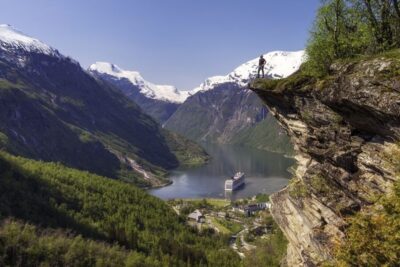
Flydalsjuvet is the best-known stop and the one I would protect time for. The viewpoint is famous for its dramatic views over the Geiranger area, and it provides the strongest visual payoff near the end of the descent.
You may be tempted to hurry once you see the village below. Do not. Stop at Flydalsjuvet, take your photographs, and enjoy the view before continuing. The best weather reports and the clearest skies cannot help if you rush past the place you most wanted to see.
One unusual possibility is combining the ride with a hike to Storsaeterfossen Waterfall. A rider left the bike at the start of the walking route, completed the hike, then returned and continued downhill. The supplied information does not set out a formal hike option or explain how long this would take, so treat it as something to confirm with the operator rather than a guaranteed part of the outing.
The road is scenic, but traffic changes the experience
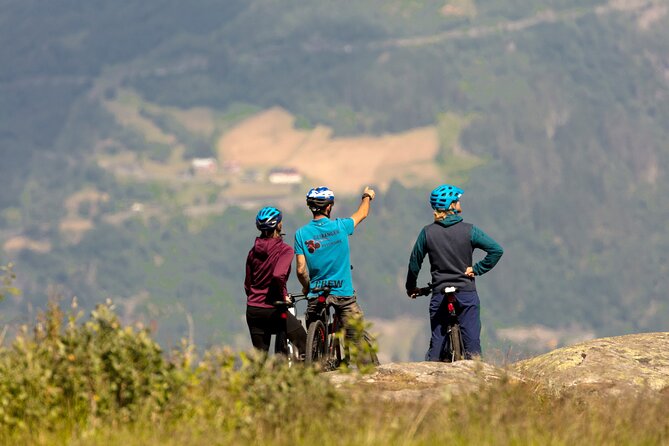
The most important practical warning is the road. Parts of the route have no shoulder or separate bike path, and large buses may pass close by. One group decided not to ride after seeing the traffic and instead continued by vehicle for photo stops.
Other riders found drivers accommodating, but you should not depend on that. Keep to the side, control your speed, and be ready for vehicles on bends. If sharing a narrow road with buses makes you nervous, this may not be the right excursion for you, even if you are comfortable on a bicycle.
This is also why the ride suits someone with moderate physical fitness and reasonable road confidence. You do not need to be a racing cyclist. You do need to brake, steer, look ahead, and stay calm when a vehicle approaches.
The route can feel easy because gravity does much of the work. Your hands and attention still work throughout the descent. Anyone with limited riding experience should ask for a careful equipment check and a clear explanation of the safest line down the road.
What the $160.09 price really covers
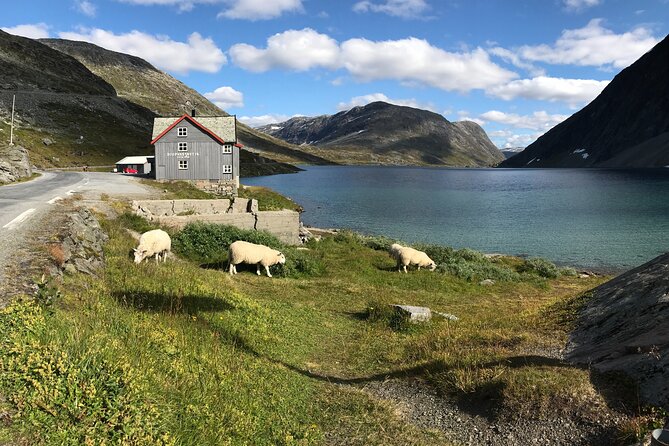
At $160.09 per person, this is not a cheap bicycle rental. The price includes the vehicle ride to Djupvatn Lake, the bicycle, helmet, gloves, and visibility vest. It also includes staff assistance and initial instructions.
The value depends on how much you want the transport and setup. If you already had a suitable bike and could arrange your own ride to the top, the cost would be harder to justify. You are paying for a mountain transfer, a downhill route, equipment, and the convenience of starting high above Geiranger.
The price is also easier to accept for cruise passengers or anyone with only a short window in town. You do not need to plan a separate rental, arrange transport to the start, or work out the route from the village. The experience takes about two and a half hours and ends back at the meeting point.
Still, this is not a fully guided sightseeing tour. There is no guide riding with you, and the outing is not built around detailed commentary at every stop. If you want a guide, a tightly managed group, or premium sporting equipment, compare other options before booking.
Some outings may begin late. One ride started about 20 minutes behind schedule, which could matter if you are working around a ship departure or another fixed activity. Build in a buffer and confirm the timing carefully.
Who will enjoy this Geiranger bike ride
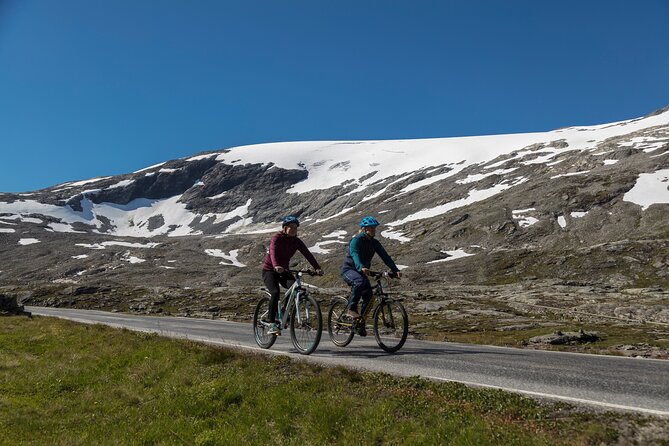
I would choose this for a confident casual cyclist, an active couple, or a small group that wants scenery and movement instead of sitting in a vehicle all day. It is especially good for people who enjoy choosing their own stops and taking plenty of photographs.
The ride can also work for older riders with moderate fitness. Age alone is not the issue. Comfort with braking, road traffic, and a long downhill route matters more.
You should think twice if you dislike riding beside buses, need a fully guided outing, or expect new, perfectly adjusted equipment every time. The uneven equipment reports make the pre-ride inspection important.
The small maximum of six people is a plus. It avoids the feel of a large cycling convoy, and it should make transport and preparation easier. Yet the group size does not remove the unguided nature of the ride. Once you set off, you manage your own pace and decisions.
Booking details and practical tips
You receive confirmation when you book, and the activity is offered in English. The meeting point is Geirangervegen 10, 6216 Geiranger, Norway. The experience ends at that same meeting point.
The activity is near public transportation, though the supplied details do not specify a particular bus route or schedule. Check your own arrival and departure times before committing, especially if you are visiting Geiranger on a cruise stop.
Free cancellation is available up to 24 hours before the start time for a full refund. Changes or cancellations made within 24 hours are not accepted for a refund. Since weather can cancel the ride, keep a little flexibility in your day.
Before leaving the top, I would do four things:
- Test both brakes.
- Set the saddle height and confirm it stays in place.
- Adjust the helmet so it fits securely.
- Ask for the office phone number and instructions for a puncture or other problem.
Cell service may not be available at the lake, so do not assume you can simply retrieve contact details from email later. One rider had trouble getting the office number at the top. A few minutes of preparation can prevent a long, awkward wait if something goes wrong.
Should you book the Sky to Fjord ride?
Book it if you want a scenic, self-paced descent and are comfortable sharing a mountain road with traffic. The fjord views, waterfalls, Flydalsjuvet, and the simple thrill of coasting from Djupvatn Lake make this a memorable way to see Geiranger.
Skip it if you want a guide beside you, dislike vehicle traffic, or expect a polished premium bike operation. At $160.09, the value rests on the mountain transfer and the setting, not on detailed guiding.
My practical advice is to book with enough time to allow for weather, then inspect every piece of equipment before you start. If the bike fits, the brakes work smoothly, and you accept the road conditions, this can be one of the most enjoyable active excursions in Geiranger.
FAQ
Where does the biking adventure start?
You meet at Geirangervegen 10, 6216 Geiranger, Norway. The vehicle then takes you to Djupvatn Lake, where the bike ride begins.
Where does the ride finish?
The activity ends back at the original meeting point in Geiranger.
How far do you ride?
The downhill route covers about 16 kilometers.
How high is the starting point?
You start beside Djupvatn Lake at about 1,030 meters above sea level.
Is a guide included during the bike ride?
No. Staff provide equipment, technical advice, safety instructions, and tips, but the downhill ride takes place without a guide beside you.
What equipment is included?
A bike, helmet, bicycle gloves, and visibility vest are included.
Is transportation included?
Yes. An air-conditioned vehicle takes you to the biking location and returns you to the meeting point.
How fit do I need to be?
A moderate level of physical fitness is recommended. Most of the ride is downhill, but you may need to pedal or walk during a short uphill section.
What happens if the weather is poor?
The experience requires good weather. If the operator cancels because of poor conditions, you can choose another date or receive a full refund.
More Downhill in Åndalsnes
- Oslo: Day Pass for Downhill Skiing at SNØ Ski Dome
★ 4.4 · 88 reviews
Just added in Åndalsnes
- Geiranger: Excursions.no Geiranger Highlights★ 3.5 · 19 reviews
- The Golden Train on Rauma Railway in Romsdalen★ 4.5 · 21 reviews
- Via Ferrata Åndalsnes Intro Wall★ 5.0 · 84 reviews
- Geiranger: Excursions.no Mount Dalsnibba & Eagle’s Bend★ 4.5 · 101 reviews
- Fjord Sightseeing Tour by Boat in Geiranger★ 4.0 · 69 reviews
- Via Ferrata Åndalsnes West Wall★ 5.0 · 65 reviews
- City Sightseeing Geiranger Hop-On Hop-Off Bus Tour★ 3.0 · 34 reviews
- Åndalsnes – Trollstigen & Trollwall Audio Guid Bus Tour★ 4.3 · 84 reviews
Fjord Cruises, compared.
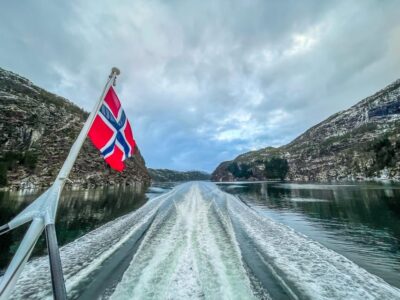
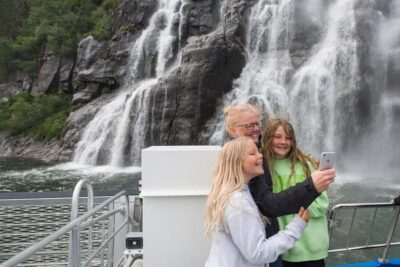
Scenic Fjord Cruise to Lysefjord and Preikestolen
Read our review →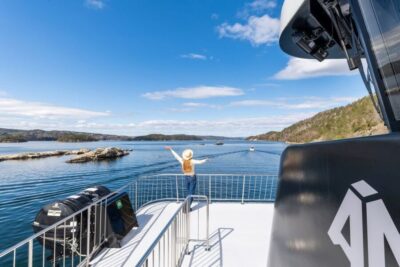
Scenic Fjord Cruise with Audio Guide Commentary
Read our review →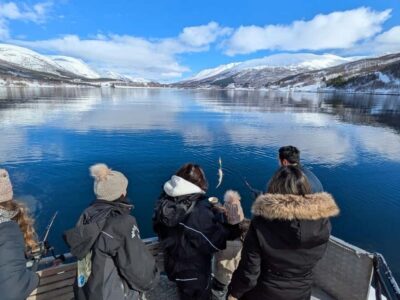
Tromsø’s Top-Rated Fjord & Fishing Cruise – All-Inclusive
Read our review →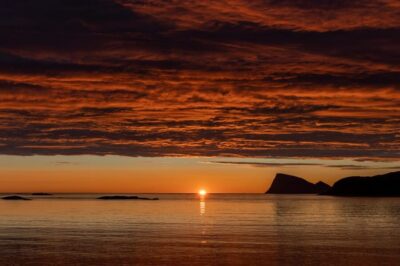
Fjords and Sommarøy Islands Tour with Salmon Picnic
Read our review →
Dalsnibba, Flydalsjuvet, Eagle Bend & Fjords Tour
Read our review →
Arctic Fjord Cruise With Stop On Land At Fish Racks
Read our review →Browse the lists this tour appears in