
Reviewed · TOURS IN NORWAY
From Narvik: Roundtrip Arctic Train Ride on Ofoten Railway
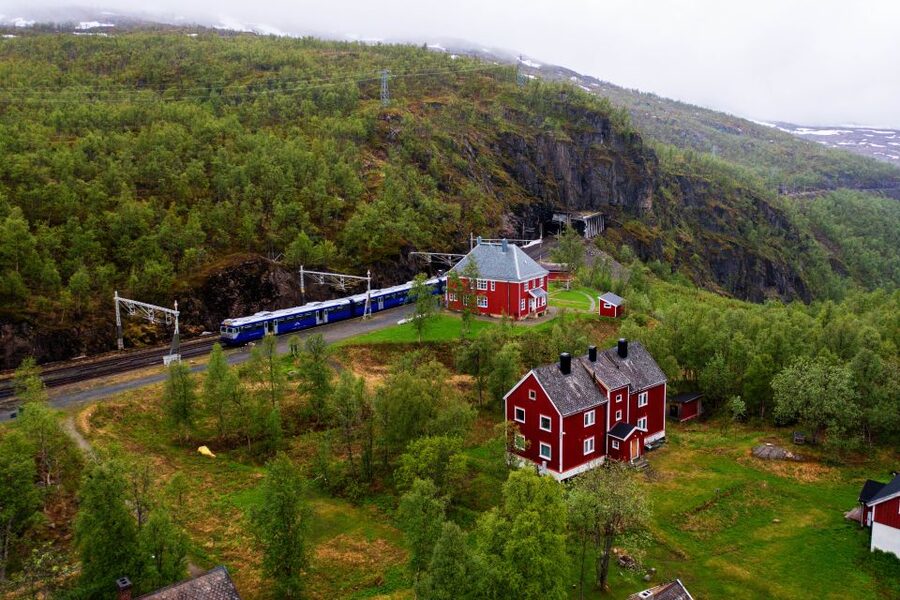
The best part of this Arctic train ride is the steady climb from Narvik toward Bjørnfjell, where fjords, waterfalls, tunnels, bridges, and bare mountain slopes appear outside the carriage. You get a close look at northern Norway without wrestling with icy roads or a short-lived weather window.
I like the useful mix of scenery and history. The railway began as an iron-ore route from Kiruna to Narvik’s ice-free port, then played a major role in the Battle of Narvik during World War II. I also like the fairly gentle two-and-a-half-hour format, with stops or slower sections that give you time for photographs.
The main catch is the weather, and the second is the audio system. Mist can hide the best views, while some passengers have found the recorded commentary hard to hear over the train. You also need to walk uphill from the cruise port to the station unless you arrange other transport.
Key points to know before boarding
- The route covers 43 kilometers from Narvik to Bjørnfjell, the final stop before the Swedish border.
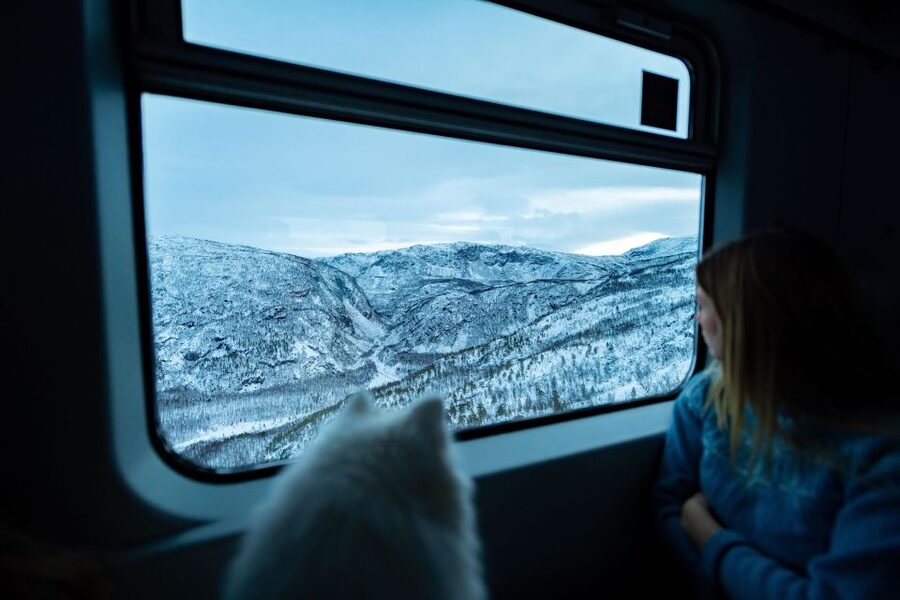
- The left side usually gives the best views going toward Sweden, with a seat change encouraged on the return.
- The railway carries a serious story, from Kiruna’s iron ore to the Battle of Narvik in World War II.
- Stops and slower sections help with photographs, including time to step outside and feel the Arctic air.
- The $69 price is strong value compared with much more expensive cruise-ship excursions.
- Mist and sound quality are the two main uncertainties, not flaws the operator can fully control.
Why the Ofoten Railway is worth your time
Narvik is an unusual railway town. It sits beside an ice-free port, yet the mines that supply much of the railway’s purpose are far away in Kiruna, Sweden. The Ofoten Line links those places across a rugged mountain route and remains both a working transport corridor and a memorable sightseeing ride.
You are not simply riding a train through pretty scenery. The route explains why Narvik exists as an important port and why this remote railway mattered so much during the war. The English audio guide covers the construction of the line and its role in moving iron ore during World War II.
That context gives the views some weight. A snowy slope is one thing when you look at it from a carriage window. It is another when you understand that engineers built tracks across difficult Arctic terrain to connect Sweden’s mines with a year-round Norwegian harbor.
The ride has also earned a strong overall score of 4.4 from 407 ratings, with the most consistent praise aimed at the views, comfortable journey, friendly onboard staff, and value compared with cruise-company pricing. That matches how I would judge it: this is a simple outing, but it makes good use of the scenery.
A few more things to do in Norway worth a look
- Bergen: Viking Village, Nærøyfjord Cruise & Flåm Railway
★ 4.8 · 1,047 reviews
From Narvik station toward the Swedish border
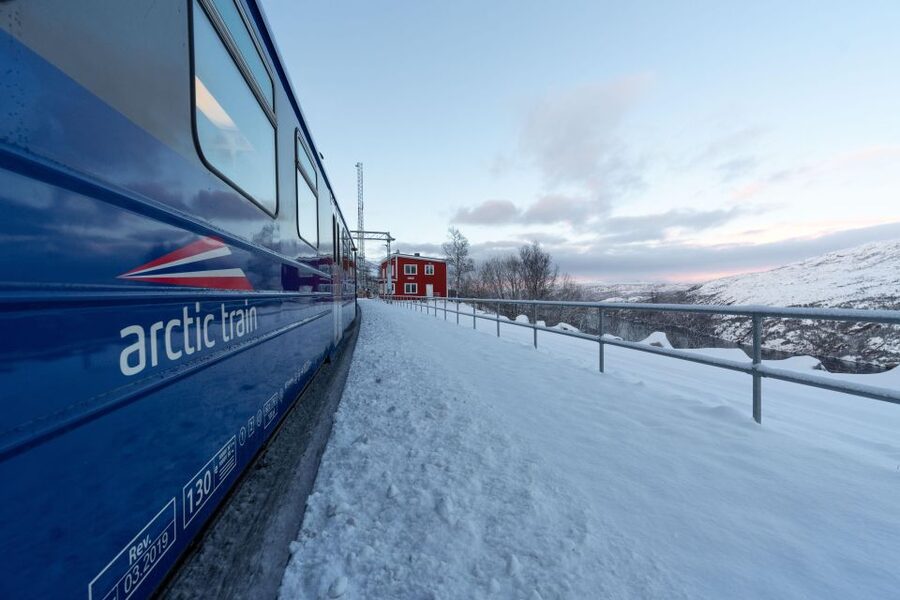
The journey begins at Narvik train station. From the start, you are on a working railway rather than a purpose-built sightseeing attraction, which gives the trip a more genuine feel. The train heads east and begins climbing toward Bjørnfjell.
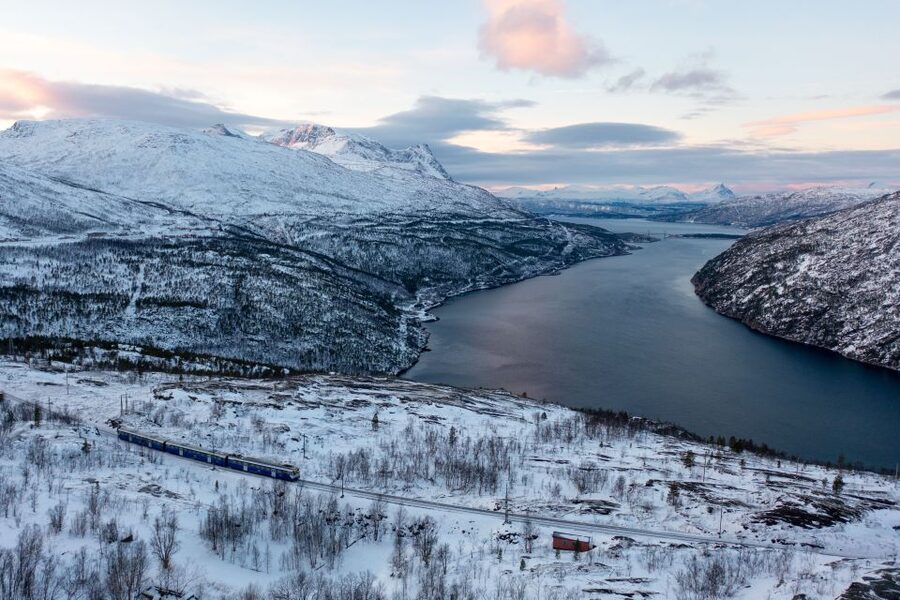
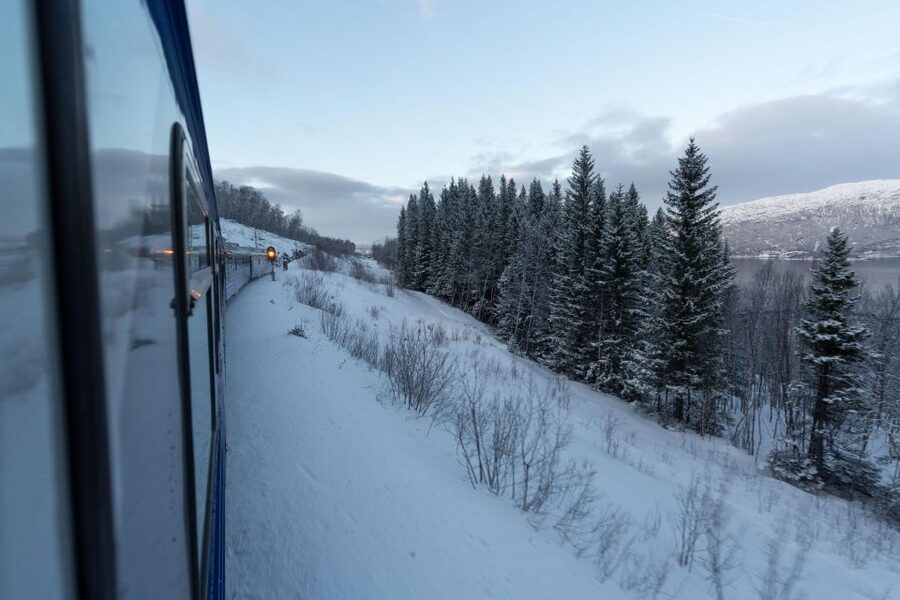
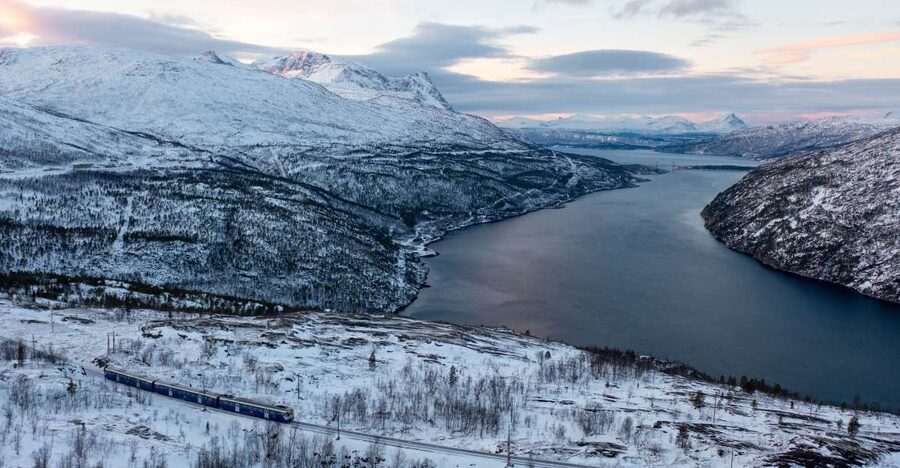
The exact view changes with the season. In winter, snow can cover the mountains and fill the spaces beside the tracks. November, January, and February can provide a classic Arctic scene, with white slopes and crisp snow around the stops. In warmer months, bare rock, green patches, waterfalls, and open mountain views come through more clearly.
The route passes through tunnels and over bridges, with steep sections that show how much ground the railway gains on its way upward. You may see the fjord below as the train climbs away from Narvik. The best views are not confined to one single lookout, so keep watching both sides of the carriage.
The outward journey is usually the key viewing leg. Several passengers found the left side best when heading toward Bjørnfjell. That is useful advice, but do not treat it as a hard rule. The route curves, and scenery appears on both sides.
Bjørnfjell and the final stop before Sweden
Bjørnfjell is the last stop before the Swedish border. This tour turns around there, so you do not actually enter Sweden or continue to Riksgränsen. That distinction matters because the name and cross-border setting can create the wrong expectation.
The stop gives you a chance to take in the surroundings rather than simply remain seated for the entire ride. Depending on the service and conditions, the train may also stop or slow at other points for photographs. Reports describe opportunities to get out, walk around, and enjoy the snow, including very deep snow in winter.
Do not expect a long town visit or a packed sightseeing program at Bjørnfjell. The value is the mountain setting and the sense of reaching the high point of the railway journey. In mist, the stop may offer more than the moving train because you can at least experience the air and snow directly.
The return trip follows the same railway back to Narvik. That could sound repetitive, but the view changes when you face the other direction, and the train gives passengers a chance to see the scenery from both sides. Staff have asked people to swap seats for the return, a sensible arrangement when window spots are limited.
Choosing your seat for the best views
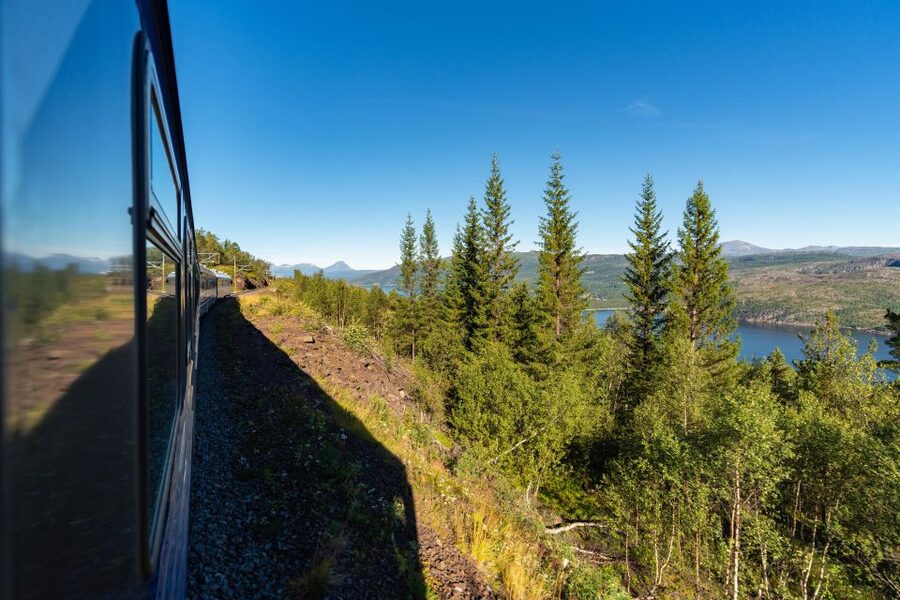
Seat strategy matters more than you might expect. Arrive early if you want the widest choice, since some seats may not line up well with a window. The left side is generally preferred on the climb toward Bjørnfjell.
You should not remain fixed in one place for the whole roundtrip if the carriage is busy. A seat change on the return gives everyone a fair chance at the better views. It also lets you watch familiar peaks and fjord sections from a fresh angle.
The train itself is described as comfortable, but it is not a luxury rail car with panoramic glass or reserved viewing platforms. Your experience depends on the seat, the weather, and how crowded the departure is. On quieter departures, finding a good window should be easier.
If photography matters to you, clean the lens before boarding and keep your camera ready. The train moves through bright open sections, shadowy tunnels, and changing weather. Stops are helpful, but you will not be able to ask the train to pause at every view.
Same base, a different kind of day out:
- From Bergen: The Original Fjord Cruise to Mostraumen
★ 4.7 · 8,440 reviews - Tromsø: Reindeer Sledding & Feeding with a Sami Guide
★ 4.8 · 6,417 reviews - Stavanger: Scenic Fjord Cruise to Lysefjord and Preikestolen
★ 4.6 · 5,791 reviews - Oslo: Scenic Fjord Cruise with Audio Guide Commentary
★ 4.5 · 5,375 reviews
The railway story behind the scenery
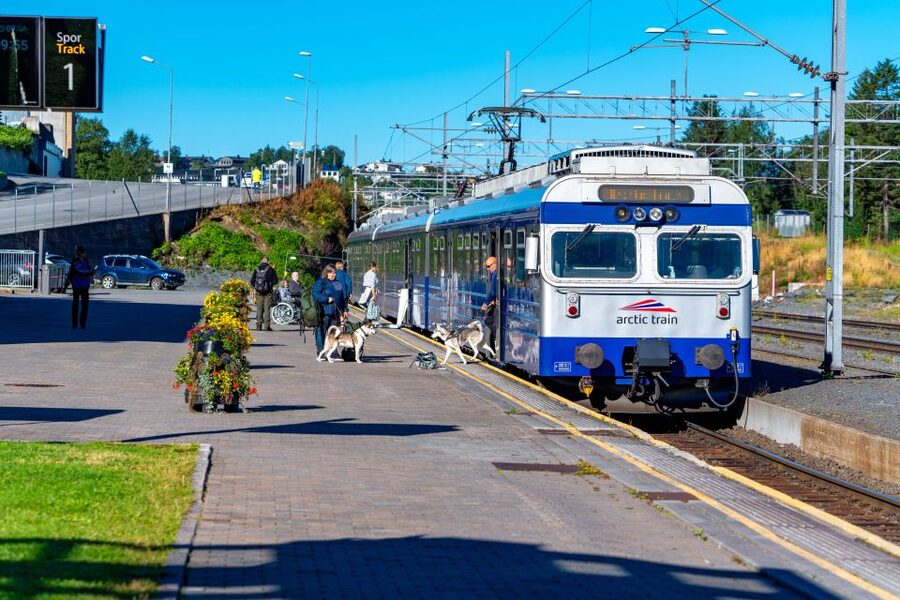
The Ofoten Railway was built in the late 19th century to transport iron ore from the Kiruna mines to Narvik. The port stays ice-free, making it a practical outlet for ore even when winter affects other northern routes.
The line’s history became especially important during World War II. Control of the ore route and Narvik’s port helped make the area a target, leading to the Battle of Narvik. The audio guide connects the railway, the port, and the wartime struggle as you travel.
This is one of the strongest reasons to choose this ride instead of treating it as a simple mountain viewing trip. The narration gives you a reason to notice the route’s engineering and location. You begin to see the tunnels, bridges, and steep inclines as part of a major industrial project, not just attractive scenery.
The commentary is in English. It can be informative, but the sound quality is not guaranteed to be ideal. One passenger found the train noise drowned out much of the narration, while others found the recorded history useful. Sit close to a speaker if possible, and keep your expectations realistic.
Onboard staff have also helped passengers with questions and offered extra information beyond the recording. The service is not described as a guided tour with a personal historian, so your main guide is the audio system, with staff available for practical help.
Weather, seasons, and what you may actually see
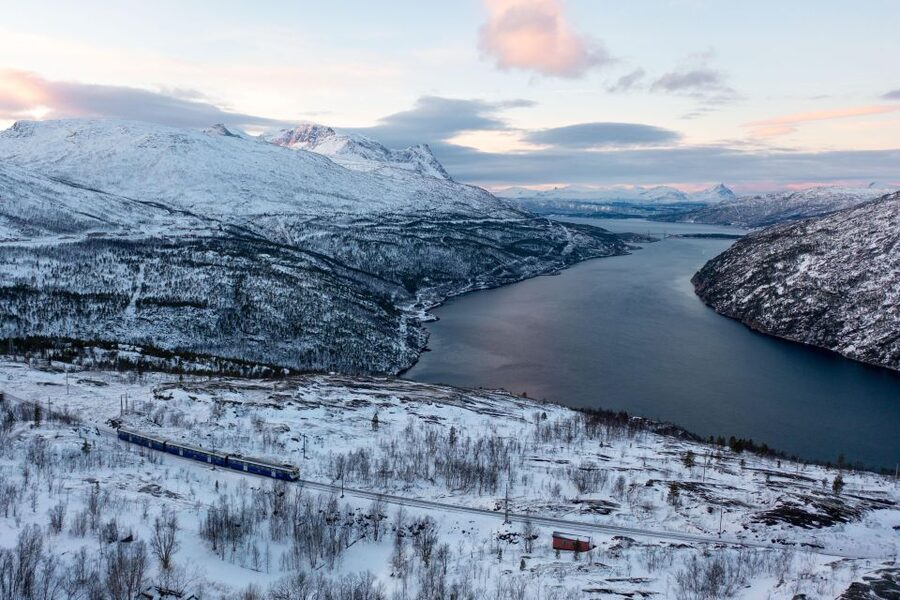
Norway controls neither clouds nor mountain visibility, and this ride is very exposed to both. Mist has hidden views for parts of the route, while snow has made other departures feel especially dramatic. A gray day does not ruin the train ride, but it can reduce the payoff if your main goal is wide fjord views.
Summer gives you longer daylight and a better chance of seeing rock, water, and green mountain sections. Autumn can bring changing weather and a mix of colors. Winter offers the strongest Arctic mood, with snow around the railway and a real chance to step into a white mountain setting.
The experience does not promise wildlife, and you should not book it mainly to see animals. You may spend the whole ride looking at mountains, fjords, waterfalls, and railway features instead. That is the dependable part of the outing.
The phrase three seasons in one ride fits the area’s quick changes, though it should be taken as a warning about clothing. Bring layers and prepare for different conditions between Narvik and Bjørnfjell. If you plan to leave the train at stops, shoes with a firm grip will be more useful than city footwear.
Getting from the cruise port to the train station
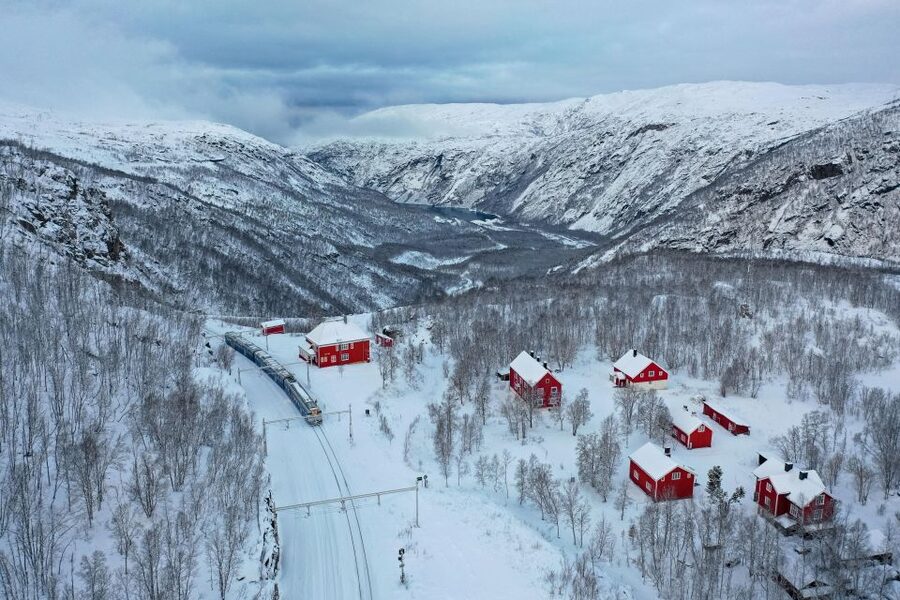
The train station is walkable from Narvik’s cruise port, but the walk is not entirely effortless. Reports put it at roughly 15 to 30 minutes, or about 2 kilometers, and it includes an uphill section.
That detail matters on a cruise day. You need enough time to leave the ship, walk to the station, find the train, and settle before departure. Taxis may not be easy to find because vehicles can be serving the airport or other parts of town.
This walk is the main difference between booking this outing independently and choosing a cruise-company package that includes a bus. The ship excursion may be easier for passengers who want guaranteed transport, but it can cost much more and may use a mixed arrangement with one train leg and one coach leg.
At $69 per person, the independent train ride offers strong value if you are comfortable making your own way to the station. The price includes the roundtrip ticket, English audio guide, and free Wi-Fi. Drinks are not included, though drinks can be bought onboard.
Food, Wi-Fi, and small onboard details
This is not a meal excursion. Do not board expecting lunch or a full café service. Tea, coffee, and water have been available on some journeys, and reports also mention self-service hot drinks, but milk has not always been provided and the onboard coffee machine has occasionally had problems.
The station has a convenient café, so you can get something before boarding if your timing allows. That is a better plan than relying on the train for refreshments.
Free Wi-Fi is included, but the main entertainment is outside the window. I would use the ride to look up from your phone and keep your camera ready. The narration is meant to add context, while Wi-Fi gives you a practical extra rather than changing the character of the trip.
Is $69 a good price?
For a 2.5-hour roundtrip through some of northern Norway’s most striking scenery, $69 is a reasonable price. You are paying for access to a difficult-to-reach route, not just a short ride around town.
The value improves if you are visiting Narvik on a cruise and want an independent alternative to a ship excursion. Several departures have cost far less than comparable packages sold through cruise companies. The tradeoff is that you arrange your own walk to the station and manage your own return to the ship.
The price is less compelling if you have already traveled this exact railway route and are repeating it only for the scenery. One passenger had already covered the line on the way into Narvik and found the repeat less essential. For a first visit, though, the mountain views and railway story justify the fare.
The trip also works well as a backup to outdoor plans. A gondola closure or poor conditions for mountain activities can leave a hole in your day. The train gives you a warm, structured way to see the region without depending on a hike or cable car.
Who should book the Arctic train ride?
I would recommend it to you if you want dramatic views without a demanding physical activity. It suits cruise passengers, first-time visitors to Narvik, photographers, railway fans, and anyone interested in the connection between industry, war, and northern geography.
It is also a good fit for families and mixed-age groups because you can enjoy the scenery from a seat, with short chances to step outside. The activity is listed as wheelchair accessible, which makes it more practical for many passengers than a mountain walk.
You may want to skip it if you have already ridden the route recently, need a guaranteed clear view, or expect a full visit to Sweden. You do not cross into Sweden, the train noise may compete with the audio guide, and mist can block the fjords.
The free cancellation period gives you some flexibility. You can cancel up to 24 hours before departure for a full refund, and reserve now while paying later. Check the available starting time carefully, especially if your visit depends on a cruise schedule.
My verdict on the Narvik to Bjørnfjell journey
Book this tour if you want the easiest way to see the Ofoten Line and you are willing to accept Arctic weather. The route offers more than a pretty train window: it explains Narvik’s iron-ore trade, the railway’s construction, and the wartime importance of the port.
Arrive early for a better seat, aim for the left side on the outward trip, and expect to change sides on the return. Bring warm layers, allow extra time for the uphill walk from the port, and treat the audio guide as useful background rather than a perfectly clear lecture.
For $69, this is one of Narvik’s more practical sightseeing choices. It is not a luxury rail journey and it does not enter Sweden, but it gives you a memorable ride through fjords, mountains, bridges, tunnels, snow, and open Arctic air in a manageable 2.5-hour package.
FAQ
How long does the Arctic train ride last?
The roundtrip lasts 2.5 hours.
Where does the train travel?
The train runs from Narvik to Bjørnfjell on the Ofoten Line, covering about 43 kilometers.
Does the train enter Sweden?
No. Bjørnfjell is the final stop before the Swedish border, but this roundtrip does not enter Sweden.
What is included in the ticket?
The ticket includes the roundtrip train journey, an English audio guide, and free Wi-Fi.
Is the audio guide available in English?
Yes. English is the stated language for the audio guide and host or greeter service.
Are drinks included?
Drinks are not included in the listed price, though drinks are available to buy onboard. Some journeys have also offered tea, coffee, or water.
Which side of the train has the best views?
The left side generally offers the best views heading toward Bjørnfjell. Passengers may be asked to change sides for the return journey.
Is the train wheelchair accessible?
Yes. The activity is listed as wheelchair accessible.
Can I cancel for a refund?
Yes. You can cancel up to 24 hours in advance for a full refund.
How much does the experience cost?
The listed price is $69 per person.
Just added in Norway
- Ålesund to Geiranger Fjord Boat Tour with Return Bus Tour★ 4.7 · 53 reviews
- Ålesund: Fjord Tour with Lunch on MS Bruvik★ 4.3 · 13 reviews
- Ålesund: Ålesund and Surrounding Islands Audio Guide Tour★ 4.1 · 116 reviews
- Ålesund: Guided Food Walking Tour★ 4.9 · 59 reviews
- Akerselva River: Urban Paddling Adventure Kayak Tour★ 4.3 · 29 reviews
- 4hr Dog Sledding Trip on Finnmarksvidda★ 4.7 · 68 reviews
- Alta: Dog Sledding Trip under the Northern Lights★ 5.0 · 48 reviews
- Oslo Sea Kayak Tour “Fjord City”★ 4.5 · 39 reviews
Tours in Norway, compared.
Reindeer Sledding & Feeding with a Sami Guide
Read our review →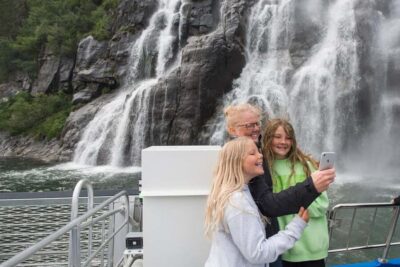
Scenic Fjord Cruise to Lysefjord and Preikestolen
Read our review →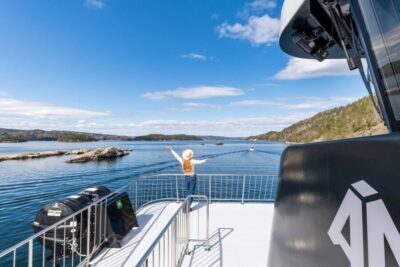
Scenic Fjord Cruise with Audio Guide Commentary
Read our review →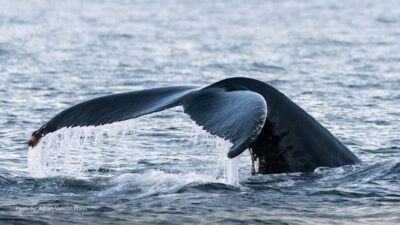
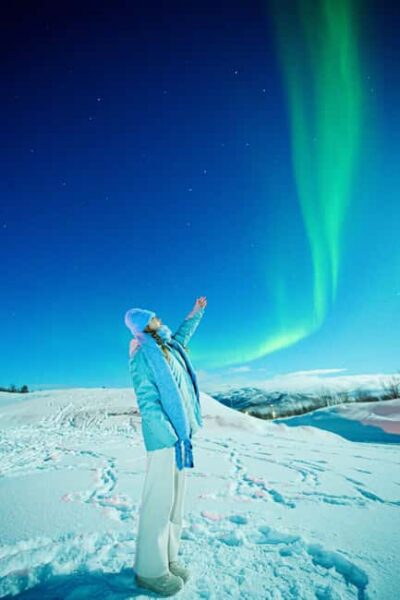
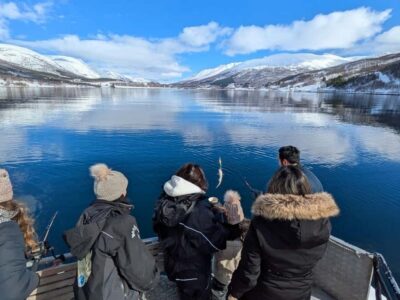
Tromsø’s Top-Rated Fjord & Fishing Cruise – All-Inclusive
Read our review →
Fjords and Sommarøy Islands Tour with Salmon Picnic
Read our review →Browse the lists this tour appears in