
Reviewed · VIKING HISTORY TOURS
From Stockholm: Uppsala and Sigtuna Viking Sites Tour
The most rewarding part of this day is the way it connects scattered runestones, churches, royal burial mounds, and old towns into one clear story. Gamla Uppsala gives you the grandest sense of Viking-era power, while smaller stops such as Jarlabanke Bridge and Arkils Tingstad bring the past down to eye level. Guides including Urban, Olof, and Calle are known for lively storytelling and broad knowledge of Swedish history.
I like the small group size, which makes it easier to ask questions and hear the guide through the audio system. I also like the traditional fika at Granby, a welcome pause with coffee and homemade pastries. The drawback is the pace: nine hours is a long day, and Sigtuna and Uppsala receive limited free time compared with a self-guided visit. At $235 per person, this is best for people who value expert interpretation and easy transport over a bargain outing.
Key points to know before booking
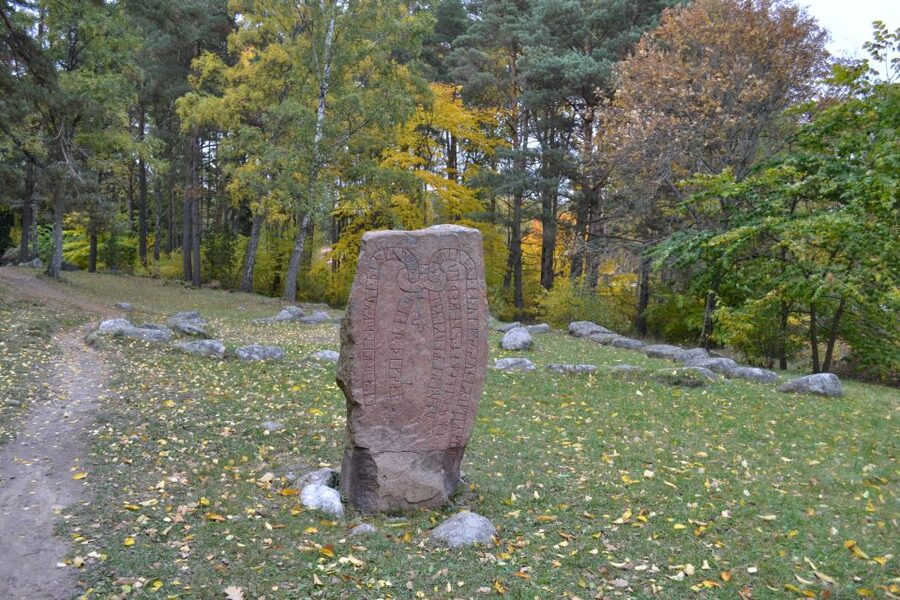
- Jarlabanke Bridge and Arkils Tingstad: See runestones and Viking-era gathering places early in the day.
- Fika at Granby: Take a Swedish coffee break with homemade pastries during the countryside portion.
- Sigtuna’s medieval streets: Enjoy about an hour for lunch, browsing, or a quiet walk in Sweden’s old town.
- Gamla Uppsala’s burial mounds: Visit the former spiritual center of Viking Scandinavia.
- Uppsala Cathedral: Finish with Sweden’s main cathedral and a short guided look at the university district.
- Small-group transport: The vehicle carries no more than 17 people, with hotel pickup and drop-off arranged when possible.
A full day through Sweden’s Viking country
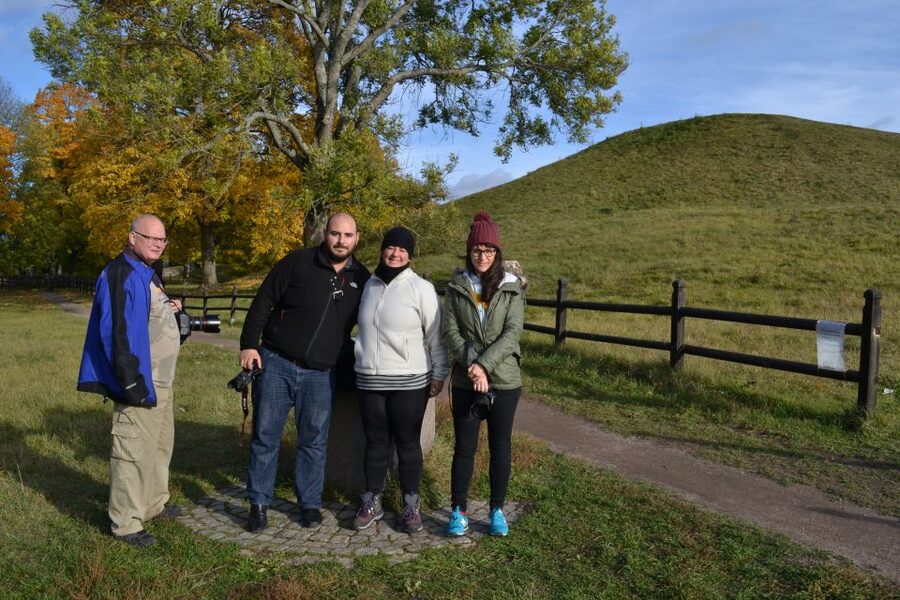
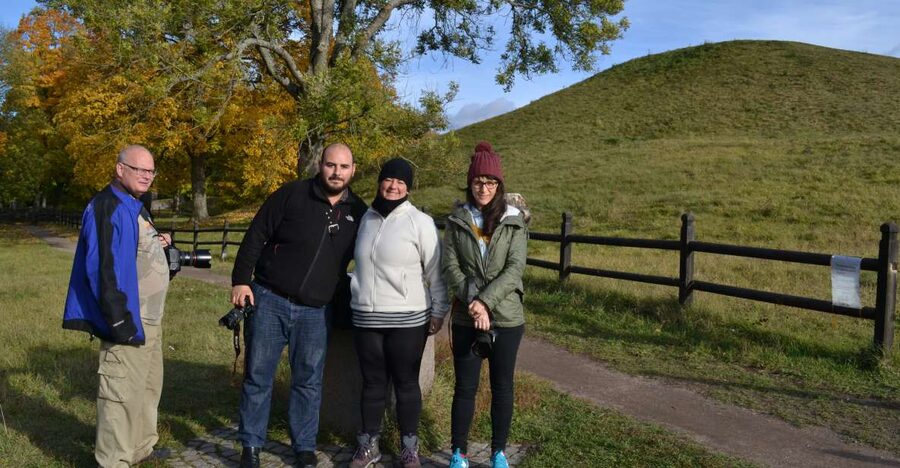
This is not a quick photo stop at one rune stone. It is a full historical route from Stockholm into the countryside and onward to Sigtuna and Uppsala. The guide uses the sites to explain the Viking period, the people who shaped Sweden, and the shift from pagan beliefs to Christianity.
You spend much of the day in a comfortable small bus, with short walks and standing time at the sites. That balance matters. You do not need to be in peak condition, but you should manage a few hundred meters on foot and stand outside for a while. Dress for the weather, since several of the most important stops are open-air sites.
The tour is conducted in English at an academic level. That means you get more than a string of colorful Viking tales. You will hear about politics, religion, society, medieval art, and Sweden’s place in wider European history. If you prefer a light sightseeing trip with little explanation, this may feel too dense. If you like to ask questions, the format gives you plenty of chances.
Other Norse history stops around Stockholm:
- Stockholm: The Viking Museum Exhibition and Viking Ride
★ 4.5 · 667 reviews - Bergen: Viking Village, Nærøyfjord Cruise & Flåm Railway
★ 4.8 · 1,047 reviews - Reykjavik Walking Tour – Walk with a Viking
★ 4.5 · 1,018 reviews
Jarlabanke Bridge and Arkils Tingstad: runestones with a human voice
After roughly 30 minutes by bus from Stockholm, the first major stop is Jarlabanke Bridge. The site is linked to Jarlabanke, a powerful Viking-era landowner known through runic inscriptions. The stones do more than mark an old road. They show how people used writing to announce family ties, property, travel, public works, and status.
Your guide explains how to read the stones in their setting rather than treating them as isolated museum pieces. The bridge itself is no longer the original structure in the everyday sense, but the site helps you understand how roads and crossings connected communities around the Stockholm region.
The next ride is only about five minutes to Arkils Tingstad. This was a Viking-era meeting place, or thing site, where people gathered to discuss disputes and public matters. The stop gives useful context for Viking society. The period was not only about raids and ships. Local assemblies, law, family power, and social obligations shaped daily life.
Each of these stops lasts about 30 minutes. That is enough time for a focused explanation and photographs, but not enough for a long solo exploration. I find that a strength here because the guide keeps the story moving. Still, anyone hoping to linger over every inscription should know that this is a guided route, not an archaeological field day.
Vallentuna Church and the move from paganism to Christianity
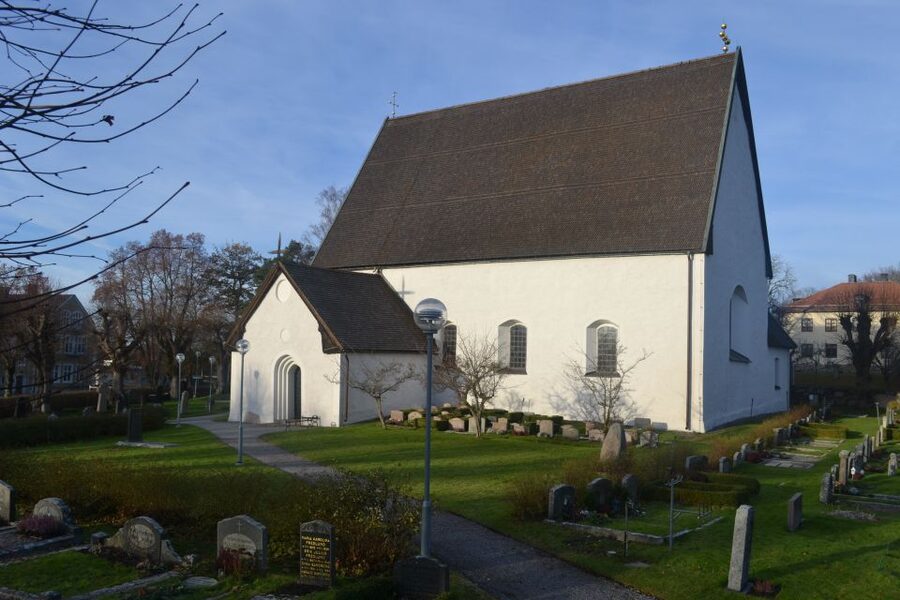
The tour continues to Vallentuna Church, an original medieval church that helps show how Swedish religious life changed after the Viking period. Here, the story moves from older Norse beliefs toward Christianity, a change that took place over time rather than in a single dramatic moment.
This is one of the more useful stops for understanding the tour’s larger theme. The runestones and pagan-era sites can feel distant and heroic. A medieval church shows what happened next, when Christian institutions became central to Swedish power and community life.
You receive about 30 minutes of guided time. Some of the strongest moments on this tour come when the guide links a physical detail in a church to a wider historical shift. Olof, one of the guides praised for his presentation of Viking history and medieval art, is an example of the sort of guide who can make such a building more than another stop on a church list.
Granby and the Swedish fika break
At HÖKERIET near Granby, the day pauses for a traditional Swedish fika. Coffee and homemade pastries are included, and the break lasts about 45 minutes. This is not filler. After several outdoor stops and a steady flow of dates, names, and religious changes, you need time to sit, eat, and reset.
The Granby area also adds a more ordinary view of rural Sweden. The tour is not limited to grand monuments. You pass through the countryside and see how the archaeological sites fit into the wider region.
Fika is one of the small details that improves the day. It gives you a chance to speak with the guide and other members of the group without standing beside a rune stone in cold wind. Several people who took the tour in different seasons especially liked the included sweets and the farm stop.
Do not confuse this break with lunch. Sigtuna provides the main free period for lunch, and the cost of that meal is not listed among the included items.
Same base, a different kind of day out:
- Stockholm: City Archipelago Sightseeing Cruise with Guide
★ 4.3 · 10,798 reviews - Stockholm: Skansen Open-Air Museum Admission Ticket
★ 4.5 · 3,427 reviews - Stockholm: Archipelago Boat Tour
★ 4.4 · 3,110 reviews - Stockholm: Highlights Boat Tour
★ 4.3 · 2,542 reviews
Sigtuna: an hour in Sweden’s old town
Sigtuna was founded in the late Viking era and is one of the most appealing stops for a visitor who wants history with some freedom to wander. You have about an hour of free time, followed by a short guided visit connected with Saint Olaf Church.
The church ruins are associated with Olaf, a Norwegian Viking warrior who converted to Christianity and later became a saint. His story fits neatly into the tour’s larger examination of conversion, kingship, and the ties between Scandinavia’s old beliefs and the new Christian order.
Your hour in Sigtuna can be used for lunch, shopping, a walk along the picturesque streets, or simply a rest. This is a practical advantage after the more tightly scheduled morning. It is also the one place where you get a reasonable taste of the town on your own terms.
The limitation is equally clear. An hour goes quickly, especially if you want lunch and sightseeing. You will need to choose. Do not expect a slow afternoon visit to every shop, church ruin, and street. The tour gives you an introduction, not a complete Sigtuna visit.
Gamla Uppsala and the three burial mounds
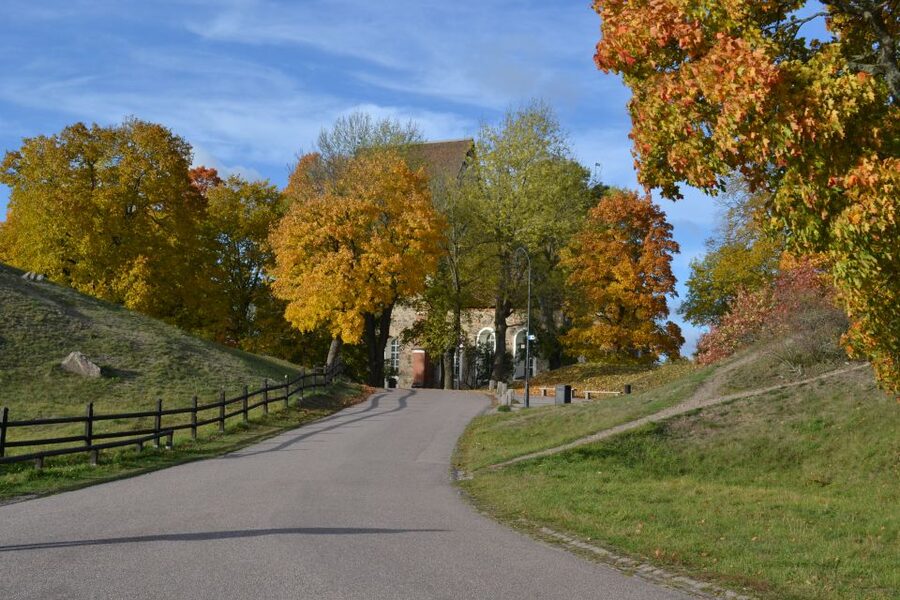
After about 40 minutes on the bus, you reach Gamla Uppsala, the historical high point for many people on the tour. The great burial mounds date from the first centuries AD through the end of the Viking era. They are broad, simple forms, but their scale gives you a strong sense of the authority once concentrated here.
Gamla Uppsala was a spiritual center for Viking Scandinavia. Midwinter blot festivals were held here, with pagan ceremonies tied to the religious and political life of the region. Later traditions say a pagan temple was burned in 1087, and a church was built on the site. The church then became Sweden’s main cathedral and the seat of the country’s first archbishop before that role moved to present-day Uppsala.
Your guide helps you separate documented history from later legend, which is important at a site surrounded by famous stories. You will hear about rulers, religion, ritual, and the way Christian power replaced or reshaped older traditions.
The guided visit lasts about 45 minutes. There is much to see around the mounds, but the schedule favors explanation over a long independent walk. One practical point: in winter, darkness can arrive early. A November visit in heavy rain, for example, may limit how much of the outdoor site you can see. The guide can adapt by spending more time inside churches or using the available shelter, but weather still affects the experience.
Uppsala Cathedral and the university quarter
The last major stop is Uppsala Cathedral, reached after about 15 minutes by bus. This is Sweden’s main cathedral today and a welcome change from the outdoor archaeological sites. You spend about 40 minutes inside with the guide, looking at the building and its historical details.
This stop can surprise people who booked mainly for Vikings. The cathedral is part of the same story. It shows how Christian Sweden developed institutions, art, education, and national authority after the older religious center at Gamla Uppsala declined.
The guide does not simply point out the building’s age and move on. You are encouraged to notice details and ask questions. One visitor specifically found that the cathedral became much more interesting through the guide’s explanations of historical features and facts.
As the bus leaves Uppsala, you receive a short guided look at the university areas. Then the return to Stockholm takes about an hour. This final ride is useful for follow-up questions, or you can simply rest after a long day.
What the small group and audio system mean
The maximum group size is 17 people. In practice, the group may be much smaller. One visit had only three people, making the day feel close to private. That is not guaranteed, but the cap keeps the experience more personal than a large coach excursion.
The guide uses an audio system with whisper-style receivers, both inside and outside the vehicle. This matters at open sites, where wind and distance can make a normal talk hard to follow. One person did note that the headsets could use an update, so check that your receiver is working at the start.
Hotel pickup and drop-off are offered when possible. Pickup locations include many central Stockholm hotels, and the Radisson Blu Waterfront Hotel is the meeting point for people staying outside the listed area. The meeting point is on the upper street, Klarabergsgatan, by the hotel entrance.
From 2025, a non-driving area for non-electric cars in central Stockholm can affect pickup arrangements. Confirm the exact place before the morning of the tour. The provider makes a serious effort to collect people at their hotels, but pickup is not automatic for every address.
Is $235 a fair price?
At $235 per person, this is not a low-cost sightseeing bus. The price includes transport for a nine-hour day, a live English-speaking guide, the audio system, hotel pickup and drop-off when arranged, and the fika at Granby.
You are paying mainly for the guide’s time and interpretation. Urban, who leads many departures, has more than 10 years of experience and is especially strong on Scandinavian history. The guide can connect a rune stone to medieval politics, explain the change from paganism to Christianity, and place Swedish events beside wider European developments.
The value is strongest if you would otherwise need to arrange several separate trips to rural runestones, Vallentuna, Sigtuna, Gamla Uppsala, and Uppsala. Public transport would also leave you handling connections and timing. The value is weaker if you want long stretches of free time or are mainly looking for attractive towns and photographs.
Lunch is not listed as included, so budget separately for it in Sigtuna. The free cancellation period is up to 24 hours before departure, and you can reserve now and pay later, which helps if your Stockholm schedule is still shifting.
Who should book this day?
I would choose this tour if you have a serious interest in Viking history, Swedish religious change, medieval churches, or archaeology. It also suits you if this is your only chance to leave Stockholm and you want one organized day covering several major sites.
The tour is a good fit for curious adults, history-minded families, and visitors who enjoy asking questions. The English is academic, so you should be comfortable following a detailed discussion rather than relying on simple sightseeing commentary.
I would hesitate if you dislike long days, frequent stops, outdoor exposure, or a set schedule. The tour is not physically extreme, but you will walk, stand, get in and out of the bus, and spend much of the day processing information. Bring weatherproof clothing and shoes with good comfort.
Should you book the Uppsala and Sigtuna Viking Sites Tour?
Book it if you want the wider story of Viking Sweden, not just a single rune stone and a dramatic photograph. The combination of Jarlabanke Bridge, Arkils Tingstad, Vallentuna Church, Granby fika, Sigtuna, Gamla Uppsala, and Uppsala Cathedral creates a full day with real historical range.
I especially like the mix of famous places and smaller sites, plus the chance to spend time with guides such as Urban or Olof. Skip it if $235 feels high for a guided day or if you want to explore Sigtuna and Uppsala at your own speed. For a history-focused first visit to the Stockholm region, the route earns its price through access, transport, and explanation.
FAQ
How long is the tour?
The tour lasts about nine hours, including transport between Stockholm, the Viking sites, Sigtuna, Uppsala, and the return to Stockholm.
What language is the tour conducted in?
The live tour is conducted in English, and the included audio guide system is also in English.
Is hotel pickup available?
Hotel pickup and drop-off are included when possible. Pickup is available from a list of Stockholm hotels, and people staying outside the center are directed to the Radisson Blu Waterfront Hotel meeting point.
Where is the meeting point at the Radisson Blu Waterfront Hotel?
The meeting point is on the upper street, Klarabergsgatan, by the entrance of the Radisson Blu Waterfront Hotel.
What food is included?
A Swedish fika with coffee and homemade pastries is included, normally at Granby. Lunch in Sigtuna is not listed as an included item.
How much walking is required?
You should be able to walk a couple of hundred meters and stand for a while. The tour includes outdoor activities, so dress for the weather.
How large is the group?
The group is limited to a maximum of 17 people. Some departures may be smaller.
What are the main sites visited?
The route includes Jarlabanke Bridge, Arkils Tingstad, Vallentuna Church, the Granby area, Sigtuna, Gamla Uppsala, Uppsala Cathedral, and a brief guided look at Uppsala’s university areas.
Can I cancel for a full refund?
You can cancel up to 24 hours in advance for a full refund. You can also reserve the tour and pay later.
Just added in Stockholm
- Stockholm City Kayak Tour★ 5.0 · 194 reviews
- Stockholm: Winter Kayaking, Swedish Fika and hot Sauna Experience★ 5.0 · 156 reviews
- Stockholm: Guided Kayak City Tour & Optional Midsummer Meal★ 4.6 · 170 reviews
- 1-Day Small-Group Stockholm Archipelago Kayak Tour★ 5.0 · 266 reviews
- Stockholm: 2-Hour RIB Speed Boat Tour of the Archipelago★ 4.9 · 396 reviews
- Stockholm Food Tour★ 4.5 · 404 reviews
- Stockholm Private Golf Cart Tours★ 4.8 · 444 reviews
- Walking Tour of Stockholm’s Old Town, Gamla Stan★ 5.0 · 451 reviews
Viking History Tours, compared.

Viking Village, Nærøyfjord Cruise & Flåm Railway
Read our review →

Aarhus Walking Tour: From Viking Village to Metropolis
Read our review →Browse the lists this tour appears in