
Reviewed · TOURS IN NORWAY
Oslo: History, Art and Secrets Tour
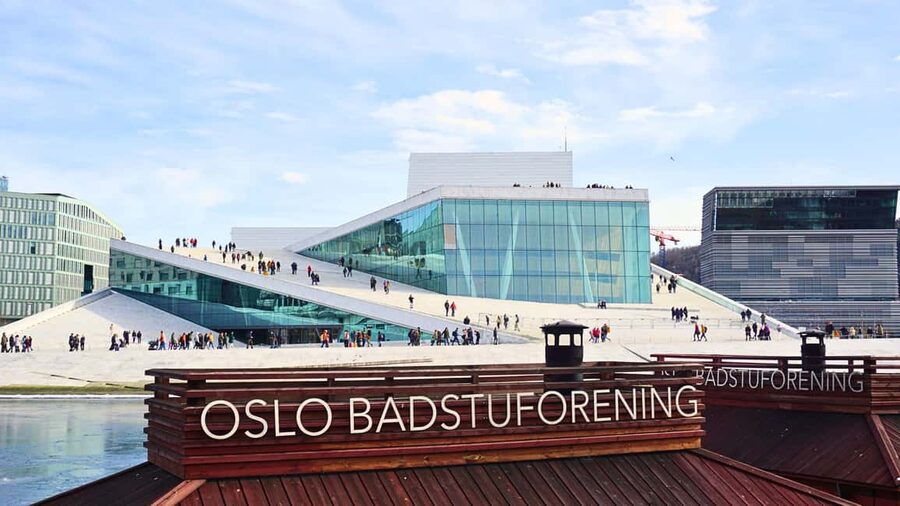
Oslo’s past is written across a surprisingly compact walk. On this three to four-hour tour, you move from the Royal Palace toward the harbor, passing grand civic buildings, medieval defenses, modern art, and the Opera House’s striking roof. The best part is the way the guide connects these places with stories about fires, rebuilding, architecture, and daily life.
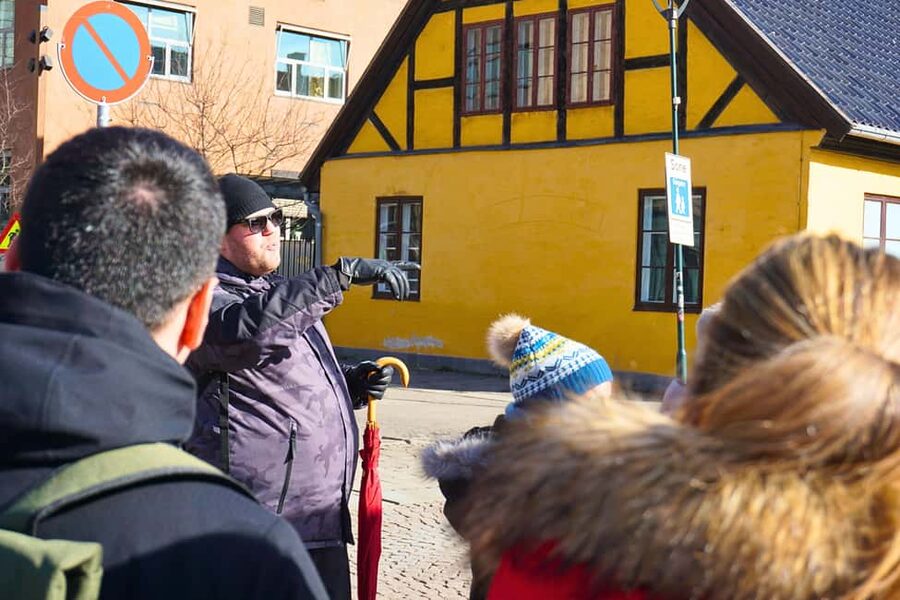
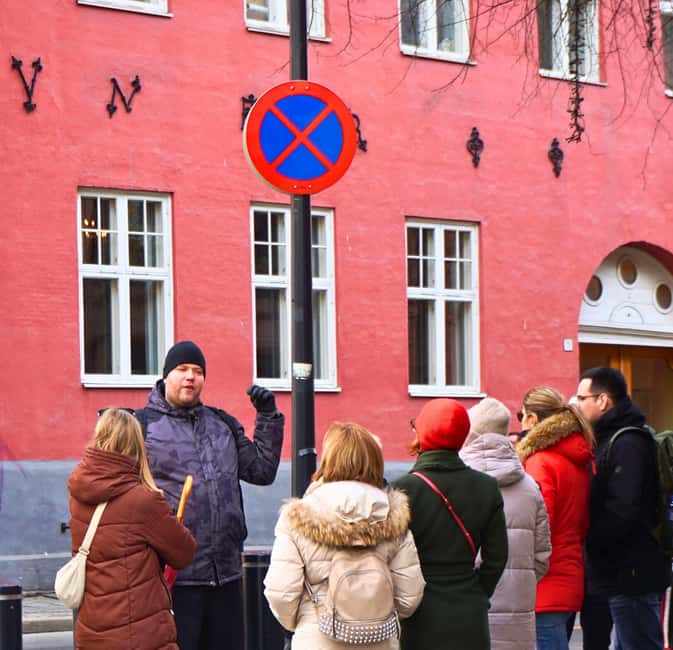
I like the small groups of up to 10, which make it easier to ask questions and hear the guide in busy areas. I also like the practical side: guides such as Anders have shared restaurant suggestions for different budgets, while other guides, including Radu, Michael, Magnus, and Luis, bring their own style to the walk. The main consideration is pace and terrain. This is a long city walk with some uneven areas, and it is not suitable for wheelchair users or people with mobility impairments.
Key points at a glance
- Oslo in one well-planned walk: Cover the Palace, Karl Johans Street, Central Station, Akershus Fortress, the harbor, the Opera House, and the Munch Museum.
- A maximum of 10 participants: A small group gives you a better chance to ask questions and keep up with the guide.
- Views over the Oslo Fjord: Several stops are chosen for photographs, especially around the harbor and the Opera House.
- History with local stories: Learn how repeated fires changed Oslo and how the city developed from medieval roots into a modern capital.
- Opera House access included: You can walk onto the building rather than only viewing it from outside.
- Useful local advice: Guides have offered restaurant recommendations, Norwegian food suggestions, and tips for the rest of your stay.
Why this Oslo walk works well on your first day
I would put this tour near the beginning of an Oslo visit. It gives you a useful mental map without asking you to spend a full day inside one museum. By the finish, you have seen the main center, the waterfront, the fortress, the opera district, and the station area.
That matters in Oslo, where the city’s major sights are spread along a walkable route but do not always feel connected at first. The tour helps you understand how the formal center around Karl Johans Street relates to the harbor and newer cultural buildings farther east.
The guide also adds the details you would probably miss on your own. You hear about Oslo’s repeated fires, its rebuilding, and the changes that shaped its architecture. Those stories give more meaning to the mixture of old stone, nineteenth-century streets, modern glass, and bold cultural buildings.
The walk lasts three to four hours, though individual stops are often around 10 to 15 minutes. That is enough time to see a lot, take photographs, and ask questions, but not enough for long museum visits. Think of this as an orientation tour with sightseeing, not a museum tour or a slow architectural study.
A few more things to do in Oslo worth a look
- Oslo: Historic Myths & Legends Evening Walking Tour
★ 4.8 · 408 reviews - Oslo City Walks – Historic River Walk
★ 5.0 · 31 reviews - A Well Balanced History and Food Tour with Focus on the Scandinavian Kitchen
★ 4.5 · 29 reviews
Starting at Slottsparken and the Royal Palace
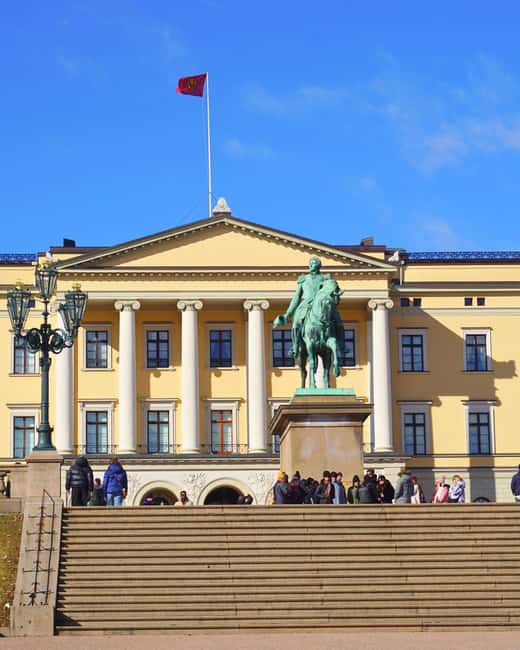
The listed starting point is the Royal Palace in Slottsparken, although the exact meeting point can vary according to the option you book. Confirm that detail before setting out, especially if you are coming from a cruise port, train station, or hotel.
The Palace is a fitting place to begin. It gives the walk a clear sense of Oslo as Norway’s capital, then lets the route move downhill toward the waterfront. The change in setting is part of the appeal. You start among formal streets and open parkland before heading toward commercial, historic, and cultural districts.
The guide sets the tone here by explaining the city rather than simply naming buildings. You will want to listen closely at the first stop because the broader story of Oslo begins early: medieval origins, repeated fires, rebuilding, and the city’s modern shape.
The route is described as downhill, but do not read that as effortless. You are still on your feet for several hours, and comfortable shoes are important. Bring water and dress for the weather. Oslo’s conditions can change, and much of the experience takes place outdoors.
Aker Brygge and the Oslo waterfront
Aker Brygge is one of the first major waterfront stops. The area gives you an immediate sense of Oslo’s relationship with the fjord, and it is a good place to pause for views and photographs.
This part of the route is useful because it shows Oslo as a working and social harbor city, not only a collection of historic buildings. The guide can place the waterfront in the larger story of urban change, helping you see how the harbor fits into the capital’s present-day identity.
You should expect a guided walk of about 10 minutes here rather than a long break. If you want waterfront shopping, a meal, or extra time by the water, save that for after the tour or return later. The value of this stop is the view and the context, not a detailed visit to every part of Aker Brygge.
Oslo City Hall and the civic center
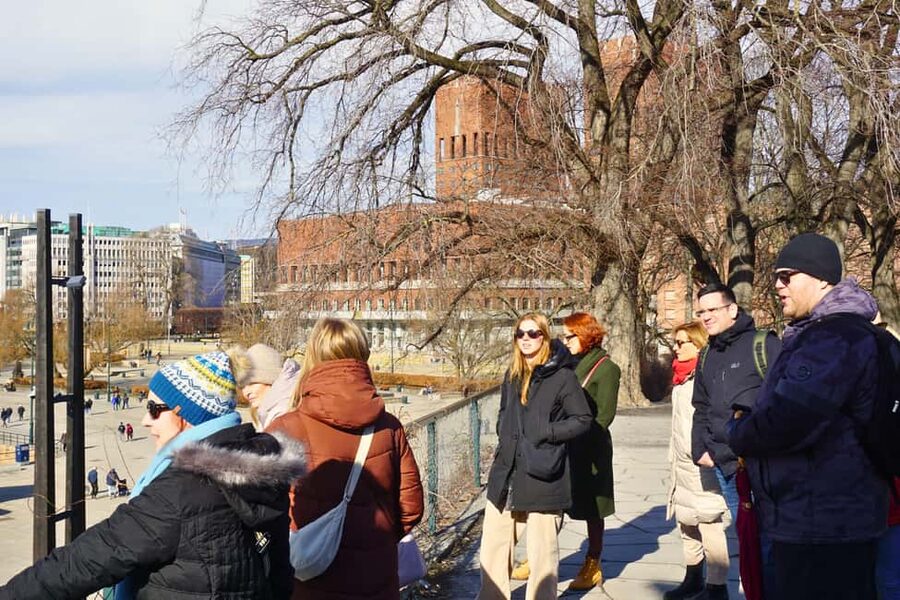
The next major stop is Oslo City Hall, with a photo stop and about 10 minutes of guided sightseeing. Its scale and setting make it one of the city’s most recognizable civic buildings.
This is a good point to pay attention to the guide’s comments about architecture. The tour is not limited to dates and names. Guides have been praised for explaining the city’s buildings and for making architectural details easier to understand.
City Hall also helps link the modern capital to its older surroundings. From here, you are close to the main streets, harbor areas, and historic defenses that appear later in the walk. Take your photograph, but listen for the story behind the building. That is where this tour offers more than a standard checklist of sights.
Same base, a different kind of day out:
- Oslo: Scenic Fjord Cruise with Audio Guide Commentary
★ 4.5 · 5,375 reviews - Oslo Nature Walks: Island Hopping Tour
★ 4.8 · 2,713 reviews - Oslo: 100% Electric Oslofjord Sightseeing Cruise
★ 4.4 · 2,041 reviews - Oslo: Fjord Evening Cruise with Shrimp Buffet
★ 4.5 · 1,956 reviews
Karl Johans Street and Oslo’s public face
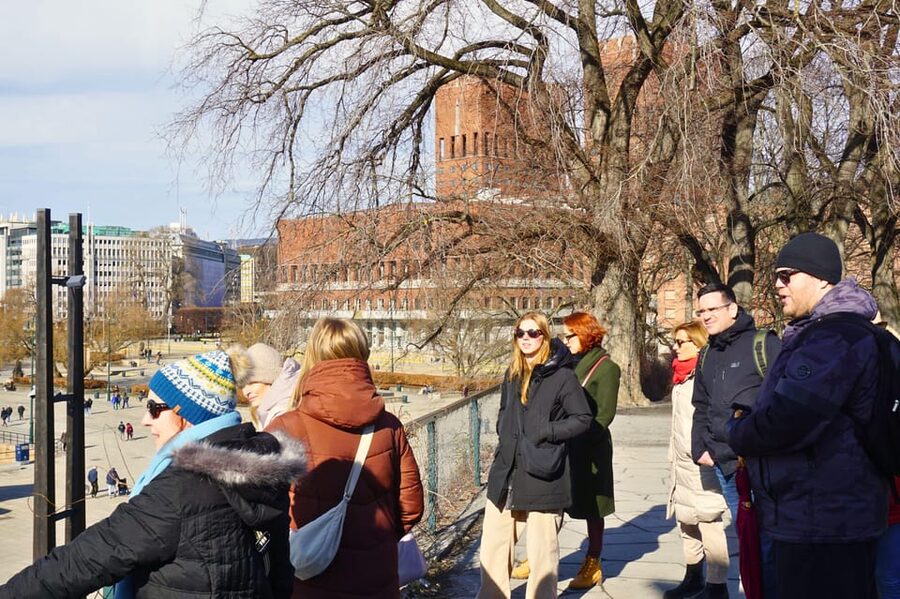
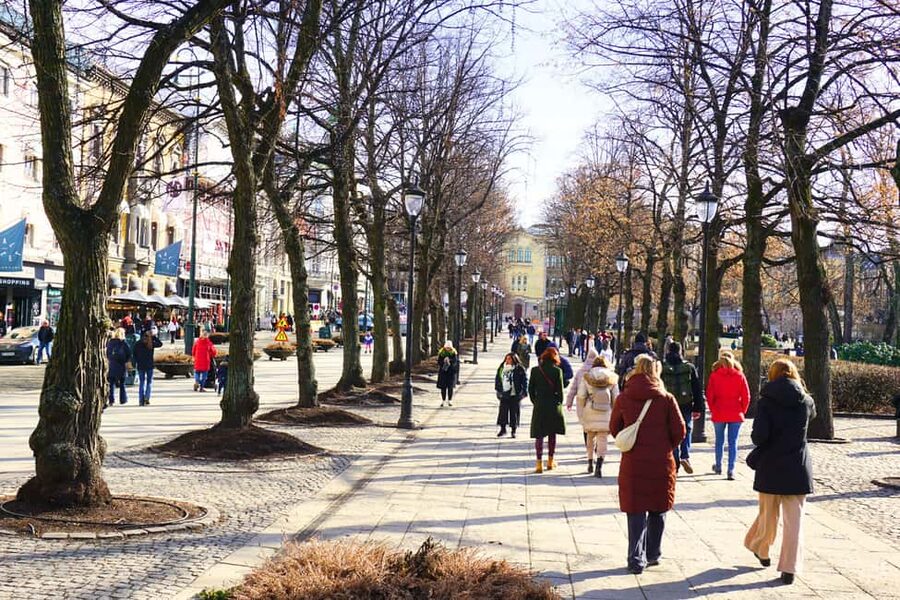
Karl Johans Street is the city’s principal ceremonial and shopping street, and the tour allows about 15 minutes for walking, sightseeing, and photographs. It is one of the clearest places to see Oslo’s public face.
The route through this street gives you a sense of how the city is organized around the Palace, the station, and the central civic areas. It also offers a chance to notice the contrast between formal avenues and the smaller streets that branch away from them.
This stop is less about entering a single attraction and more about understanding Oslo’s center. If you want quiet photography, be ready to move with the group. The street is an active public route, and the tour keeps going rather than lingering for a long independent break.
Oslo Central Station and the city’s connections
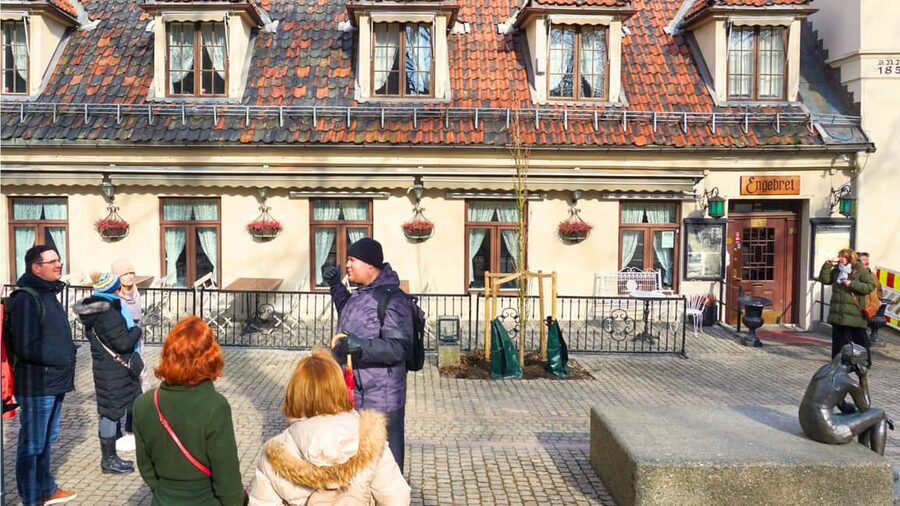
Oslo Central Station is another 15-minute stop. It may seem like an odd sightseeing point at first, but it is a practical one. The station is a major reference point for anyone arriving by train, staying near the center, or planning to continue around Norway.
The guide can help you place the station within the city’s layout. You also have a useful chance to orient yourself for later travel. Since one of the possible drop-off points is Central Station, this location may be especially convenient if you are arriving or departing on the same day.
A photo stop here is brief, so do not expect a full station tour. The benefit is knowing where you are and seeing how the central transport hub relates to Karl Johans Street, the harbor, and the older parts of Oslo.
Akershus Fortress and medieval Oslo
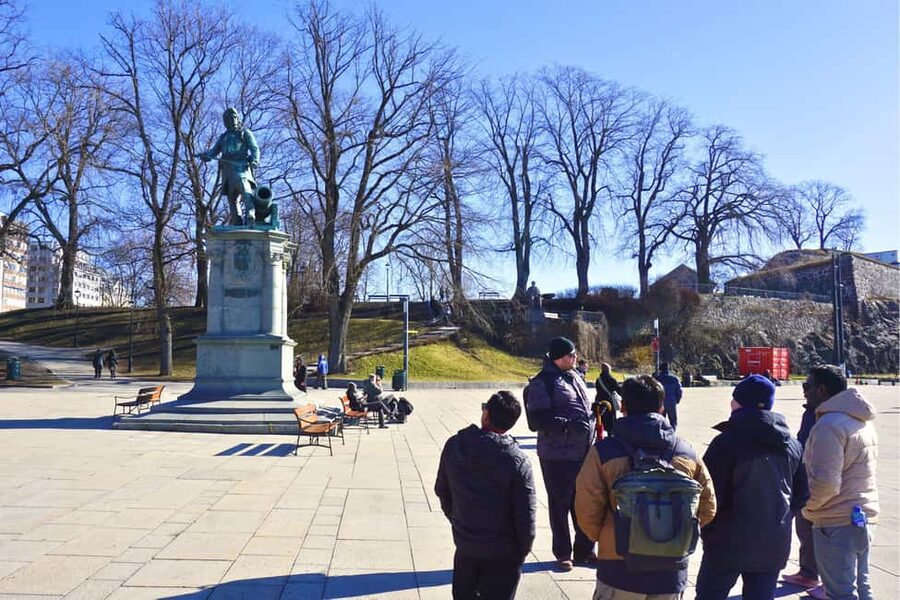
Akershus Fortress is one of the most important stops because it gives the city’s older past a physical setting. The tour allows about 15 minutes for walking, sightseeing, and photographs.
Here, the story reaches back toward Oslo’s medieval origins. The fortress also helps explain why the harbor mattered so much. Its position gives you both historic atmosphere and views toward the water, making it one of the more rewarding sections for photographs.
Do not expect a full fortress admission or an extended interior visit. The experience is a guided visit around the site, and museum entries are not included. If you want to explore every building or exhibition inside Akershus Fortress, plan separate time and check entry details independently.
The short stop still has value. A guide can point out details you might walk past alone and explain how the fortress fits into Oslo’s changing role over the centuries. This is one of the places where the tour’s theme of old and new Oslo becomes especially clear.
The Oslo Stock Exchange and the story of rebuilding
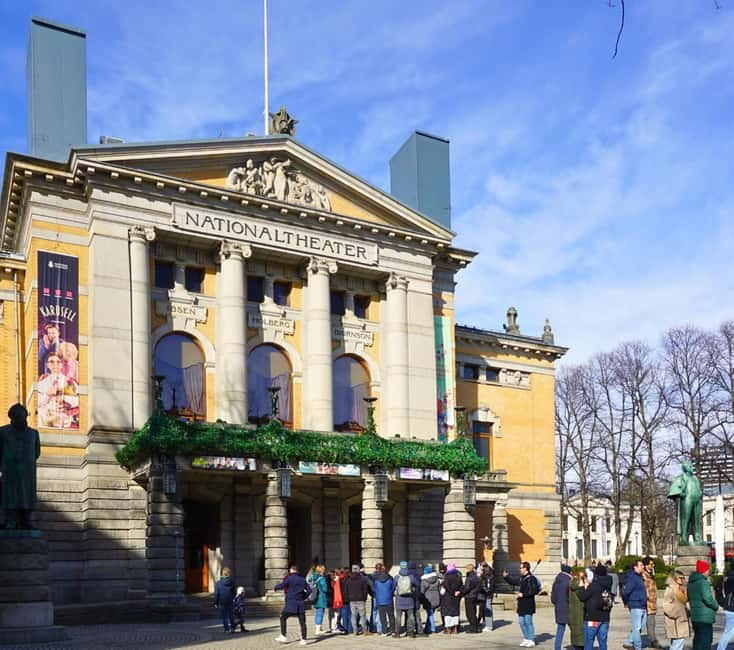
The Oslo Stock Exchange is another 15-minute photo and sightseeing stop. It adds an economic layer to the route, showing that Oslo’s identity is not only royal, military, or artistic.
The guide’s wider discussion of fires and reconstruction is particularly useful around the central districts. Oslo has been damaged by fire several times over the last hundred years, and the city’s appearance reflects repeated rebuilding. You begin to see the streets as the result of many decisions rather than one single period of design.
This stop may appeal most to people who enjoy urban history. If you prefer long visits inside major attractions, it will feel brief. If you like learning how a city developed through trade, public institutions, disasters, and renewal, it adds helpful context.
Walking onto the Oslo Opera House
The Oslo Opera House is one of the tour’s strongest stops. You are able to enter the Opera House, and the visit includes time for photographs and a short break, generally around 15 minutes.
The building is designed to be walked on, so this is not merely an exterior viewing. Its rising surfaces create places to look back over the harbor and city. Bring your camera, since the route specifically includes scenic viewpoints and this is one of the most rewarding places for them.
The Opera House also marks Oslo’s modern cultural direction. After seeing the Palace, fortress, station, and Stock Exchange, you arrive at a building that feels deliberately open and contemporary. The guide’s explanation helps connect its design to the broader changes taking place in the city.
The break is useful, but short. If you want coffee or a full rest, ask the guide how much time is available. The tour continues, and you should not count on a long independent visit inside the building.
The Munch Museum and Oslo’s art district
The Munch Museum is the final listed sightseeing stop. The tour includes a photo stop and guided explanation, but museum admission is not included.
That distinction is important. You can see the museum as part of the walk and learn where it fits within Oslo’s newer cultural district, but you will need a separate ticket if you want to enter. The tour is a good way to decide if you want to return for a longer art visit.
This stop also rounds out the tour’s three-part subject: history, architecture, and art. You have seen the medieval fortress, civic buildings, financial institutions, and modern cultural venues. The Munch Museum gives the final section a clear artistic focus without turning the walking tour into a museum visit.
Guides who add personality and practical help
The guide can make a major difference on a city walk. Several guides are associated with this experience, including Anders, Radu, Michael, Magnus, and Luis.
Anders has been especially praised for keeping a large route relaxed, allowing time for questions, and making sure slower walkers can hear the explanations. His style combines serious history with humor, and he has offered advice about restaurants at different price levels. One particularly useful detail is that a guide who also works as a professional chef has recommended places to try traditional Norwegian food.
Radu has been noted for covering many of Oslo’s best-known sights, while Michael brings strong attention to architecture and city history. Magnus is associated with a calm, easygoing walk, and Luis has also led the experience.
You cannot choose the exact personality or approach unless the booking option says so. Still, the range of guide styles is worth knowing. The tour is built around conversation, stories, and questions, so a good guide matters more here than on a simple transfer or audio route.
What $41 buys you
At $41 per person, the tour offers fair value if you want a broad introduction to Oslo in one morning or afternoon. The price includes a local guide, the walking tour, scenic viewpoints, and access to the Opera House. It does not include museum tickets.
I see the value in the time saved. You cover a large portion of central Oslo without constantly checking a map or deciding which direction to take next. You also get explanations that are difficult to reproduce from a quick guidebook scan, especially the stories about fires, rebuilding, and lesser-known city details.
The price is less attractive if your priority is independent exploration or extended time inside museums. You will see the Munch Museum and Akershus Fortress, but you will not receive their full admission experience. In that case, treat this as a first look and add separate visits.
The small group improves the value. With no more than 10 people, the guide can answer questions and adjust the pace better than on a large coach-style city tour. That is useful when you want restaurant advice, help with photographs, or clarification about Oslo’s past.
Pace, footwear, and who should book
You should book this if you want to see Oslo’s major central sights while learning how they fit together. It suits first-time visitors, short-stay visitors, couples, solo visitors, and anyone who likes history told through streets and buildings.
It is also a good choice if you want practical advice for the rest of your stay. Guides have offered restaurant suggestions, Norwegian food tips, and ideas for other activities. A small group makes those conversations easier.
This is not the right fit if you need step-free access or cannot walk for several hours. The activity is specifically unsuitable for people with mobility impairments and wheelchair users. Wear comfortable shoes, carry water, and bring weather-appropriate clothing. The route includes walking, viewpoints, and outdoor stops, so the weather will affect your comfort.
The exact end point may be Oslo Central Station, The Broker, or the Royal Palace, depending on the option booked. Since the activity may finish back at the meeting point, check the selected option before making plans immediately afterward.
You can cancel up to 24 hours before the tour for a full refund, and the reserve-now-pay-later option gives you some flexibility when your schedule is still changing.
Should you book the History, Art and Secrets Tour?
I would book it if this is your first day in Oslo and you want a clear introduction to the city rather than a single attraction. The route covers an impressive range, from Slottsparken and Karl Johans Street to Akershus Fortress, the Opera House, and the Munch Museum.
The strongest reasons are the small group, the scenic viewpoints, the Opera House access, and the guide’s local advice. The main tradeoff is the length and pace of the walk, plus the fact that museum admission is not included.
Choose this tour for context, stories, and orientation. Skip it if you prefer to spend three hours inside museums or explore every stop at your own speed. For most active visitors with comfortable shoes, $41 is a sensible way to get your bearings and find the places you may want to revisit on your own.
FAQ
Where does the Oslo History, Art and Secrets Tour start?
The starting point may vary depending on the option booked. The listed starting location is the Royal Palace in Slottsparken, so check your selected booking details for the exact meeting point.
How long does the tour last?
The activity lasts three to four hours. Starting times vary, so check availability when choosing a date.
What sights are included?
The route includes Aker Brygge, Oslo City Hall, Karl Johans Street, Oslo Central Station, Akershus Fortress, Oslo Stock Exchange, Oslo Opera House, and the Munch Museum, along with the Royal Palace starting area.
Can I enter the Oslo Opera House?
Yes. Entering the Opera House is included, along with a short visit and photo stop.
Are museum tickets included?
No. Entry tickets to museums are not included in the activity price.
How large is the group?
The tour is limited to 10 participants.
What languages are available?
The live tour guide may speak English, German, Spanish, or Italian.
Is the tour suitable for wheelchair users?
No. The activity is not suitable for wheelchair users or people with mobility impairments.
What should I bring?
Bring comfortable walking shoes, water, a camera, and clothing suited to the weather.
Can I cancel the tour?
Yes. You can cancel up to 24 hours in advance for a full refund. A reserve-now-pay-later option is also available.
Just added in Oslo
- The Viking Planet Museum – Mini Group (4 adults)★ 4.0 · 16 reviews
- Unknown war. Oslo and Norway during 1940-45★ 5.0 · 74 reviews
- The Viking Planet Museum Ticket★ 4.0 · 197 reviews
- Oslo Winter Highlights Bike Tour★ 5.0 · 36 reviews
- The Ultimate Study of the Human Form at Vigeland’s Sculpture Park with a Local★ 4.0 · 14 reviews
- The Essential Oslo Private Walking Tour★ 5.0 · 79 reviews
- The Ultimate Norwegian Skiing Experience★ 5.0 · 16 reviews
- Central Oslo Guided Walking Tour with Local Guide★ 4.5 · 278 reviews
Tours in Norway, compared.

Reindeer Sledding & Feeding with a Sami Guide
Read our review →
Scenic Fjord Cruise to Lysefjord and Preikestolen
Read our review →
Scenic Fjord Cruise with Audio Guide Commentary
Read our review →


Tromsø’s Top-Rated Fjord & Fishing Cruise – All-Inclusive
Read our review →
Fjords and Sommarøy Islands Tour with Salmon Picnic
Read our review →Browse the lists this tour appears in