
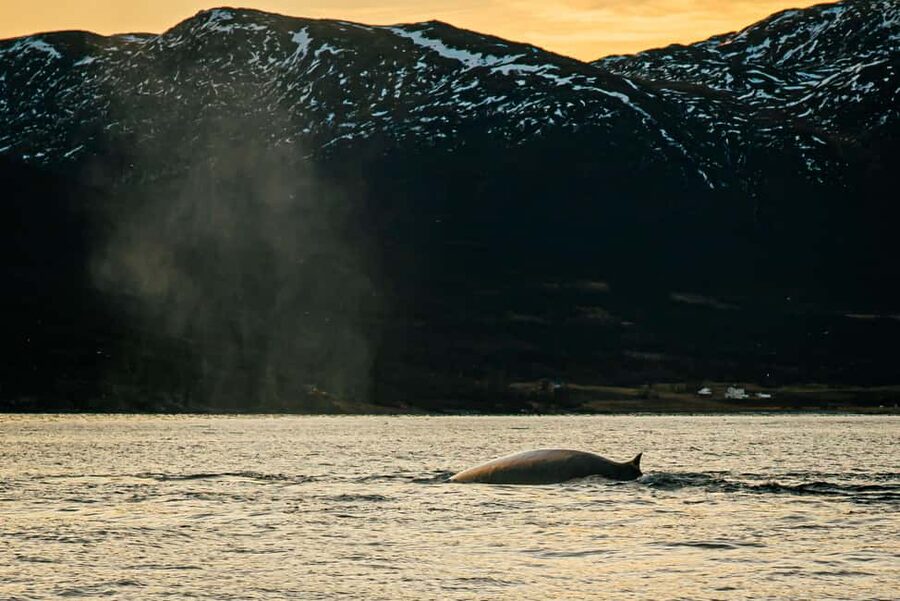
Reviewed · WHALE WATCHING
Skjervøy: Whale Watching with RIB Boat and Local Guide
The main draw here is the chance to watch killer whales and humpback whales from a fast, open RIB boat in the waters outside Skjervøy. Orcas may gather in family groups, while humpbacks can surface, breach, and show their individually marked tail fins. I like the personal scale of the trip, with local guide Viktor at the helm, and I like that the company supplies the bulky cold-weather gear. The possible catch is simple: this is an Arctic ocean ride, not a calm harbor cruise.
I also like the flexible approach to wildlife watching. Viktor has extended some trips when whales were putting on a show, and he has found both orcas and humpbacks even in poor weather. Bring serious gloves and something to cover your neck, though. The supplied suits help a lot, but several hours in wind and spray can still leave exposed skin cold.
Key points to know before booking
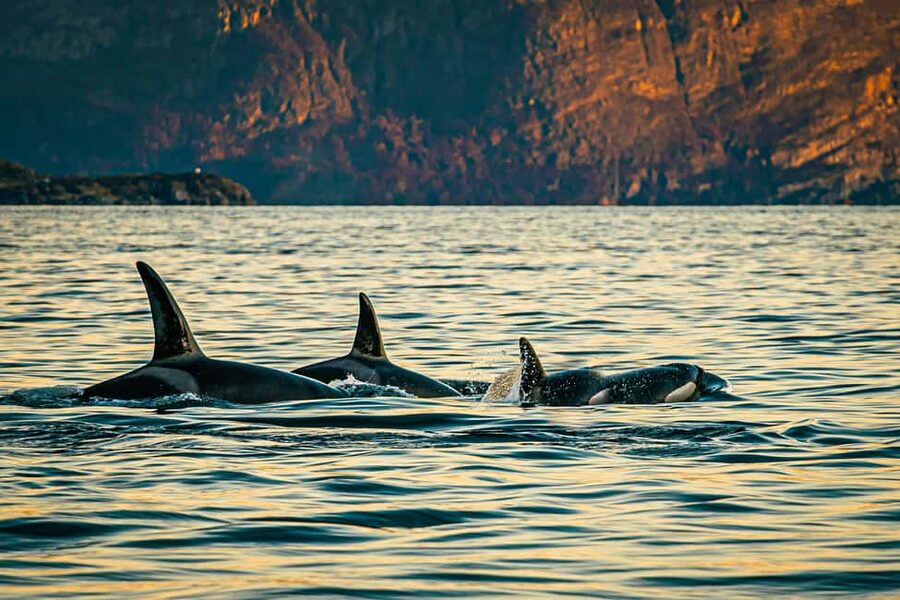
- Orcas are the star attraction: You may see family groups feeding together, sometimes with humpback or fin whales nearby.
- The season runs from mid-October to February: Whale activity follows the herring, so sightings depend on nature, not a fixed schedule.
- Viktor is a frequently praised local guide: He drives the RIB, explains whale behavior, and is known for taking care around the animals.
- The boat ride is genuinely lively: Waves, spray, and speed make this better for adventure-minded visitors than for anyone seeking a quiet cruise.
- Cold-weather equipment is included: Expect outerwear, life jackets, hats, thermo boots, and goggles, but pack your own gloves and neck warmer.
- You need to reach Skjervøy yourself: Daily Arctic Route buses connect Tromsø and Skjervøy, with the ticket booked separately.
Why this Skjervøy whale safari is different
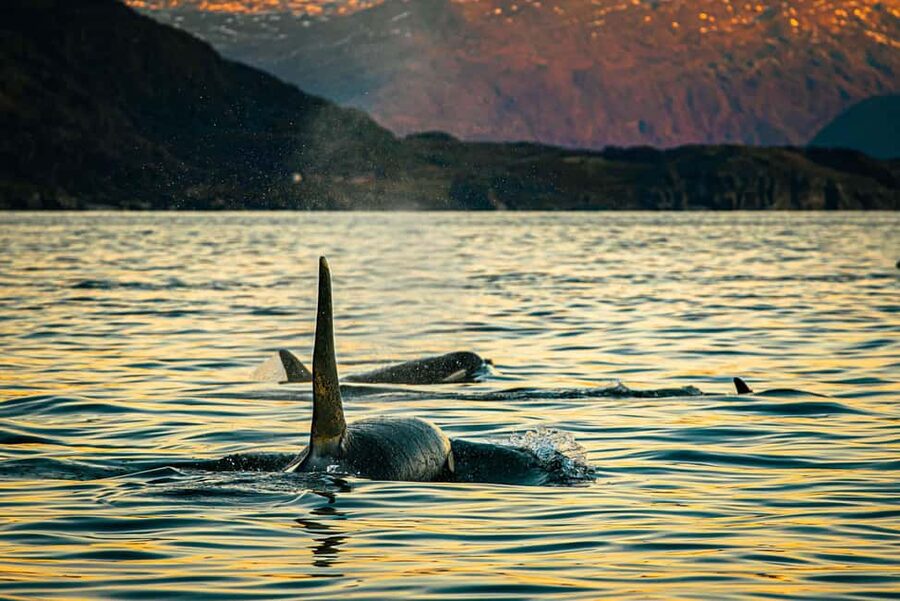
Skjervøy gives you a strong chance to see whales during the darkening months of northern Norway. From roughly the middle of October through February, herring draw large numbers of fish-eating whales into the area. That can bring orcas, humpback whales, and sometimes fin whales into the same broad feeding zone.
The word chance matters. No responsible operator can promise a sighting, and the whales do not follow a script. Some days require searching across open water. Other days produce a remarkable scene almost at once, with several pods feeding together.
The RIB boat changes the feel of the outing. You sit close to the water, feel the boat rise over waves, and move quickly between possible sightings. It is more physical than a heated cabin cruiser, but it also puts you close to the Arctic air and gives you a wide, unobstructed view.
You are not simply being driven around looking for black fins. The guide explains the difference between species and points out behavior as it happens. Orcas communicate with whistles and pulse sounds. Humpbacks may travel alone or in small groups, breach dramatically, and sing underwater. Their tail fins are unique, which makes individual identification possible.
More RIB Boat Safaris in Norway
- From Stavanger: RIB Tour to Lysefjord
★ 4.9 · 1,288 reviews - From Stavanger: Lysefjord Sightseeing RIB Boat Tour
★ 4.9 · 821 reviews - RIB Geiranger – Fjordsafari
★ 4.8 · 807 reviews
Meeting Viktor at Skjervøy harbor
The meeting point is on the backside of the old white harbor building, downhill from the Ekstra grocery store. The listed coordinates are 70.02948760986328, 20.968090057373047.
Give yourself time to find this spot. The harbor can have several whale operators preparing boats at once, and the meeting point is not described as a large, prominent visitor center. Once you locate the correct building, the operation is reported to be well organized. Viktor meets the group and directs you to the changing area before departure.
The boat can carry 12 people plus the guide. That is not a private charter, but it is still a relatively small group for a wildlife trip. Everyone has a place to sit, and the open RIB layout allows each person a chance to look around rather than staring through a single cabin window.
The guide’s role matters greatly here. Finding whales is not like following a road sign. A good boat driver reads reports, watches the sea, listens to other boats, and decides when to move on. Viktor has also been praised for knowing individual orcas by name and for explaining what is happening without treating the animals like a stage show.
The three-hour RIB ride
The advertised activity lasts three hours, including the boat ride outside Skjervøy and the return to the harbor. You leave from Strandveien 96 and return there after the safari.
The first part is practical rather than scenic. You put on the provided equipment, receive a safety briefing, and settle into the RIB. The supplied gear includes warm outerwear, a life jacket, hat, thermo shoes, and goggles. The goggles are particularly useful when the boat is moving quickly or spray blows across the seats.
Once underway, the RIB provides the excitement. Several people describe the ride as rough but fun, with enough wave motion to feel like a real sea adventure. That also means you should think carefully about motion comfort. The operator has not described this as a smooth, slow cruise, so it suits people who are happy with speed and movement.
Do not expect the guide to deliver a long lecture while the boat is racing across the water. Engine noise, wind, and distance make extended commentary difficult. The best explanations usually come when the boat slows or stops near wildlife. If detailed natural history is your top priority, a larger heated boat may offer more comfortable listening conditions.
What you may see on the water
More whale trips leaving Norway:
- Tromsø: Whale Watching Tour by Hybrid-Electric Boat
★ 4.5 · 4,217 reviews - Tromsø Whale Safari with MS Gabriele
★ 4.3 · 1,937 reviews - From Tromsø: All-Inclusive Whale & Orca Safari
★ 4.5 · 1,221 reviews - Silent Whale Watching by Hybrid-Electric Boat from Tromsø
★ 4.5 · 1,017 reviews
Orcas working as a group
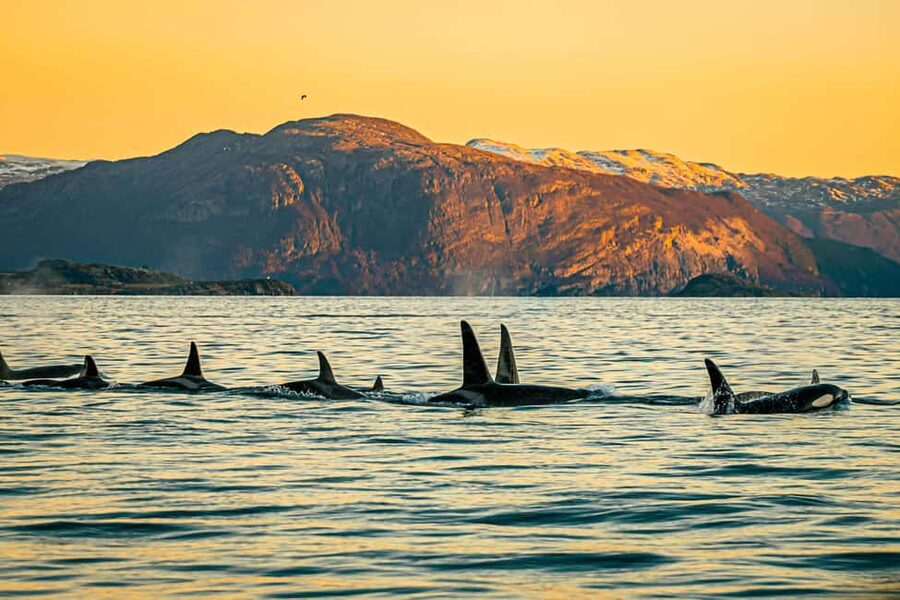
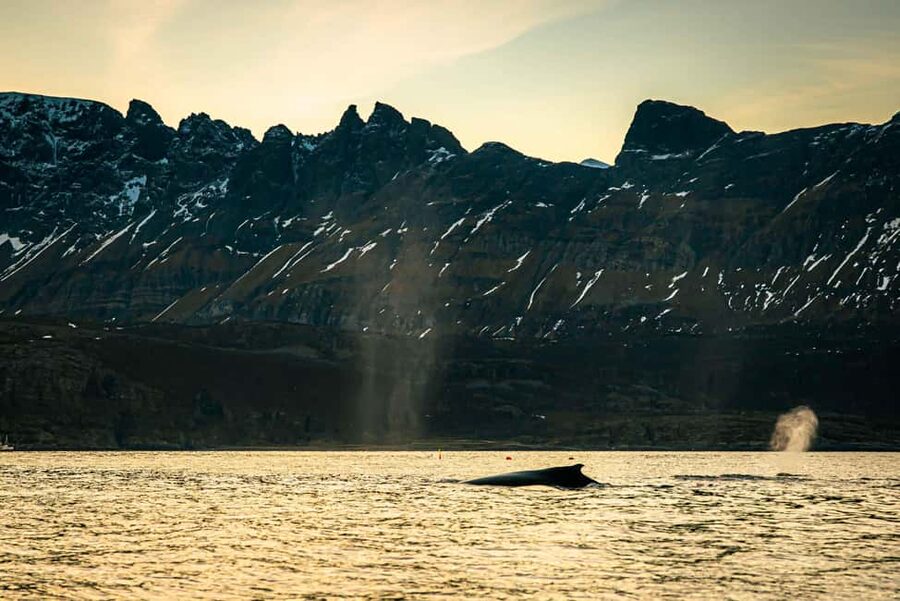
Killer whales are the most exciting possibility. Their black bodies and white markings make them easy to recognize, but their behavior is the real reward. They often travel in family groups and can work together to herd herring.
You might see several dorsal fins appear in sequence, or watch a pod change direction as the fish move. On particularly active days, the orcas may feed near the boat, breach, or pass close by to inspect the unfamiliar shape on the water. That proximity is thrilling, but the guide’s duty is to keep a respectful distance and avoid disrupting the animals.
The whale sightings can also make the trip longer than a simple clock-based outing. Viktor has sometimes stayed out a little longer when the orcas were feeding actively. That should be seen as a welcome possibility, not a promise. Weather, safety, and animal behavior always come first.
Humpback whales in open water
Humpbacks offer a different kind of encounter. They are often found alone or in small groups, and their slow surfacing pattern lets you watch the full rhythm of a breath, dive, and reappearance.
A humpback may show its back, lift its tail, or launch into a spectacular breach. Each tail has its own markings, and guides can use those patterns to distinguish one whale from another. You may also hear about the species’ distinctive songs, though the boat ride itself is not designed as an underwater listening session.
Seeing humpbacks after watching orcas gives the outing useful contrast. Orcas are fast and coordinated. Humpbacks are larger, slower, and more theatrical. Some trips also produce fin whales, creating the possibility of three whale species in one day.
Northern scenery between sightings
The wildlife is the reason to book, but the setting carries the trip between sightings. You move through cold northern water with snow-covered mountains visible in the distance when conditions allow. Clear weather can produce sunlight on the peaks, while rough weather creates a more dramatic, exposed feeling.
The season is short and dark compared with summer, so light changes quickly. That can make the sea look completely different from one part of the trip to the next. It also means you should not judge the day only by the forecast at the harbor. Poor weather may reduce visibility, but it does not automatically mean the whales will be absent.
Clothing and comfort: take the cold seriously
The operator supplies much of what makes this possible. You receive a warm suit or outer layer, life jacket, hat, thermo shoes, and goggles. This removes the need to pack a full expedition wardrobe, and it keeps your regular travel clothes from taking the full force of wind and spray.
Still, supplied equipment is not a magic shield. Bring warm gloves that work in wet conditions, plus a neck warmer or scarf. One piece of feedback specifically points out that the activity became less comfortable because the gloves and neck covering were not warm enough. Another useful tip is to bring a plastic bag for your camera or phone. Heavy spray can reach equipment even when you are wearing the protective suit.
Wear layers underneath the outer gear. The exact clothing advice provided with your booking should take priority, but you should plan for cold hands, face, and neck. Keep valuables to a minimum, and use secure pockets or a waterproof pouch for anything you carry.
The goggles deserve special credit. They protect your eyes from spray and make it easier to keep looking forward when the RIB is moving. If you wear glasses, check with the operator about the best way to use the goggles with them.
Getting from Tromsø to Skjervøy
This activity begins in Skjervøy, not Tromsø. If you are based in Tromsø, the Arctic Route operates daily bus trips between Tromsø and Skjervøy, and you can book the bus separately.
That connection makes the outing possible as part of a wider northern Norway trip, but you need to plan the timing carefully. The whale safari lasts three hours, and the bus journey takes additional time. Confirm that your chosen bus arrives before the harbor meeting time and leaves enough time after the boat returns.
Do not assume that a Tromsø hotel pickup is included. The activity information specifically points people who need transport toward a separate Arctic Route ticket. If you prefer a simpler day with no independent transfer planning, compare this option with a package that includes transport from Tromsø.
Staying overnight in Skjervøy can make the schedule less stressful. It also gives you a second chance to go out if weather or wildlife conditions affect your first booking, though a second tour is not included and sightings still cannot be guaranteed.
Value, flexibility, and what you receive
No tour price is provided here, so I cannot judge the cost against a specific figure. The value depends on what you want from a whale trip. You are paying for a small-group RIB outing, a local boat driver and guide, safety equipment, cold-weather clothing, and the possibility of seeing multiple species in one morning or afternoon.
That package is strongest for you if a close-to-the-water, active ride matters as much as the wildlife. The gear saves you from renting or buying heavy Arctic clothing, and the guide’s local skill can save time when whales are spread across a wide area.
The value is weaker if you want a quiet, warm, highly narrated cruise. A heated cabin boat may be more comfortable, especially for children, older visitors, or anyone who struggles with cold and waves. The RIB offers excitement, but comfort is not its main product.
Booking is flexible: you can cancel up to 24 hours before the activity for a full refund, and the reserve-now-pay-later option lets you hold a place without paying at once. Check the available start times before arranging your transport, since the duration is fixed at three hours but the departure time can vary.
Who should book this RIB tour?
I would choose this trip if you want the most immediate contact with the sea. The open boat, spray, speed, and mountain views create a stronger sense of being out in the Arctic than a large vessel can provide.
It also suits wildlife photographers, provided you protect your camera and accept that a RIB is an unsteady platform. You may get excellent close views, but you will not always have a calm, dry place to compose a shot.
Families with older children may enjoy it, especially if they are comfortable with cold and movement. The operator has provided gear for all participants, but the physical demands remain real. For young children or anyone sensitive to cold, ask detailed questions before booking.
I would avoid making this your only Norway plan if seeing whales is the sole purpose of your trip. Nature can change the result. Treat a sighting as a fortunate encounter, not a guaranteed performance.
Should you book the Skjervøy whale safari?
Yes, if you want an active, small-group whale trip and can handle an exposed ride in cold Arctic weather. The combination of orcas, humpbacks, possible fin whales, local guide Viktor, and supplied cold-weather equipment makes this a strong choice from Skjervøy.
Book it with realistic expectations. Bring your own gloves and neck covering, protect your camera, and leave enough time for the bus connection if you are coming from Tromsø. If you prefer warmth, quiet commentary, and a steadier ride, compare a heated cabin boat instead. If you want the sea spray, the speed, and the chance to watch orcas feed close to the boat, this RIB trip is the better fit.
FAQ
Where does the whale-watching tour start?
The tour starts at Strandveien 96 in Skjervøy. The meeting point is behind the old white building in the harbor, downhill from the Ekstra grocery store.
How long does the activity last?
The whale-watching activity lasts three hours, including the trip out from Skjervøy and the return to the harbor.
Which whales might I see?
You may see killer whales and humpback whales. Fin whales have also been seen during the activity, but sightings depend on wildlife conditions.
When does the whale-watching season operate?
The seasonal whale-watching period runs from the middle of October through February.
Who guides the tour?
The tour has a live guide who speaks English and Norwegian. Viktor is identified as the local boat driver and guide.
What equipment is provided?
The operator provides warm outerwear, life jackets, hats, thermo shoes, and goggles.
Should I bring extra clothing?
Yes. Bring warm gloves and a neck covering, since the supplied gear may not provide enough warmth for every person during a cold, windy ride.
Can I reach Skjervøy from Tromsø by bus?
Yes. The Arctic Route operates daily bus trips between Tromsø and Skjervøy. The bus ticket is booked separately from the whale-watching activity.
Can I cancel the booking?
You can cancel up to 24 hours before the activity for a full refund. A reserve-now-pay-later option is also available.
More RIB boat trips in Norway
- Lysefjord RIB Safari from Stavanger
★ 5.0 · 665 reviews - Geiranger: RIB Fjordsafari Geirangefjord
★ 4.5 · 651 reviews - From Svolvær: Lofoten RIB Sea Eagle Safari Trollfjord Cruise
★ 4.9 · 591 reviews - From Svolvaer: Trollfjorden Wildlife RIB Cruise
★ 4.8 · 355 reviews
Just added in Norway
- The Viking Planet Museum – Mini Group (4 adults)★ 4.0 · 16 reviews
- Unknown war. Oslo and Norway during 1940-45★ 5.0 · 74 reviews
- The Viking Planet Museum Ticket★ 4.0 · 197 reviews
- Oslo Winter Highlights Bike Tour★ 5.0 · 36 reviews
- The Ultimate Study of the Human Form at Vigeland’s Sculpture Park with a Local★ 4.0 · 14 reviews
- The Essential Oslo Private Walking Tour★ 5.0 · 79 reviews
- The Ultimate Norwegian Skiing Experience★ 5.0 · 16 reviews
- Central Oslo Guided Walking Tour with Local Guide★ 4.5 · 278 reviews
Whale Watching, compared.
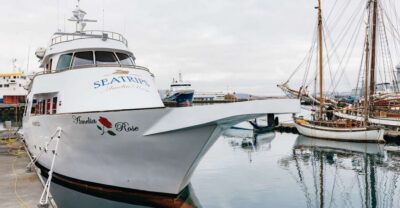
Whale Watching Cruise on the Amelia Rose Yacht
Read our review →
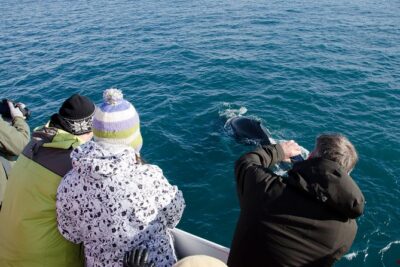
The Original Classic Whale Watching from Reykjavik
Read our review →
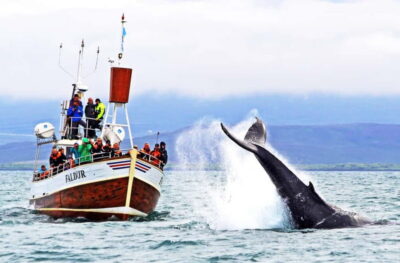
Traditional Whale Watching by Local Family Company
Read our review →Browse the lists this tour appears in