
Reviewed · MUSEUMS
Copenhagen: National Museum of Denmark Entry Ticket
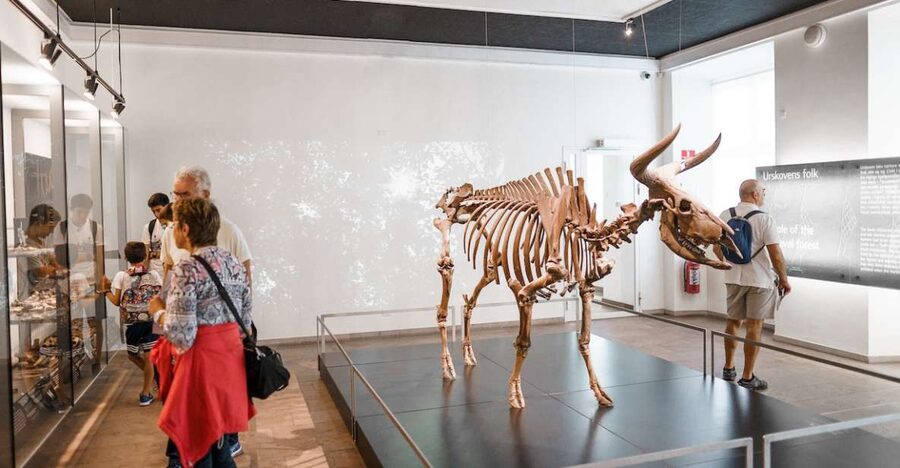
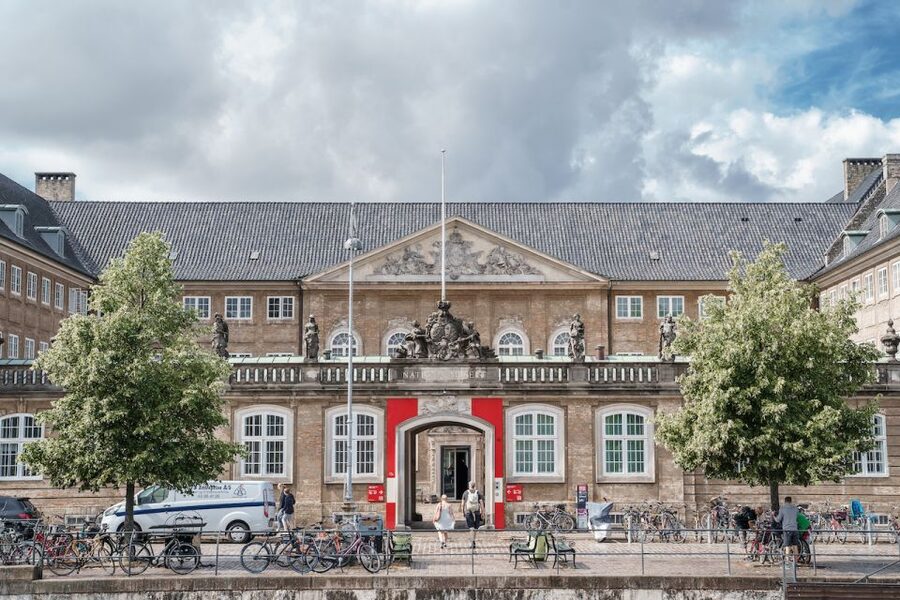
The National Museum of Denmark brings 14,000 years of Danish history into one grand visit, from early Stone Age tools to Viking beliefs and famous Danish discoveries. The Viking displays are the big draw, especially the atmospheric Völva, or Viking sorceress, exhibition with objects tied to magic, ritual, the Eddas, and the sagas.
I like the freedom to set my own pace, and I like the sheer range: Bronze Age lurs, the famous Sun Chariot, Viking material, and later Danish culture all share the same address. The drawback is just as clear: the museum is huge and not always easy to follow, so two hours can feel rushed and five hours can leave your feet asking for mercy.
Key points to know before you go
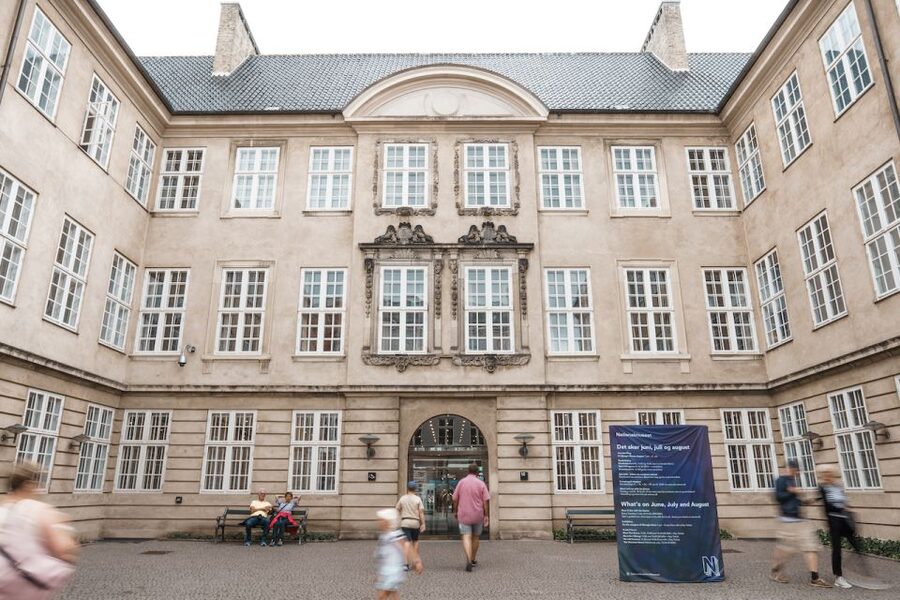
- 14,000 years in one building: Move from Stone Age remains and Bronze Age treasures to Viking culture and more recent Danish life.
- The Viking Sorceress exhibition: Look for the Völva display, with powerful objects and scenes linked to Norse mythology and ritual.
- Plan at least three hours: Five hours is a better target if you want to take your time.
- Self-guided and flexible: You can focus on your interests, use the highlight audio tour where available, and return during the ticket’s 365-day validity.
- Good rainy-day choice: The café, lockers, wardrobe, children’s area, and wheelchair access make this a practical indoor stop.
- Central Copenhagen location: Show your voucher at the museum ticket desk rather than searching for a separate tour meeting point.
A 14,000-year story under one roof
I like museums that let you see a country as a long story rather than a collection of famous objects. Here, Denmark begins with early human remains and tools, moves through Bronze Age ritual and craft, reaches the seafaring Viking world, and continues into the country’s later social and cultural life.
That broad sweep gives the museum real value for a first visit to Denmark. You do not need to know the difference between a Stone Age tool, a Bronze Age ceremonial object, and a Viking grave good before arriving. The displays provide a framework, and the objects give that framework weight.
The scale can also work against you. The museum has many adjoining rooms and a large number of displays, so it is possible to lose your sense of direction. I recommend treating the museum like a menu. Choose the periods and subjects you care about most, then accept that you will not read every label.
A few more things to do in Copenhagen worth a look
- Stockholm: Skansen Open-Air Museum Admission Ticket
★ 4.5 · 3,427 reviews - Reykjavik: Perlan Museum Wonders of Iceland Entrance Ticket
★ 4.7 · 2,575 reviews - Stockholm Pass: Save up to 50% – Includes Vasa Museum Ticket
★ 4.1 · 2,392 reviews
Starting with Stone Age and Bronze Age Denmark
The oldest collections provide the museum’s foundation. You can see objects and remains connected to the Stone Age, including pieces dating back thousands of years before the Viking period. These displays help correct the common idea that Danish history begins with longships and warriors.
The Bronze Age material is especially useful because it shows a society concerned with ceremony, belief, status, and skilled metalwork. The famous Sun Chariot is one of the objects to seek out. It is the sort of piece that can make a distant period feel immediate, even if you know little about Bronze Age Denmark.
The curved bronze lurs also deserve your time. Their unusual shape and ceremonial character make them memorable, and they are among the objects that give the early galleries a strong sense of place. Bronze Age helmets and other fine pieces add to the picture of a society where objects could carry both practical and symbolic meaning.
You may find these galleries less interactive than the special exhibitions. That is part of the trade-off. The strength here is the quality and age of the material, while the weakness is that some rooms ask you to read and look closely rather than take part in a hands-on activity.
The Viking galleries and the Völva
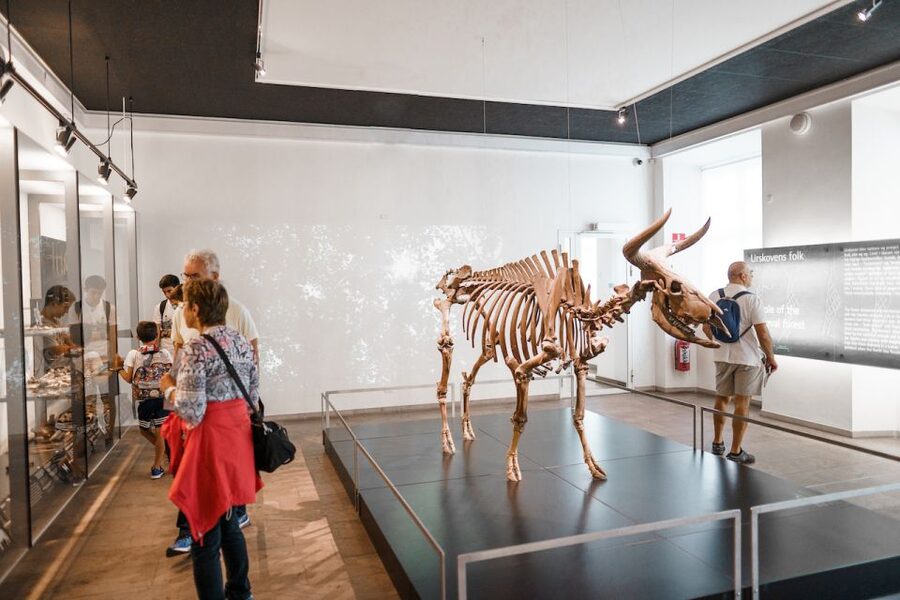
For many people, the Viking collection is the reason to buy the ticket. I understand why. The museum does more than present Vikings as raiders and sailors. It also examines belief, ritual, power, travel, and the way Viking communities understood the world around them.
The Völva exhibition focuses on the Viking Age sorceress, a figure connected with prophecy and ritual power. It gives the period a more complicated edge. Instead of presenting Viking life as a simple tale of ships and battles, it asks you to consider the roles of women, religious practice, magic, and the unknown.
The display includes fascinating objects associated with Viking sorcery, along with scenes linked to the Eddas and sagas. Some parts are more atmospheric and interactive than the standard galleries. If you enjoy Norse mythology, this is the section I would put near the top of your list.
The audio material for the sorceress exhibition may not satisfy everyone. I would use it as support rather than as the sole way to understand the display. Give yourself time to look at the objects and read the labels, since the visual details carry much of the experience.
Special exhibitions can be time-limited, so check what is showing on your chosen date. The Viking collection itself remains a major reason to visit, but a particular presentation such as the Völva exhibition may not be available forever.
Danish explorers and a wider world
The museum also places Denmark within a larger world. Danish explorers and the country’s encounters beyond its borders appear alongside the national story, helping you see Denmark as a seafaring country with an active curiosity about distant places.
This broader focus matters because the museum is not only about kings, warriors, and national symbols. It deals with changing ideas, movement, contact, and the way Danish society developed over time. The result is a museum that can interest someone who wants Viking objects, but also someone who wants a wider view of Danish culture.
The collections cover more than one kind of history. You can move from archaeology to social life and cultural traditions, then pause over objects that connect Denmark with the wider world. That variety is one reason I would not rush through the building simply to reach the Viking rooms.
Same base, a different kind of day out:
- Copenhagen: Canal Cruise with Guide
★ 4.6 · 9,115 reviews - Copenhagen: Hop-On Hop-Off Bus Tour with Boat Tour Option
★ 3.9 · 4,122 reviews - Private Walking Grand Tour of Copenhagen
★ 5.0 · 3,953 reviews - From Copenhagen: Lund and Malmö 2-Country Tour
★ 4.7 · 2,772 reviews
How much time should you allow?
The practical answer is three to five hours. You can make a fast visit in two or three hours if you concentrate on the main highlights, but you will need to keep moving. If you want to read labels, compare periods, and stop for a break, plan on half a day.
Five hours is not excessive here. The museum contains enough material that you may still have to speed through a floor near closing time. That is not a sign that the visit failed. It means you should decide in advance which sections matter most to you.
I would use this rough plan:
- Two hours: Focus on the Viking rooms, Völva exhibition if available, and a few major Bronze Age pieces.
- Three hours: Add Stone Age displays, the Sun Chariot, lurs, helmets, and selected later collections.
- Four to five hours: Follow more of the chronological story, take a café break, and read at a comfortable pace.
Go earlier in the day if you want the best chance of seeing more. The building can feel calm and manageable at first, but the sheer number of rooms makes a late arrival risky.
Finding your way through the building
The museum is well organized in many areas, but its layout can still feel confusing. Adjoining rooms and several floors mean you may not always know which way you have come from. I suggest checking the map or asking staff for the main highlights when you enter.
Do not feel obliged to follow every gallery in a strict order. A self-guided museum works best when you set a goal. You might begin with the Viking collection, then move back to the earliest periods, or follow the chronological path and stop whenever an object catches your eye.
A highlight audio tour can help you get your bearings. It gives structure without forcing you into a group schedule. Free docent tours may also be available, but the information provided here does not specify their times, so ask at the museum on arrival.
The open pace is one of the ticket’s best features. You are not being hurried from one room to the next, and you can spend ten minutes with one object or move quickly through a section that does not interest you.
A useful stop for families and mixed interests
This museum suits a mixed group better than a small specialist collection. One person can focus on Vikings, another can study early Danish archaeology, and someone else can spend time with later cultural displays. That range makes it easier to keep a group together without asking everyone to like the same period.
There is a children’s area, which gives younger visitors a break from cases and labels. Still, the overall museum can feel overwhelming for children because there is so much to see. I would keep the visit focused and build in a stop rather than expecting a child to appreciate every room.
Some objects are not placed behind cases, so supervise children and follow the museum’s instructions. The building also has lockers and a wardrobe, useful if you arrive carrying coats or day bags.
Wheelchair access is available. The information provided does not give detailed route or restroom specifications, so anyone needing particular facilities should confirm the current setup with the museum before visiting.
The café, shop, and a sensible mid-visit break
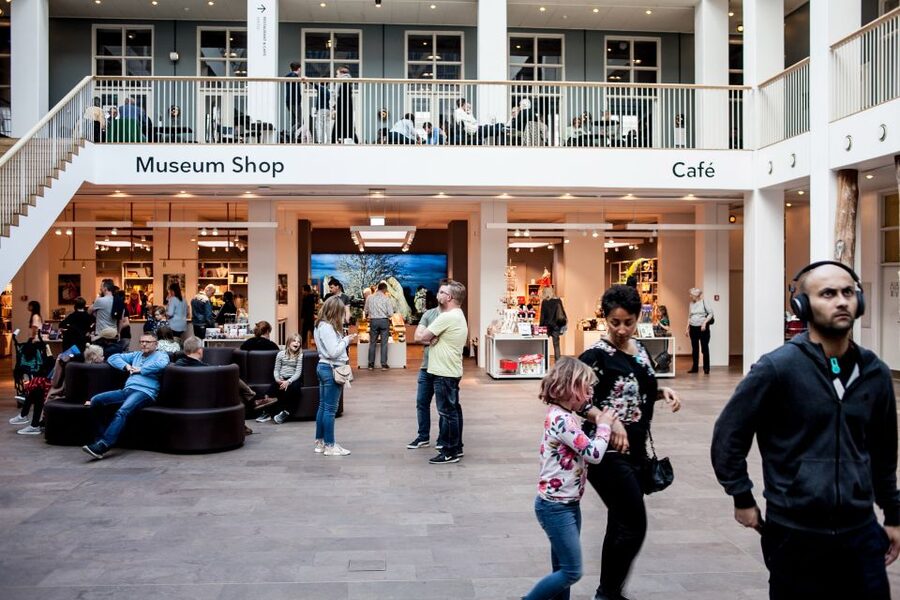
The café is more than an emergency coffee stop. It has been praised for its atmosphere and food, with enough choice to make a proper break possible. After several hours of galleries, that pause can make the difference between a rewarding visit and a tired sprint to the exit.
The museum shop is another place to allow extra time. It carries tempting items connected with the collections, so budget for browsing if you enjoy books, gifts, and Norse-themed merchandise. I would visit the shop at the end, unless you want to carry purchases around for the rest of the day.
Toilets can be busy at times, and additional facilities would make the visit easier during crowded periods. Plan a restroom stop before settling into a long stretch of galleries.
Is the $21 ticket good value?
At the stated price of $21 per person, this is strong value if you enjoy museums and can spare at least three hours. You are paying for access to a large national collection, not a short exhibit that takes 45 minutes to finish.
The value becomes even better if you use the 365-day validity. Check the current availability information before choosing a time, but the long validity gives you unusual flexibility. If you are staying in Copenhagen for several days, you can visit once for the Viking and Bronze Age highlights, then return for sections you missed.
That flexibility matters because the museum is too large for many people to absorb in one quick visit. A return visit also makes sense if you are tired on the first day or if a temporary exhibition catches your attention.
The ticket is less compelling if your Copenhagen schedule is extremely short and you prefer outdoor sights, design, food, or royal interiors. One four-star assessment put it plainly: two or three hours can be enough at speed, but the museum may not be the top choice when you have only a few days in the city.
How the ticket works on the day
Bring your voucher to the ticketing desk at the National Museum of Denmark. This is a self-guided entry ticket, so you are not joining a named guide or a fixed walking group.
The museum is in central Copenhagen and can be reached easily from the station, making it a practical choice for a final day in the city or a rainy afternoon. Since the stated experience does not include transport, meals, or a guided tour, plan those parts yourself.
Free cancellation is available up to 24 hours before the visit for a full refund, and you can reserve now and pay later. Those terms are useful if your Copenhagen plans are still shifting, but check the booking conditions shown at the time you reserve.
Who should book this museum visit?
I would book it if you like archaeology, Norse mythology, Danish culture, or museums where one ticket covers several periods. It is also a smart choice for a rainy day, families who need an indoor activity, and repeat visitors who want to see more than the usual postcard Copenhagen.
I would be more cautious if you dislike large museums or have only a short window. The collection does not always flow naturally, and the amount of information can wear you down. Go in with a short priority list, and the size becomes an advantage rather than a problem.
Should you book the National Museum of Denmark?
Yes, if you can give it half a day or plan to return. The Viking Sorceress display, Bronze Age treasures, ancient remains, café, and wide range of Danish material make the $21 ticket worthwhile.
If you have just two hours, concentrate on the Viking exhibition and the major Bronze Age objects such as the Sun Chariot and lurs. If you have more time, let the museum’s long story guide you from the Stone Age to modern Denmark. Just do not promise yourself that you will see every room. That is how a museum visit turns into a foot race.
FAQ
How long is the National Museum of Denmark ticket valid?
The ticket is valid for 365 days. Check availability for the relevant starting times when booking.
What does the ticket include?
The ticket includes entry to the National Museum of Denmark. It does not list transportation, food, or a private guide as included.
Is the visit guided?
No. This is a self-guided museum visit, so you can move through the collections at your own pace. A highlight audio tour and free docent tours may be available at the museum.
What can I see at the museum?
You can see 14,000 years of Danish history, including Stone Age remains, Bronze Age objects, Viking material, Danish explorers, and cultural collections from Denmark and the wider world.
Is the museum wheelchair accessible?
Yes, the activity is listed as wheelchair accessible.
Can I cancel the booking?
Yes. You can cancel up to 24 hours in advance for a full refund. You can also reserve now and pay later, according to the stated booking terms.
Just added in Copenhagen
- Copenhagen: City Highlights Guided Segway Tour★ 4.9 · 299 reviews
- Copenhagen: Hard Rock Cafe with Set Menu for Lunch or Dinner★ 4.2 · 437 reviews
- Copenhagen: Best of Danish Pastry Tasting Tour★ 4.8 · 414 reviews
- Bike Tour Copenhagen. Private Guide, Concierge Service, Small Grp★ 5.0 · 416 reviews
- Copenhagen: City Card with 40+ Attractions & Hop-On/Off Bus★ 4.2 · 403 reviews
- 2 Hour Copenhagen Segway Tour★ 5.0 · 404 reviews
- Copenhagen’s oldest and original food tour (Est. 2011).★ 4.8 · 442 reviews
- Copenhagen: 1.5-Hour City Highlights Bike Tour★ 4.6 · 477 reviews
Museums, compared.


Perlan Museum Wonders of Iceland Entrance Ticket
Read our review →
Stockholm Pass: Save up to 50% – Includes Vasa Museum Ticket
Read our review →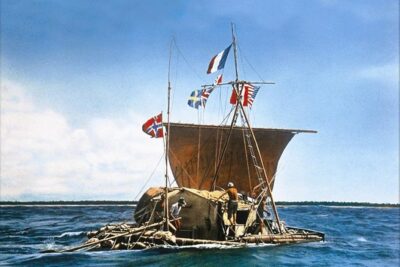


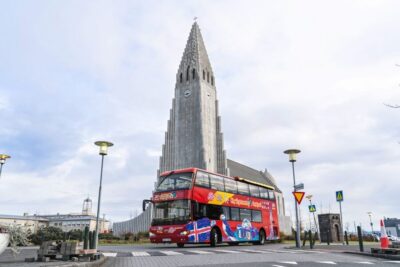
Hop-On Hop-Off Bus and Perlan Museum Entry Ticket
Read our review →
Browse the lists this tour appears in