
Reviewed · MUSEUMS
Oslo: Paradox Museum Entry Ticket
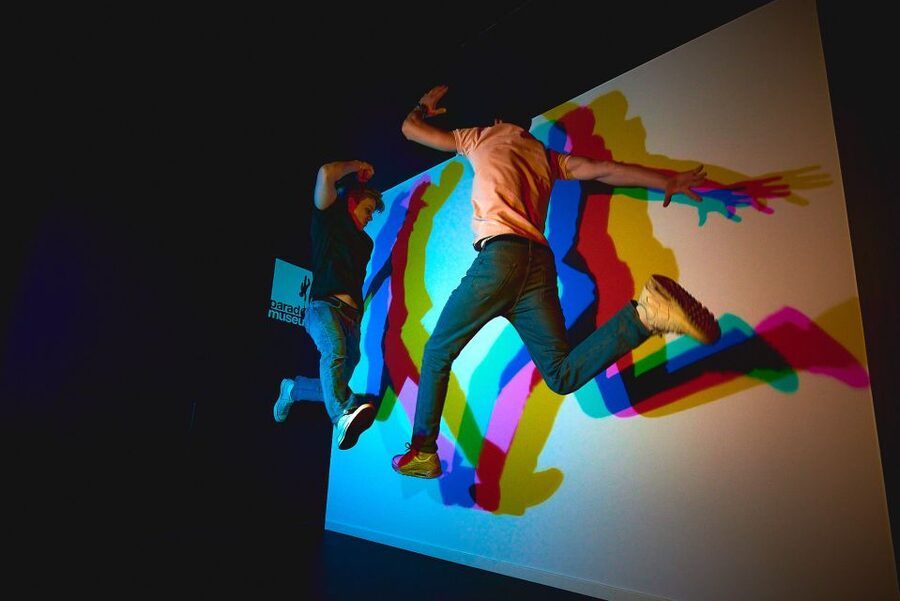
Oslo’s Paradox Museum turns your own senses into the main attraction. You walk through rooms where perspective slips, bodies seem to change size, and ordinary spaces produce very strange photographs. It is part science lesson, part playful photo stop, and an easy way to fill an hour in central Oslo.
I like the clear photo points, which show you where to stand for the best effect. I also like the short explanations and QR codes, since they help you understand the perception, physics, and perspective behind each trick. The main thing to consider is value: at $29 per person, the visit can feel costly if you move quickly or have seen several similar illusion museums.
I would allow an hour, and more if you are visiting with children or a group that wants to try each setup several times. Staff are friendly and sometimes help with pictures, but assistance is not posted at every exhibit.
Key points to know before you go
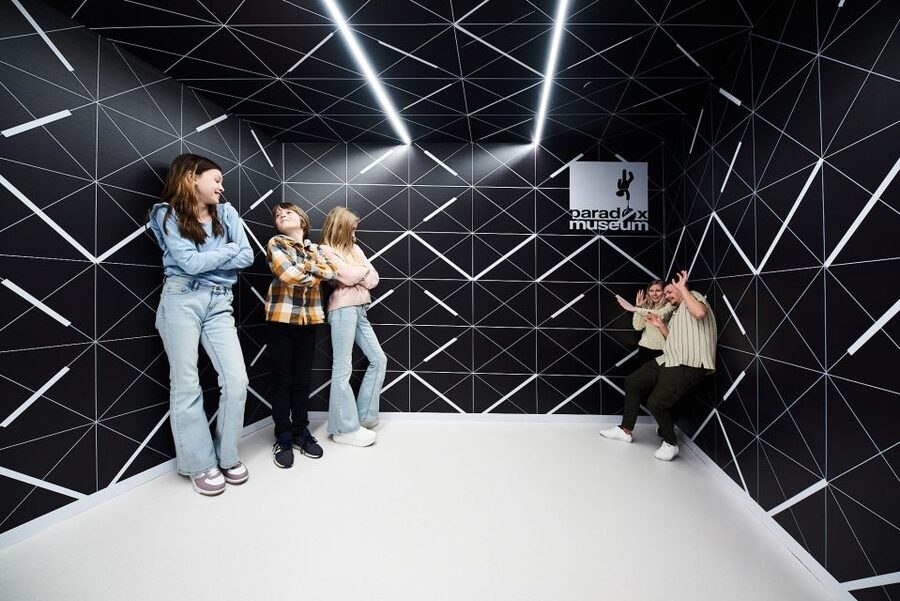
- More than 70 interactive exhibits: Expect a large collection of visual tricks rather than a traditional museum of objects.
- Marked photo positions: Floor or wall signs help you find the intended angle for many pictures.
- One-way route: Follow the signs from room to room, with no need to plan your own order.
- Central Oslo location: Nationaltheatret and Stortinget public transport stops are only a couple of minutes away.
- Best for hands-on fun: Families, couples, friends, students, and curious adults get the most from the visit.
- Plan on about one hour: Solo visitors may finish faster, while groups often spend longer taking photos.
A playful museum where your eyes cannot be trusted
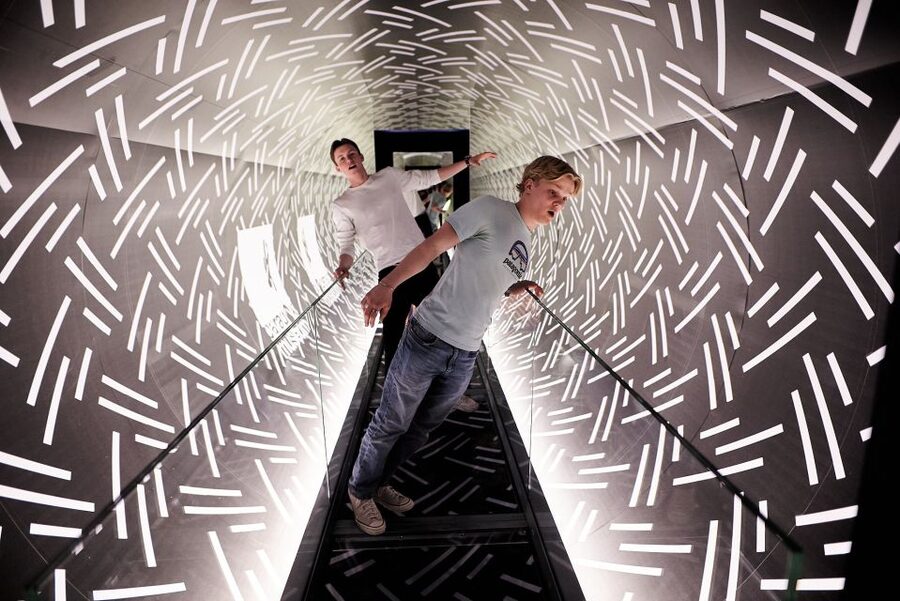
The museum’s appeal is immediate. Instead of looking at displays from behind barriers, you take part in the effect. You stand in the right place, pose, move through a strange room, or compare what you see with what your brain expects.
That makes this a good break from Oslo’s more formal sights. You do not need a long background briefing before starting. The exhibits are built for quick understanding, laughter, and pictures, but the better ones also make you stop and ask why your eyes got the answer wrong.
The museum presents more than 70 interactive installations. Some rely on familiar optical tricks, and a few may feel recognizable if you have visited other illusion or reality-changing museums. That is a fair criticism. The collection is not built around rare works of art or original historical objects. Its value comes from the number of effects gathered in one place and from the chance to try them yourself.
The atmosphere is casual and family-friendly. You can explore at your own pace, and the timed entry helps prevent the rooms from becoming too crowded. The route is one way, so you simply follow the signs to the next exhibit rather than crossing back and forth.
A few more things to do in Oslo worth a look
- Kon-Tiki Museum Entrance Ticket
★ 4.5 · 1,096 reviews - The Fram Museum Admission Ticket
★ 4.5 · 490 reviews - Stockholm: Skansen Open-Air Museum Admission Ticket
★ 4.5 · 3,427 reviews
Starting the one-way route
You check in at the entrance with your ticket. The museum asks you to arrive 10 minutes before your booked time, which gives staff time to handle entry and keeps the timed flow moving.
The first few exhibits may require a little patience. Some visitors find the instructions less clear at the beginning, especially when they are unsure where to stand or what the illusion is meant to show. Read the nearby description before trying to take a picture. The marked photo points are there for a reason, and a small change in position can make the effect work much better.
I would not rush through the opening rooms. They teach you how the museum works. Once you understand that the correct angle, pose, or viewing point matters, the later installations become easier to enjoy.
The route is self-guided rather than led by a tour guide. Explanations are provided in English and Norwegian, with QR codes offering extra information about how each paradox is made. You are not just asked to accept the trick. You get a basic explanation of the visual, physical, or psychological idea behind it.
The photo rooms reward teamwork
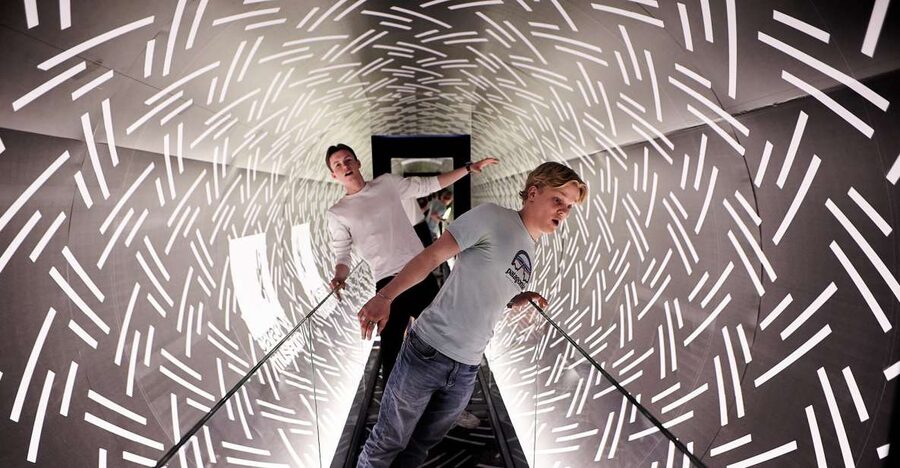
This is a better activity with another person than it is alone. Many exhibits become funnier when one person poses and the other takes the picture. Couples can create before-and-after shots, parents can help children find the right position, and friends can take turns trying to fool the camera.
The clearly marked photo points are one of the museum’s most useful features. You do not have to guess where the camera should go. Stand where indicated, frame the shot, and check the result before moving on.
Still, do not assume a staff member will be waiting in every room. Help with photos is available at times, but support is not stationed at every installation. Several visitors appreciated staff taking pictures, especially when someone was visiting alone, but others wished there were more hands available.
If you are on your own, ask politely at the entrance or when you see a staff member. One staff member helped a solo visitor take pictures, making the visit more enjoyable. You may not receive help at every stop, so plan on using a timer or accepting that some exhibits are better suited to groups.
Bring a phone with enough storage and battery. The museum is designed for photographs, and you may want several attempts at the larger effects. The photo points make the process simple, but getting a good result can take more than one try.
What the exhibits teach you about perception
The museum works because your brain normally makes fast assumptions. It judges size, distance, balance, direction, and shape without asking you to think through each step. The exhibits interrupt that normal process.
You will see how perspective can make a person or object appear different from what it really is. Other setups play with reflections, angles, scale, or the relationship between your body and the room around you. The point is not to prove that your eyes are poor. It is to show how much interpretation your brain performs before you form a picture of the world.
The descriptions and QR codes add useful context. If you only take pictures, the visit can feel like a series of funny rooms. If you read the explanations, you get a simple lesson in perception and physics. Children can enjoy the visual effect first, then ask why it works. Adults who like puzzles, photography, or design may spend extra time studying the construction.
The educational side is light rather than academic. Do not expect a formal science center with long demonstrations or detailed lectures. Think of it as an active introduction to optical illusions, explained in short pieces while you play.
A few effects may seem easy to recognize, especially if you have been to another Paradox Museum or similar attraction. That does not remove all the fun, but it affects the value for repeat visitors. If you have already seen many illusion rooms, focus on the larger installations and the science notes rather than expecting every exhibit to feel new.
Same base, a different kind of day out:
- Oslo: Scenic Fjord Cruise with Audio Guide Commentary
★ 4.5 · 5,375 reviews - Oslo Nature Walks: Island Hopping Tour
★ 4.8 · 2,713 reviews - Oslo: 100% Electric Oslofjord Sightseeing Cruise
★ 4.4 · 2,041 reviews - Oslo: Fjord Evening Cruise with Shrimp Buffet
★ 4.5 · 1,956 reviews
How long the visit really takes
The stated duration is one hour, and that is a sensible planning figure. A solo visitor moving briskly may finish in less than an hour. A couple or family that stops for photos can spend longer, and one visitor spent about two hours because the exhibits invited repeated attempts.
Your pace depends on three things: how many pictures you take, how much you read, and how many people are ahead of you at each station. The route is not a long museum circuit. It is a compact, hands-on attraction where the time goes into participation.
I would allow 60 to 90 minutes if you are arranging the rest of your day around it. That gives you time for entry, photos, short waits, and a look at the explanations without treating every room like a race.
It also works well as a flexible stop before or after another central Oslo activity. One person used it to fill a gap before a flight. The museum’s central position and short duration make that practical, provided you leave enough time for transport and airport plans.
Is $29 good value?
At $29 per person, this is not a bargain attraction. The price makes sense for you if you want an active indoor experience, plan to take plenty of photos, and are visiting with people who will enjoy trying the effects rather than simply looking at them.
Families may find the price easier to justify because children of different ages can take part. The museum does not depend on advanced reading or a long attention span. Older children can experiment with the effects, while younger children can enjoy the strange rooms and funny pictures.
For adults, the value depends on your interests. If you like visual puzzles, photography, and interactive design, an hour of hands-on entertainment may feel worthwhile. If you prefer art museums, historical sites, or detailed scientific displays, you may find the collection too brief or too familiar.
The cost also feels higher if an exhibit is not working or if several rooms seem average to you. Occasional equipment problems have been noted, though the larger installations tend to provide the strongest moments. Because the museum is relatively compact, there is not much extra material to fill the time if a few effects do not appeal.
My practical advice is simple: book it when the experience itself is your goal, not just because you have spare time. The museum can fill spare time well, but $29 deserves more than a quick walk-through.
Staff help makes a real difference
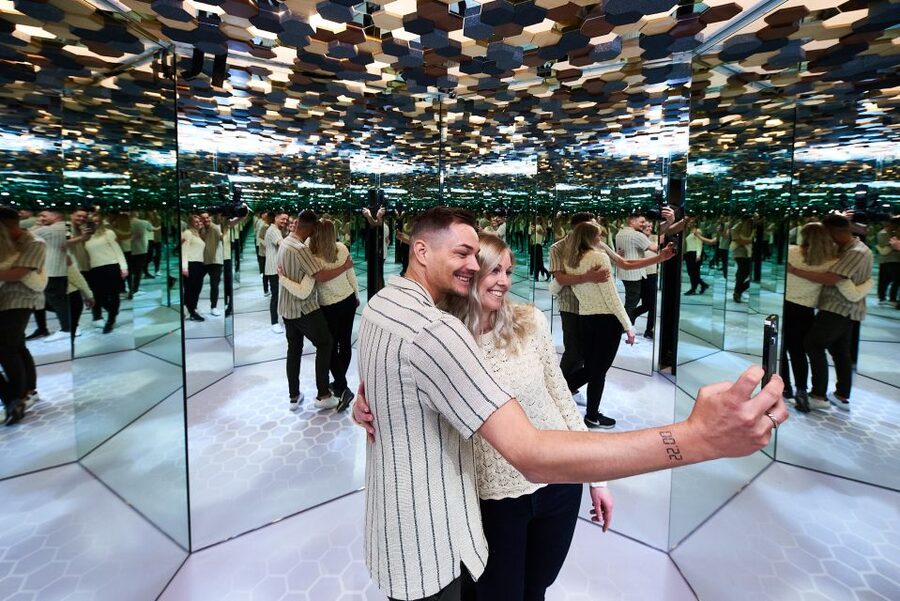
Staff are part of the experience even though there is no regular guided tour. They explain how the museum works, answer questions, and may take photos when available.
The quality of that support matters because a few installations are not self-explanatory at first. A quick hint can turn a confusing room into a satisfying trick. Friendly staff members have been especially helpful with photographs, and one staff member named Kseniia made a strong impression by taking an energetic, hands-on role.
Do not expect a guide to accompany you from room to room. The activity is designed for independent exploration, and the available information is posted at each exhibit. If you want detailed explanations for every effect, you may occasionally wish for more staff presence.
I would ask for help early if you are unsure. That is more efficient than taking several failed pictures and wondering if the exhibit is broken. Staff can often point out the correct position or explain what the effect is meant to show.
Getting there in central Oslo
The museum is in Oslo Municipality, in the heart of the city. The closest public transport stops are Nationaltheatret and Stortinget, both only a couple of minutes away.
That location makes the museum easy to add to a day in central Oslo. You do not need to plan a separate long journey, and public transport is included in neither the admission nor the activity. You arrange and pay for transportation yourself.
The central setting also makes this a useful rainy-day option. The attraction is indoors, hands-on, and short enough to fit between other plans. Food and drinks are not allowed inside, so eat before entering or plan a meal afterward.
The museum is wheelchair accessible. Since the experience follows a one-way flow, it is worth allowing enough time to move comfortably from one exhibit to the next rather than trying to rush through.
The Paradox Boutique at the exit
The visit ends with access to the Paradox Boutique. It sells games, souvenirs, and keepsakes linked to the museum’s ideas.
This is a small but sensible finish. You can leave with something that extends the puzzle theme beyond the visit, especially if you are buying for a child or someone who enjoys visual challenges. The boutique is included as an area you can access, but purchases are not included in the ticket.
I would treat it as optional. The main value is in the exhibits, not in the shop. Take a look if you want a souvenir, but do not add shopping time to your schedule unless that interests you.
Who will enjoy this most?
I would recommend the museum most strongly for:
- Families looking for a hands-on indoor activity
- Couples who want playful pictures together
- Friends who enjoy trying to outdo one another in funny poses
- Students and curious adults interested in perception and physics
- Solo visitors who are comfortable taking some photos themselves
- Anyone with about an hour to fill in central Oslo
It is less suitable if you want a quiet, traditional museum or a serious scientific presentation. It is also less appealing for someone who has visited several similar illusion attractions and expects every exhibit to be original.
Children are likely to enjoy the freedom to move, pose, and test the displays. Adults should read the explanations to get more than a photo session from the visit. The best approach is to let the fun come first, then look for the idea behind each trick.
Booking and practical details
Admission costs $29 per person and covers entry to all exhibition areas and access to the Paradox Boutique. Food and drinks are not included, and they are not allowed inside.
The experience is offered in English and Norwegian. There is no regular guide listed for the route, but hosts or greeters speak those languages and staff can help with the exhibits when available.
You can cancel up to 24 hours before the booked time for a full refund. A reserve-now, pay-later option is also available, which helps if your Oslo schedule may change.
Show your ticket at the entrance and arrive 10 minutes before your booked time. Check the available starting times when choosing your slot, since the visit uses timed entry and a one-way flow.
Should you book the Paradox Museum Oslo?
Book it if you want a cheerful, photo-friendly hour in central Oslo and you are happy to take part rather than simply observe. Families, couples, and groups of friends will usually get the best value because they can help one another with poses and pictures.
I would think twice if $29 feels high for a compact attraction or if you have already visited several similar illusion museums. Some effects may feel familiar, and not every exhibit is equally strong. Still, the marked photo points, more than 70 interactive setups, clear science notes, and friendly staff make it an easy activity to enjoy.
For most visitors, the deciding question is simple: will you spend time trying the effects, taking pictures, and reading how they work? If yes, add it to your Oslo plans. If you expect a long museum visit or a formal guided lesson, choose a different attraction.
FAQ
How long does the Paradox Museum Oslo visit take?
The stated duration is one hour. You may finish faster if you move quickly or spend longer if you are taking photos, reading explanations, or visiting with children.
How much does admission cost?
Admission costs $29 per person.
Where is Paradox Museum Oslo located?
The museum is in Oslo Municipality in central Oslo. Nationaltheatret and Stortinget public transport stops are both a couple of minutes away.
Do I need to arrive before my booked time?
Yes. Show your ticket at the entrance and arrive 10 minutes before your booked time for check-in.
Is the museum wheelchair accessible?
Yes, the activity is wheelchair accessible.
What languages are available?
The available languages are English and Norwegian.
Can I take photographs inside?
Yes. The museum is designed to be photo-friendly, and clearly marked photo points show you where to stand for many effects.
Are food and drinks allowed inside?
No. Food and drinks are not allowed inside the museum, and they are not included with admission.
Can I cancel my booking?
Yes. You can cancel up to 24 hours in advance for a full refund. A reserve-now, pay-later option is also available.
Just added in Oslo
- Akerselva River: Urban Paddling Adventure Kayak Tour★ 4.3 · 29 reviews
- Oslo Sea Kayak Tour “Fjord City”★ 4.5 · 39 reviews
- Oslo: Guided Walking Tour of Central Oslo★ 4.7 · 438 reviews
- Oslo: Historic Myths & Legends Evening Walking Tour★ 4.8 · 408 reviews
- The Fram Museum Admission Ticket★ 4.5 · 490 reviews
- Oslo: Sightseeing with Holmenkollen Ski Jump & Vigeland Park★ 4.5 · 451 reviews
- City Sightseeing Oslo Hop-On Hop-Off Bus Tour★ 3.0 · 455 reviews
- Oslo: Best of Oslo Walking Tour★ 4.5 · 458 reviews
Museums, compared.


Perlan Museum Wonders of Iceland Entrance Ticket
Read our review →
Stockholm Pass: Save up to 50% – Includes Vasa Museum Ticket
Read our review →

Hop-On Hop-Off Bus and Perlan Museum Entry Ticket
Read our review →
Browse the lists this tour appears in