
Reviewed · TOURS IN NORWAY
Jewish Heritage Tour in Oslo
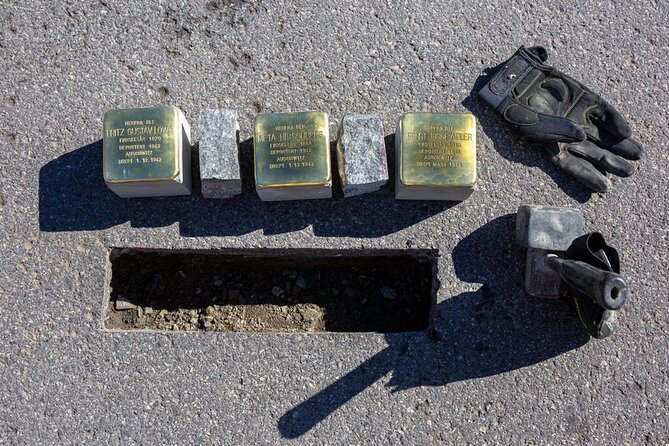
Oslo’s Jewish story is small in numbers but large in meaning. This private walk follows the traces of early Jewish families, Jewish-owned shops, political life, wartime occupation, and the city’s first synagogue. Guide Rami Kafarov adds historical context and uses old and current photographs to help you see what has changed.
I like the private format, which lets you ask questions and shape the discussion around your family interests. I also like the route’s range: it moves from grand public places such as Parliament and the Royal Palace to quieter details along Karl Johans Gate. The main consideration is that this is a walking tour with a moderate fitness requirement, and synagogue entry is not always possible.
Key points
- A private tour for up to five people, making the $256.18 group price easier to justify for a small family or group.
- Rami’s personal photo work can connect present-day Oslo with images of earlier Jewish life.
- The route covers early settlement, politics, commerce, occupation, and religious life, not only the Holocaust years.
- The Oslo Synagogue is a possible highlight, but inside visits cannot be guaranteed.
- Most of the tour takes place outdoors, with weather affecting whether the walk runs.
- The route begins at The Tiger near Jernbanetorget and ends elsewhere, so allow time for the walk back to your hotel or next stop.
Why this two-hour walk matters
Oslo can be easy to read as a city of palaces, museums, harbor views, and modern design. Jewish history is less visible. That is exactly why a focused tour helps. Instead of waiting for obvious monuments to tell the story, you learn to notice addresses, street corners, public institutions, and buildings that carried meaning for Jewish residents.
The tour begins with the first Jewish family known to have settled in Oslo and the location connected with its property. That opening gives you a useful starting point. Jewish life in Norway did not begin as a large, separate district. It developed within the wider city, often leaving traces that are easy to miss if you walk alone.
Rami’s approach, based on the way the tour is described and the detailed feedback about his work, is not limited to dates and names. He places Jewish experience within Norwegian history, including the constitution, political life, business, and the occupation from 1940 to 1945. That broader frame matters. It helps you see Jewish residents as part of Oslo’s civic life, not as a story kept apart from the rest of the country.
A few more things to do in Oslo worth a look
- Oslo: Historic Myths & Legends Evening Walking Tour
★ 4.8 · 408 reviews - Oslo: History, Art and Secrets Tour
★ 4.7 · 62 reviews - Oslo City Walks – Historic River Walk
★ 5.0 · 31 reviews
Starting at Jernbanetorget with Oslo’s first Jewish family

Meet at The Tiger near Jernbanetorget, a central point close to public transportation. The first stop takes about 10 minutes and introduces the earliest Jewish family connected with Oslo. You also see the actual location of its property.
This is a strong beginning because it turns a broad subject into something concrete. You are not simply told that Jewish people lived in Oslo. You are shown where one family made its home and how that fact fits into the city’s development.
The stop is short, so expect an introduction rather than a full lecture. If you have a particular family connection, interest in migration, or curiosity about religious life in Norway, this is a good moment to tell Rami. The tour is private, and the guide can give more attention to your questions than a large group walk usually allows.
Stortorvet, Oslo Cathedral, and public memory
The walk continues to Stortorvet, with about 10 minutes near Oslo Cathedral and the monument to Christian IV. This stop places Jewish history beside some of Oslo’s most familiar Christian and royal symbols.
That setting is useful. It shows the civic and religious world in which Jewish families lived, worked, and built community. You are looking not only at Jewish landmarks, but also at the institutions and public spaces that shaped everyday life for everyone in the city.
Do not expect a long interior visit to the cathedral from the information provided. The value here is the context outside, where the guide can connect the square and its monuments with the changing story of Oslo.
Parliament and the Jewish role in Norwegian politics
At the Norwegian Parliament, another 10-minute stop focuses on the Norwegian constitution and notable Jewish members of Parliament. This is one of the route’s most important corrections to a narrow view of Jewish history.
A short stop at a national political building can show how Jewish life fits into the country’s public story. The subject is not only persecution or wartime loss. It also includes citizenship, representation, and participation in Norwegian government.
I appreciate this part because it gives the tour a civic balance. Rami’s explanations place Jewish experience within the making of modern Norway, rather than treating it as a side note. You will want to listen closely here, since 10 minutes does not allow much time for every political detail.
Same base, a different kind of day out:
- Oslo: Scenic Fjord Cruise with Audio Guide Commentary
★ 4.5 · 5,375 reviews - Oslo Nature Walks: Island Hopping Tour
★ 4.8 · 2,713 reviews - Oslo: 100% Electric Oslofjord Sightseeing Cruise
★ 4.4 · 2,041 reviews - Oslo: Fjord Evening Cruise with Shrimp Buffet
★ 4.5 · 1,956 reviews
Grand Hotel and the city’s Jewish businesses
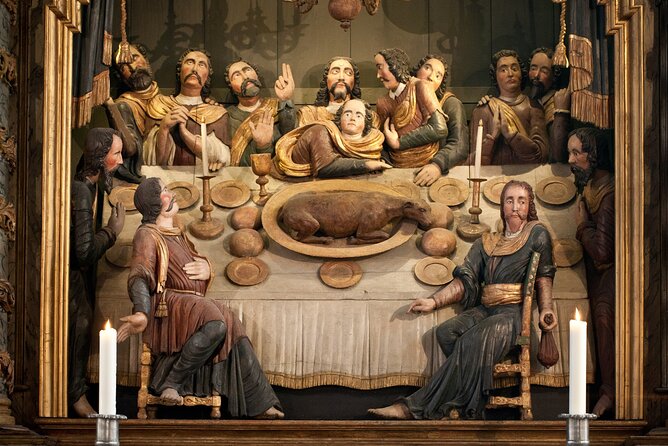
The Grand Hotel stop takes about 10 minutes and covers Jewish shops at the site, along with the Nobel Peace Prize. This is where the tour shifts from government and public monuments to commerce, social life, and international recognition.
A hotel may seem like an unexpected place to discuss Jewish history. That is part of the point. Jewish presence in Oslo was expressed through shops and businesses as well as religious buildings. Looking at a commercial address can make the past feel more ordinary and immediate.
The Nobel Peace Prize connection adds another layer to the stop. You will need to keep the focus on the guide’s historical explanation rather than expect a formal Nobel tour. This is an outdoor stop within a larger walking route, not a separate museum visit.
Karl Johans Gate, where the route slows down
Karl Johans Gate receives the most time, about 50 minutes, and is likely the core of the tour. The guide points out former Jewish-owned stores and monuments connected with Jewish history in Norway and Oslo.
That extra time is important. A street can look familiar until someone explains who worked there, which businesses once occupied its buildings, and what public memories have survived. Here, you get room for questions and for the route to move beyond a list of stops.
The street also gives Rami space to connect several themes: Jewish commerce, public identity, changing urban life, and the effects of occupation. If you enjoy city walks that reveal overlooked details on ordinary streets, this will probably be your favorite section.
One especially unusual feature is Rami’s photo-book, which places historic images beside present-day Oslo. If he brings it or discusses it during your tour, ask about it. The old and current views can make vanished Jewish businesses and altered streets easier to picture.
The Royal Palace and memories of the 1940 to 1945 occupation
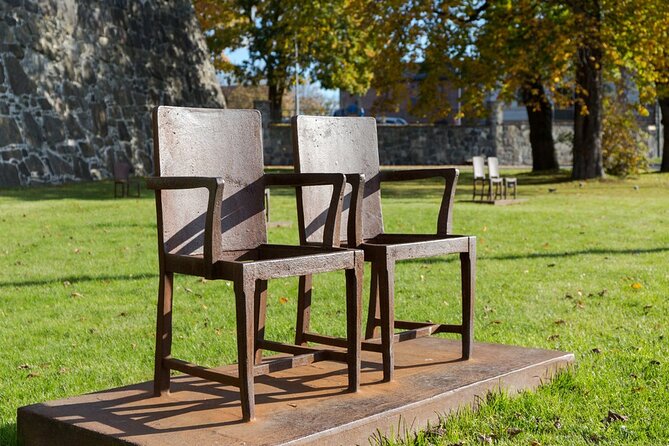
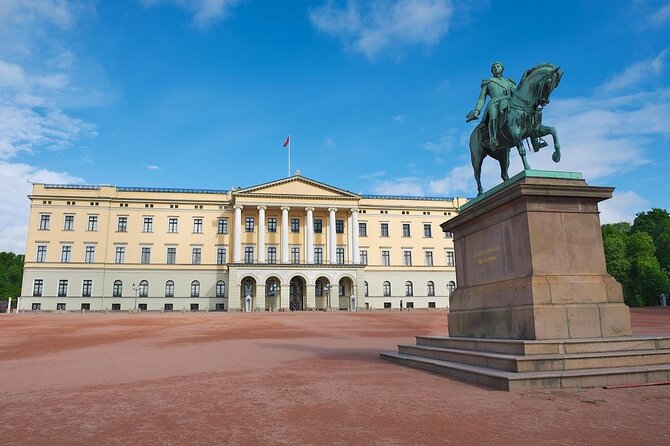
Near the Royal Palace, the tour spends about 10 minutes on places connected with Jewish life during the occupation from 1940 to 1945. The Royal Garden provides a powerful setting for this part of the story, even though the stop is brief.
This section may carry the greatest emotional weight. The tour’s earlier stops establish Jewish settlement, commerce, and political participation. The Palace area then brings you to the period when German occupation and persecution reshaped Jewish life in Norway.
You should expect a focused explanation rather than a full wartime museum program. The value is in connecting familiar national surroundings with specific Jewish experiences during those years. Rami’s calm, understated style is well suited to serious material, and the private setting gives you room to pause or ask for clarification.
The Oslo Synagogue and the possible final visit
The route ends with about 20 minutes connected to the Oslo Synagogue, described as the first synagogue built in Norway. The nearby street is referred to as the Jewish street in Oslo.
This can be the most moving part of the walk. One direct account of the experience singled out the synagogue visit and the guide Janine’s explanations as the high point. That suggests that a synagogue visit, when available, adds a personal and religious dimension that street history alone cannot provide.
But entry is not always possible. You should book with that limitation in mind. The tour still has value if the synagogue cannot be entered, since the surrounding street and its place in Oslo’s Jewish story remain part of the route. Still, if seeing the interior is your main reason for booking, confirm what is possible when your reservation is accepted.
The supplied meeting details say the activity ends at a different location from the starting point, but they do not specify the exact final address. Plan your next activity with some flexibility rather than scheduling a tight connection.
What the private format adds
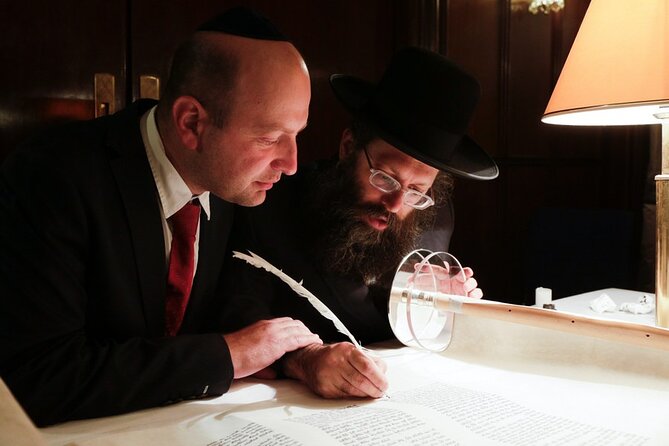
The price is $256.18 per group of up to five people, not per person. For one person or a couple, that is a serious cost for two hours. For five people, the arithmetic is much better, at roughly $51 per person before any currency conversion or booking charges.
I see the price as paying for a tailored guide rather than a standard group walk. You have a private group, an English-language guide, and the chance to ask about your own interests. Several strong comments about Rami point to his ability to adjust the route and discussion to the group, including one visit shaped around specific interests.
This format suits families, synagogue groups, students, and visitors with a personal connection to Jewish history. It also works well for anyone who prefers conversation to a fixed script. If you simply want a cheap overview of Oslo’s main sights, it is not the best value. The tour passes major landmarks, but its purpose is Jewish history, not general sightseeing.
The guide’s style and the role of photographs
Rami is described as multilingual, well prepared, personable, and able to add humor without making light of serious subjects. The most useful detail is his use of photographs that compare historic Jewish life with present-day Oslo.
That visual approach can solve a common problem with heritage walks: the address is still there, but the people and businesses are gone. A photograph helps you connect the current street with the earlier one. You may want to ask Rami about his photo-book, which includes these kinds of paired images and can be purchased as a keepsake.
Janine may also be involved with the synagogue portion. Her explanations received particular praise, so the quality of that final section may depend on who is available and whether entry can be arranged.
Timing, walking effort, and weather
The advertised duration is about two hours, with the listed stops adding up to that general length. The route moves through central Oslo and includes a 50-minute section along Karl Johans Gate. You should be comfortable walking and standing for much of the experience.
A moderate level of physical fitness is recommended. No special hiking ability is suggested, but this is not a seated bus tour. Wear sensible shoes and allow enough time for an outdoor walk.
Weather matters. The experience requires good weather, and poor conditions can lead to a different date or a full refund. You can cancel for a full refund if you do so at least 24 hours before the start time. Confirmation is sent within 48 hours of booking, subject to availability.
The schedule supplied for this experience lists Monday from 8:00 in the morning to 8:00 in the evening. Since synagogue access and exact timing can affect the day, check the accepted booking details before you build the rest of your itinerary around it.
Who should book this Oslo experience
I would choose this tour if Jewish history is a main reason for your visit, if you want a private guide, or if you prefer learning through streets and civic spaces instead of spending two hours in a museum. It is also a good choice for a small group that can share the fixed price.
You will get the most from it if you ask questions. Consider telling Rami before the walk if you are interested in family history, Norwegian politics, religious practice, commerce, or the occupation years. The private setup gives those interests room to shape the conversation.
I would hesitate if you need guaranteed synagogue entry, dislike outdoor walking, or want a broad introduction to Oslo’s art, food, royal sights, and museums. This is a focused heritage walk, and its strength comes from staying focused.
Should you book the Jewish Heritage Tour in Oslo?
Book it if you want to understand the Jewish presence behind Oslo’s familiar streets. The best parts are the private conversation, the long section on Karl Johans Gate, the link between past and present through photographs, and the chance to visit Norway’s first synagogue if circumstances allow.
The price makes the most sense for up to five people sharing the booking. Keep your expectations clear: the synagogue visit is not guaranteed, the route is outdoors, and the final location differs from the starting point. With those limits in mind, this is a thoughtful and unusually specific way to see Oslo, especially for anyone who wants history tied to real addresses rather than only famous monuments.
FAQ
How long does the Jewish Heritage Tour in Oslo last?
The tour lasts approximately two hours.
How much does the tour cost?
The price is $256.18 per group of up to five people.
Is the tour private?
Yes. Only your group participates in the activity.
What language is the tour offered in?
The tour is offered in English.
Where does the tour start?
It starts at The Tiger near Jernbanetorget, 0154 Oslo, Norway.
Can I visit the Oslo Synagogue during the tour?
A synagogue visit is included as part of the planned route, but entry is not always possible.
Can I cancel for a full refund?
Yes. You must cancel at least 24 hours before the experience start time for a full refund. If poor weather causes the activity to be canceled, you will be offered another date or a full refund.
Just added in Oslo
- Unknown war. Oslo and Norway during 1940-45★ 5.0 · 74 reviews
- The Viking Planet Museum – Mini Group (4 adults)★ 4.0 · 16 reviews
- Oslo Winter Highlights Bike Tour★ 5.0 · 36 reviews
- The Ultimate Study of the Human Form at Vigeland’s Sculpture Park with a Local★ 4.0 · 14 reviews
- The Viking Planet Museum Ticket★ 4.0 · 197 reviews
- The Essential Oslo Private Walking Tour★ 5.0 · 79 reviews
- The Ultimate Norwegian Skiing Experience★ 5.0 · 16 reviews
- Central Oslo Guided Walking Tour with Local Guide★ 4.5 · 278 reviews
Tours in Norway, compared.


Reindeer Sledding & Feeding with a Sami Guide
Read our review →
Scenic Fjord Cruise to Lysefjord and Preikestolen
Read our review →
Scenic Fjord Cruise with Audio Guide Commentary
Read our review →


Tromsø’s Top-Rated Fjord & Fishing Cruise – All-Inclusive
Read our review →
Fjords and Sommarøy Islands Tour with Salmon Picnic
Read our review →Browse the lists this tour appears in