
Reviewed · TOURS IN NORWAY
Oslo Island Walks: Island Hopping Tour
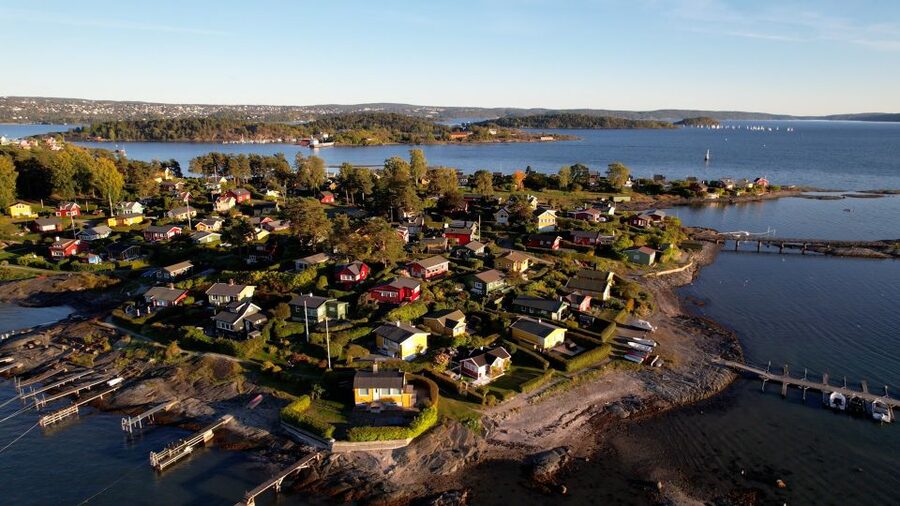
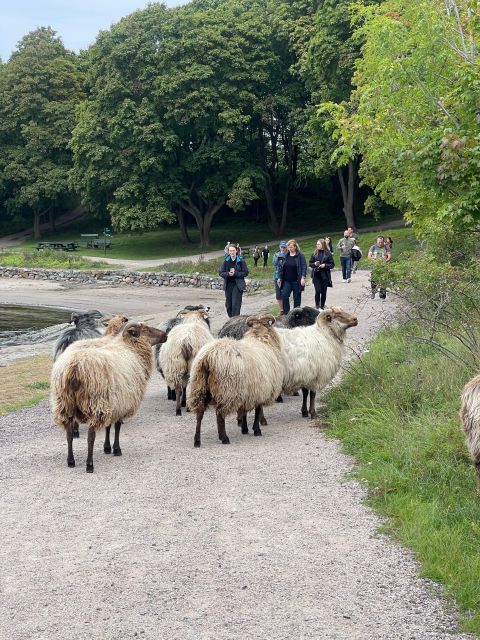
Oslo’s best escape from city streets may be sitting on a public ferry with the wind coming off the fjord, then stepping ashore on an island where sheep pastures, monastery ruins, forest paths, and summer cottages replace traffic. This tour links Hovedøya, Gressholmen, and Lindøya in four well-paced hours.
I like the mix of medieval history and ordinary Norwegian island life. You get the 12th-century abbey ruins on Hovedøya, then quiet beaches, old fortifications, flower gardens, and wooden holiday homes. I also like that your ticket covers public transportation for 20 hours after the tour, giving you extra freedom to return to the islands or continue around Oslo.
The main consideration is walking comfort. Trails include gravel, dirt, and stones, and the tour is not suitable for children under nine, wheelchair users, or people with mobility impairments. You also spend some time pausing while the group gathers, so anyone seeking a strenuous hike may find the pace gentle.
Five things to know before you book
- Three islands, three different moods: Hovedøya brings abbey ruins and coastal history, Gressholmen offers open fields and quiet paths, and Lindøya supplies cottage charm and swimming possibilities.
- The ferries are part of the attraction: You ride Oslo’s regular public boats between stops, with crossings of about 5, 7, 15, and 14 minutes.
- Guides add local color: Emran, Evan, Ola, Ole, and other Just Guide staff have led tours, with personal stories and practical Oslo advice often adding to the formal history.
- Bring your own picnic: You can buy snacks or ice cream at a local shop, but lunch is not provided and the best picnic stops have fjord views.
- Pack for a real walk: Comfortable shoes, water, weather-ready clothing, a backpack, towel, and swimwear make the day easier.
- The transport ticket has extra value: The included public transportation ticket can be used for 20 hours after the tour, not only during the island circuit.
Why this four-hour Oslo island tour works
At $59 per person, this is not the cheapest way to visit Oslo’s islands. You can use public ferries on your own, especially if you already have a valid public transportation pass. The extra cost pays for a guide who keeps the ferry connections on track, explains the islands, sets a walking route, and helps you understand what you are seeing.
That matters in Oslo, where the boats are easy to use but the islands can feel disconnected if you do not know where to go. The ferry network gets you there. A good guide gives the ride and the walks a clear shape.
The tour receives a 4.7 rating from 183 ratings, and transportation earns a 92 percent perfect score. The strongest pattern is clear: guides such as Emran and Evan are praised for their friendly manner, good timing, and ability to answer questions. The tour also seems to benefit from having two guides on some departures, which helps keep a walking group together.
You should understand the format before booking. This is not a long wilderness trek, a private boat cruise, or a beach day with hours of free time. It is a guided introduction to three accessible Oslo islands, connected by ordinary public ferries. The walks are gentle, but you are on your feet across uneven surfaces for much of the outing.
Other trips people book in Oslo:
- Oslo: Scenic Fjord Cruise with Audio Guide Commentary
★ 4.5 · 5,375 reviews - Oslo Nature Walks: Island Hopping Tour
★ 4.8 · 2,713 reviews - Oslo: 100% Electric Oslofjord Sightseeing Cruise
★ 4.4 · 2,041 reviews
Meeting at Aker Brygge and catching the first ferry
The meeting point is the Aker Brygge tram stop beside the National Museum, at Brynjulf Bulls plass 2. Arrive by 10:15 a.m. for the 10:30 ferry departure. Look for the guide holding a Just Guide sign and wearing a blue vest.
That fifteen-minute cushion is worth taking seriously. Aker Brygge is easy to reach, but a waterfront transport hub can be confusing when you are watching tram stops, ferry piers, and city streets at the same time. Arriving early lets you find the guide without rushing.
The first ferry crossing takes about five minutes. It is short, but it begins the change in mood. Oslo’s waterfront opens up, and the city starts to look different from the water. You are not going far, yet the ferry makes the islands feel like a separate side of Oslo.
Because these are public ferries, the ride is part of local transportation rather than a private sightseeing cruise. That makes the outing feel practical and connected to daily city life. It also means schedules and group movement matter, which is one reason the guide is useful.
Hovedøya: monastery ruins, beaches, and old cannons
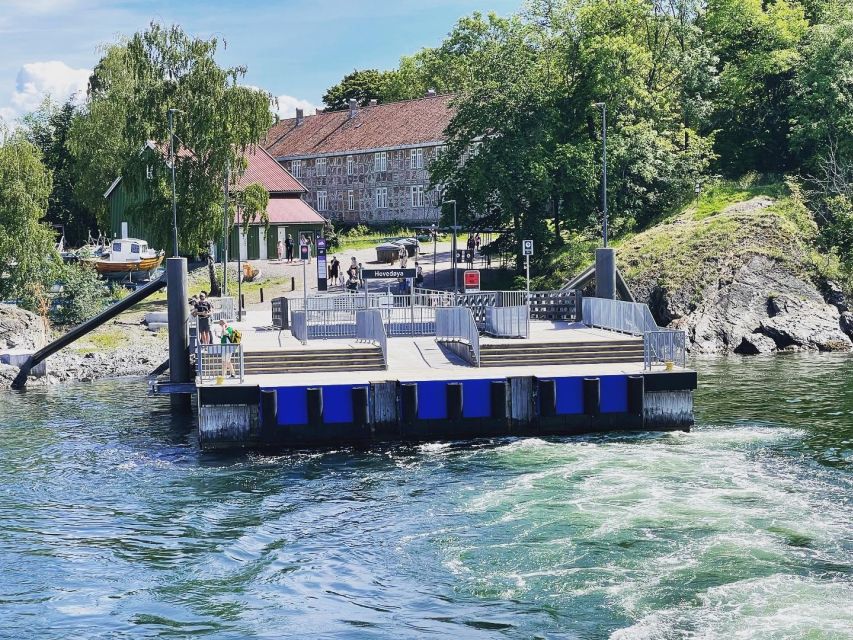
Hovedøya is the most historically substantial stop. You spend about an hour here, walking with the guide through the remains of a monastery founded nearly 1,000 years ago by English monks. The story reaches back to the period after the Viking Age, when Norway was moving from Norse religious traditions toward Christian Europe.
The ruins are not simply a photo stop. You can walk among the former chambers and rooms and get a sense of the monastery’s scale. The guide connects the stones to the larger story of Oslo and Norway, making this the tour’s strongest stop for history.
The precise amount of time spent at the abbey can vary with the group. One useful point to keep in mind is that the tour combines explanation with walking, rather than offering a long, detailed archaeology lecture. If you want every architectural detail of the monastery, you may wish for more time. If you prefer a clear overview followed by fresh air and views, the balance should suit you.
After the ruins, the route continues through birch woods and open pasture. This section gives you a look at the island beyond its headline attraction. The setting is informal and green, with trails leading toward old fortifications and cannons linked to the Napoleonic Wars of the 1800s.
The coastline is rugged in places, with beaches and viewpoints along the way. Your guide chooses where to pause, and the group returns to the pier for the next boat. Hovedøya is the stop where comfortable shoes matter most, since the mix of gravel, dirt, and stone is less forgiving than a city pavement.
If you want to return later for more beach time, the transport ticket gives you that option within its 20-hour period. One useful trick is to treat the guided visit as an orientation, then come back independently if you want a slower afternoon.
Gressholmen: Oslo’s quieter side
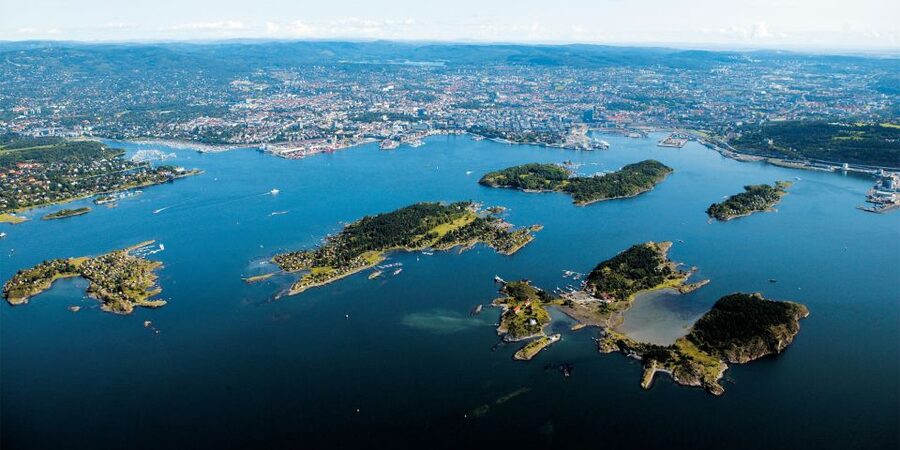
The ferry to Gressholmen takes about seven minutes. The island receives around 35 minutes of guided walking, so this is the briefest stop and should be viewed as a taste of the area rather than a full island exploration.
Gressholmen is the tour’s quietest and most natural-feeling stop. Open fields, woodland paths, and small inlets replace the abbey ruins of Hovedøya. The guide leads you along easy trails while pointing out the island’s character and its place in Oslo’s fjord setting.
This stop gives the itinerary useful variety. You have already spent time with built history and military remains. Here, the value is simply space, fresh air, and a pause from the city. It is a good spot for photographs, especially if you like views that include water, low hills, and open ground rather than grand buildings.
The short visit is also the main limitation. Thirty-five minutes does not leave much room for wandering away from the group. If you want a long nature walk, Gressholmen will feel too brief. If you see it as a compact introduction before moving on, the timing keeps the full route manageable.
You might also use this stretch to ask your guide about Oslo beyond the islands. Guides including Emran have shared advice about getting around the city and other places to visit, which can be handy early in an Oslo stay.
Same base, a different kind of day out:
- Oslo: Fjord Evening Cruise with Shrimp Buffet
★ 4.5 · 1,956 reviews - Oslo: 3-Hour Highlights Bike Tour
★ 4.8 · 1,609 reviews - Oslo: 24 or 48-Hour Hop-On Hop-Off Sightseeing Bus Ticket
★ 4.1 · 1,470 reviews - Oslo: Guided Sightseeing Fjord Cruise on Premium Silent Boat
★ 4.7 · 1,390 reviews
Lindøya: wooden cottages and a possible swim
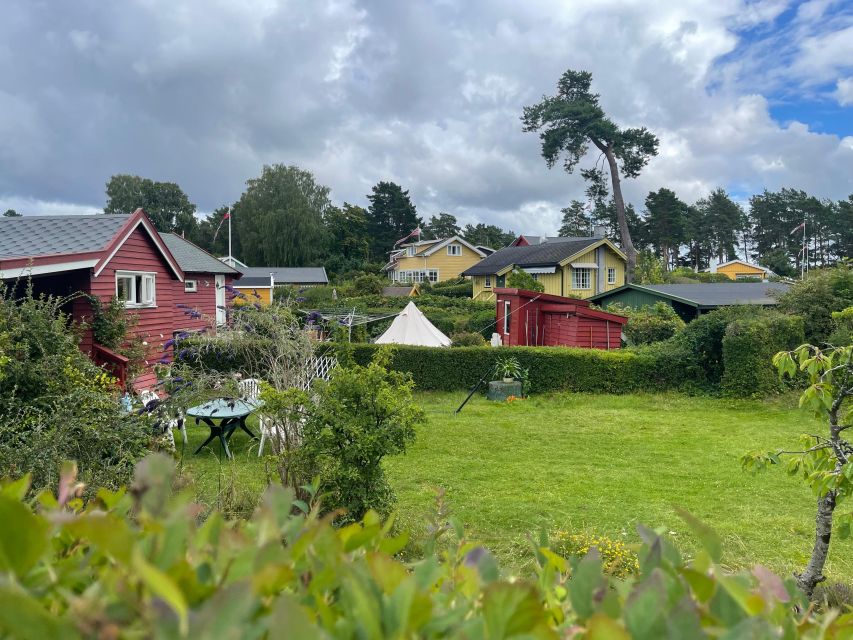
The next ferry takes about fifteen minutes, giving you time to rest and watch the fjord. Lindøya receives roughly an hour of guided walking, and it provides the most distinctive contrast with Hovedøya and Gressholmen.
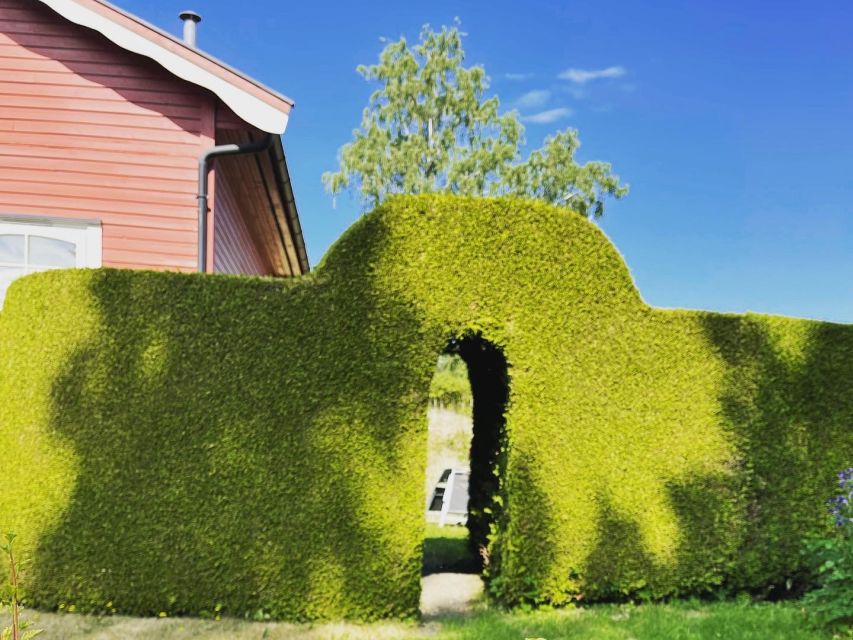
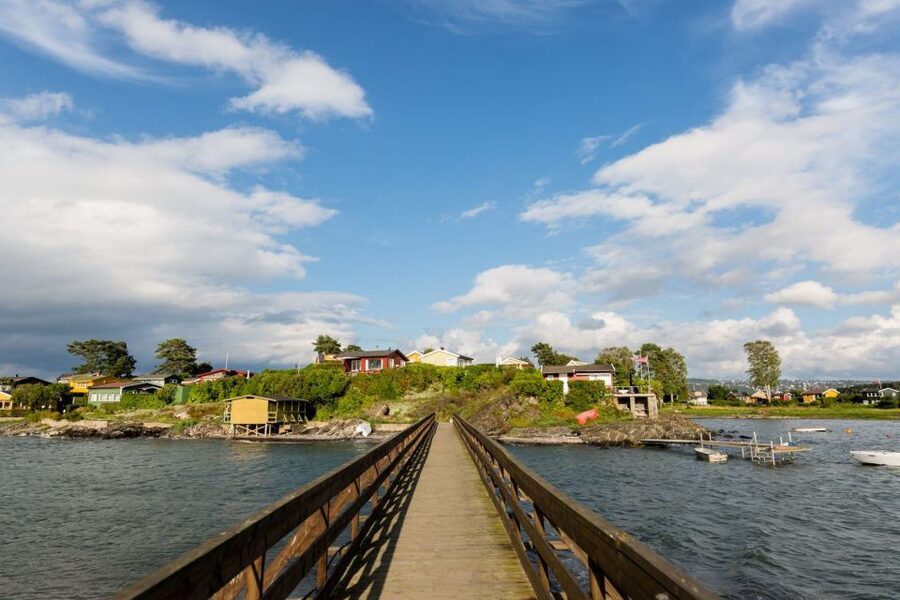
Lindøya is known here for its summer cottages, traditional wooden houses, and gardens filled with flowers. These are not grand holiday resorts. The appeal is their modest, personal character, with bright homes and small gardens set among the natural surroundings.
The cottages show a different side of Oslo life. The earlier stops focus on the city’s religious past and open coastal areas. Lindøya shows how Oslo residents use the islands as seasonal retreats. Walking past the houses, you get a sense of the fjord as part of everyday life, not only a scenic backdrop.
The route includes a lookout point, giving you time to take in the water and surrounding hills. This is also the best point in the tour to slow down for lunch. Bring food in a backpack and choose a picnic place with a view. You may find a local shop selling snacks or ice cream, but you should not count on buying a full meal.
Swimmers should pack a swimsuit and towel. The island can offer a chance for a dip, depending on the day and the group schedule. The tour does not promise a dedicated swimming session, so think of swimming as an option rather than the central purpose of the visit.
This is also where the weather matters most. On a sunny day, the combination of cottages, gardens, water, and lunch can make Lindøya the most relaxing stop. In rain or strong wind, there may be less shelter, and you will be glad to have a waterproof layer.
The return ferry and Oslo’s waterfront arrival

After Lindøya, the ferry back takes about fourteen minutes. Instead of ending at an anonymous transport stop, the route returns you toward central Oslo with views of the harbor.
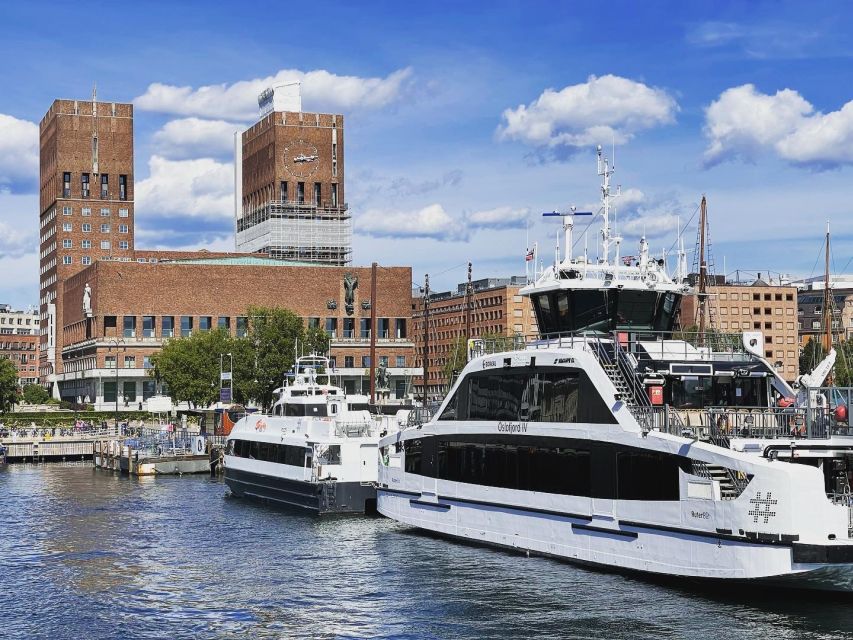
As you arrive, look for Akershus Fortress, Oslo City Hall, and the modern waterfront of Aker Brygge. These sights give the day a satisfying visual finish. You have seen Oslo from its outer islands, then return with a clearer sense of how the fjord shapes the city.
The final ferry ride is also a good reminder of the tour’s main strength. You do not merely visit three isolated spots. You see how the islands, boats, harbor, and city fit together.
The drop-off is at the same Aker Brygge area, with the stated return locations at Brynjulf Bulls plass 2. From there, you can continue sightseeing, eat near the waterfront, or use the transport ticket for additional travel.
Guides, pace, and the feel of the group
The guide can make or break a walking tour, and this one has earned strong marks for personal attention. Emran, Evan, Ola, and Ole are among the guides named by participants, with Em and Evan often working together. Names and staffing can change, but the practical expectation is an English-speaking live guide in a blue vest.
The best part of the guiding style is the balance between information and conversation. You get the key facts about the monastery, fortifications, islands, and cottages without being buried under dates. Guides have also shared personal stories and local advice, which helps the islands feel lived-in rather than displayed behind glass.
The pace is generally moderate. You should be able to follow the walks without athletic ability, but you need steady footing. One useful criticism is that some pauses may feel longer than necessary if you want to keep walking. The guide must wait for the whole group, explain the place, and manage ferry timing, so the schedule cannot be built around the fastest walkers.
The group format also means you should stay aware of the departure times. Missing the ferry would affect the entire route. That is not a problem when you remain with the guide, but it is another reason this tour suits people who prefer a structured outing.
What to bring for a comfortable day
Pack as if you are spending a half-day outdoors rather than taking a city bus tour.
- Wear shoes with a firm sole for gravel, dirt paths, and stones.
- Bring water and weather-appropriate clothing.
- Use a backpack for lunch, swimwear, and a towel.
- Carry a light rain layer even if the morning looks clear.
- Bring sunscreen and a hat on bright summer days.
- Leave pets at home, since they are not allowed.
Lunch is the detail many people overlook. You can eat whenever it suits the schedule, but the tour recommends bringing food. A picnic on Lindøya or another island viewpoint is part of the pleasure, and buying only a snack or ice cream may leave you short of a proper meal.
Who should book this Oslo island tour?
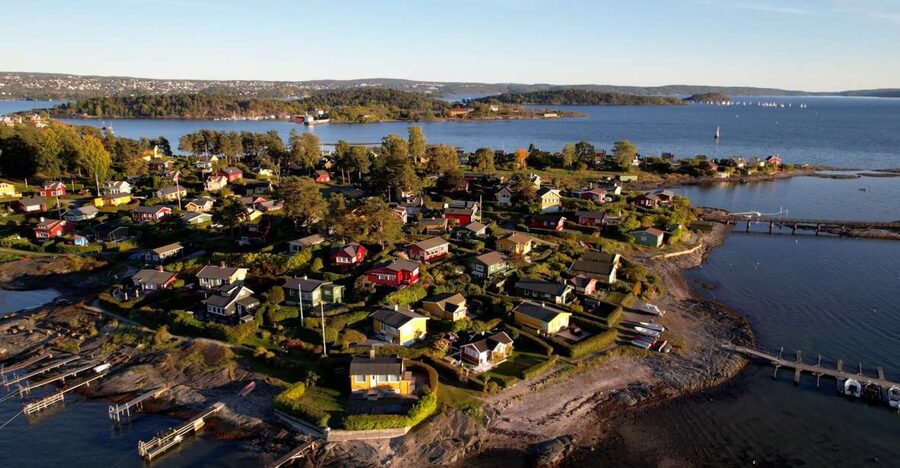
I would choose this tour if you have two or three days in Oslo and want more than museums, shopping streets, and central landmarks. It gives you a quick introduction to the fjord, three islands, and the public ferry system without requiring you to plan the connections yourself.
It is also a good fit for photographers, history fans, and anyone who enjoys easy walks with changing scenery. The abbey suits history seekers. Gressholmen suits people who want quiet paths. Lindøya suits anyone drawn to wooden houses, gardens, picnics, and the possibility of a swim.
You may not need it if you already understand Oslo’s ferry system and enjoy making your own route. The islands are reachable independently, and a valid transportation pass can make self-guided travel less expensive. The tour’s added value is the guide, the route planning, and the context.
I would skip it if you need step-free access, cannot walk on uneven ground, or want a demanding hike with several hours on the trail. The tour is not designed for wheelchairs or people with mobility impairments, and children under nine cannot join.
Is Oslo Island Walks worth $59?
For $59, I think the value is good if you want a guided half-day rather than a basic ferry ticket. You receive a guided visit to three islands, the ferry transportation during the tour, and a public transportation ticket usable for 20 hours afterward. That last benefit can reduce the gap between this tour and doing everything independently.
The strongest value comes from Hovedøya and the ferry connections. You get the abbey, coastal paths, old defenses, and a clear story about Oslo’s past, then move efficiently to two very different island settings. The outing does not waste time on a single attraction.
The price is less compelling if you are happy to follow ferry schedules, pack your own route, and research the islands before you go. In that case, you are paying mainly for companionship and interpretation. For many people, that is exactly what turns a pleasant boat ride into a useful introduction to Oslo.
Should you book it?
Book this tour if you want a relaxed but active half-day, enjoy local history, and like the idea of eating lunch beside the fjord. Bring proper shoes, food, and a weather layer, and arrive at Aker Brygge by 10:15 a.m.
Skip it if you want a strenuous hike, a private cruise, or guaranteed swimming time. For most first-time visitors who want to see a less familiar side of Oslo without wrestling with ferry planning, this is a smart and enjoyable choice.
FAQ
Where does the Oslo island tour meet?
Meet at the Aker Brygge tram stop beside the National Museum, at Brynjulf Bulls plass 2. Arrive at 10:15 a.m. for the 10:30 a.m. ferry departure.
Which islands does the tour visit?
The route visits Hovedøya, Gressholmen, and Lindøya. Each island offers something different, from monastery ruins and fortifications to woodland paths and summer cottages.
How long is the tour?
The tour lasts four hours. The listed walking times are about one hour on Hovedøya, 35 minutes on Gressholmen, and one hour on Lindøya, with ferry rides between the stops.
Is lunch included?
No. You are encouraged to bring a picnic lunch. You may also find a local shop selling snacks or ice cream, and there are several picnic spots with water views.
What should I wear?
Wear comfortable walking shoes suitable for gravel, dirt paths, and stones. Bring water and clothing suited to the weather. A backpack is useful for food, swimwear, and a towel.
Is the tour suitable for children and wheelchair users?
Children under nine cannot join. The tour is not suitable for wheelchair users or people with mobility impairments because the route includes uneven trails, gravel, dirt, and stones.
Just added in Oslo
- The Viking Planet Museum – Mini Group (4 adults)★ 4.0 · 16 reviews
- Unknown war. Oslo and Norway during 1940-45★ 5.0 · 74 reviews
- The Viking Planet Museum Ticket★ 4.0 · 197 reviews
- Oslo Winter Highlights Bike Tour★ 5.0 · 36 reviews
- The Ultimate Study of the Human Form at Vigeland’s Sculpture Park with a Local★ 4.0 · 14 reviews
- The Essential Oslo Private Walking Tour★ 5.0 · 79 reviews
- The Ultimate Norwegian Skiing Experience★ 5.0 · 16 reviews
- Central Oslo Guided Walking Tour with Local Guide★ 4.5 · 278 reviews
Tours in Norway, compared.

Reindeer Sledding & Feeding with a Sami Guide
Read our review →
Scenic Fjord Cruise to Lysefjord and Preikestolen
Read our review →
Scenic Fjord Cruise with Audio Guide Commentary
Read our review →

Tromsø’s Top-Rated Fjord & Fishing Cruise – All-Inclusive
Read our review →
Fjords and Sommarøy Islands Tour with Salmon Picnic
Read our review →Browse the lists this tour appears in