
Reviewed · TOURS IN NORWAY
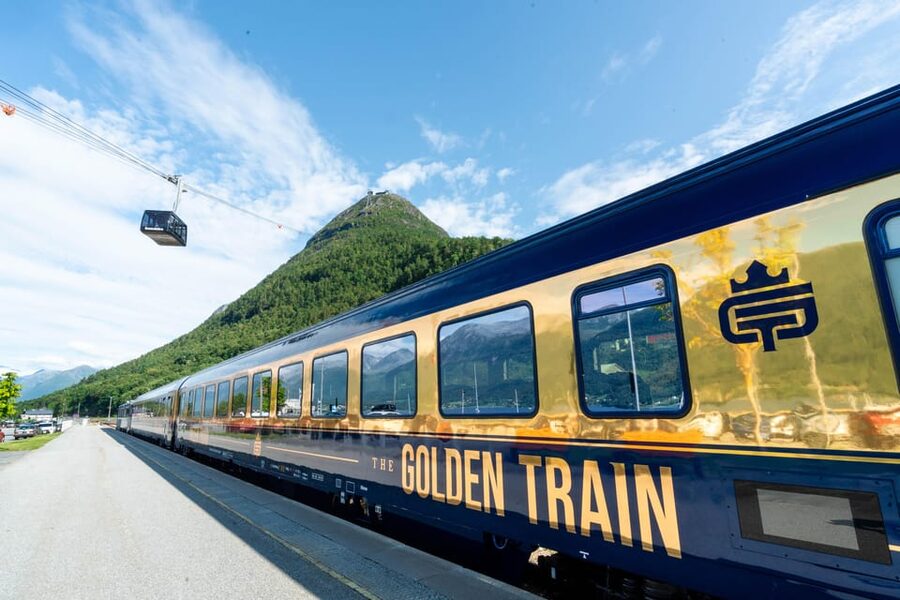
Romsdalen: Rauma Railway Golden Train with Guide
The Rauma Railway Golden Train gives you a front-row seat to some of Norway’s wildest scenery without asking you to hike, drive, or keep your eyes on the road. The train crawls through a valley of sharp peaks, rock walls, waterfalls, and an emerald river, with Troll Wall and Kylling Bridge as the big visual prizes. I like the slow pace, which gives you time to take pictures, and the live English commentary, which adds local stories and Second World War history to the ride.
I also like the easy setup: Åndalsnes station sits close to the cruise quay, and the round trip takes only about 2.5 hours. The main drawback is the seating arrangement. Seats may not be formally assigned, so arriving early matters, and the best view can depend on which side of the carriage you occupy. Bad weather can also soften the drama, though the train ride still has plenty to offer.
Key points to know before you book
- Troll Wall appears from the train: Look up at the massive vertical rock face as the train moves slowly through the valley.
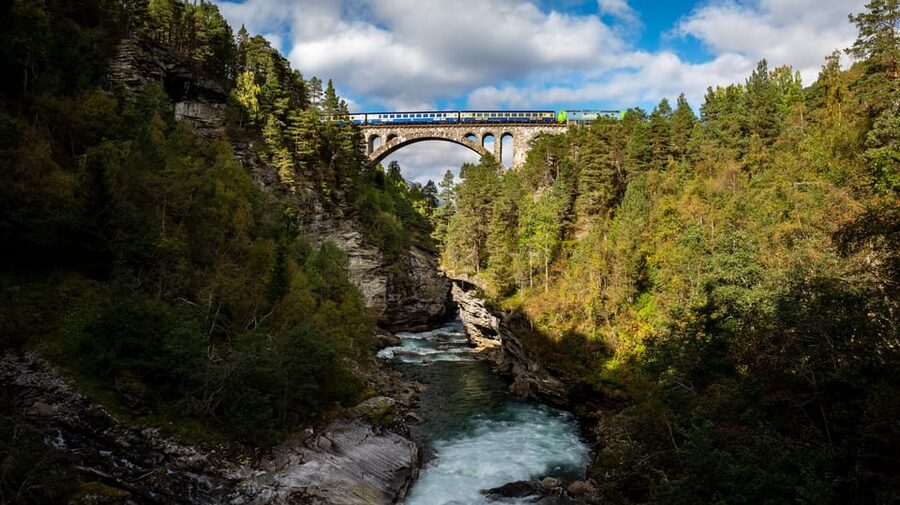
- Kylling Bridge is the main photo stop: This famous railway bridge is one of the route’s most memorable engineering sights.
- The guide adds more than basic announcements: Expect English commentary about local life, mountain communities, the railway, and Norway’s wartime gold story.
- Bjorli is a short pause, not a destination day: You get about 30 minutes there, mainly for photographs and a small collection of railway and wartime memorabilia.
- Arrive early for the best seat: The right side may offer stronger views on parts of the journey, but both sides are worthwhile.
- The price can be strong value: At $64 per person, the trip costs much less than comparable cruise-line excursions mentioned in the feedback.
Why the Rauma Railway is worth your time
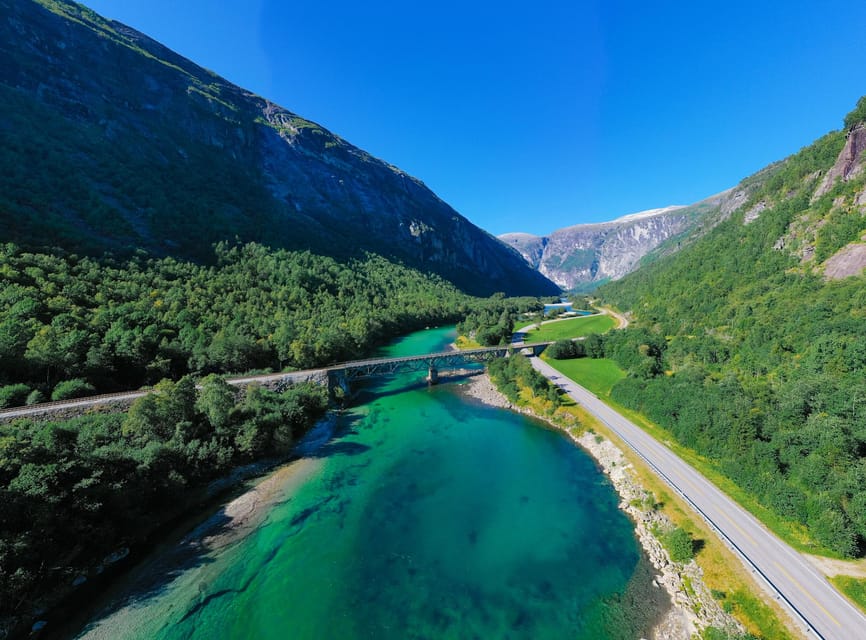
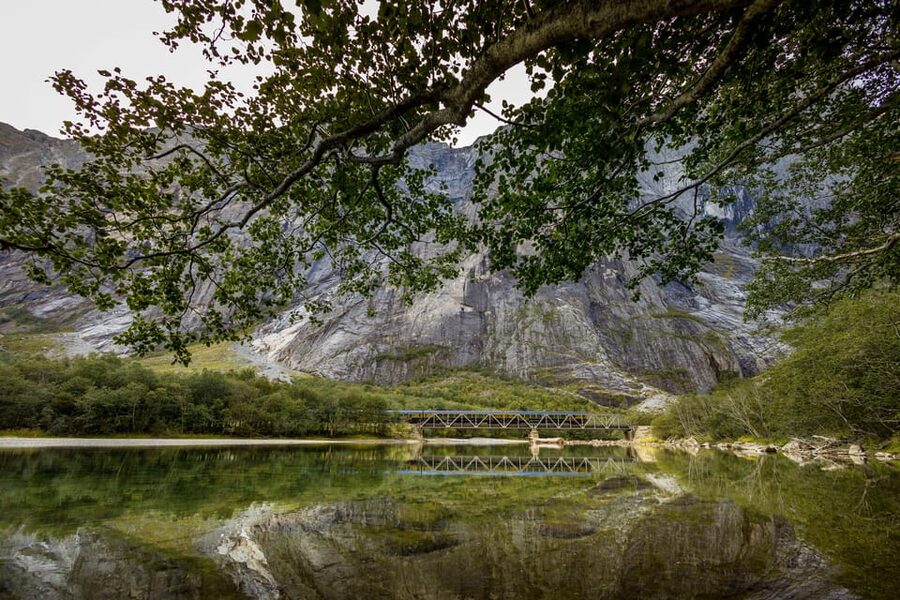
The Rauma Railway runs from Åndalsnes into the Romsdalen valley, one of Norway’s most striking mountain corridors. You travel beside an emerald-green river, under steep rock faces, and across 32 bridges. The route feels especially rewarding because the scenery changes without requiring much effort from you.
This is not a high-speed rail trip. The train moves at a measured pace, giving you time to follow the river and spot waterfalls through the windows. That slower speed also helps with photographs. You are not trying to frame a peak in the instant before it disappears behind the next tunnel or bend.
The journey has a useful balance of nature and context. You see the famous sights, but you also hear about the people who lived among these mountains, relied on the river, and climbed the surrounding peaks. The wartime story gives the railway another layer. The Golden Train name relates to the movement of Norway’s gold during the Second World War, a subject explained during the ride and connected to the material displayed at Bjorli.
I would not book this trip expecting a full walking tour or a long stop in a mountain village. Its strength is the train itself. You sit, listen, look out, and let the valley come to you.
A few more things to do in Norway worth a look
- Bergen: Viking Village, Nærøyfjord Cruise & Flåm Railway
★ 4.8 · 1,047 reviews - From Narvik: Roundtrip Arctic Train Ride on Ofoten Railway
★ 4.4 · 407 reviews - Guided tour – Viking Village, Nærøyfjord Cruise and Flåm Railway
★ 4.5 · 371 reviews
Starting at Åndalsnes station
Your trip begins at Åndalsnes station, a convenient starting point if you arrive by cruise ship. The station is close to the quay, so you do not need a complicated transfer between the ship and the train.
Arrive early if you care about window position. The carriage windows are clear, and the train is clean, but some window seats have a pillar that can interrupt your view. A seat near the right side is often suggested for stronger views, though the left side also gives you plenty to see. The return journey changes the angle, so both sides have value.
Some sections of the carriage have extra viewing windows where you can stand for photographs. A few compartments seat six people and can give you views on both sides. These are useful if you want to move around rather than stay fixed in one seat.
The seating policy can create a little confusion. Since places may not be assigned in a strongly enforced way, someone may sit in the place you expected to use. The most practical answer is simple: get there early, settle in, and be prepared to change seats for the return leg.
The first hour through Romsdalen
The outward journey to Bjorli takes about one hour. This is when the route builds its drama. The train leaves Åndalsnes and follows the valley, passing steep cliffs, high mountain peaks, waterfalls, and the green river below.
The scenery is not limited to one grand viewpoint. You get a long sequence of changes: a river bend, a bridge, a rock wall, a waterfall, and another open view toward the peaks. That makes the slow train useful. You have time to look up from your camera and simply watch the valley pass.
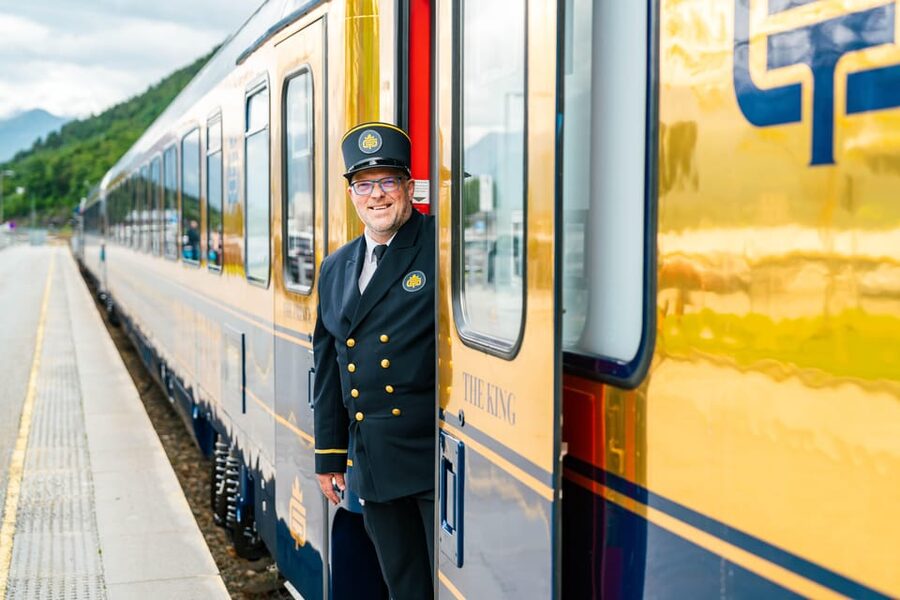
The guide’s commentary is an important part of the experience. You hear stories about life in the mountain communities, the railway’s construction, and the difficult conditions faced by people who lived and worked here. The tone is not purely formal. The guide adds humor and keeps talking through much of the journey, which suits you if you like a steady stream of facts rather than a quiet ride.
The supplied information also refers to an audio guide on your own phone. Bring headphones and make sure your smartphone is charged. At the same time, the onboard experience may include a person giving live commentary. It is sensible to be prepared for both formats, since the exact way commentary is delivered can vary.
Troll Wall, one of Norway’s great mountain sights
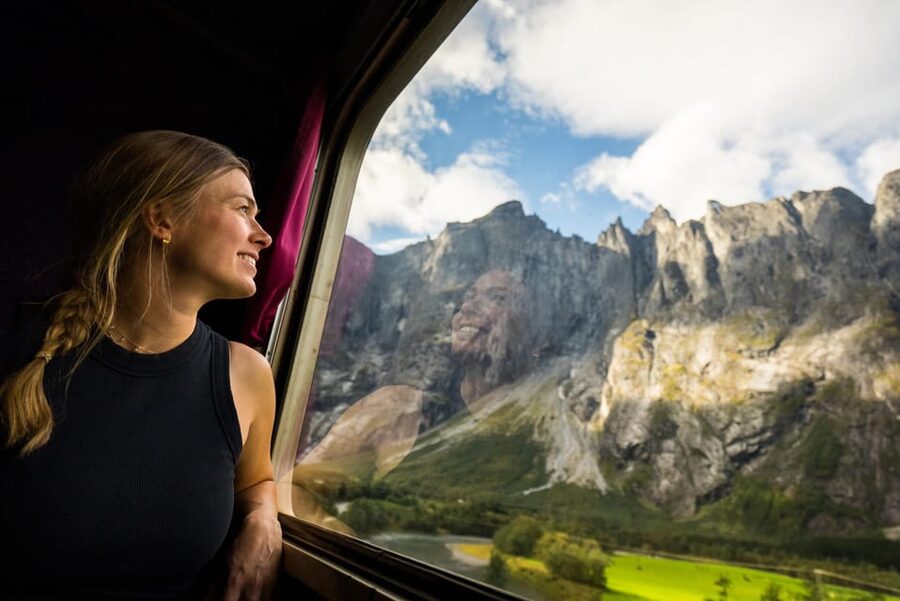
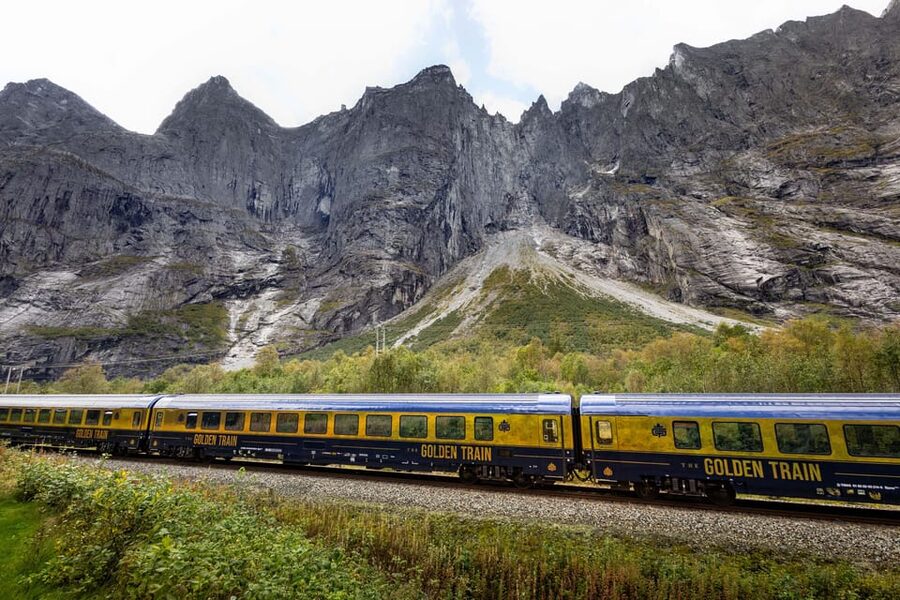
Troll Wall, or Trollveggen, is one of the route’s major highlights. The train gives you a clear chance to study the high, jagged rock face as you pass through the valley.
You do not stop for a long walk here. This is a viewing moment from the carriage, so keep your camera ready and listen for the guide’s explanation. The wall is impressive because of its sheer scale. It rises above the valley in a way that makes the train and surrounding structures feel very small.
The viewing experience depends on weather and seat position. On a clear day, the mountain detail is easier to pick out. In cloud or rain, the rock face may lose some of its definition, but the overall mood can still be dramatic. This is one reason I prefer the train to a rushed photo stop. You get repeated chances to look as the route changes.
Same base, a different kind of day out:
- From Bergen: The Original Fjord Cruise to Mostraumen
★ 4.7 · 8,440 reviews - Tromsø: Reindeer Sledding & Feeding with a Sami Guide
★ 4.8 · 6,417 reviews - Stavanger: Scenic Fjord Cruise to Lysefjord and Preikestolen
★ 4.6 · 5,791 reviews - Oslo: Scenic Fjord Cruise with Audio Guide Commentary
★ 4.5 · 5,375 reviews
Kylling Bridge and Verma waterfalls
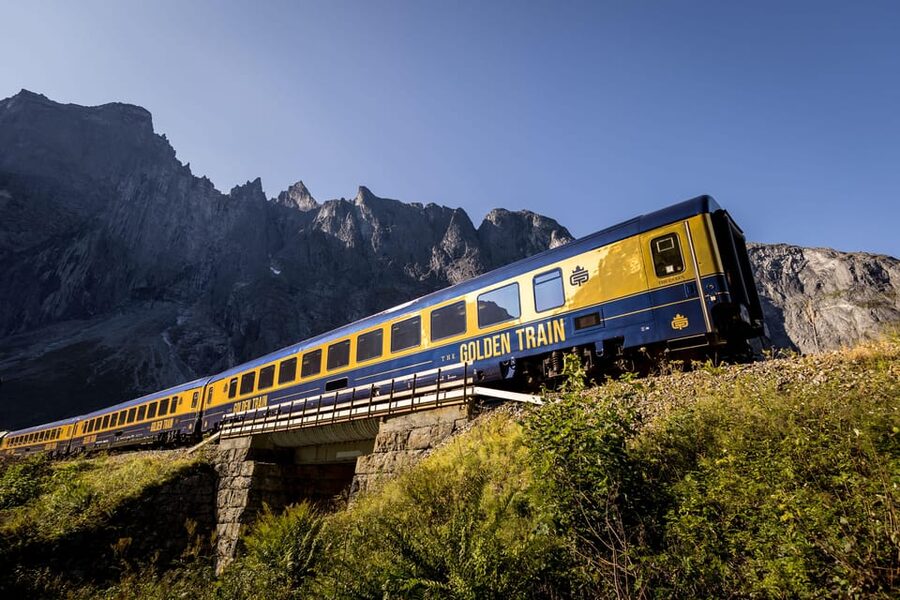
Kylling Bridge is the route’s signature engineering sight and the most photographed railway bridge in Norway. The train passes at a slow pace, giving you time to prepare your camera instead of scrambling after the view has gone.
The bridge crosses the valley in a setting of steep rock and green water. It is a good example of how the railway and the natural surroundings work together. You are not looking at an isolated structure in a flat setting. The bridge seems to belong to a difficult mountain route, which makes the engineering story more interesting.
Verma waterfalls add another burst of movement to the ride. Water drops through the mountain scenery, and the effect can be especially strong after wet weather. The train does not turn this into a long walking stop, so you should watch carefully through the window and use the viewing areas when possible.
If photography is your priority, do not spend the whole outward journey in one fixed position. Move carefully between the available viewing spots when the train allows it. On the return, look again from the opposite side. The same route can feel different when the light and angle change.
Bjorli: a 30-minute pause with limited sightseeing
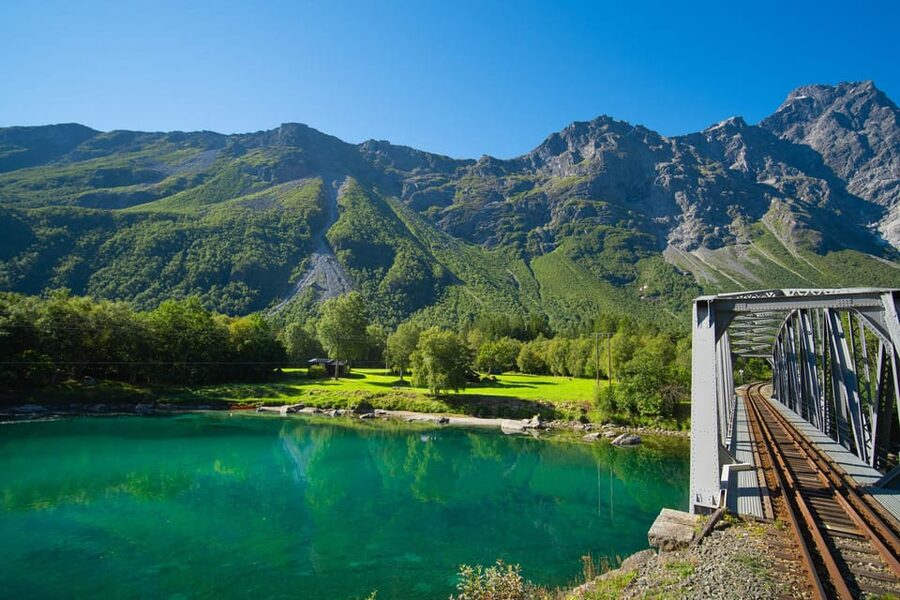
Bjorli is the final stop before the train turns back toward Åndalsnes. The scheduled pause is about 30 minutes, giving you time to leave the train, stretch your legs, and take photographs.
Keep your expectations realistic. Bjorli is useful as a break, but it is not the main attraction. There is not a long list of sights around the station in the time available. The strongest reason to step off is the small station-house collection, which includes material linked to the Norwegian gold run during the Second World War.
The display can be seen quickly, so you do not need to spend the whole break inside. Take a few minutes to look at the memorabilia, then enjoy the air and surrounding scenery before returning to the train.
The timing may not always work exactly as advertised. Freight trains can cause delays, and that may reduce your time at Bjorli to around 10 minutes. This is worth knowing if you are expecting a full half-hour outside. The delay does not ruin the trip, since the train ride is the central experience, but it can make the stop feel brief.
The return to Åndalsnes
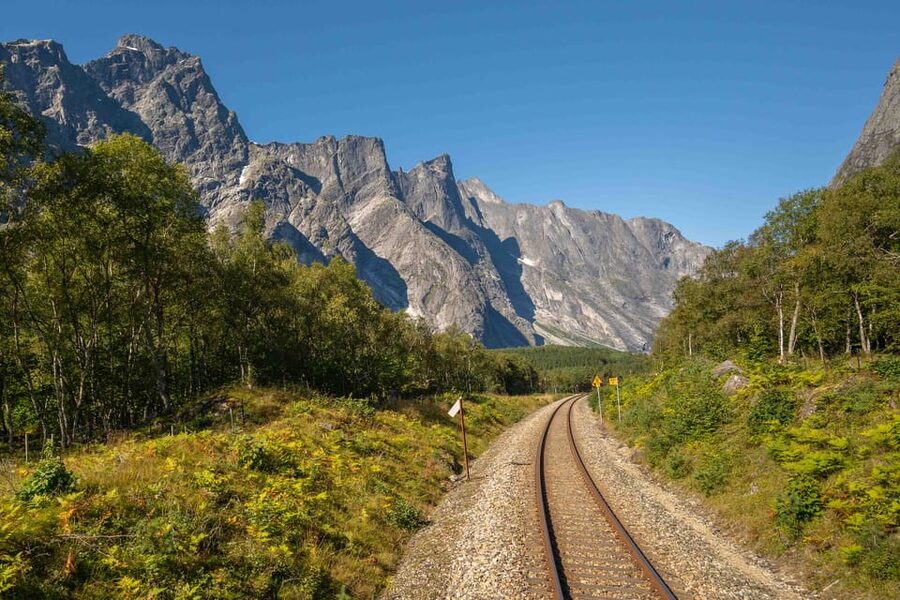
After the Bjorli pause, you board for the ride back to Åndalsnes. The return takes about another hour and gives you a second chance at the major sights.
This is where seat strategy helps. If you sat on the right side going out, try the other side on the return. You will not duplicate every view perfectly, but you can see parts of the valley from a fresh angle. It also prevents the common frustration of spending the full trip behind a window pillar.
The carriage may offer hot and cold drinks, snacks, and a toilet onboard. These are modest comforts, but they matter on a 2.5-hour excursion, particularly if you are fitting the railway around a ship’s schedule. You can concentrate on the scenery instead of worrying about finding facilities during the route.
Freight traffic can also affect the return schedule. The total experience is advertised at 2.5 hours, but delays may shorten the stop at Bjorli rather than extend the overall outing. If you have a tight onward plan, allow some breathing room.
The guide and the historical side of the trip
The live English guide helps keep the ride from becoming a silent parade of mountain views. You hear about the people who lived in the valley, the river that supported them, and the work involved in building and using the railway.
The Second World War material gives the experience a clear historical thread. The Golden Train is not just a catchy name for a scenic ride. It points to the wartime movement of Norway’s gold, and the Bjorli display helps connect the spoken story with physical objects.
The guide’s style may suit you if you enjoy continuous commentary with humor and small details. If you prefer a quiet train ride, the amount of talking could feel like a lot. You can focus on the views, but the commentary is a central part of the tour rather than a minor extra.
Bring headphones even though live commentary may be provided. The activity includes an audio guide on your own phone, and headphones are specifically recommended. A charged smartphone is essential if you plan to use it.
Is $64 a fair price?
At $64 per person, the value depends on what you want from a short excursion. You are paying for a round-trip train ticket, the guide component, the scenic route, and the convenience of a ready-made 2.5-hour outing.
The price looks particularly good if you are visiting by cruise ship. The station is close to the quay, and similar trips sold through cruise companies can cost about twice as much for the same railway experience. Booking independently requires a little more attention to timing, but the savings can be substantial.
You are not paying for a long guided walk, a meal, or a full day of activities. The route and commentary are the product. If mountain scenery from a comfortable seat is what you want, the price is reasonable. If you need an active excursion with several substantial stops, the limited time at Bjorli may leave you wanting more.
Free cancellation up to 24 hours before departure and the option to reserve now and pay later add useful flexibility. Check the available starting times before booking, especially if you need to return to a ship or connect with another activity.
Who should take the Golden Train?
I would recommend this trip to you if you want dramatic Norwegian scenery with little physical effort. It suits first-time visitors to Romsdalen, cruise passengers, photographers, railway fans, and anyone who enjoys hearing local stories while looking out a window.
It also works well for mixed groups. You do not need to be a serious hiker to appreciate the mountains, and the onboard toilet and refreshments make the ride manageable for a wide range of passengers.
You may want to skip it if your main goal is to spend hours walking around Bjorli. The stop is short and the town is not presented as the focus. You should also think twice if poor weather is likely and your schedule is too tight to accept reduced visibility or a delay caused by freight traffic.
Should you book the Rauma Railway Golden Train?
Book it if you want an easy, scenic introduction to the Romsdalen valley and value a guide who adds history and local stories to the views. The slow pace, clear windows, viewing areas, famous bridge, Troll Wall, waterfalls, and close-to-the-quay station make it a practical choice.
Arrive early, aim for a window without a pillar, and switch sides on the return. Bring headphones, a charged phone, and a little patience if the railway schedule slips. At $64, it is especially appealing compared with the higher cost of similar cruise-ship excursions.
FAQ
How long does the Golden Train experience last?
The full round trip takes about 2.5 hours. The train travels for roughly one hour to Bjorli, stops there for about 30 minutes, and then returns to Åndalsnes in about one hour.
Where does the train journey begin?
The journey begins at Åndalsnes station in Møre og Romsdal County, Norway. The station is close to the cruise quay.
What sights can I see from the train?
You can see Troll Wall, Verma waterfalls, Kylling Bridge, high mountain peaks, jagged rock faces, the emerald-green river, and 32 bridges along the route.
Is there a guide on the train?
Yes. The experience includes an English-speaking guide. An audio guide on your own phone is also included, so bring headphones and a charged smartphone.
What happens at Bjorli?
You have a short break at Bjorli, usually about 30 minutes. You can take photographs, enjoy the surrounding scenery, and visit a small collection of memorabilia connected with Norway’s wartime gold run.
Is there a toilet on the train?
Yes. The train has a toilet onboard. Hot and cold drinks and snacks may also be available during the ride.
Just added in Norway
- Unknown war. Oslo and Norway during 1940-45★ 5.0 · 74 reviews
- The Viking Planet Museum – Mini Group (4 adults)★ 4.0 · 16 reviews
- The Viking Planet Museum Ticket★ 4.0 · 197 reviews
- Oslo Winter Highlights Bike Tour★ 5.0 · 36 reviews
- The Ultimate Study of the Human Form at Vigeland’s Sculpture Park with a Local★ 4.0 · 14 reviews
- The Essential Oslo Private Walking Tour★ 5.0 · 79 reviews
- The Ultimate Norwegian Skiing Experience★ 5.0 · 16 reviews
- Central Oslo Guided Walking Tour with Local Guide★ 4.5 · 278 reviews
Tours in Norway, compared.
Reindeer Sledding & Feeding with a Sami Guide
Read our review →
Scenic Fjord Cruise to Lysefjord and Preikestolen
Read our review →
Scenic Fjord Cruise with Audio Guide Commentary
Read our review →
Tromsø’s Top-Rated Fjord & Fishing Cruise – All-Inclusive
Read our review →
Fjords and Sommarøy Islands Tour with Salmon Picnic
Read our review →Browse the lists this tour appears in