
Reviewed · MUSEUMS
Copenhagen: Danish War Museum Entry Ticket
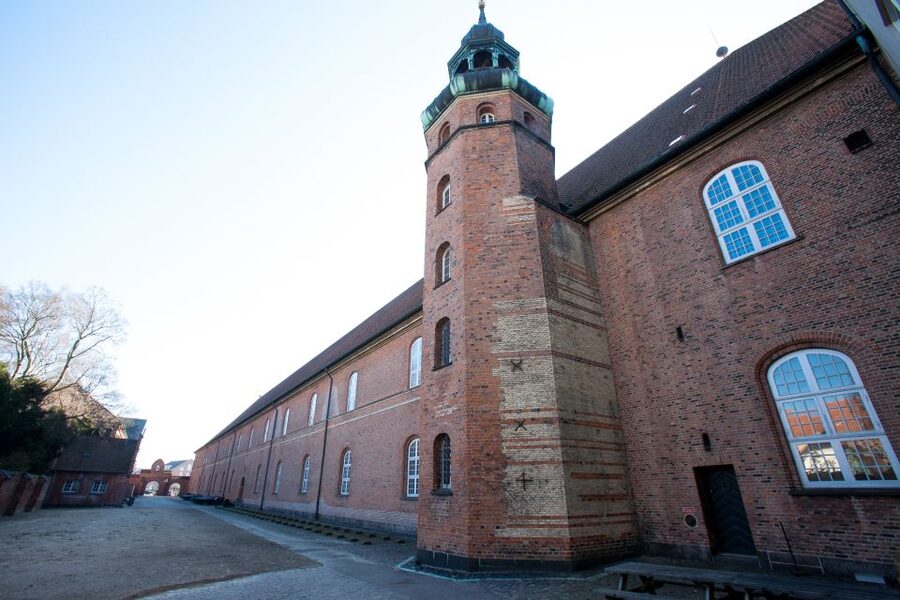
The Danish War Museum gives you an unusual way to read Denmark’s past: not through palaces and paintings, but through armor, weapons, ships, uniforms, and the hard choices behind war. Its setting is part of the experience. The museum occupies the Tøjhus Arsenal, built by Christian IV in 1604, with a first-floor hall stretching 163 meters, said to be the longest room in the Nordic countries.
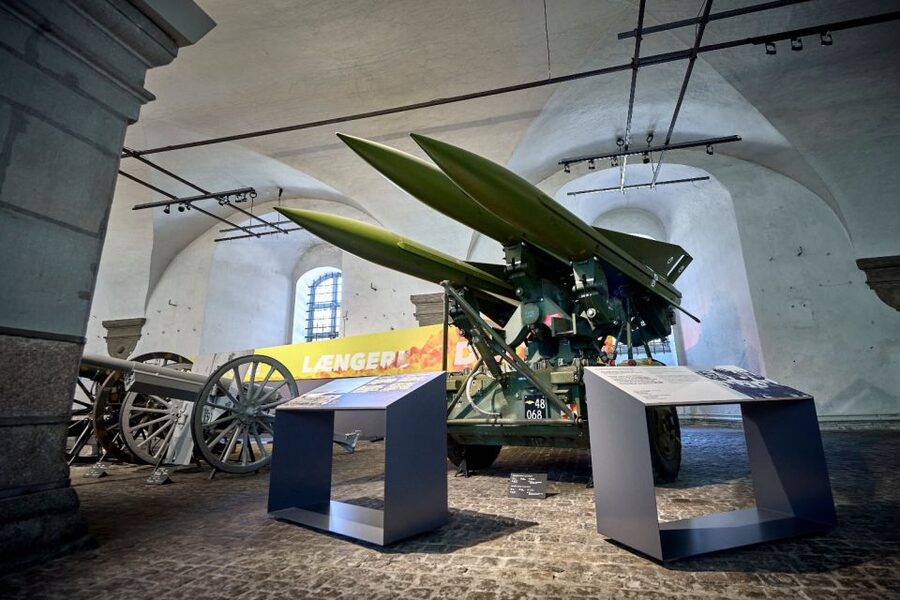
I like two things especially. First, the collection moves from the 1500s to the war in Afghanistan, so you can follow Denmark’s military story across several centuries in one visit. Second, the displays include memorable objects rather than only formal cases: a ship model made of bones, a 150-year-old biscuit, and a military vehicle that survived a roadside bomb in Afghanistan.
The main drawback is practical: there is currently no elevator to the first-floor exhibitions. You can bring your own wheelchair or baby carriage, but anyone who cannot use stairs should check carefully before booking. At $20 for a one-day ticket, this is a good-value stop for history fans, but less so if you want a quick, light museum visit.
Key points to know before you go
- The 163-meter Arsenal hall: Walk through an extraordinary historic room that once served the Danish military.
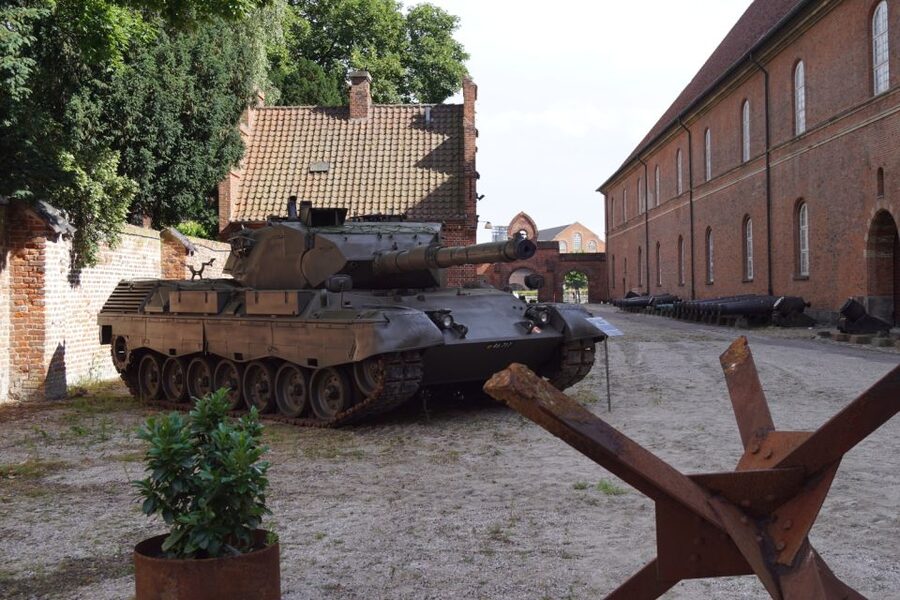
- A timeline from knights to drones: The displays connect medieval warfare, World War II, the Cold War, Afghanistan, and current conflicts.
- Objects with strong human detail: Look for the bone ship, old biscuit, complete American Civil War uniform, and bomb-damaged military car.
- Stories from the seven seas: Rest in a hammock while listening to Danish maritime tales.
- A current look at drone warfare: Consider how unmanned weapons affect soldiers, civilians, and future battlefields.
- One-day flexibility: Your ticket is valid for one day, and cancellation is allowed up to 24 hours before the visit.
Entering Christian IV’s 1604 Arsenal
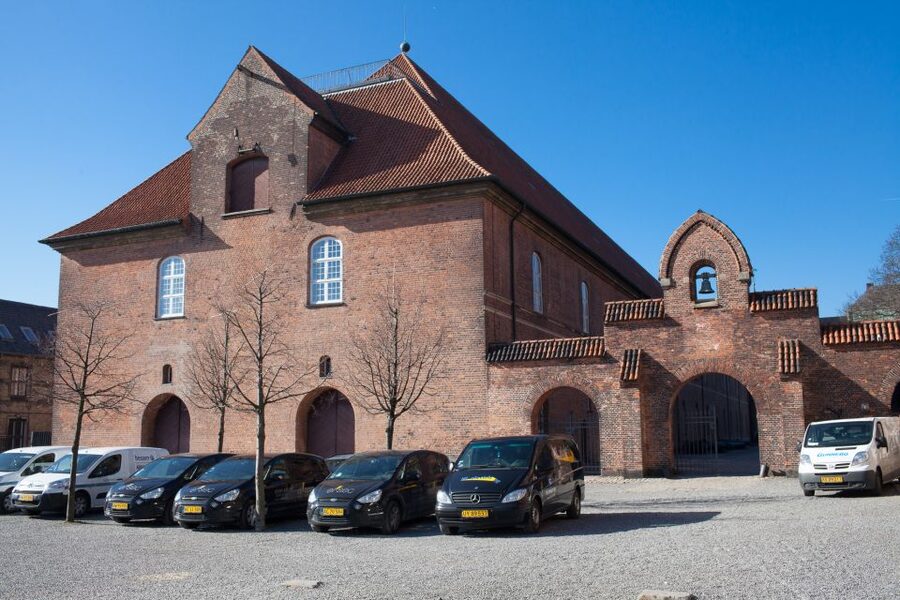
Before you reach the displays, take a moment to notice the building itself. The Tøjhus, or Arsenal, was built in 1604 under Christian IV and functioned as an armory. That gives the museum a useful sense of place. You are not simply looking at military objects in a modern gallery. You are seeing them inside a building made for storing and supporting Denmark’s armed forces.
The first-floor hall is the museum’s most striking physical feature. At 163 meters long, it gives the visit a strong visual rhythm. You can see why a room built to hold military equipment also works well as a museum space: there is room for large objects, long chronological displays, and a clear sense of movement through time.
I would not rush through this hall. The scale is impressive, but the point is not only to admire the architecture. Use it as a broad timeline. Denmark’s military story changes considerably from the age of armored knights to the age of surveillance aircraft and remote-controlled weapons.
A few more things to do in Copenhagen worth a look
- Copenhagen: National Museum of Denmark Entry Ticket
★ 4.5 · 960 reviews - Copenhagen: Amalienborg Palace Museum Entry Ticket
★ 4.3 · 291 reviews - Exhibition – Home of Carlsberg
★ 4.5 · 281 reviews
Armor and weapons from the 1500s onward
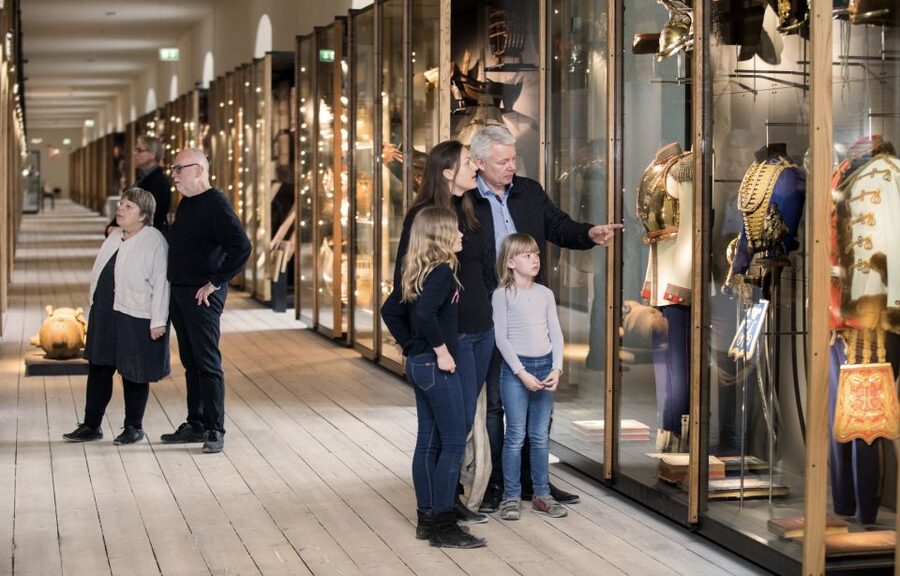
The early displays bring you face to face with the equipment used by Danish soldiers and knights. Shining armor from 15th-century Danish knights provides an immediate connection to warfare before modern firearms, vehicles, and communications.
Armor can look decorative at first glance, but it also shows how armies tried to solve practical problems. Protection, movement, status, and battlefield technology all meet in these objects. I find this part useful for families because children can understand the basic question quickly: how do you protect a person in combat, and what happens when weapons improve?
As you continue, the collection moves into later centuries and more organized forms of warfare. The museum covers the 17th-century wars with Sweden and the 19th-century conflict with England. These sections place Denmark within the larger power struggles of northern Europe and help explain that the country’s military past was shaped by both regional rivalry and pressure from stronger powers.
You should expect a museum that asks you to look at equipment and events together. A weapon is not just an object. It points to a period, a threat, and a decision about how Denmark would defend itself.
The long hall and the best way to pace your visit
The museum is valid for one day, so you do not need to race through every case. That is helpful because the long first-floor exhibition can feel substantial. If you read every label closely, the visit may take more energy than a short city museum stop.
I suggest using two passes. On the first, walk through the hall and notice the major periods, oversized objects, and displays that catch your attention. On the second, return to the sections that matter most to you, such as the Swedish wars, World War II, the Cold War, or Afghanistan.
The 4.7 rating from 106 bookings and the strongest praise for beautifully arranged exhibits point to a museum that rewards attention to presentation. You can expect plenty to see, but the value comes from selecting your focus rather than trying to memorize every date.
For a compact visit, concentrate on the Arsenal hall, the armor, and the unusual objects. For a longer visit, give yourself time for the maritime stories and the modern drone exhibition as well.
A hammock, Danish sea stories, and a change of pace
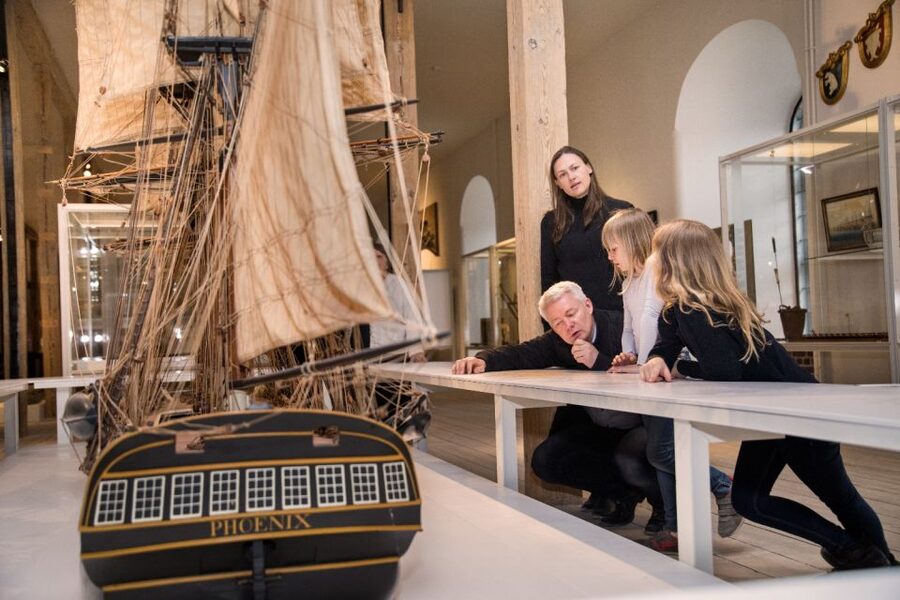
One of the museum’s more surprising touches is a hammock where you can listen to Danish stories from the seven seas. This is a welcome break from military dates and equipment.
The hammock connects Denmark’s armed forces with the sea, an important theme for a country surrounded by water and shaped by shipping. The format also changes the mood. Instead of standing in front of a case, you sit back and listen. That makes the museum more approachable for anyone who prefers stories to technical labels.
I would particularly value this section if you are visiting with children or with someone who is not keen on military history. The hammock offers a slower, more relaxed part of the visit without taking you away from the museum’s main subject.
Do not expect a guided tour or a named guide from the information provided. This is an admission ticket to explore at your own pace, with the museum’s exhibitions and listening experience providing the structure.
Same base, a different kind of day out:
- Copenhagen: Canal Cruise with Guide
★ 4.6 · 9,115 reviews - Copenhagen: Hop-On Hop-Off Bus Tour with Boat Tour Option
★ 3.9 · 4,122 reviews - Private Walking Grand Tour of Copenhagen
★ 5.0 · 3,953 reviews - From Copenhagen: Lund and Malmö 2-Country Tour
★ 4.7 · 2,772 reviews
Distinctive objects that make the past feel close
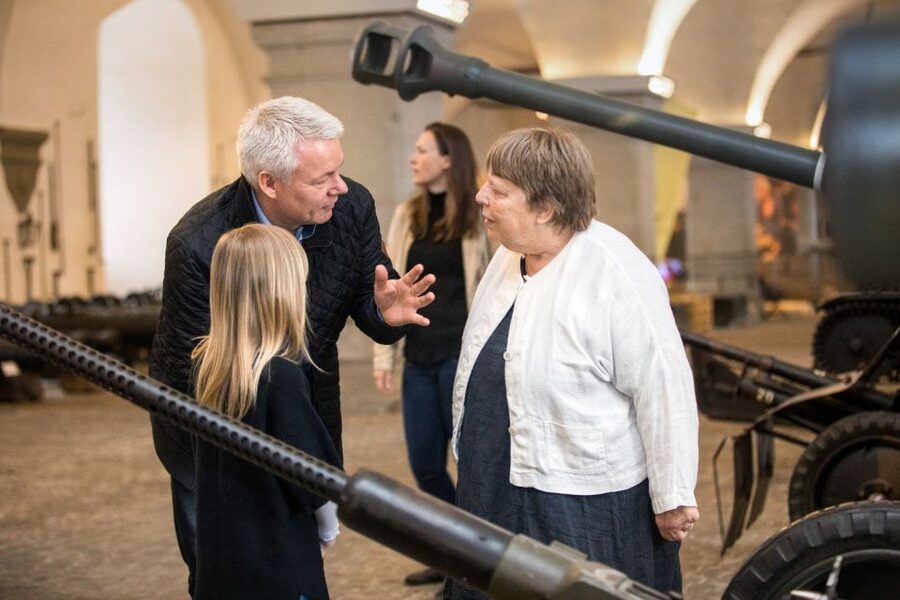
The museum’s strongest moments are often found in objects that are strange, personal, or unexpectedly ordinary.
A ship model made of bones is the kind of display you are likely to remember after the formal military material has blurred together. It suggests patience, craft, and life at sea, while also reminding you that military history includes sailors, prisoners, and people making things in difficult conditions.
The 150-year-old biscuit offers a different kind of connection. Food is easy to overlook in discussions of war, but supplies determine how people survive military service. An old biscuit lets you think about storage, transport, endurance, and the daily realities behind campaigns.
The museum also displays the world’s only complete example of a uniform from the American Civil War. That is a valuable distinction for collectors and anyone interested in military clothing. A uniform can tell you about rank and period, but it also gives a human scale to a conflict. Someone wore it, moved in it, and experienced the war through it.
These objects help prevent the museum from becoming a parade of weapons. They show the personal and practical side of military life.
World War II, the Cold War, and Denmark’s place in Europe
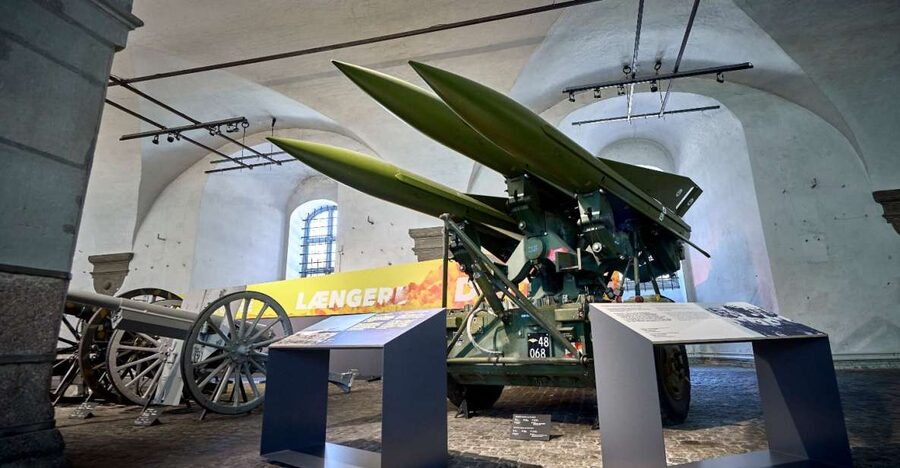
The exhibitions continue through World War II and the Cold War, two periods that still shape how Denmark is understood today.
World War II affected Denmark directly and indirectly, and the museum gives you a place to consider that experience through military history. The Cold War then shifts the focus toward long-term tension, preparedness, and the possibility of conflict without a conventional battle taking place every day.
I like this progression because it shows that war is not only a matter of armies meeting in a field. It can involve occupation, alliances, national defense, fear, weapons systems, and years of uncertainty.
These sections may be especially worthwhile if you are pairing the museum with other Copenhagen sights connected to the 20th century. The Danish War Museum gives you the military frame, while the city itself offers other ways to understand Denmark’s political and social past. The ticket is most useful when you treat it as part of a wider Copenhagen history day, not simply as a room full of old weapons.
Afghanistan and the cost of modern conflict
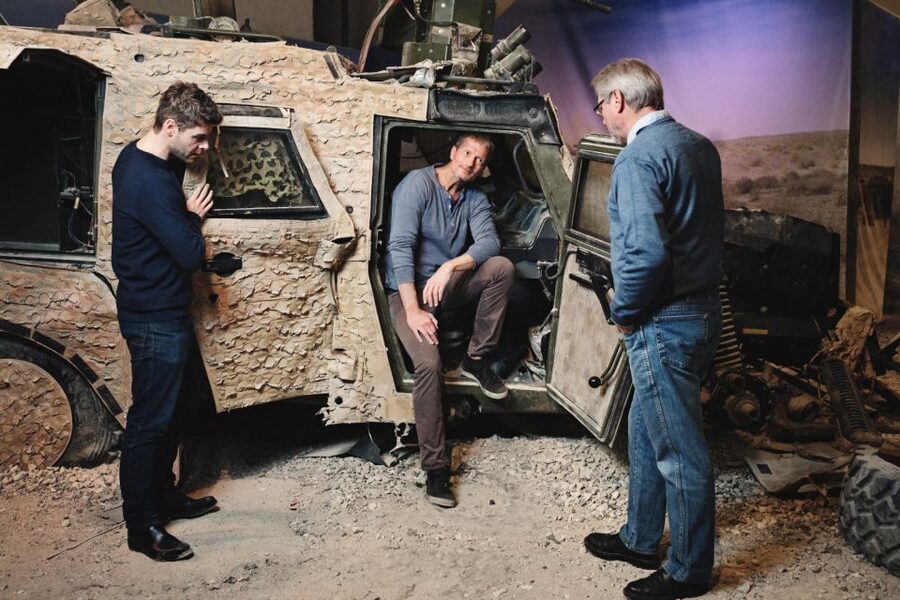
The museum’s story reaches the 21st century with Denmark’s role in conflicts including the war in Afghanistan. This brings the subject much closer to the present and gives you a chance to consider military service in an era of roadside bombs, remote surveillance, and international operations.
One of the most powerful objects is a military car that ran over a roadside bomb while everyone inside survived. The vehicle turns a distant conflict into something physical. You can see the damage and think about the protection offered by military equipment, as well as the danger faced by the people using it.
This section may feel more difficult than the medieval displays because the events are recent and their effects continue. That is also its value. The museum does not stop at polished armor and historic battles. It asks you to consider what Danish military involvement looks like in the present day.
If you have limited time, do not skip this modern section simply because the older armor seems more attractive. The contrast between the two periods is one of the museum’s strongest ideas.
The new exhibition on drones and future warfare
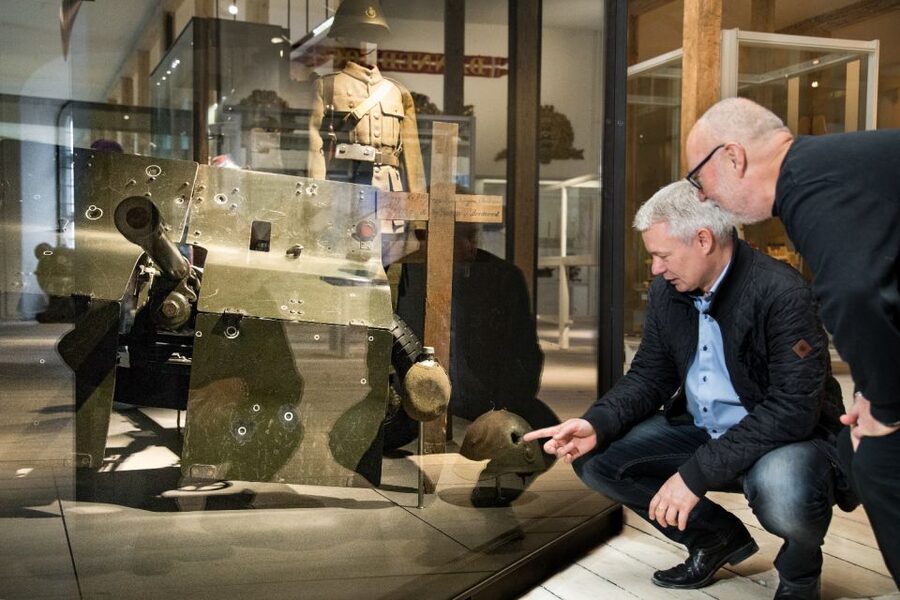
The museum’s new spot exhibition examines whether drones have changed the way wars are fought. It focuses on a subject that is already part of daily news from Ukraine and other battlefields.
The exhibition raises difficult questions. How do unmanned weapons affect soldiers and civilians? What happens when cameras and sensors can monitor people from above? Could future drones operate as independent killing machines? Can current Danish defense systems stop a drone attack?
You are not only looking at a piece of equipment here. You are being asked to think about distance and responsibility. A drone operator may be far from the battlefield, while the people under surveillance or attack remain directly exposed. That difference makes modern warfare harder to see and harder to understand.
This display adds current relevance to the museum. It also means the visit is not locked in the past. The Danish War Museum connects medieval armor with questions that governments and civilians are facing now.
Is the $20 ticket good value?
At $20 per person, the ticket is fairly priced if you plan to spend a good part of the day at the museum. You get access to the permanent exhibitions, the historic Arsenal building, the hammock experience, and the drone display.
The value is strongest for:
- Anyone interested in Danish, European, or military history
- Families who enjoy large objects and unusual exhibits
- Visitors who want a museum with both historical and current subjects
- People who prefer self-guided visits rather than fixed tour times
- Anyone willing to spend several hours reading and comparing displays
The value is weaker if you only have time for a brief stop or dislike war museums. The subject is serious, and much of the collection deals with conflict, injury, fear, and military power. The hammock and unusual objects soften the pace, but they do not change the museum’s central focus.
The one-day validity gives you flexibility. You can plan the museum as a major stop or use the ticket for a shorter visit within a full Copenhagen day. Free cancellation up to 24 hours before the visit and the option to reserve now and pay later also reduce the risk of committing too early.
Accessibility and practical planning
The main issue you need to plan around is the lack of an elevator to the first-floor exhibitions. The museum is working on accessibility concerns, but the current limitation remains important.
You can bring your own wheelchair or baby carriage. However, the available information does not promise elevator access to the first floor, so contact the museum directly if stairs are a serious concern for you or someone in your group.
The ticket is valid for one day, but starting times depend on availability. Check the available time before booking, especially if you are fitting the museum between other Copenhagen plans.
The ticket includes museum admission only. There is no mention of a guide, transport, meal, or separate activity included. That keeps the arrangement simple, but it also means you should arrive ready to explore independently.
Should you book the Danish War Museum?
I would book this museum if you want more than a quick look at old weapons. The combination of the 1604 Arsenal, the 163-meter hall, unusual personal objects, maritime stories, Afghanistan displays, and drone questions gives the visit real range.
You should also book it if you like museums that connect national history to wider European events. The sections on Sweden, England, World War II, the Cold War, and Afghanistan help place Denmark in a broader story.
I would pause before booking if stairs are a serious barrier, or if your Copenhagen schedule allows only an hour. For everyone else, $20 buys a substantial, self-paced museum day with enough variety to keep the experience from becoming repetitive.
FAQ
How long is the Danish War Museum ticket valid?
The ticket is valid for one day. Available starting times depend on the date and current availability.
What is included in the ticket?
The ticket includes admission to the Danish War Museum.
How much does admission cost?
The listed price is $20 per person.
Can I cancel my booking?
Yes. You can cancel up to 24 hours in advance for a full refund.
Is there an elevator to the first-floor exhibitions?
No. There is currently no elevator to help visitors reach the first-floor exhibitions.
Can I bring a wheelchair or baby carriage?
Yes. You may bring your own wheelchair or baby carriage, but the museum currently has no elevator to the first floor.
Just added in Copenhagen
- a day at North Zealand Castle Tour★ 4.5 · 19 reviews
- Exhibition – Home of Carlsberg★ 4.5 · 281 reviews
- Copenhagen Walking Tour: Highlights and Hygge w/Lunch★ 5.0 · 272 reviews
- The Six Forgotten Giants Trolls Hunt with Minibus★ 4.5 · 27 reviews
- The Hunt For The Six Forgotten Giants★ 5.0 · 45 reviews
- Politically Incorrect Private Hidden Gems Walking Tour★ 5.0 · 270 reviews
- Social Nightlife Crawl Copenhagen★ 5.0 · 164 reviews
- THE TUBE – Copenhagen: an immersive Experience★ 4.0 · 124 reviews
Museums, compared.


Perlan Museum Wonders of Iceland Entrance Ticket
Read our review →
Stockholm Pass: Save up to 50% – Includes Vasa Museum Ticket
Read our review →


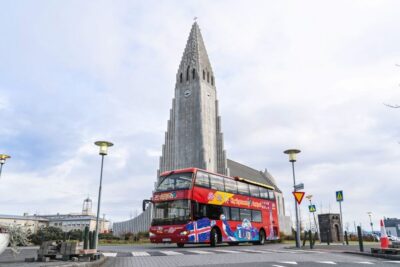
Hop-On Hop-Off Bus and Perlan Museum Entry Ticket
Read our review →Browse the lists this tour appears in