
Reviewed · MUSEUMS
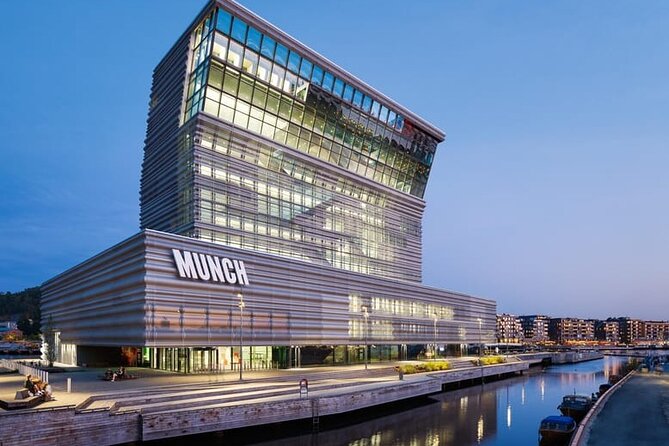
Oslo: Munch Museum Admission Ticket
The main draw is obvious: The Scream. But this visit gives you more than a quick look at Munch’s famous anxious figure. You also see Madonna, prints, sketches, and paintings that show how Munch returned to the same human subjects again and again, testing new ways to express them.
I like the chance to see three versions of The Scream, with works rotated about every 30 minutes. I also like the freedom of an admission-only visit, since you can set your own pace rather than follow a guide through every room. The main thing to plan around is timing: The Scream is not necessarily on view every minute, so a rushed visit could leave you disappointed.
Key points to know before you go
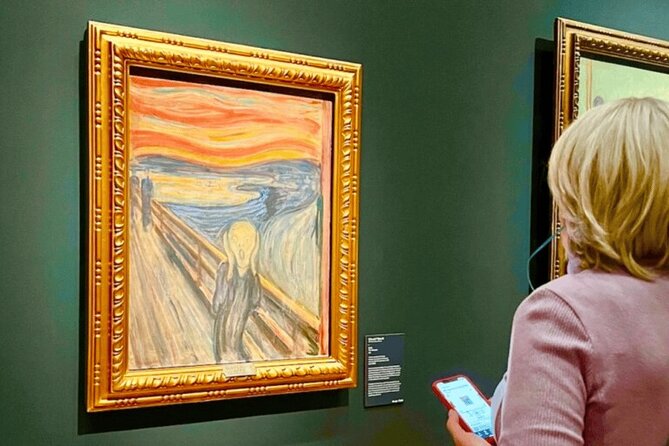
- The Scream rotates about every 30 minutes: Plan enough time to catch the version on display.
- Madonna adds much-needed context: Munch’s art is not limited to fear and despair.
- Two hours is a useful visit length: You can see major works without turning the museum into an all-day commitment.
- The ticket arrives by email the day before: The GetYourGuide booking confirmation alone is not the entry ticket.
- Large bags are not allowed: Bring your passport or ID card, but leave luggage elsewhere.
- The visit is wheelchair accessible: This makes the museum a practical choice for many visitors with mobility needs.
Why The Scream is only the beginning
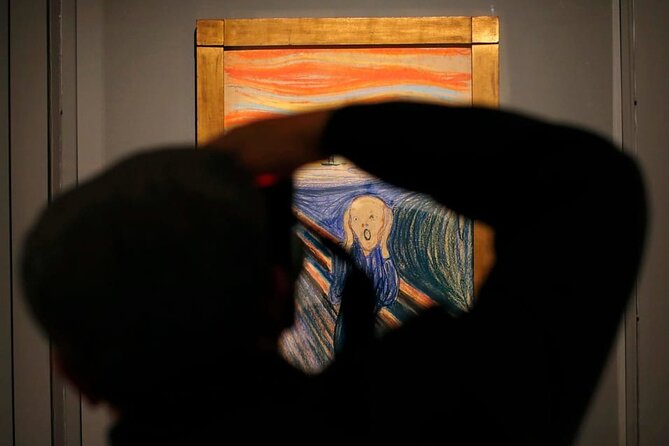
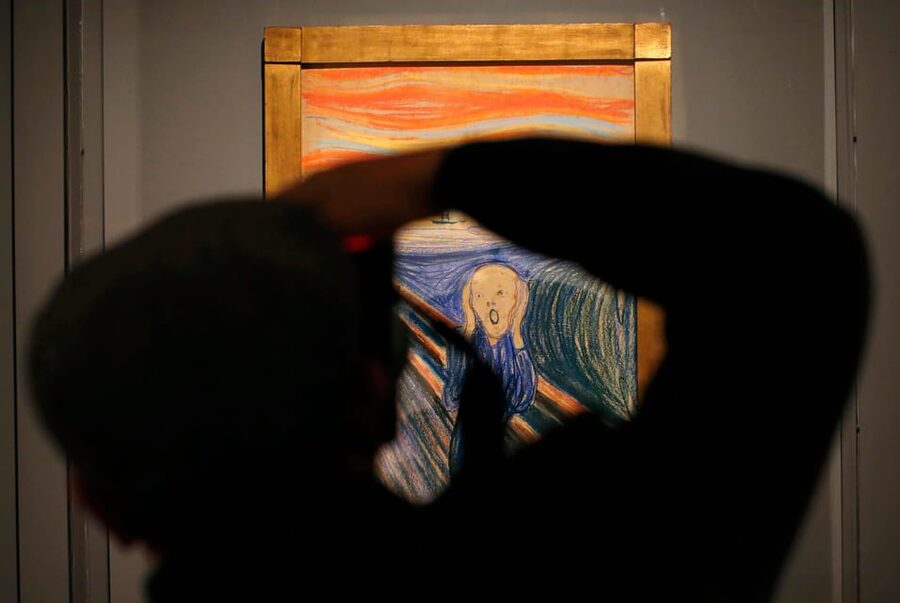
Most people arrive for The Scream. That is perfectly sensible. It is one of the best-known images in modern art, and seeing the work in person gives you a better sense of its rough lines, strong color, and emotional force than a small reproduction can provide.
Still, I would not treat the museum as a one-picture stop. Munch spent much of his career returning to subjects such as love, illness, loneliness, jealousy, and death. The repeated subjects matter because you can watch his approach change over time. A familiar theme may appear as a painting, a print, or a sketch, with each form shifting the mood.
The galleries present paintings, prints, and sketches, so you get a look at both finished images and parts of Munch’s working process. His prints are especially important to the story. They show an artist experimenting with repetition, line, and color rather than settling into one fixed style.
You will also see Madonna, another major work that helps widen your view of Munch. It has a very different mood from The Scream, yet it carries the same interest in strong feeling and human experience. Together, these works help explain why Munch had such a powerful effect on modern art.
A few more things to do in Oslo worth a look
- Kon-Tiki Museum Entrance Ticket
★ 4.5 · 1,096 reviews - Oslo: Paradox Museum Entry Ticket
★ 4.3 · 799 reviews - The Fram Museum Admission Ticket
★ 4.5 · 490 reviews
Seeing The Scream without rushing
The museum’s arrangement of The Scream is one of the most practical details to understand before you arrive. The three versions rotate, with one version shown for roughly 30 minutes at a time.
That means your first stop does not need to be a frantic dash through the building. You can look at other works, then return when the next version appears. Give yourself enough time to see the work properly, rather than treating the rotation as a reason to hurry.
The rotation also means that you may not see every version during a short visit. The information available for this experience does not promise that all three will be on display during your two hours. If seeing a particular version is essential to you, keep your expectations flexible.
I like this arrangement because it protects the works while still giving you a real chance to see them. It does add a small planning wrinkle, though. The Scream may be the main reason you bought the ticket, so check the display timing once you enter and build the rest of your visit around it.
Madonna and the wider story of Munch
Madonna is worth seeking out because it helps prevent a common mistake: reducing Munch to one image of panic. His art also deals with attraction, desire, vulnerability, and the uneasy space between people.
As you move through the galleries, look for links between subjects rather than treating every painting as a separate item. Munch’s work often feels personal, but its questions are broad. What happens when love becomes fear? How does illness affect a family? Why can a crowd feel lonely? These are the ideas that give the museum its weight.
The surrounding works place Munch in the cultural setting of late 19th and early 20th-century Europe. You can see an artist responding to changing ideas about art and the self. Instead of aiming only for a clear likeness, Munch often pushed color, line, and shape toward an emotional effect.
That makes the museum useful even if you do not know much about art. You do not need a long background lecture to notice that these works are trying to make you feel something, not simply show you something.
Following the shift from painting to print
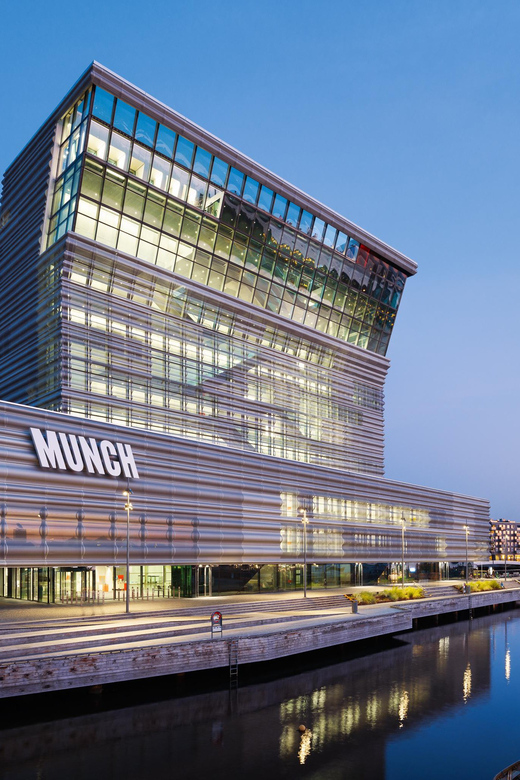
Munch’s creative process becomes clearer when you compare the different types of work on display. A painting can present a single, intense statement. A print can repeat an image and alter its impact through changes in line, color, or texture. A sketch may reveal a quicker, less finished thought.
I like this range because it keeps the visit from becoming a parade of famous titles. You get clues about how Munch worked, not just the final products. His experiments helped change expectations about what modern art could do.
You might notice that some works feel raw or unfinished. That is part of their purpose, not necessarily a sign that Munch had failed to complete them. His loose marks and uneasy compositions can make the subject feel immediate. They also show why his art can still feel modern.
If you prefer art with a neat story and a polished finish, some galleries may feel demanding. Munch often leaves emotional questions open. The museum rewards patience more than speed.
Same base, a different kind of day out:
- Oslo: Scenic Fjord Cruise with Audio Guide Commentary
★ 4.5 · 5,375 reviews - Oslo Nature Walks: Island Hopping Tour
★ 4.8 · 2,713 reviews - Oslo: 100% Electric Oslofjord Sightseeing Cruise
★ 4.4 · 2,041 reviews - Oslo: Fjord Evening Cruise with Shrimp Buffet
★ 4.5 · 1,956 reviews
A practical two-hour route
For a two-hour visit, I would begin by getting oriented and finding out when The Scream will rotate. Do not spend your whole first half-hour at the entrance, but do make this your first timing check.
Next, give yourself time with the major works, including The Scream and Madonna. Look at each one from a normal viewing distance, then step closer if allowed and pay attention to the surface, marks, and changes in tone. The point is not to memorize every label. It is to see how the works handle similar human concerns in different ways.
After the headline pieces, move through the paintings, prints, and sketches with Munch’s development in mind. Notice the shifts in style and the repeated themes. This is where the museum becomes more rewarding than a quick photograph of The Scream.
Use the final part of your visit to return to any work you passed too quickly. If the rotation has brought another version of The Scream into view, take a second look. Two hours should give you enough time for the main works and some quiet attention, though it will not require you to study every item in detail.
The activity ends back at the museum, so you remain free to continue your Oslo plans afterward. There is no included guide, transport, or added excursion. You are paying for entry and the chance to explore at your own speed.
What the $39 ticket is really buying
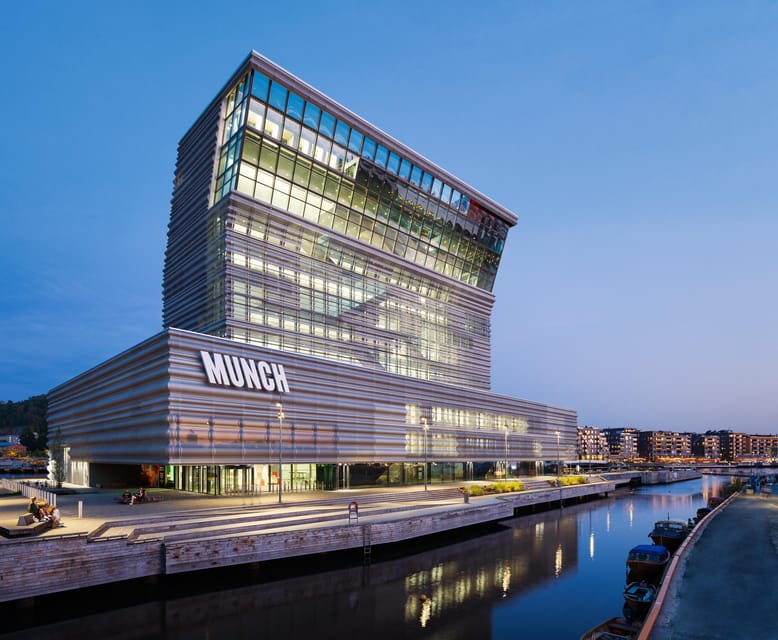
At $39 per person, this is not a casual bargain attraction. The value depends on how much you want to see Munch’s work in a museum devoted to his career, rather than simply viewing one famous image in a general art collection.
For someone already interested in Munch, the price is easier to justify. You get access to his paintings, prints, and sketches, along with the chance to understand how his ideas developed. The two-hour duration also fits neatly into an Oslo sightseeing day.
For a casual art tourist, the calculation is less certain. If you only want a quick look at The Scream, the ticket may feel costly, especially if the work you hope to see is not on display at the exact moment you arrive. The museum makes more sense when you treat it as a focused look at an artist’s full concerns.
I see the ticket as fair value for a visitor who will spend the full two hours and pay attention to the range of work. It is weaker value for anyone planning a short, rushed stop. The rotating display makes that distinction especially important.
Timing, tickets, and what to carry
Your valid museum ticket is sent by email the day before the activity date. The GetYourGuide confirmation only confirms your booking, so do not rely on that confirmation alone for entry. Save the proper ticket where you can find it easily.
At the entrance, show the emailed ticket. You should also bring a passport or ID card, as that is listed among the required items.
Do not bring luggage or large bags. This is a simple point, but it can affect your plans if you are visiting Oslo between hotels, trains, or flights. Arrange luggage storage first rather than arriving with a suitcase and hoping it can be admitted.
The activity allows free cancellation up to 24 hours before the scheduled visit for a full refund. You can also reserve now and pay later, which helps if your Oslo schedule is still changing.
The museum is wheelchair accessible. That makes the experience easier to plan for visitors who need step-free access, though the supplied information does not specify details about every gallery or facility.
Who will enjoy this museum most
I would recommend this visit to anyone who wants more than a single famous photograph. It suits art lovers, first-time museum visitors curious about modern art, and people interested in how private emotions became public images.
It is also a good choice if you want a self-directed cultural stop. You are not tied to a guide or a fixed tour route. You can spend extra time with a work that catches you, then move on when your attention fades.
Families and mixed-interest groups may find the two-hour length manageable, but Munch’s subjects are often serious. Anyone hoping for a light, purely decorative art visit should know that the mood can be dark and intense.
You should also choose this experience if you appreciate seeing process as well as finished art. The prints and sketches add value for anyone who wants to understand experimentation, not just famous paintings.
Should you book the Munch Museum ticket?
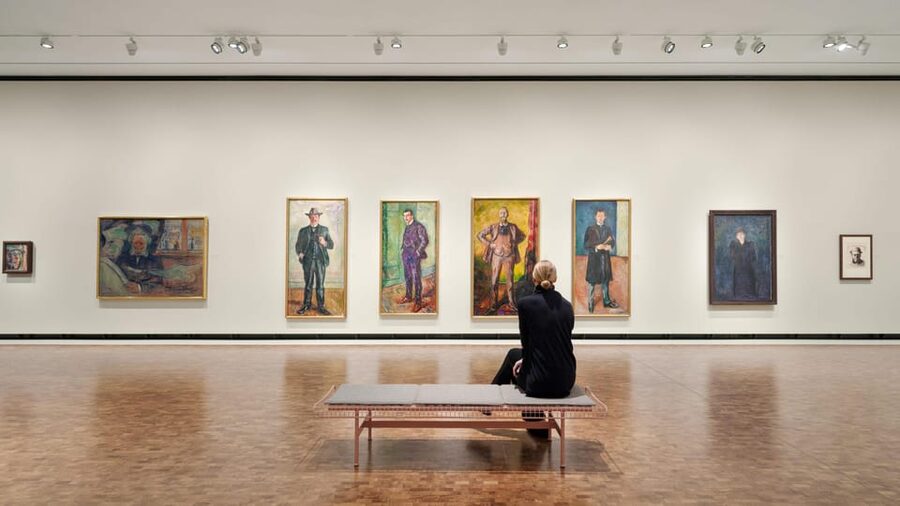
Book it if The Scream is on your Oslo list and you are willing to give Munch’s other work a fair chance. The rotating display means you should allow time and accept that the exact version you see may vary, but the museum offers a fuller picture of the artist than one iconic image can provide.
I would skip it only if you have very little time, dislike emotionally serious art, or want a guaranteed quick viewing of one specific version of The Scream. For most art-minded visitors, the two-hour admission is a useful Oslo stop, provided you arrive with the correct emailed ticket and no large bag.
FAQ
How long does the Munch Museum visit last?
The activity lasts about two hours. You can check availability for the available starting times.
What works can I expect to see?
The experience includes Edvard Munch’s major works, including The Scream and Madonna. You can also see paintings, prints, and sketches.
Are all three versions of The Scream displayed at once?
No. The three versions rotate, with one shown for about 30 minutes at a time. The information provided does not guarantee that you will see all three during one visit.
How do I enter the museum?
Show the valid ticket sent to you by email at the museum entrance. The GetYourGuide booking confirmation is not valid for access.
When will I receive the valid ticket?
The valid ticket is sent by email the day before the activity date.
Is the museum wheelchair accessible?
Yes. The activity is listed as wheelchair accessible.
Can I bring luggage or a large bag?
No. Luggage and large bags are not allowed.
What identification should I bring?
Bring a passport or ID card, as this is listed under what to bring for the activity.
Just added in Oslo
- Unknown war. Oslo and Norway during 1940-45★ 5.0 · 74 reviews
- The Viking Planet Museum – Mini Group (4 adults)★ 4.0 · 16 reviews
- The Viking Planet Museum Ticket★ 4.0 · 197 reviews
- Oslo Winter Highlights Bike Tour★ 5.0 · 36 reviews
- The Ultimate Study of the Human Form at Vigeland’s Sculpture Park with a Local★ 4.0 · 14 reviews
- The Essential Oslo Private Walking Tour★ 5.0 · 79 reviews
- The Ultimate Norwegian Skiing Experience★ 5.0 · 16 reviews
- Central Oslo Guided Walking Tour with Local Guide★ 4.5 · 278 reviews
Museums, compared.


Perlan Museum Wonders of Iceland Entrance Ticket
Read our review →
Stockholm Pass: Save up to 50% – Includes Vasa Museum Ticket
Read our review →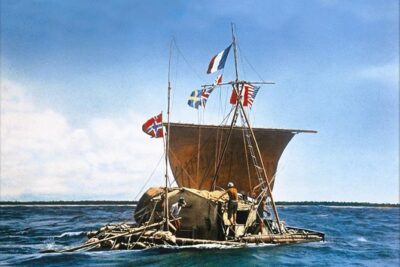

Hop-On Hop-Off Bus and Perlan Museum Entry Ticket
Read our review →Browse the lists this tour appears in